
Executive Overview
In an era when cultural institutions frequently struggle against changing urban landscapes and shifting arts funding, one of America’s oldest continuously operating musical organizations is marking a rare historical milestone. The Mendelssohn Glee Club (MGC) has officially announced its 160th Anniversary Winter Concert, offering the public free admission to a retrospective performance in Manhattan. Scheduled to take place at the Redeemer West Side venue (150 W. 83rd Street), the celebration brings together over a century and a half of choral tradition, musicological preservation, and community engagement.
The flagship event highlights both institutional endurance and artistic continuity. Under the direction of Conductor Gene Wisoff—now marking his 32nd year at the helm—the ensemble will present a curated retrospective spanning classical choral literature, American part-songs, and seasonal holiday works. Among the program’s focal points is Felix Mendelssohn’s "Turkish Drinking Song," a piece steeped in organizational lore that was performed at the club’s inaugural concert in 1866.
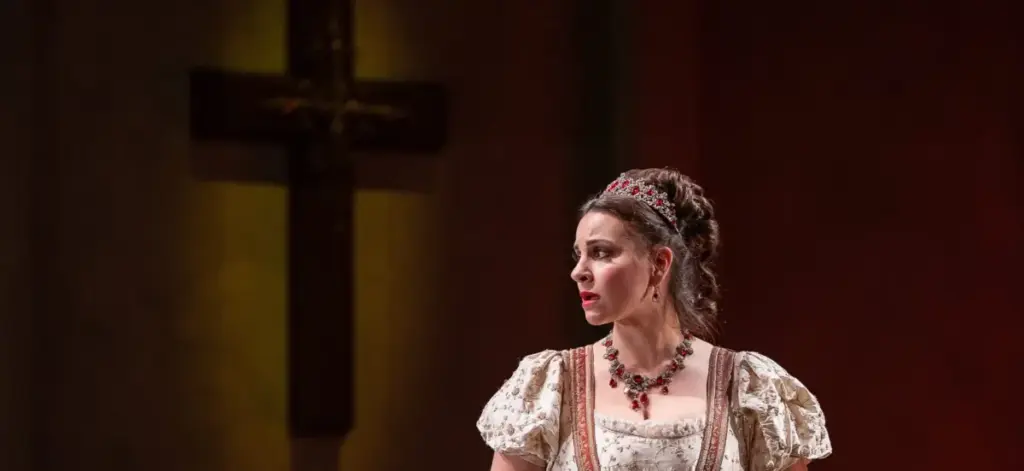
Featuring accompanist Hyungjin Choi and guest soprano soloist Yophi Bost, the concert serves as both an artistic showcase and an exploration into how community-supported vocal music has survived from Civil War-era New York to the present day. Beyond the stage performance, the evening includes a post-concert champagne reception, a community sing-along, a silent auction, and a 50/50 raffle to sustain the club’s educational and archival programs.
+-----------------------------------------------------------------------------------+
|                           EVENT SPECIFICATIONS AT A GLANCE                        |
+-----------------------+-----------------------------------------------------------+
| Organization          | Mendelssohn Glee Club (MGC)                               |
| Event                 | 160th Anniversary Winter Concert                          |
| Date & Time           | Doors Open: 6:30 PM | Performance: 7:00 PM                |
| Venue                 | Redeemer West Side (150 W. 83rd St., Manhattan, NYC)      |
| Admission             | FREE to the Public                                        |
| Leadership            | Gene Wisoff (Music Director, 32nd Season)                 |
| Principal Accompanist | Hyungjin Choi                                             |
| Guest Soloist         | Yophi Bost (Soprano)                                      |
| Key Repertoire        | Mendelssohn, Speaks, Sullivan, MacDowell, Burleigh, Herbert|
| Post-Concert Activities| Champagne Reception, Silent Auction, Sing-Along, 50/50 Raffle|
+-----------------------+-----------------------------------------------------------+
Detailed Chronology
1866–1900: Post-Civil War Founding and the Gilded Age
The origin of the Mendelssohn Glee Club traces back to 1866, during the immediate aftermath of the American Civil War. Eight men gathered in Manhattan under the leadership of Daniel Collamore Beard and eight founding vocalists to establish a formal male choral society dedicated to the German Liedertafel and English glee traditions. At their inaugural performance in December 1866, the ensemble chose Felix Mendelssohn’s "Turkish Drinking Song" (Türkisches Schenkenlied, Op. 50, No. 1) as a centerpiece.
Throughout the late 19th century, the MGC grew alongside New York City’s cultural institutions. Notably, American composer Edward MacDowell served as the club’s music director from 1896 to 1898, cementing the organization’s role as a patron of original American classical composition and standardizing rigorous vocal training for non-professional musicians.
1900–1992: Adapting Through Cultural Transitions
As New York transformed into a global financial and artistic hub, the Mendelssohn Glee Club navigated two World Wars, the Great Depression, and dramatic shifts in popular music consumption. While many contemporary glee clubs dissolved or merged with university arts programs during the mid-20th century, the MGC retained its independent charter. It expanded its repertoire to include:
- Early American art songs
- Victor Herbert’s operetta arrangements
- Harry T. Burleigh’s canonical arrangements of African American spirituals
- Mid-century holiday choral works
By maintaining a steady schedule of seasonal concerts, private galas, and civic appearances, the organization preserved early American male choral literature while adapting to new generations of NYC performers.
MGC INSTITUTIONAL TIMELINE

  1866                 1896                 1993                 Present
---|--------------------|--------------------|--------------------|--->
   Founding in NYC      Edward MacDowell     Gene Wisoff          160th Anniversary
   First performance    takes baton as       begins 32-year       Winter Concert at
   of "Turkish          Music Director       tenure as Music      Redeemer West Side
   Drinking Song"                            Director
1993–Present: The Wisoff Era and the 160th Anniversary Production
In 1993, Conductor Gene Wisoff assumed leadership of the Mendelssohn Glee Club, initiating a tenure defined by archival research, vocal precision, and expanded community access. Wisoff prioritized diversifying the choir’s performance locations and opening historical concerts to the public without ticket barriers.
The planning for the 160th Anniversary Winter Concert represents a culmination of this work. Opening its doors at 6:30 PM for a 7:00 PM performance at Redeemer West Side, the event combines historic repertoire with active fundraising mechanisms—including a silent auction and 50/50 raffle—to secure the ensemble’s operating budget for upcoming seasons.
Supporting Context & Metrics
Historical Composition Analysis
The selected repertoire for the 160th Anniversary Winter Concert provides a cross-section of 19th- and early 20th-century vocal composition, demonstrating how choral literature bridged European traditions and a growing American musical identity.
+-------------------+-----------------------------+---------------------------------------------------------+
| Composer          | Era / School                | Historic Significance to MGC & Repertoire               |
+-------------------+-----------------------------+---------------------------------------------------------+
| Felix Mendelssohn | Early Romantic (Germany)    | Namesake composer; "Turkish Drinking Song" featured     |
|                   |                             | in the 1866 debut concert.                              |
+-------------------+-----------------------------+---------------------------------------------------------+
| Edward MacDowell  | Late Romantic (USA)         | Direct historic tie; served as MGC conductor (1896–98)  |
|                   |                             | and expanded original American part-song literature.    |
+-------------------+-----------------------------+---------------------------------------------------------+
| Harry T. Burleigh | Modern / Folk (USA)         | Pioneered orchestral and choral arrangements of         |
|                   |                             | African American spirituals; essential American voice.  |
+-------------------+-----------------------------+---------------------------------------------------------+
| Sir Arthur Sullivan| Victorian / Light Opera (UK)| Master of the English part-song and glee form;           |
|                   |                             | foundational to 19th-century choral technique.          |
+-------------------+-----------------------------+---------------------------------------------------------+
| Victor Herbert    | Early 20th Century Operetta | Influenced American musical theater; composed light     |
|                   | (USA/Ireland)               | vocal works popularized by civic glee clubs.            |
+-------------------+-----------------------------+---------------------------------------------------------+
| Oley Speaks       | Early 20th Century Art Song | Prolific writer of popular art songs (e.g., "On the    |
|                   | (USA)                       | Road to Mandalay") central to mid-century male chorus. |
+-------------------+-----------------------------+---------------------------------------------------------+
The "Turkish Drinking Song" Significance
Felix Mendelssohn’s Türkisches Schenkenlied (Opus 50, No. 1), set to text by Johann Wolfgang von Goethe, holds specific musicological significance. Written for a four-part male chorus (TTBB), the piece requires precise rhythmic control and vocal agility. Its inclusion in both the December 1866 inaugural concert and the 160th-anniversary program functions as an artistic link between the club’s origins and its current vocal ensemble.
Venue Acoustics and Urban Context
Host venue Redeemer West Side, located at 150 West 83rd Street between Columbus and Amsterdam Avenues, offers acoustical characteristics designed for unamplified vocal performance. With a high-ceilinged nave and balanced resonance profiles, the space accommodates both delicate soprano solo passages—such as those delivered by guest soloist Yophi Bost—and the dense harmonic textures of four-part choral arrangements driven by pianist Hyungjin Choi.
        Upper West Side Cultural Corridor - 150 W 83rd St
   +----------------------------------------------------------+
   |  [Amsterdam Ave] <--- W 83rd St ---> [Columbus Ave]      |
   |                         |                                |
   |                         v                                |
   |              Redeemer West Side Sanctuary                |
   |              - High-ceilinged acoustic space             |
   |              - Flexible seating capacity                 |
   |              - Fully unamplified vocal projection        |
   +----------------------------------------------------------+
Official Statements & Perspective
Artistic Leadership on the 160-Year Legacy
Music Director Gene Wisoff highlighted the historical continuity reflected in this season’s repertoire:
"Reaching 160 years is not merely a testament to longevity; it is a testament to the enduring power of communal singing. When we perform Mendelssohn’s ‘Turkish Drinking Song’ at this concert, we are singing the exact same notes, with the exact same four-part vocal architecture, that eight men struck in Manhattan just after the Civil War. Our mission under my 32 years of direction has always been to keep this living archive vibrant, accessible, and deeply rooted in the cultural life of New York City."
Collaborative Performance Dynamic
Guest Soprano Soloist Yophi Bost reflected on the unique musical dynamics required when partnering with a historic glee chorus:
"Singing alongside an ensemble with 160 years of heritage creates a distinct artistic framework. The contrast between a solo soprano voice and the rich, traditional harmonies of the Mendelssohn Glee Club allows us to explore a dynamic range—from Victorian light opera to classic holiday arrangements—that audiences rarely hear live without a paywall today."
Pianist Hyungjin Choi added perspective on the instrumental demands of the historical repertoire:
"The scores of MacDowell, Herbert, and Burleigh demand a high level of pianistic nuance. They were composed during an era when the piano was not merely an accompaniment, but an equal partner in driving the harmonic structure of the glee performance. Bringing these scores back to life in a modern acoustic setting like Redeemer West Side is both an artistic responsibility and a joy."
Future Outlook
Sustaining Non-Profit Performing Arts Models
The decision to offer free admission for the 160th Anniversary Winter Concert addresses a growing challenge within the performing arts industry: accessibility versus financial sustainability. High production and venue costs in New York City have driven average ticket prices upward, creating economic barriers for casual listeners and lower-income residents.
To maintain accessibility while securing operational capital, the Mendelssohn Glee Club relies on a hybrid funding model:
- Community Sponsorships: Local donors fund individual production costs.
- Post-Concert Galas: Interactive events, including the silent auction and 50/50 raffle, generate auxiliary operating funds.
- Archival & Educational Partnerships: Institutional grants support score preservation and outreach to younger singers.
       MGC FINANCIAL & SUSTAINABILITY MODEL
       +------------------------------------+
       |      Free Concert Admission        |
       |  (Removes barrier to audience)     |
       +-----------------+------------------+
                         |
      +------------------+------------------+
      |                                     |
      v                                     v
+-----------------------+         +-----------------------+
|  Auxiliary Fundraising|         |  Direct Benefactors   |
|  - Silent Auctions    |         |  - Private Donors     |
|  - 50/50 Raffles      |         |  - Institutional      |
|  - Reception Passes   |         |    Arts Grants        |
+-----------------------+         +-----------------------+
Educational Outreach and Archival Preservation
Looking ahead past its 160th season, the Mendelssohn Glee Club plans to digitize its sheet music library—which contains rare 19th-century part-song arrangements, original manuscripts, and historical concert programs. By making these materials publicly available online, the MGC aims to serve as a resource for musicologists, choral conductors, and students of American music history worldwide.
Furthermore, the ensemble intends to expand its guest artist program, regularly inviting contemporary soloists like Yophi Bost to collaborate on historic compositions. This approach ensures that while the club remains rooted in its 1866 traditions, its programming evolves to engage modern NYC audiences.
Event Logistics Summary
- Date & Schedule: Doors open at 6:30 PM; performance begins promptly at 7:00 PM. Post-concert reception, silent auction, and sing-along follow immediately.
- Location: Redeemer West Side, 150 West 83rd Street (between Columbus & Amsterdam Avenues), Manhattan.
- Admission: Free and open to the public; early arrival is encouraged due to open seating policies.