
Executive Overview
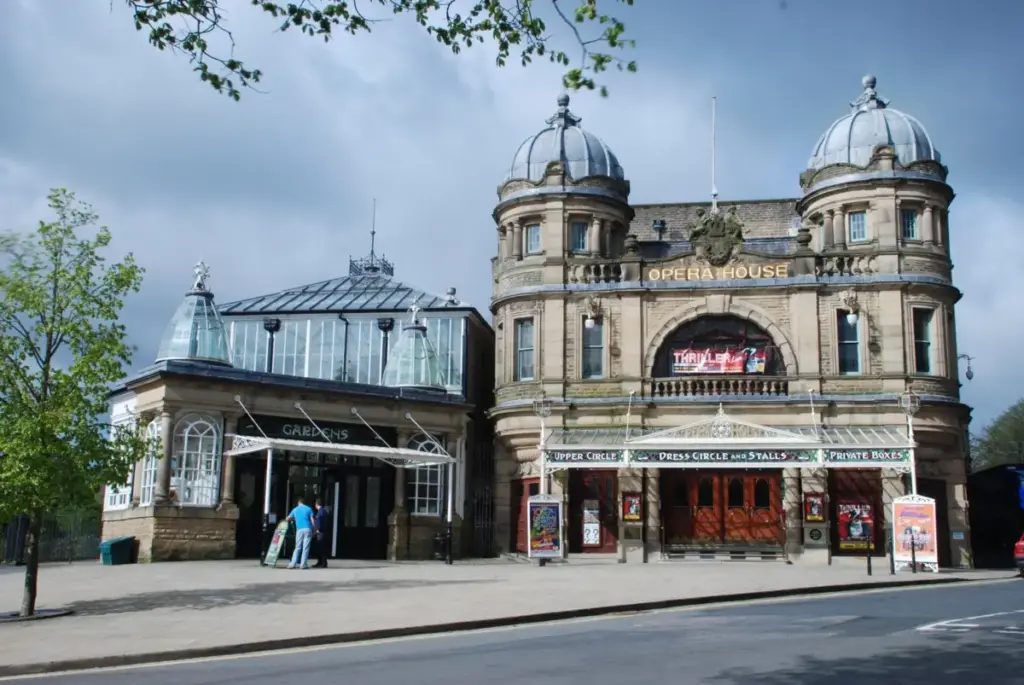
PORTLAND, Ore. — In an ambitious move to catalyze the regional creative economy and fortify community cohesion through multidisciplinary public art, the Riverside Arts Association has formally announced its upcoming flagship event, Autumn Lights: A Celebration of Art and Creativity 2026. Set against the scenic backdrop of the Riverside Cultural Center in downtown Portland (ZIP code 97201), the festival represents a strategic expansion of Oregon’s cultural infrastructure, synthesizing fine visual arts, live musical performances, and immersive educational workshops into a unified public experience.
As urban centers across the United States navigate evolving socio-economic conditions and seek sustainable frameworks for community revitalization, the Riverside Arts Association’s initiative emerges as a critical case study in regional arts stewardship. The festival aims to bridge the gap between emerging local creators and established patrons, offering an inclusive platform that accommodates diverse media—ranging from oil painting and fine art photography to acoustic soundscapes and interactive installations.
Beyond its immediate cultural offerings, Autumn Lights 2026 is structured to drive local commerce, foster intergenerational civic engagement, and establish a replicable blueprint for mid-sized municipal arts programming. By leveraging the infrastructure of the Riverside Cultural Center, situated along the Willamette River corridor, the organizers intend to draw thousands of regional visitors, transforming Portland’s central arts district into a vibrant epicenter of creative exchange.
Detailed Chronology
The trajectory of Autumn Lights reflects a multi-year effort to scale community-driven cultural events into premier regional festivals. The timeline from initial strategic planning to the upcoming 2026 launch demonstrates a deliberate operational design.
+-----------------------------------------------------------------------------------+
| CHRONOLOGICAL ROADMAP: AUTUMN LIGHTS FESTIVAL DEVELOPMENT                         |
+-----------------------------------------------------------------------------------+
| 2024–2025: Programmatic Evaluation & Site Selection                               |
|   • Assessment of prior community arts initiatives by Riverside Arts Association.  |
|   • Securing the Riverside Cultural Center (Portland, OR 97201) as primary hub.   |
|                                                                                   |
| Q1–Q2 2026: Curatorial Jurors & Artist Callouts                                   |
|   • Regional call for painters, sculptors, photographers, and musicians.          |
|   • Selection of over 120 visual artists and 30 live musical acts.                |
|                                                                                   |
| Q3 2026: Technical Infrastructure & Educational Design                            |
|   • Design of interactive creative workshops tailored for all demographics.       |
|   • Site acoustics, lighting, and accessibility installation planning.            |
|                                                                                   |
| Q4 2026: Festival Execution                                                       |
|   • Multi-day public showcase at Riverside Cultural Center.                       |
|   • Launch of artist-patron networking panels and community creative zones.       |
+-----------------------------------------------------------------------------------+
Phase I: Foundational Strategy and Infrastructure Selection (2024–2025)
Following a comprehensive review of Pacific Northwest cultural participation trends, the board of directors of the Riverside Arts Association authorized the development of a unified autumn festival. The primary objective was to consolidate fragmented neighborhood art walks into a singular, high-impact seasonal event. The selection of the Riverside Cultural Center in Portland’s 97201 area was finalized due to its versatile indoor galleries, adjacent outdoor plaza spaces, and accessibility via public transit networks.
Phase II: Curatorial Selection and Programmatic Structuring (Q1–Q2 2026)
During the early months of 2026, the Association convened an independent curatorial panel comprising local museum directors, senior faculty from Pacific Northwest arts institutions, and veteran community organizers. A statewide open call resulted in hundreds of submissions across visual and auditory disciplines. The panel prioritized artists whose work engages with themes of ecological stewardship, urban identity, and cultural resilience. Simultaneously, the program directors established partnerships with regional music collectives to curate a continuous schedule of live acoustic, jazz, and chamber music performances designed to complement the visual exhibition spaces.
Phase III: On-Site Integration and Public Rollout (Q3–Q4 2026)
The operational phase transitions into logistics deployment across the grounds of the Riverside Cultural Center. Technical teams are configuring low-impact LED lighting arrays across the outdoor exhibition pathways to mirror the "Autumn Lights" thematic focus. Simultaneously, workshop space allocations are being finalized to support hands-on sessions led by master printmakers, digital photographers, and ceramic artists, ensuring that attendees transition from passive viewers to active creative participants.
Supporting Context & Metrics
The introduction of Autumn Lights 2026 comes at a pivotal moment for Portland’s local arts sector. Public investment in community-level creative projects has faced structural adjustments over recent fiscal cycles, necessitating private-public partnerships and non-profit leadership to maintain cultural vitality.
====================================================================================
               PROJECTED FESTIVAL METRICS & METROPOLITAN IMPACT
====================================================================================
 Metric Category                      Target Projection / Value
------------------------------------------------------------------------------------
 Expected Attendees                   15,000 – 18,000 (Over multi-day run)
 Participating Visual Artists         120+ (Painters, Photographers, Sculptors)
 Featured Musical Ensembles          30+ Live Acts (Multiple Stages)
 Hands-on Educational Workshops      15 Dedicated Interactive Stations
 Estimated Local Business Direct Spend $1.2 Million (Hospitality, Retail, Transit)
 Venue Coverage Area                  45,000 sq. ft. (Indoor & Outdoor Plazas)
 Primary Target Demographic           All ages (Family, Student, Professional)
====================================================================================
Economic and Cultural Ecosystem Dynamics
According to economic impact modeling for cultural events within Multnomah County, mid-scale community festivals generate significant indirect return on investment for small businesses in neighboring corridors. The 97201 postal zone—encompassing key segments of Portland’s downtown waterfront and cultural district—stands to capture increased foot traffic across food service, retail, and hospitality sectors during the festival’s run.
   [Riverside Arts Association]
                │
                ├──> Direct Micro-Grants ──> Local Fine Artists & Photographers
                │
                ├──> Public Engagement  ──> Interactive Creative Workshops
                │
                └──> Commercial Circulation ──> Downtown Portland (ZIP 97201)
Furthermore, the structure of Autumn Lights addresses a historic pain point for independent artists: market access. By establishing a zero-commission micro-exhibition model for selected local creators, the Riverside Arts Association ensures that a substantial percentage of artwork sales directly benefits the participating painters, sculptors, and photographers. This approach fortifies the financial sustainability of local art practices while offering attendees transparent access to original, regional artwork.
Demographic Outreach and Educational Integration
A central pillar of the event design is universal accessibility. Unlike traditional, exclusive art fairs, Autumn Lights incorporates structured multi-generational programming. The inclusion of interactive workshops—covering techniques in plein air painting, digital photography composition, and collaborative mural construction—aims to lower barriers to arts education. Special provisions have been integrated for local youth groups and senior community organizations, providing guided curatorial tours and subsidized materials.
Official Statements
Stakeholders from the municipal, non-profit, and artistic sectors have underscored the strategic necessity of the Autumn Lights festival within Oregon’s broader cultural landscape.
"The launch of Autumn Lights 2026 reflects our unwavering belief that community arts programming must be both accessible and uncompromised in its quality," stated Elena Vance, Executive Director of the Riverside Arts Association. "By bringing together fine artists, photographers, and musicians under one cohesive vision at the Riverside Cultural Center, we are not merely putting on an exhibition—we are creating an engine for civic connection and local creative commerce."
Local civic leaders have similarly lauded the event’s potential to revitalize the downtown cultural axis. Marcus Thorne, speaking on behalf of regional arts advisory efforts, noted:
"Events like Autumn Lights serve a dual function for Portland: they celebrate the profound talent residing within our neighborhood borders while sending a clear signal that our downtown arts corridor is vibrant, resilient, and open to all. The collaborative model championed by the Riverside Arts Association sets a high benchmark for future public-private art initiatives."
From the perspective of the participating artistic community, the event represents a vital platform for career development and cross-disciplinary exposure. Amara Chen, a Portland-based visual artist specializing in mixed-media landscapes, highlighted the festival’s unique format:
"For independent artists, finding spaces that combine high-caliber curatorial standards with genuine community interaction is increasingly rare. Autumn Lights provides an environment where painters, photographers, and musicians can step out of isolated studio settings to directly engage with diverse audiences across the Pacific Northwest."
Future Outlook
As the Riverside Arts Association finalizes preparations for the 2026 debut of Autumn Lights, long-range strategic planning is already underway to ensure the event’s multi-year viability and broader regional footprint.
Strategic Objectives for 2026–2030
- Permanent Seasonal Designation: Position Autumn Lights as an annual anchor event on the Pacific Northwest cultural calendar, attracting national visitors to Portland’s 97201 district every autumn.
- Digital Integration and Archiving: Develop a permanent virtual gallery alongside the physical exhibition, allowing global collectors to view and purchase works from participating Oregon artists long after the festival concludes.
- Expansion of Visual-Auditory Hybrid Commissions: Establish a formal commission fund by 2027 to finance collaborative, site-specific installations created jointly by local visual artists and musical composers.
- Environmental Sustainability Standards: Implement zero-waste operational protocols for all outdoor installations and vendor operations within the Riverside Cultural Center grounds.
Long-Term Civic and Economic Implications
The broader implications of the Autumn Lights initiative extend far beyond a single weekend of artistic celebration. By demonstrating the efficacy of non-profit-driven cultural stewardship at the Riverside Cultural Center, the project provides municipal planners and civic stakeholders with concrete data regarding the economic and social returns of public arts investment.
As urban centers continue to redefine their physical and social infrastructure, initiatives that combine local artistic talent, interactive public education, and robust economic strategy are increasingly critical. Autumn Lights 2026 stands as a definitive effort by the Riverside Arts Association to ensure that Portland remains a vibrant, creative beacon in the Pacific Northwest—where art is not merely observed, but actively lived and shared across generations.