
Executive Overview
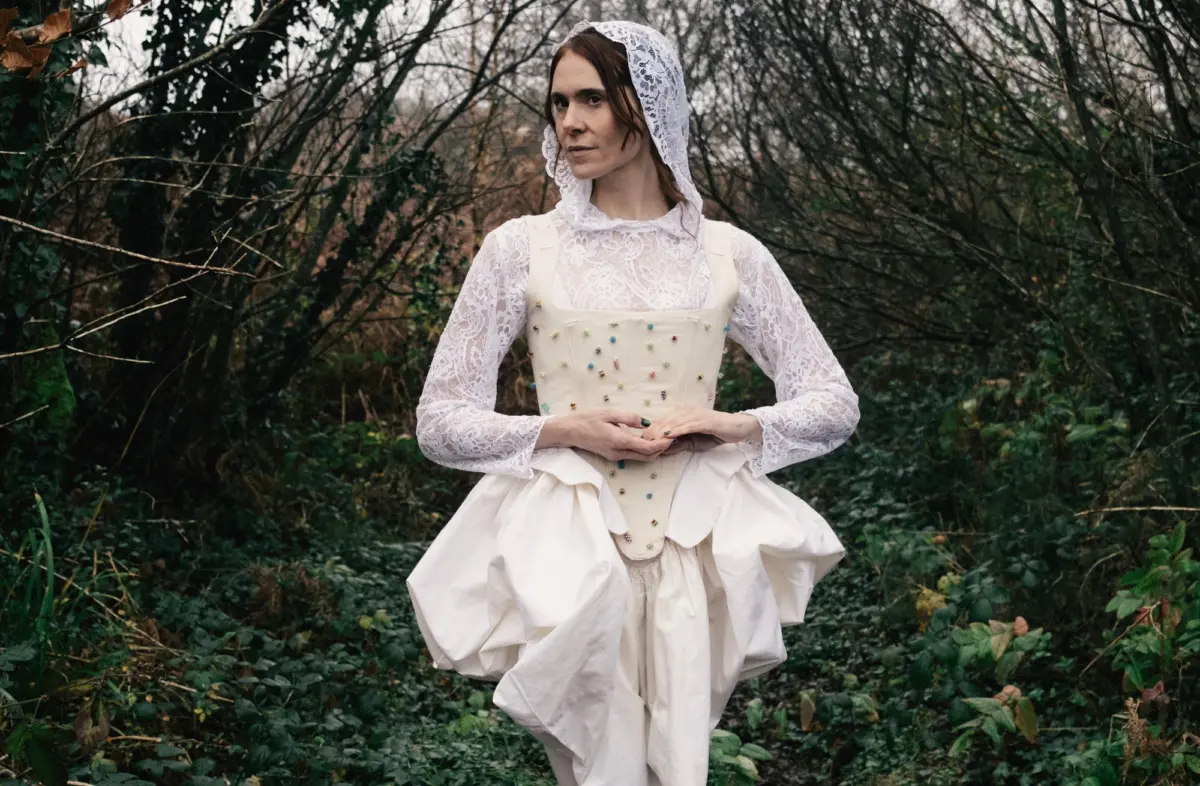
After more than a decade of meticulous incubation, artistic evolution, and deep-seated introspection, acclaimed singer-songwriter Kate Nash is finally ready to unveil her most ambitious and profoundly personal body of work to date: Cailín. Spanning an impressive eleven-year gestation period, the upcoming album represents a seismic shift for the artist, moving away from the metropolitan indie-pop structures that initially catapulted her to international stardom and instead anchoring itself firmly in the rugged, storied landscapes of the West Coast of Ireland.
Recorded at Stiúideo Cuan in collaboration with celebrated traditional Irish musician Charlie Lennon and produced by KoOoLkOjAk, Cailín is much more than a collection of songs; it is a cultural reclamation. The project sees Nash deeply honoring her Irish heritage, utilizing the rich tapestry of Irish folklore, mythology, and traditional instrumentation to interrogate sprawling, heavy themes. Across the record’s twelve tracks, Nash tackles systemic inequality, colonialism, religion, generational trauma, family, forgiveness, and the heavy burden of internalized shame.
At the vanguard of this release stands the blistering lead single, "Spilt Milk"—a track originally championed by Huw Stephens on BBC 6 Music. Written in direct response to the historical draconian abortion laws in Ireland prior to the repeal of the Eighth Amendment in 2018, the song has taken on a renewed, chilling relevance in the wake of global rollbacks on reproductive freedoms, including the overturning of Roe v. Wade in the United States.
With an extensive touring schedule already underway—following triumphant, sold-out performances at London’s prestigious Roundhouse, the Fleadh, and the Galway International Arts Festival—Nash is preparing to bring the world of Cailín to stages across the UK and Ireland, starting with Other Voices Derry, followed by a comprehensive Irish tour in February. As Cailín prepares to enter the global musical ecosystem, it stands as a testament to artistic patience, political fearlessness, and the enduring power of cultural roots.
Detailed Chronology: The Eleven-Year Genesis of ‘Cailín’
The story of Cailín cannot be understood overnight; it is a narrative defined by patience, geography, and a profound personal transformation. Conceptualized over eleven years ago, the album’s creation was a deliberate, unhurried process that mirrored Nash’s own evolving relationship with her identity, her craft, and her familial roots.
The early seeds of the project were sown deep in the consciousness of Nash, whose earliest musical memories are intrinsically tied to the island of Ireland. Reflecting on her formative experiences, Nash recalls the sensory overload of traditional spaces: "All my earliest musical memories were in Ireland: live music in the pub, going to Sharon Shannon gigs, seeing the best accordion player you’ve ever seen and it’s a bored-looking eight-year-old boy in a puffer jacket," she shares. This exposure instilled in her a lifelong reverence for the trade. "There’s a natural respect for musicians as it’s embedded into the fabric of everyday life."
Rather than rushing to capture these sentiments in a sterile metropolitan studio, Nash sought authenticity by traveling to the source. The bulk of Cailín was recorded on the rugged, Atlantic-battered West Coast of Ireland at Stiúideo Cuan. Here, working alongside master trad musician Charlie Lennon, Nash immersed herself in an environment where music is treated not merely as a commodity, but as a living, breathing community tradition.
To achieve the organic, vibrant atmosphere of an impromptu pub session—where melodies spill over pints and instruments are picked up on a whim—Nash surrounded herself with an elite roster of contemporary traditional musicians. The recording sessions featured stellar contributions from Niamh Dunne, Lottie Cullen, Aimée Farrell Courtney, and Lisa Canny of Biird. Together, this ensemble wove a rich sonic tapestry utilizing traditional instruments including fiddles, flutes, the bodhrán, harp, and banjo. For Nash, this collaboration also marked a deeply personal instrumental return: she herself plays the tin whistle on the record, marking a poignant full-circle moment as it was the very first instrument she ever learned to play.
Under the guidance of producer KoOoLkOjAk, these organic, acoustic textures were carefully balanced with modern production sensibilities, ensuring that an eleven-year journey resulted in a timeless piece of art that respects history while speaking directly to the modern listener.
Supporting Context & Metrics: Themes, Tracklist, and Sociopolitical Resonance
The Anatomy of Protest: "Spilt Milk" and Modern Reproductive Rights
While Cailín is steeped in historical mythology and familial reflection, it refuses to exist in a vacuum of nostalgia. Its beating political heart is located squarely within its lead single, "Spilt Milk," a track whose journey from conception to release mirrors the ongoing global struggle for bodily autonomy.
When Nash initially penned the track, her focus was local and urgent: the draconian, constitutional restrictions governing reproductive rights in Ireland prior to the historic repeal of the Eighth Amendment in 2018. "Spilt Milk was initially written about abortion law in Ireland before they repealed the 8th," Nash explains. The lyrics channeled a visceral sense of helplessness—"about not having control over your own body, not being listened to and feeling like the powers that be are getting bigger, scarier and more crushing."

However, history’s tragic cyclical nature ensured that the song’s message would transcend its original geographic and temporal boundaries. With the subsequent overturning of Roe v. Wade in the United States and a cascading series of legislative rollbacks targeting women’s sexual health and minority rights globally, "Spilt Milk" mutated from a localized protest song into a universal anthem of resistance. "With the overturning of Roe v Wade and women’s sexual health rights being rolled back in the US this song feels pertinent to today," Nash notes. By premiering the track via Huw Stephens on BBC 6 Music, Nash signaled to the world that Cailín would not shy away from confronting uncomfortable, urgent sociopolitical truths.
Folklore, Shame, and the Irish Identity
Beyond political protest, Cailín serves as an exhaustive psycho-analysis of identity. The album’s very title sets the tone, drawing on the Irish word for "girl" or "young woman," but subverting traditional connotations through modern feminist lenses. Nash uses the album to unpack the complex psychological architecture of growing up with an Irish background outside of Ireland, dealing head-on with themes of colonialism, generational trauma, religious oppression, and internalised shame.
These themes are heavily reinforced by direct references to Irish folklore, mythology, and historical figures. Tracks such as "Famine," "Irish Saints," and "Lady Gregory" ground the contemporary emotional struggles of the record in the rich soil of Irish history and literary tradition. Meanwhile, songs like "Póg Mo Thóin" inject a dose of signature defiance and dark humor into the tracklist, balancing the record’s heavier philosophical inquiries with spirited agency.
The Official Cailín Tracklist
The sequencing of the album offers a narrative journey through memory, trauma, resistance, and eventual reclamation:
- "I Guess I Never Learnt A Thing"
- "Cailín"
- "Freedom of Me"
- "Famine"
- "Spilt Milk"
- "Wild Atlantic Way"
- "Crying"
- "Irish Saints"
- "Póg Mo Thóin"
- "Lady Gregory"
- "Pay Up"
- "Christmas Eve"
Official Statements and Industry Reception
The rollout of Cailín has been met with widespread critical acclaim and fervent anticipation from both the indie-music community and traditional folk purists alike. Industry insiders have praised Nash for taking a notoriously risky career pivot—moving away from straightforward pop hooks toward acoustic, traditional-infused storytelling—and executing it with uncompromised artistic integrity.
Speaking on the collaborative nature of the project, Nash has consistently emphasized the generosity and openness of the Irish traditional music community. Integrating into the inner circles of West Coast traditional sessions required humility and a deep respect for a musical lineage that predates the commercial music industry by centuries. By collaborating shoulder-to-shoulder with legends like Charlie Lennon and contemporary virtuosos like Lisa Canny and Niamh Dunne, Nash earned her place within a sacred lineage.
Critics reviewing early live showcases of material from Cailín—notably her rapturously received, sold-out performance at the London Roundhouse, as well as standout sets at the Fleadh and the Galway International Arts Festival—have noted a profound maturation in Nash’s stage presence. No longer relying solely on the explosive, youthful energy of her early records, she commands the stage with the gravitas of a seasoned folk storyteller, seamlessly transitioning between vocal vulnerability and fierce political commentary.
Future Outlook: Live Performances and Touring Schedule
As the release of Cailín approaches, Kate Nash’s immediate future is defined by an intensive, high-profile live itinerary designed to bring the record’s complex arrangements and intimate storytelling directly to the stage.
Having already established momentum with landmark festival appearances and her triumphant sold-out show at London’s Roundhouse, Nash is keeping her foot firmly on the gas pedal. The live interpretation of Cailín promises to be a dynamic affair, requiring a touring lineup capable of translating the intricate instrumentation of fiddles, flutes, bodhráns, harps, and tin whistles from the recording studios of Stiúideo Cuan to live concert halls.
Nash’s upcoming live engagements include:
- Other Voices Derry: Performances scheduled for September 25 and 26, offering an intimate and culturally resonant platform perfectly suited to the album’s thematic weight.
- Irish National Tour: A comprehensive tour spanning major and regional venues across Ireland slated for February, allowing Nash to present Cailín to the very communities and landscapes that inspired its creation over the past eleven years.
Ultimately, Cailín represents a career-defining moment for Kate Nash. By looking backward into her heritage, forward into the political struggles of the modern era, and inward into her own emotional landscape, she has delivered an enduring masterwork. As fans and critics alike unpack the twelve tracks of Cailín, it is clear that Nash’s eleven-year wait was not merely an exercise in time, but the necessary gestation period for a modern classic of folk-infused alt-pop.