
Executive Overview
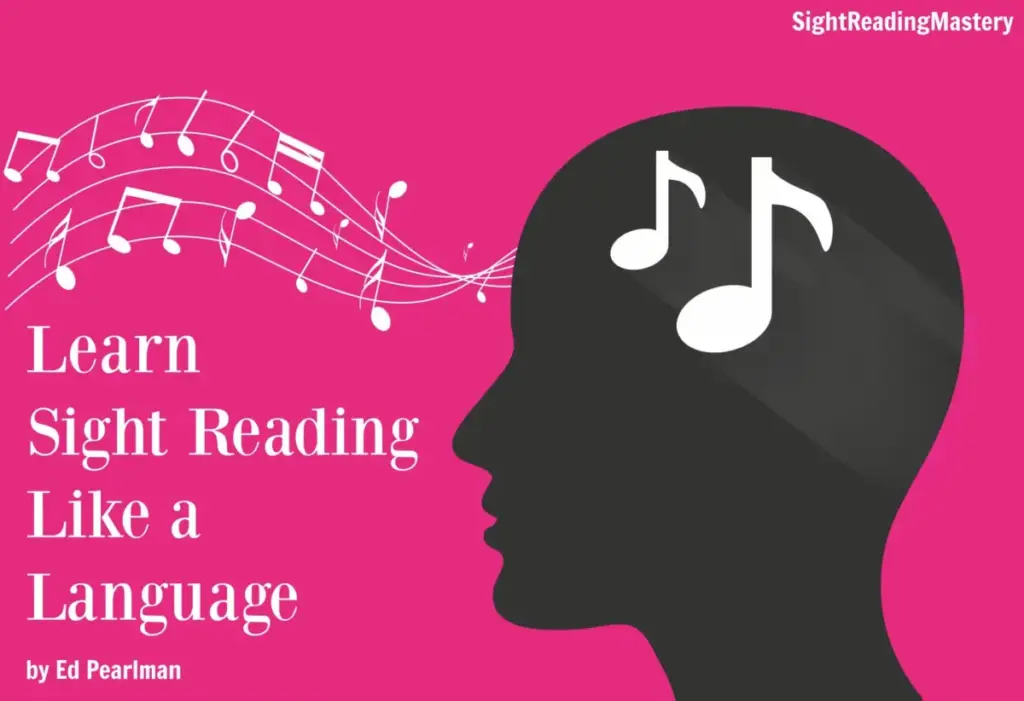
For centuries, the foundational barrier to musical fluency has remained stubbornly consistent: the cognitive friction between seeing a graphical representation of a pitch on a musical staff and translating that visual stimulus into a physical action on an instrument. This process—known universally as note recognition—is the bedrock upon which all sight-reading proficiency is built. Even for advanced instrumentalists and vocalists, the speed, accuracy, and reflex-like execution of note identification dictate the upper limits of musical literacy.
Recognizing a profound gap in the digital pedagogy landscape, musician, educator, and software engineer Evan R. Murphy launched a specialized, free online training utility designed to isolate and conquer this exact cognitive bottleneck. Originally deployed to the public on May 1, 2015, under the banner of SightReadingMastery, the Note Recognition App was engineered to bring rapid-fire, gamified precision training to musicians of all skill levels.
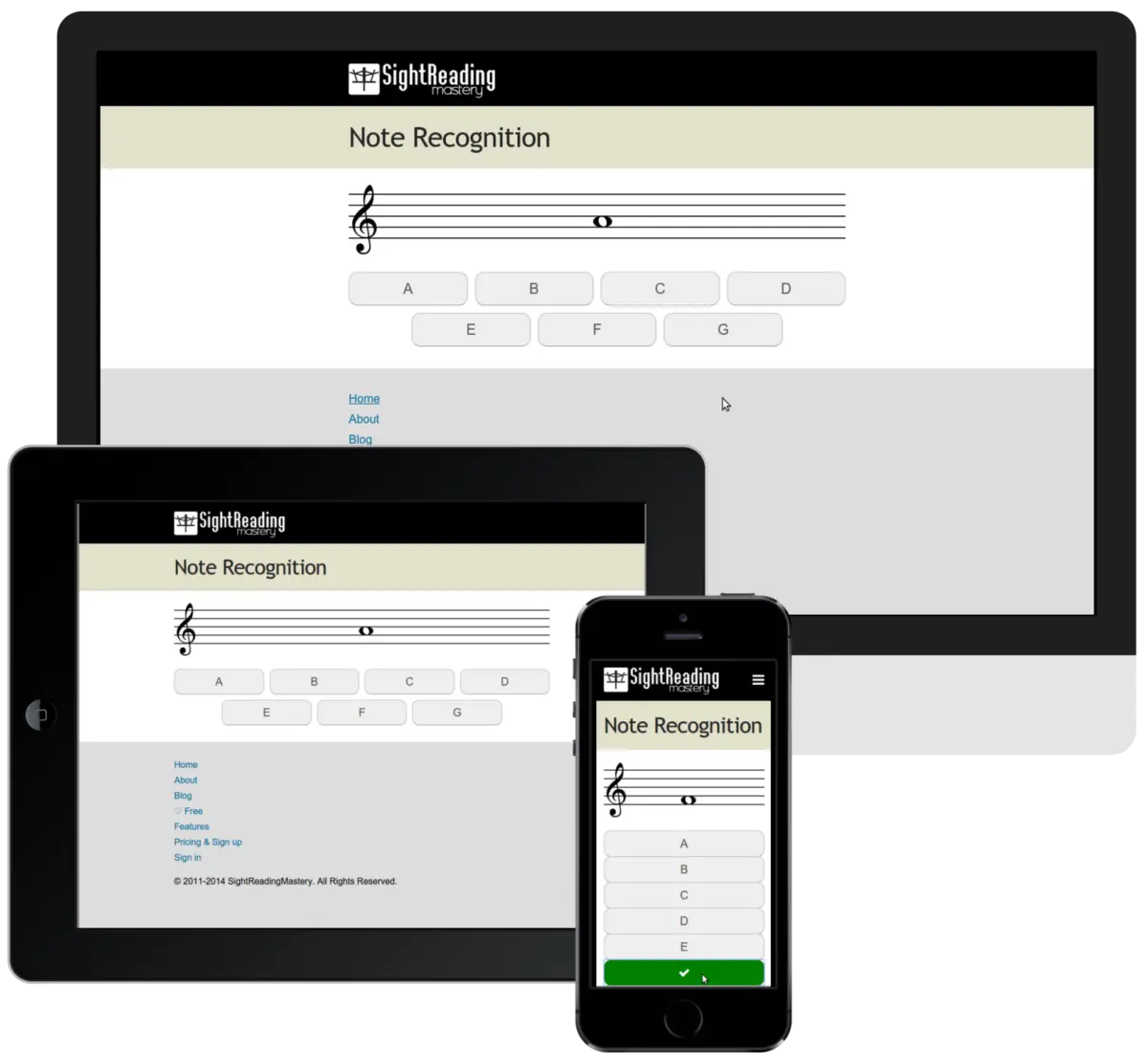
What began as a streamlined, highly focused web utility with restricted parameters has since evolved—through critical updates in September 2018—into a comprehensive, multi-clef training ecosystem. Accessible across smartphones, tablets, and desktop workstations, the platform strips away the friction of traditional flashcards and workbook drills. By offering a responsive, cross-device interface, the app allows musicians to turn idle moments into high-yield cognitive reps. This article explores the genesis of the tool, its pedagogical underpinnings, the technical evolution that expanded its capabilities to encompass both treble and bass clefs alongside ledger lines, and its enduring impact on contemporary music education.
Detailed Chronology: From Concept to Multi-Clef Ecosystem
The journey of the SightReadingMastery Note Recognition App is a case study in iterative software development guided by real-world pedagogical feedback. To fully understand the utility’s current state, one must trace its historical milestones, architectural expansions, and the vision of its creator.
The Genesis: May 1, 2015
When Evan R. Murphy—operating out of Seattle, Washington—first pushed the Note Recognition App live on May 1, 2015, the digital landscape for music education was heavily fractured. While desktop software for ear training and music theory existed, web-based tools that focused purely on lightning-fast sight-reading mechanics were either clunky, locked behind paywalls, or poorly optimized for mobile screens.
Murphy, drawing from his dual background as a professional software engineer and a seasoned music educator, identified that students consistently stumbled not because they lacked a theoretical understanding of music, but because their visual processing speed on the staff was too slow. The initial release of the app was designed to solve this singular problem with radical simplicity: present a note on a staff and require instant identification.
However, software development is rarely a static endeavor. At its launch, the application carried specific, acknowledged limitations. To ship a stable, high-performance product, initial development was constrained. As Murphy noted in the platform’s early documentation:
"There is no support yet for bass clef (only treble) or ledger lines."
While limiting the MVP (Minimum Viable Product) to the treble clef allowed for rapid user testing and architectural stability, it restricted the tool primarily to high-pitched instruments (such as the flute, violin, and right-hand piano parts) and soprano/treble vocalists. Cellists, bassists, trombonists, and pianists operating in the lower register had to bide their time.
The Crucible of User Feedback and the 2018 Overhauls
For over three years, the treble-clef-only iteration of the app served as a reliable entry point for musicians seeking to sharpen their upper-register reading speeds. Yet, the pedagogical demand for a truly comprehensive staff-reading tool was immense.
In September 2018, SightReadingMastery rolled out a series of foundational updates that transformed the utility from a niche treble trainer into an all-encompassing staff-reading engine.
- September 14, 2018: A major system patch introduced preliminary testing for expanded clef integration, laying the groundwork for low-register reading support.
- September 23, 2018: The definitive update went live, officially obliterating the app’s original technical boundaries.
The update announcement carried a simple yet transformative declaration:
“Update: Treble clef, bass clef and ledger lines are all now supported!”
This milestone represented a massive leap forward. By integrating the bass clef, the app suddenly became invaluable to pianists reading grand-staff literature, string players navigating the lower registers, and low brass/woodwind instrumentalists. Furthermore, the inclusion of ledger lines solved one of the most notoriously difficult hurdles in intermediate and advanced sight-reading: interpreting notes that float far above or below the standard five-line staff, where spatial orientation breaks down and mental counting of invisible lines becomes necessary.
Supporting Context & Metrics: The Science of Sight Reading
To appreciate the necessity of dedicated note-recognition software, one must examine the cognitive mechanics of sight-reading. Sight-reading is not merely reading music slowly; it is the instantaneous synthesis of visual pattern recognition, motor planning, and auditory imagination performed in real-time.
The Cognitive Bottleneck: Working Memory vs. Long-Term Retrieval
When a novice or intermediate musician looks at a musical score, their brain undergoes a multi-step triage process:
- Visual Encoding: Identifying the position of the notehead relative to the lines and spaces of the staff.
- Symbol Decoding: Processing contextual markers such as clef signs, key signatures, and accidental symbols.
- Retrieval: Accessing the musical alphabet (A through G) associated with that spatial coordinate.
- Motor Execution: Translating that letter name into a physical keystroke, valve depression, finger placement, or vocal pitch.
In struggling sight-readers, this process is bottlenecked at steps 1 through 3. Because the brain must consciously calculate the note ("Every Good Boy Does Fine… wait, that’s a G on the second line"), the cognitive load consumes working memory. Consequently, the musician falls behind the rhythmic pulse of the music.
Expert sight-readers, by contrast, bypass conscious calculation entirely. Through thousands of hours of high-speed pattern recognition, note identification becomes a chunked, automatic reflex—much like reading words on a page without spelling out individual letters. The SightReadingMastery Note Recognition App was built specifically to accelerate this chunking process. By forcing the brain to repeatedly identify notes under time constraints, the app helps forge strong neural pathways, shifting note recognition from conscious, effortful processing in the prefrontal cortex to fast, unconscious retrieval in the basal ganglia.
Cross-Platform Accessibility Metrics
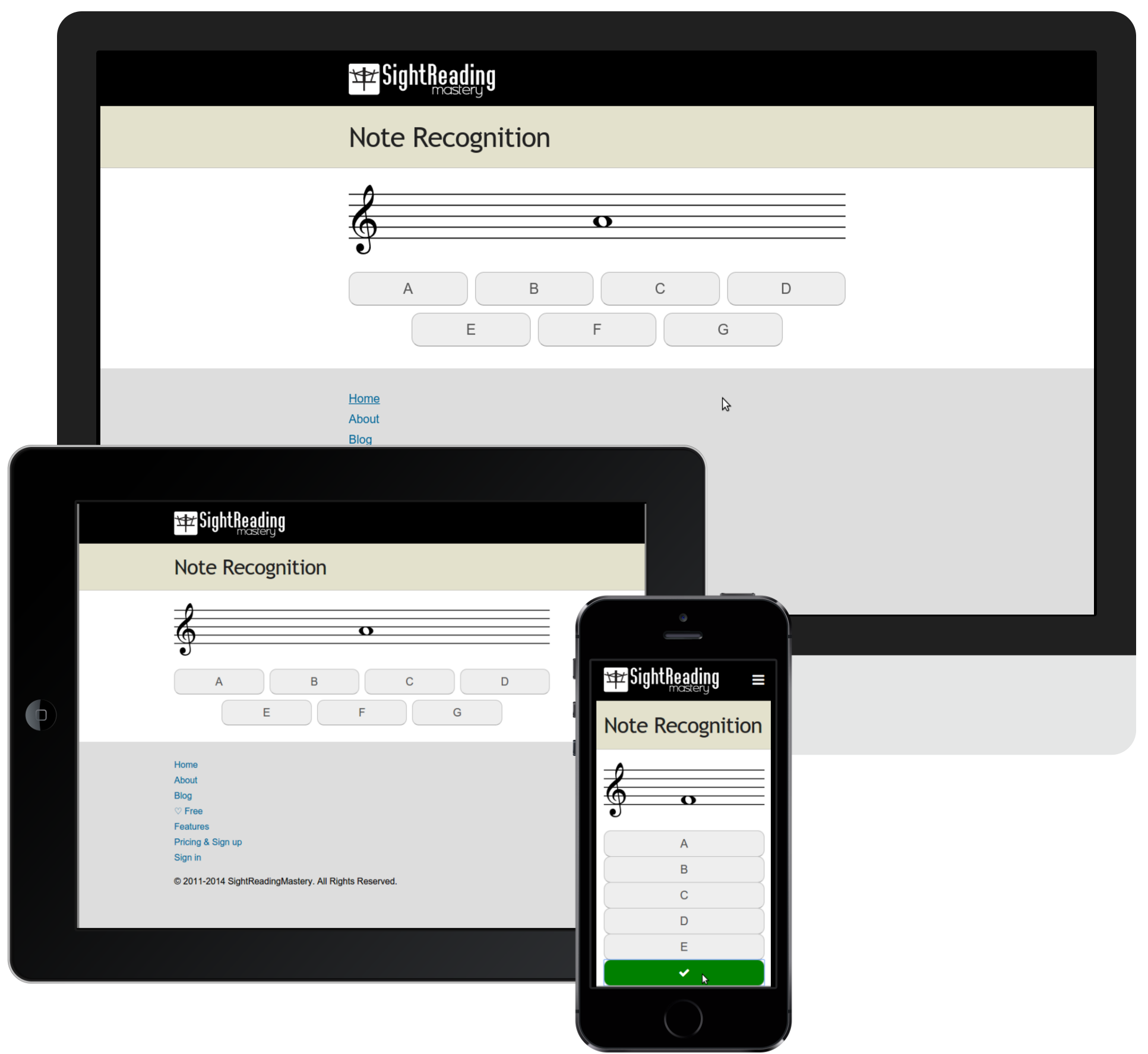
In the modern educational technology sector, accessibility dictates utility. A practice tool that requires a desktop computer tethered to a specific room will inevitably suffer from low user retention. Recognizing this, Murphy engineered the Note Recognition App with a mobile-first, responsive design philosophy.
The application functions seamlessly across:
- Smartphones (iOS and Android): Allowing users to practice during commutes, between classes, or backstage before a performance.
- Tablets (iPads and Android tablets): Offering a screen real estate that closely mirrors the physical proportions of sheet music, making it an ideal companion for piano bench practice.
- Full-Size Computers (Mac and PC workstations): Providing a robust desktop environment for structured, distraction-free practice sessions.
This device agnosticism ensures that musicians face zero friction when integrating the tool into their daily routines. Micro-learning—engaging in short, 5-to-10-minute bursts of intensive practice multiple times a day—has been repeatedly shown by cognitive psychologists to yield superior retention rates compared to marathon weekend study sessions. The app’s cross-platform nature actively encourages this high-frequency, low-duration pedagogical model.
Official Perspectives: The Philosophy of Evan R. Murphy
To understand the ethos behind the tool, one must examine the background and philosophy of its creator, Evan R. Murphy. Based in Seattle, Washington, where he lives with his wife Rebecca, Murphy occupies a rare professional intersection: he is simultaneously a trained musician, an active music teacher, and a skilled software engineer.
Bridging Art and Engineering
Most educational software falls into one of two traps: it is designed by software engineers who understand codebases but lack pedagogical empathy, or it is designed by traditional music educators who view software as a digital chalkboard rather than an interactive medium.
Murphy’s unique trajectory allowed him to bypass these pitfalls. Having experienced firsthand the frustrations of students struggling with fluid music literacy, he founded SightReadingMastery in 2011 with a singular mission: to demystify sight-reading and provide actionable, systematic resources to musicians who felt left behind by traditional, hit-or-miss pedagogy.

In various pedagogical essays and platform statements, Murphy has frequently emphasized that sight-reading is not an innate "talent" granted only to the musical elite, but a learned mechanical skill governed by the same principles of deliberate practice that apply to athletics or foreign language acquisition.
"Realizing how important sight reading is to unlocking opportunities in music," Murphy has noted regarding his motivation for launching the platform, "I started SightReadingMastery in 2011 to help musicians develop this valuable skill."
This philosophy permeates the Note Recognition App. By isolating the most fundamental component of sight-reading—identifying notes on a staff—and stripping away extraneous distractions, the app embodies Murphy’s belief that mastering the fundamentals is the only true pathway to advanced musical expression. When a musician no longer has to pause to figure out where middle C is, their mind is free to focus on phrasing, dynamics, emotional delivery, and ensemble blending.
Future Outlook: The Ongoing Evolution of Digital Music Pedagogy
As we look toward the future of music education, tools like the SightReadingMastery Note Recognition App represent a permanent shift in how foundational skills are acquired. The era of relying exclusively on static flashcards and pencil-and-paper workbook drills is rapidly giving way to dynamic, data-driven, interactive digital environments.
The Integration of Gamification and Adaptive Learning
While the core functionality of the app focuses on clean, distraction-free note identification, the broader ecosystem of digital music tools is moving toward advanced adaptive learning algorithms. Future iterations of note-recognition software are increasingly poised to leverage real-time analytics—tracking user hesitation times, identifying specific "blind spots" (such as persistent confusion between high ledger line notes in bass clef versus low ledger line notes in treble clef), and automatically adjusting the difficulty curve to target those weaknesses.
Furthermore, as web-audio APIs and microphone integration become more sophisticated, the next frontier for platforms like SightReadingMastery lies in acoustic input integration. Rather than relying solely on screen taps or keyboard inputs, future web apps will listen directly to the user’s acoustic or digital instrument via microphone or MIDI connection. When a musician plays a physical piano key, blows into a flute, or sings the correct pitch into a smartphone mic, the app will instantly register the correctness of the response, bridging the gap between visual reading and physical execution.
The Enduring Relevance of Foundational Mastery
Despite rapid technological advancements in AI-generated sheet music, automated accompaniment software, and digital score-playback tools, the human element of musical literacy remains irreplaceable. A musician who cannot read fluently is forever tethered to rote memorization, audio replication, or slow, laborious decryption of notation.
By removing the friction from note recognition, the SightReadingMastery tool empowers musicians to reclaim autonomy over their learning. Whether a young student just beginning to navigate the treble and bass clefs or an advanced professional looking to maintain razor-sharp reflex speeds, users of the platform benefit from a tool born out of genuine pedagogical need and refined through rigorous, user-focused engineering.
Conclusion and Call to Action
The evolution of the Note Recognition App—from a restricted treble-clef utility in May 2015 to a robust, multi-clef, ledger-line-inclusive training platform today—stands as a testament to the power of iterative, student-centered educational software. Evan R. Murphy’s creation remains an essential bookmark in the digital toolkit of any serious musician.
For those committed to elevating their sight-reading proficiency, eliminating cognitive hesitation, and unlocking a deeper, more fluid relationship with the musical score, the tool remains freely accessible. Musicians can test their skills, track their progress, and integrate high-frequency note training into their daily routines by visiting the official portal at sightreadingmastery.com/note-recognition.