
Executive Overview
In an era defined by compounding ecological distress—where the impacts of global climate change, accelerating biodiversity loss, and unprecedented wildfire seasons are felt with increasing frequency—the intersection of art and environmental activism has never been more urgent. Artists across mediums are increasingly grappling with how their creative output can serve not merely as a reflection of the human condition, but as an active vehicle for ecological restoration and social mobilization.
Singer-songwriter Josephine Illingworth has stepped to the forefront of this vital movement with the release of her poignant new single. Serving as a direct follow-up to her widely praised seven-song EP, Bright Things I Found In The Dark, released earlier this year, this latest musical offering is much more than a standard promotional release. It is a deeply personal sonic journey, a socio-political lament for a burning planet, and a material commitment to ecological preservation.
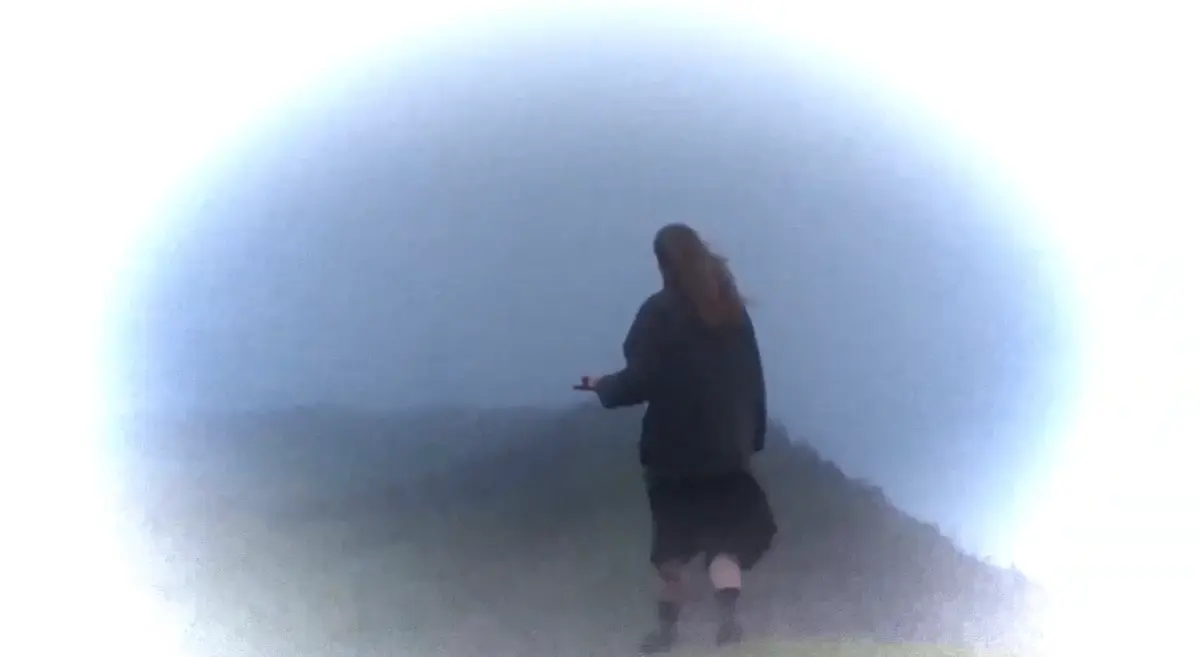
The newly released single is paired with an evocative, atmospheric music video filmed amidst the frost-kissed, windswept hills of Shropshire during the depths of last winter. Visually striking and emotionally resonant, the video mirrors the stark, untamed beauty captured within the song’s intricate arrangements. However, the true heartbeat of the release lies not only in its artistic craftsmanship, but in its uncompromising philanthropic structure: Illingworth has pledged that an extraordinary 50% of all royalties generated by the single will be donated directly to support frontline nature conservation programs across the globe.
This bold financial commitment is realized through a strategic partnership with EarthPercent, the pioneering music industry climate foundation co-founded by legendary musician Brian Eno. EarthPercent operates on an innovative model that positions nature itself as an official artist, streamlining the process by which musicians can redirect a percentage of their earnings toward vetted environmental organizations tackling the climate and nature crises. By joining forces with EarthPercent—standing shoulder-to-shoulder with over 300 renowned musical acts including Dry Cleaning, Imogen Heap, Death Cab for Cutie, Jarvis Cocker, The Weather Station, and Modern Woman—Illingworth is helping to redefine what it means to be a socially conscious recording artist in the twenty-first century.
This comprehensive report examines the genesis of Illingworth’s new single, tracing its origins from the high-altitude valleys of the Himalayas to the recording studios of the UK. It explores the mechanics of her collaboration with EarthPercent, analyzes the broader ecosystem of eco-centric music philanthropy, and contextualizes the release within a growing wave of artistic resistance against systemic environmental degradation.
Detailed Chronology: From Himalayan Sanctuaries to the Shropshire Hills
The Seeds of Inspiration: High-Altitude Encounters
The conceptual journey of Josephine Illingworth’s latest musical endeavor began years before a single note was recorded or a microphone was powered on. In a detailed and deeply reflective newsletter sent out to her growing fanbase to announce the release, Illingworth pulled back the curtain on the profound travel experiences that catalyzed the project. Her narrative centers on time spent traveling through the rugged, majestic landscapes of the Himalayas—a region where human existence and the natural world exist in a delicate, humbling balance.
During her time in the mountain range, Illingworth lived alongside and stayed with local families whose ways of life fundamentally altered her perspective on geography, community, and ecology. Rather than viewing the landscape as a passive backdrop or a resource to be managed, these communities instilled in her a view of the natural world as "fundamentally alive."
This animistic, deeply interconnected worldview left an indelible mark on the songwriter. In the track, Illingworth weaves an audio tapestry that explicitly honors these encounters, featuring a direct interpolation of field recordings captured of the Himalayan women she stayed with. For Illingworth, the song became a vessel for those transformative memories—an auditory exploration of finding genuine sanctuary within wild spaces and discovering a profound sense of home where the modern, industrialized world fades away.
Grief, Rage, and the Summer of Fire
Yet, the narrative arc of the single is far from a simplistic pastoral daydream. Illingworth has been remarkably candid about the darker, more combative emotional currents that pulse through the composition. The tranquility of its Himalayan roots sharply contrasts with the visceral pain of contemporary ecological loss.
In her newsletter, Illingworth described the track as "an angry song, a lament, in a way, for the places that have been lost this summer in the wildfires, and more widely the places that have been lost systematically over many years." This dual nature—celebrating the sublime refuge of the wild while mourning its systemic destruction—gives the song its unique emotional weight. It captures the psychological toll of eco-grief: the simultaneous love for an earth worth saving and the white-hot fury directed at the political, economic, and industrial systems driving its collapse.
The Visual Translation: Winter in Shropshire
To translate these towering emotional themes into a visual medium, Illingworth retreated to the sweeping, undulating hills of Shropshire. Shot during the bleak, biting cold of the previous winter, the accompanying music video avoids high-concept artifice in favor of stark, elemental realism.
The sparse winter landscape of Shropshire—stripped of summer foliage, characterized by frost-laden grasses, grey skies, and ancient stone walls—provides a visceral physical analog to the song’s themes of resilience, exposure, and loss. By filming in the British countryside rather than a polished studio set, the production grounds the song’s global environmental concerns in a hyper-local, tangible reality, reminding viewers that the fight for ecological preservation is not distant or abstract; it is happening right outside our doors.
Supporting Context & Metrics: The Architecture of EarthPercent
Redefining the Industry Model: What Is EarthPercent?
To fully appreciate the significance of Josephine Illingworth’s 50% royalty pledge, one must examine the institutional framework that makes such targeted philanthropy possible. EarthPercent was founded with a singular, radical vision: to harness the immense cultural and financial power of the global music industry and direct it toward the preservation and restoration of the natural world.
Operating as a registered charity and climate foundation, EarthPercent bypasses traditional, often sluggish bureaucratic channels by positioning Nature as an official artist. This conceptual shift allows royalties to be attributed, collected, and distributed with the specific intent of healing ecosystems. The foundation acts as an intermediary, channeling funds raised through the music community directly to a rigorously vetted portfolio of grassroots organizations, Indigenous land defenders, policy advocates, and habitat restoration projects.
The Mechanics of Giving
EarthPercent recognizes that artists generate income through a wide variety of streams, and its funding model is designed to be as flexible as possible. Participating musicians can choose to donate a percentage of their earnings derived from:
- Streaming Platforms: A micro-percentage of every play on services like Spotify, Apple Music, and Bandcamp.
- Live Performance: A fraction of ticket sales or touring revenues.
- Merchandise: A cut of physical and digital merch sales.
- Bespoke Projects: One-off single releases, remix packages, or exclusive crowdfunding initiatives—the exact category into which Illingworth’s latest release falls.
A Growing Movement: The Roster and the Impact
Since its inception, EarthPercent has successfully mobilized a significant cross-section of the independent and alternative music communities. More than 300 artists have formally partnered with the foundation, creating a powerful collective voice that normalizes environmental philanthropy within the creative arts.
Among the notable names lending their platforms to EarthPercent are:
- Dry Cleaning: The acclaimed British post-punk outfit known for their wry, spoken-word lyricism and sharp social observations.
- Imogen Heap: The Grammy-winning electronic artist, innovator, and producer.
- Death Cab for Cutie: The veteran indie rock institution that has long championed progressive political and environmental causes.
- Jarvis Cocker: The iconic Pulp frontman and cultural critic.
- The Weather Station: The critically lauded project of Tamara Lindeman, whose music frequently addresses climate anxiety and ecological collapse.
- Modern Woman: The rising experimental art-rock band.
The collective impact of these 300+ artists is far from nominal. To date, EarthPercent has successfully granted $2.5 million to organizations meaningfully addressing the climate and nature crises. These funds have supported frontline community defenses, rewilding initiatives, legal challenges against corporate polluters, and educational programs designed to foster a more sustainable relationship between humanity and the biosphere.
Official Statements & Industry Analysis
The Voice of the Artist: Articulating Eco-Grief
The release of Illingworth’s single arrives at a critical juncture in cultural discourse surrounding climate change. For decades, environmental messaging in music was frequently relegated to the domain of earnest, overtly political folk songs or stadium-sized benefit concerts. However, contemporary artists are increasingly discovering that eco-grief cannot be neatly compartmentalized; it permeates personal relationships, psychological well-being, and creative inspiration.
By intertwining the sacred memory of Himalayan hospitality with the horrifying imagery of summer wildfires, Illingworth’s commentary highlights a growing consensus among artists: that creating art in the Anthropocene inherently requires bearing witness to loss.
Industry analysts have noted that the decision to donate 50% of royalties—rather than a nominal flat fee or a one-time percentage of profits—represents a profound financial sacrifice for an independent artist navigating the notoriously precarious modern music economy. It signals to listeners and industry stakeholders alike that Illingworth views her music not merely as a commercial commodity, but as a public trust and a tool for planetary survival.
The Institutional Perspective: EarthPercent’s Strategy
EarthPercent’s leadership has consistently emphasized that the music industry bears a dual responsibility when it comes to climate change. On one hand, the industry itself has a substantial physical footprint—driven by massive international tours, heavy merchandise production, and energy-intensive digital infrastructures. On the other hand, the industry possesses a peerless cultural asset: the ability to shift public consciousness and inspire emotional investment in abstract scientific realities.
By bridging the gap between creative output and institutional grant-making, EarthPercent provides a plug-and-play solution for artists who feel overwhelmed by the scale of the climate crisis and unsure of how their individual actions can effect meaningful change. The foundation’s rigorous vetting process ensures that every dollar donated by artists like Illingworth is directed to organizations that demonstrate high impact, transparency, and a commitment to systemic, long-term ecological healing.
Future Outlook: The Intersection of Sound and Sustainability
The Ripple Effect: Can Eco-Music Scale?
As the impacts of ecological destabilization accelerate globally, the cultural landscape is undergoing a silent but seismic shift. The success of initiatives like EarthPercent and the willingness of independent artists like Josephine Illingworth to dedicate half of their incoming revenue to conservation raise critical questions about the future of cultural production.
Will eco-philanthropy become an industry standard rather than an exception? As younger generations of music consumers increasingly demand transparency, ethical alignment, and genuine social responsibility from the creators they support, commercial pressures may soon align with moral imperatives. Artists who ignore the ecological crisis risk appearing detached from the existential realities of their audience base.
What Lies Ahead for Illingworth
Following the widespread critical acclaim of Bright Things I Found In The Dark and the high-profile rollout of this new conservation-focused single, Josephine Illingworth has firmly established herself as a vital voice in modern independent music. Her ability to synthesize personal travel memoirs, political outrage, and sonic innovation into cohesive, compelling art marks her as an artist of rare depth.
While details regarding a full-length follow-up album remain under wraps, the groundwork laid by this latest single suggests a continued commitment to exploring the complex relationships between humanity, memory, and the natural world. Furthermore, by embedding herself within the growing EarthPercent network, Illingworth has ensured that her creative output will continue to generate tangible, real-world benefits long after the final notes of the Shropshire music video fade from view.
Conclusion
In a cultural moment saturated with fleeting content and superficial engagement, Josephine Illingworth’s latest release stands as a powerful counter-narrative. It reminds us that music can still be a sanctuary, a weapon against apathy, and a catalyst for healing. By funneling 50% of her royalties into global conservation programs, Illingworth has demonstrated that the distance between creative expression and environmental stewardship can—and must—be bridged. Through the collaborative power of artists, fans, and foundations like EarthPercent, the soundtrack to our changing world may yet help save it.