
Executive Overview
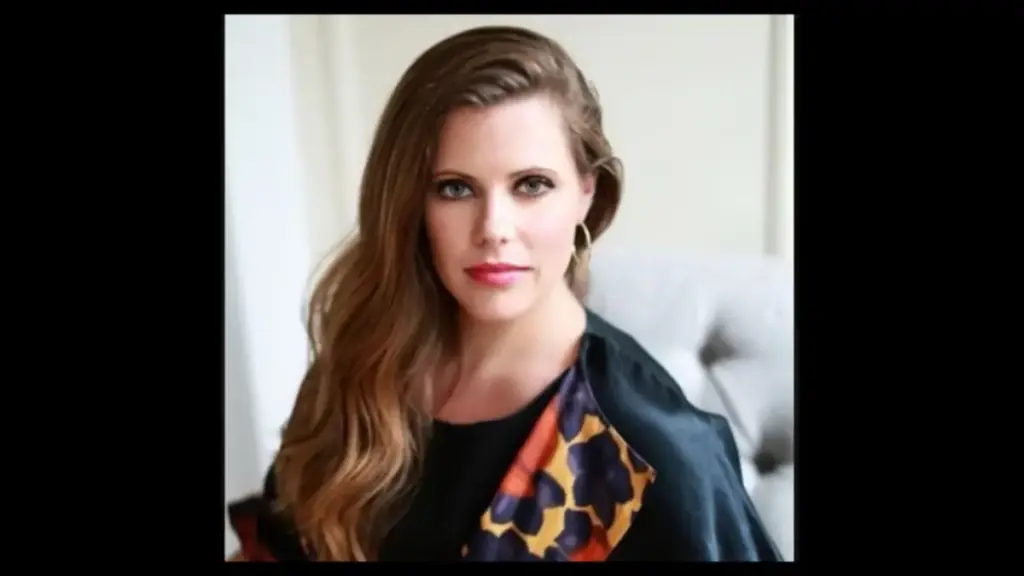
For over two decades, Norwegian singer, songwriter, and producer Ane Brun has carved out a fiercely independent path through the modern musical landscape. Operating largely under her own label, she has cultivated an aesthetic defined by emotional transparency, intricate acoustic arrangements, and a voice capable of cutting through the densest sonic fog. Yet, for her first collection of entirely newly written material since 2020, Brun has chosen to pivot. Her forthcoming full-length album, I Thought We Were the Same, is not merely a continuation of her celebrated discography; it is a calculated expansion of her sonic vocabulary, marrying her signature lyrical introspection with a newly burnished, pop-forward sensibility.
At its core, the album investigates the fragile machinery of human relationships. Rather than serving as a conventional post-mortem on a single failed romance, I Thought We Were the Same tackles the grander, more unsettling architecture of trust, identity, and ultimate betrayal. It explores the psychological phenomenon of how people closest to us can, over time or in an instant, dissolve into strangers. Across eleven carefully curated tracks, Brun navigates the paradox at the heart of human connection: why do we continue to risk absolute vulnerability, knowing full well that trust can be fractured at any given moment?
This thematic weight is matched by an ambitious sonic evolution. Working alongside a formidable roster of contemporary Scandinavian talent—including Röyksopp, Emilie Nicolas, and ARY—Brun has intentionally leaned into clearer choruses, driving hooks, and a glossier production style. The result is a paradox of an album: it is simultaneously her most accessible pop-forward record and her most structurally probing, retaining the nervous energy and emotional gravity that have defined her career since its inception. As the music industry prepares for the release of I Thought We Were the Same, this comprehensive feature examines the conceptual roots, collaborative frameworks, and artistic aspirations driving one of Norway’s most vital musical exports into her next profound era.
Detailed Chronology: The Road to I Thought We Were the Same
To understand the weight of I Thought We Were the Same, one must retrace the trajectory of Ane Brun’s career, particularly her output over the past decade. Following a prolific period that yielded critically acclaimed records and extensive global touring, the year 2020 marked a dual milestone for the artist. During a global landscape defined by isolation and uncertainty, Brun released two distinct studio albums in quick succession—After the Great Storm and How Beauty Holds the Hand of Sorrow—both of which explored grief, endurance, and the natural world.
While those albums provided a vital emotional ballast for listeners navigating a turbulent era, they also marked the culmination of a specific chapter in Brun’s songwriting evolution. In the years that followed, the artist retreated from the relentless cycle of original album production, focusing instead on her independent label operations, archival projects, and quiet introspection. During this fallow yet fertile period, the seed for I Thought We Were the Same was planted.
The songwriting process for the new collection began to take shape as Brun observed the shifting dynamics of modern relationships—not just romantic partnerships, but the subtle fracturing of friendships, professional alliances, and familial bonds in an increasingly fractured socio-political climate. She noted how quickly the familiar can become foreign, and how the erosion of trust often begins not with a cataclysmic explosion, but with quiet erosion.
By late 2023 and into 2024, these conceptual meditations translated into studio sessions across Norway. Eschewing the solitary songwriting conditions that characterized much of her early career, Brun opened her creative doors to a select group of collaborators. The timeline of the album’s creation reveals a deliberate effort to cross-pollinate her organic folk-pop roots with the electronic and avant-pop sensibilities of her peers.
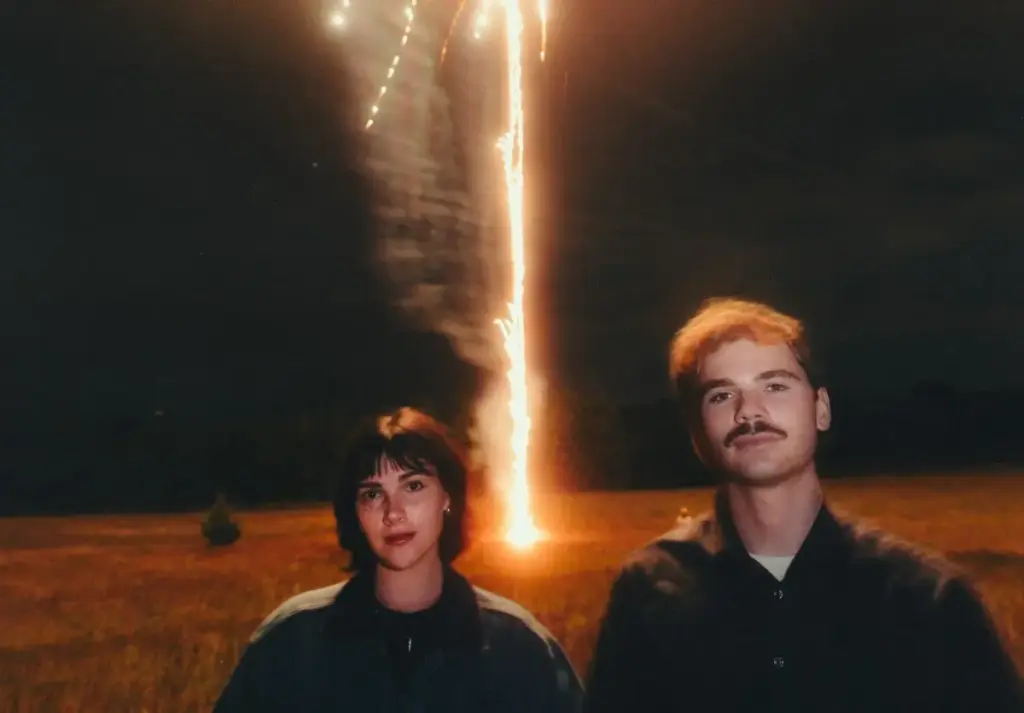
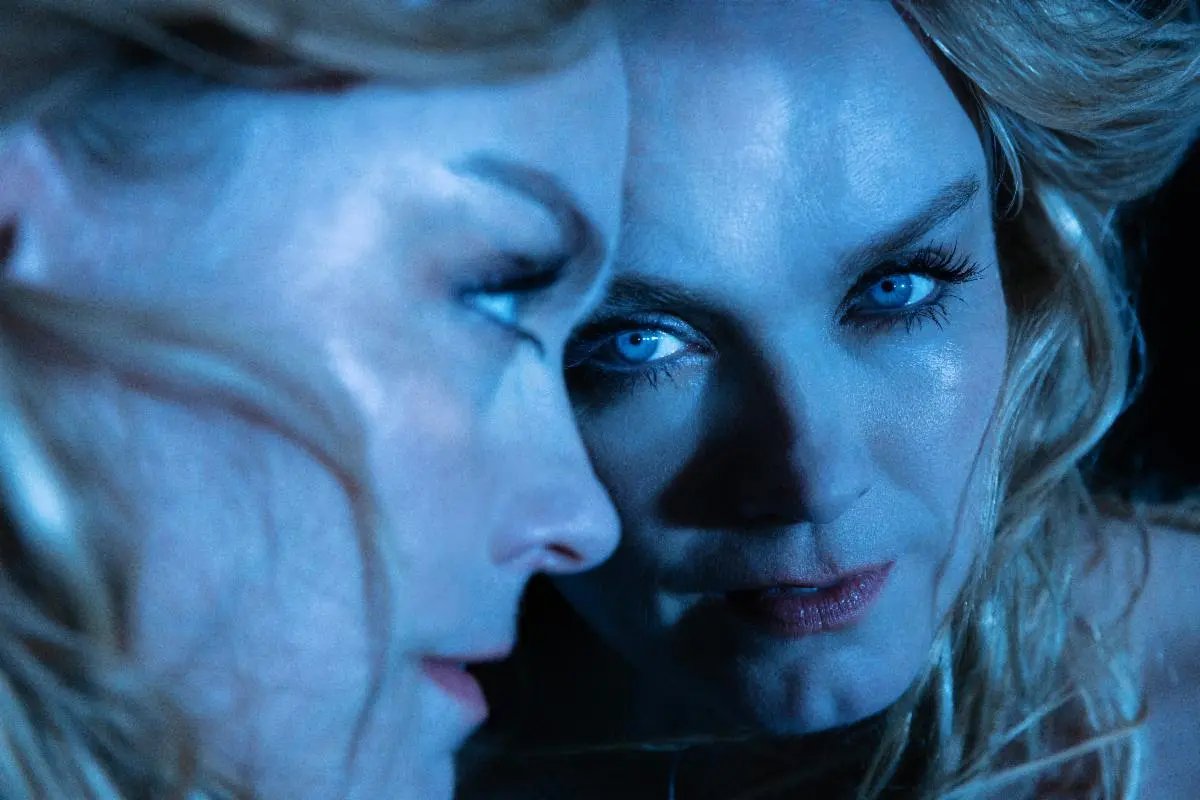
The culmination of this multi-year journey is crystallized in the album’s lead single and co-writing venture, "Hold Me," crafted alongside fellow Norwegian innovator ARY. The track serves as a stylistic gateway to the record, capturing the exact temporal friction of two people trapped in the purgatory between a desperate desire for intimacy and an acute phobia of commitment. Accompanied by a striking, choreography-driven music video that visualizes this tension through silent physical expression, "Hold Me" set the stage for the album’s announcement. With a tracklist spanning diverse sonic textures—from the hypnotic electronic pulses of the Röyksopp collaboration "Eat the Fruit" to the stark vulnerability of "How Can I Hold Your Hand" featuring Emilie Nicolas—I Thought We Were the Same represents a meticulous, long-gestating masterclass in contemporary songcraft.
Supporting Context & Metrics: Independence, Collaboration, and the Pop Horizon
Two Decades of Independent Autonomy
In an industry historically dominated by major-label machinery, Ane Brun’s twenty-plus-year career stands as a masterclass in artistic self-determination. Operating entirely independently and steering her own label, she has maintained complete creative control over her master recordings, visual aesthetics, and release schedules. This independence has allowed her to take creative risks that major-label artists are rarely afforded.
I Thought We Were the Same is the direct beneficiary of this autonomy. Without corporate pressure to rush a follow-up to her 2020 double-album output, Brun was able to spend upwards of four years conceptualizing, writing, and refining the eleven tracks that make up the new record. This extended gestation period is reflected in the meticulous sequencing of the tracklist, which flows from urgent, rhythm-driven pieces like "Lean Into the Wind" and "Shock Treatment" to deeply reflective ballads such as "Certain Moments" and "In These Waters."
The Nordic Collaborative Ecosystem
A defining metric of I Thought We Were the Same is its heavy reliance on high-caliber Scandinavian collaboration. Brun has never operated in a vacuum, but this album marks one of her most outward-looking collaborative efforts to date.
- Röyksopp ("Eat the Fruit"): The inclusion of electronic royalty Röyksopp injects a pulsing, synth-driven kinetic energy into the album. Known for their cinematic, emotionally resonant electronic soundscapes, their collaboration with Brun on "Eat the Fruit" bridges the gap between organic storytelling and floor-filling electronica.
- Emilie Nicolas ("How Can I Hold Your Hand"): Nicolas brings her trademark ethereal vocal delivery and intricate electronic production sensibilities to the track, offering a haunting counterpoint to Brun’s earthy tone.
- ARY ("Hold Me"): As co-writer and co-producer of the lead single, ARY helps anchor the track’s thematic preoccupation with emotional ambivalence, ensuring the production mirrors the lyrical hesitation of characters caught between closeness and avoidance.
Pushing the Pop Boundary
Stylistically, I Thought We Were the Same represents a calculated pivot toward accessibility without sacrificing artistic integrity. Brun has been candid about her desire to test the structural limits of her songwriting on this project:
"With this album, I wanted to experiment with how far I could take my music into a clearer and more pop sound with distinct choruses and hooks without the music losing its nerve."
Historically celebrated for her sprawling, atmospheric compositions and complex rhythmic structures, Brun’s deliberate deployment of "distinct choruses and hooks" indicates a seasoned artist challenging herself to distill complex emotional theorems into immediate, resonant pop structures.
Official Statements and Artistic Philosophy
To truly grasp the emotional gravity of I Thought We Were the Same, one must look directly to the artist’s own reflections on the themes of trust and vulnerability. In statements accompanying the album’s rollout, Brun has articulated a philosophical stance that elevates the record from a collection of breakup songs to a profound meditation on human nature.
"This album became a way of understanding how deeply trust lives in us," Brun comments, dissecting the psychological weight of the project. "It’s extraordinary that we continue to trust each other, knowing it can be broken at any moment. That vulnerability is one of the most beautiful things about being human. Maybe we should all be more aware of how valuable it is that someone trusts us."
This perspective reframes betrayal not merely as a destructive force, but as the inevitable shadow cast by the light of genuine human connection. By choosing to focus on the paradox of reliance—the reality that every time we open ourselves up to another person, we hand them the tools for our own undoing—Brun taps into a universal truth.
Furthermore, her commentary on the visual and sonic realization of the album highlights her holistic approach to storytelling. Discussing the visual accompaniment for "Hold Me," which draws its narrative structure from the precise choreography of a silent dance, Brun emphasizes the physical manifestation of emotional deadlock. The video’s opening sequence—two dancers locked in an agonizingly long embrace before their movements inevitably splinter outward—serves as a visual thesis statement for the entire album: the desperate push-and-pull between the fear of suffocation in a relationship and the terror of absolute abandonment.
Future Outlook: The Global Era of I Thought We Were the Same
As I Thought We Were the Same prepares to make its official debut, the music world is poised for a major resurgence from one of Scandinavia’s most respected musical architects. The album arrives at a fascinating intersection of Brun’s storied career—bridging the gap between the acoustic intimacy that first won her international acclaim and the expansive, electronic-tinged pop ambitions of her current creative phase.
Live performance integration will undoubtedly form the next major chapter in this era. Given the rich sonic palettes provided by collaborators like Röyksopp, Emilie Nicolas, and ARY, translating these eleven tracks to the live stage presents both an exciting challenge and a thrilling prospect for fans. Audiences can anticipate tour configurations that seamlessly blend stripped-back, acoustic reflections with towering, synth-heavy pop arrangements.
Moreover, the album’s release serves as a timely reminder of the enduring viability of independent artistry in the modern streaming ecosystem. By refusing to compromise on her timeline, her thematic depth, or her collaborative choices, Ane Brun continues to set a gold standard for veteran artists navigating the modern music industry.
I Thought We Were the Same is more than a comeback; it is a profound philosophical inquiry set to music. It challenges listeners to look inward, to examine the fragile web of relationships that sustain us, and to recognize the radical, breathtaking courage it takes to trust another human being in an uncertain world.
I Thought We Were the Same Tracklist Overview
- "Hold Me" (feat. ARY) – The lead single exploring the purgatory between desire for closeness and fear of commitment.
- "Eat the Fruit" (feat. Röyksopp) – A dynamic collaboration marrying organic lyricism with pulsating electronic soundscapes.
- "Hand in the Fire" – An uptempo exploration of emotional resilience and trial by fire.
- "How Can I Hold Your Hand" (feat. Emilie Nicolas) – An ethereal, haunting duet defined by fragile vocal interplay.
- "Lean Into the Wind" – A rhythm-driven track examining forward momentum amidst relational turbulence.
- "Two in This Story" – A narrative-heavy piece dissecting the differing perspectives within a shared history.
- "Reevaluating You" – A sharp, analytical look at the painful process of dismantling idealized perceptions of a partner.
- "Can We Go Back" – A poignant reflection on lost innocence and the impossibility of chronological reversal.
- "Shock Treatment" – A bracing, high-energy track tackling sudden emotional awakenings and disruption.
- "Certain Moments" – A delicate ballad freezing time around fleeting memories of absolute safety.
- "In These Waters" – The album’s deep, contemplative closing statement on navigating the unpredictable depths of human vulnerability.