

Executive Overview
By all conventional metrics of the modern music industry, Skillet should not exist. Rock bands rarely sustain a relevant, chart-climbing career for three decades. Yet, thirty years after their inception, the Grammy-nominated powerhouse continues to defy gravity. Their anthems blare across UFC broadcasts, anchor WWE’s Monday Night Raw, and dominate global streaming platforms—most notably with their smash hit "Monster," which has shattered milestones by surpassing four billion streams.
At their live shows, multi-generational crowds tell a remarkable story. Teenagers who were not yet born when the band released their breakthrough 2006 album, Comatose, now scream the lyrics shoulder-to-shoulder with their parents and grandparents.
Yet, this milestone anniversary arrives not just with a celebratory victory lap, but carrying fresh wounds. While celebrating 30 years as a band and two decades of Comatose, Skillet has confronted trials from an entirely unexpected source: the modern institutional church. These painful experiences have birthed After the Storm, arguably the most vulnerable, bruised, and emotionally raw record of their career. This feature explores how Skillet survived near-bankruptcy, crossed over into mainstream rock without compromising their faith, and navigated deep relational betrayal to find a renewed sense of purpose.

Detailed Chronology: From Coventry to a Crossover Empire
To understand Skillet’s current era, one must look back at the improbable trajectory that brought them here. Founded by frontman John Cooper, the band spent its early years grinding through the Christian rock circuit. However, breaking into the mainstream rock market required navigating massive roadblocks.
The Comatose Era and the Brink of Collapse
In 2006, as the band prepared to record Comatose, the enterprise was hanging by a thread. John and Korey Cooper had young children, and the band lacked the financial security to pause touring while recording. They spent weekdays driving to a studio in Chicago, only to load out and play weekend shows to make ends meet. John handled merchandise, packed trailers, and eventually learned to drive the tour bus himself.
Compounding the pressure, their label situation nearly imploded. Lava Records was being dismantled, and almost every rostered act was dropped. Skillet survived by the skin of their teeth when an A&R representative, newly reassigned within the corporate wreckage, made it his sole demand to keep Skillet on the label.

"I’ll be a youth minister," John remembers thinking at the time, fully prepared for the band to fold if the record failed. Instead, Comatose birthed enduring anthems like "Rebirthing" and established Skillet as a formidable crossover force.
Defending the Faith in the Mainstream
As songs like "Monster" began conquering mainstream rock radio, questions from secular journalists were inevitable. Rather than deflecting or watering down their beliefs, John made a definitive choice.
"As a Christian music fan, I know what I want to see a Christian artist say in that interview," John recalls. During an early mainstream interview where a host questioned whether the band was "really Christian," John didn’t hesitate: "Oh, absolutely, we’re Christians. Being a Christian is so much more important to me than being a rock star. I play music to express my love for God."
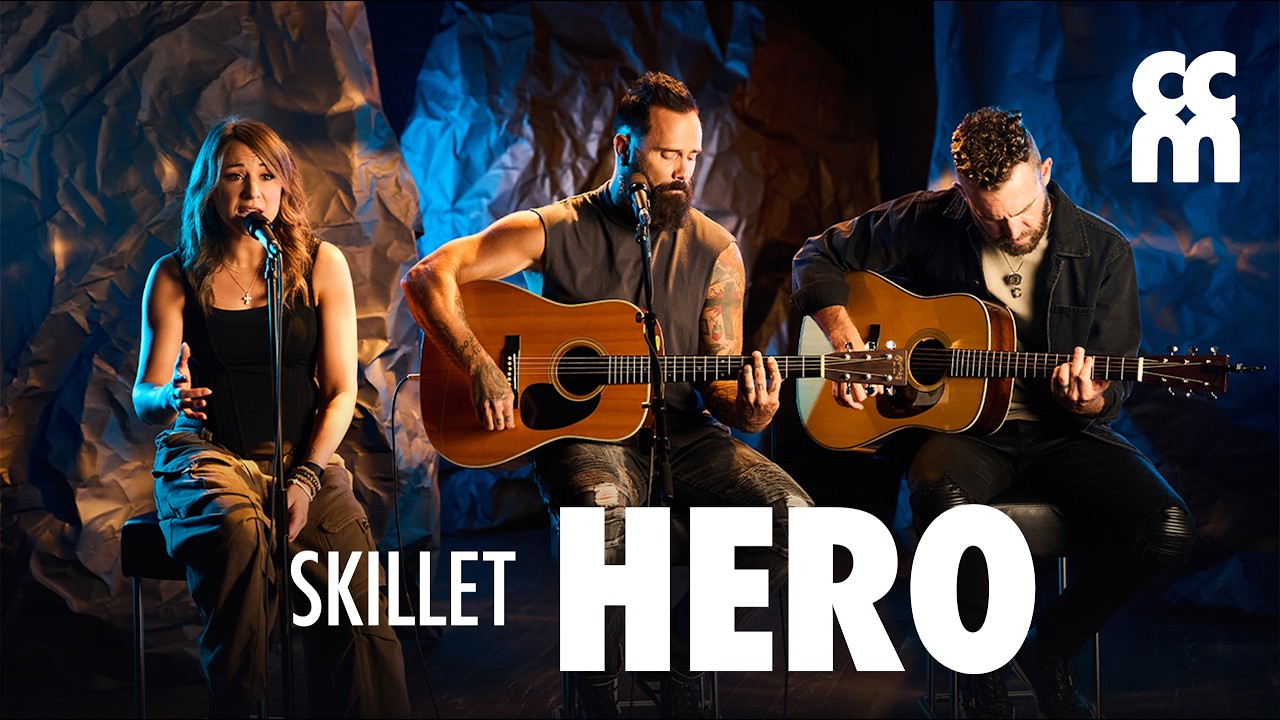
Guitarist Seth Morrison, who has spent 16 years alongside John, notes that this unapologetic stance builds a distinct form of respect. "People sense authenticity," Seth observes. "I think even people that maybe are atheists, they sense the authenticity of who we are, and I think they respect it."
Supporting Context & Metrics: The Engine Behind the Band
While John Cooper remains the primary public voice of Skillet, the band’s longevity is deeply rooted in its collective dynamic.
The Anchor: Korey Cooper
Korey Cooper’s contributions span every facet of the band’s identity. John uses a nautical metaphor to describe their partnership: "Imagine a ship where I am the captain without Korey being the rudder. Would anybody want to be on that ship?"

Joining initially because the band needed a keyboard player, Korey evolved alongside music technology. Keyboards became programming, programming became production, and on the After the Storm EP, Korey produced half of the tracks. Drummer Jen Ledger, who joined the band at age 18, vividly remembers Korey homeschooling her young children on tour, producing music, performing a blistering rock set, and returning to the bus at night to read the Bible and pray with her family.
Jen Ledger and Seth Morrison
Jen Ledger’s journey from a self-doubting 18-year-old in Coventry, England, to a powerhouse touring drummer is a testament to resilience. "Sometimes I still feel like the 18-year-old that’s like, I can’t play drums and I can’t be in front of people," she admits. Today, looking back on nearly two decades behind the kit, she views her survival on the road as a testament to grace meeting weakness.
Seth Morrison echoes that sentiment regarding the band’s brotherhood and culture. "Your first prayer should be who you get to do it with because that’s truly what’s life changing," Seth says. "Our lives are forever different by being around the Coopers, truthfully. I’m a different father. I’m a different husband. Beyond a career."

Official Statements and the Pain Behind After the Storm
Skillet’s new EP, After the Storm, does not shy away from darkness. Over the past few years, the band members faced intense personal trials, ranging from illness and depression to betrayal by trusted figures within church leadership.
Confronting Church Abuse and Deconstruction
Without naming specific individuals, Skillet addresses the profound institutional failures they witnessed firsthand.
"Part of what we have been through are things I never thought I would see," John says. "Church leadership, people that I’ve known for 30 years that I thought we were on the same page, end up treating people extremely abusively."
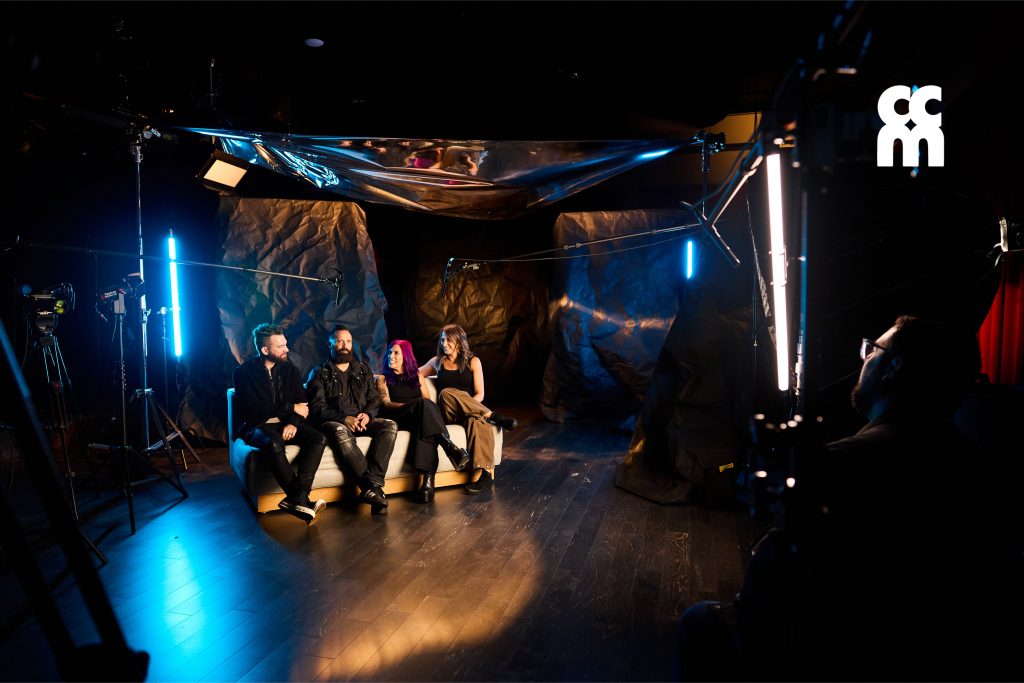
Rather than hardening his heart against individuals struggling with their faith, John expresses deep empathy for those who deconstruct.
"I think that gives a little bit of credibility to so many people we have seen completely deconstruct and leave the faith and say it’s the church’s fault," John notes. "I wish they didn’t leave the faith. I wish they didn’t deconstruct, and I pray they come back… Their suffering more than likely was real. They probably saw something that was so gross that they never expected to see a pastor do that. And they went, well, this isn’t real, then maybe nothing is real."
Summing up the weight of these betrayals with stark honesty, John adds: "My pagan friends wouldn’t do this to me."
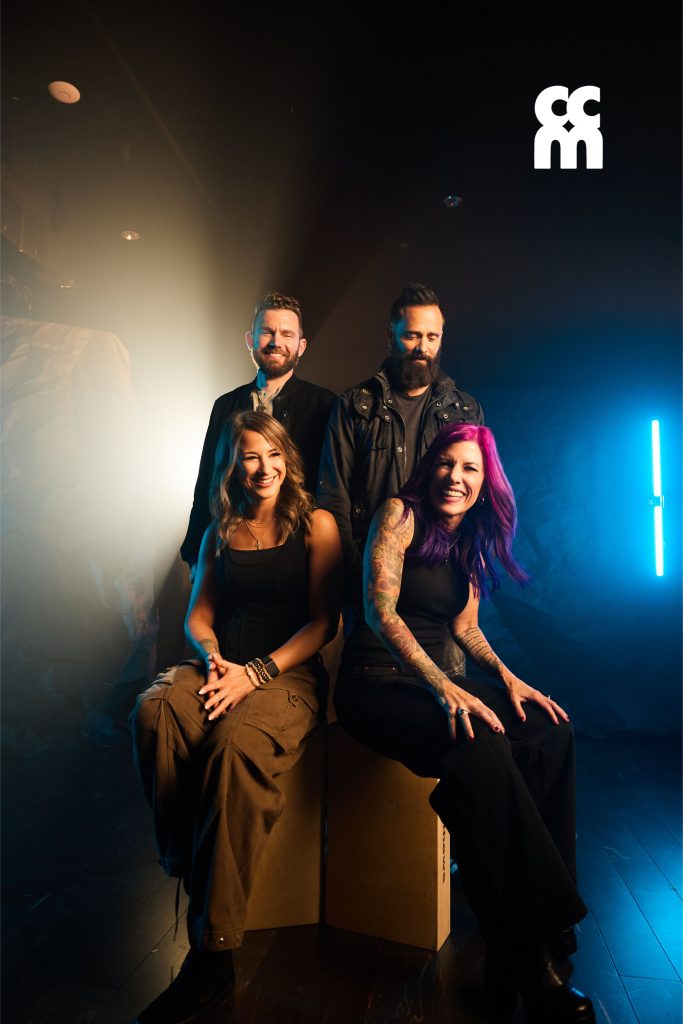
Future Outlook: The Sound of Vulnerability
After the Storm captures the tension of the "already, but not yet"—the reality of holding onto faith while navigating real-world suffering. Korey points to the biblical account of Daniel: God was with him, but he was still inside the lion’s den.
The EP’s lead focus, the track "Scream" (produced by Korey), tackles isolation, social media condemnation, and the experience of feeling entirely alone amidst external noise. John describes the core of the track as a "silent scream"—the internal agony of individuals who feel they have nothing left to live for.
"I’m not okay. I know I will be okay, and I am reaching out to God saying, I need your help," John summarizes.
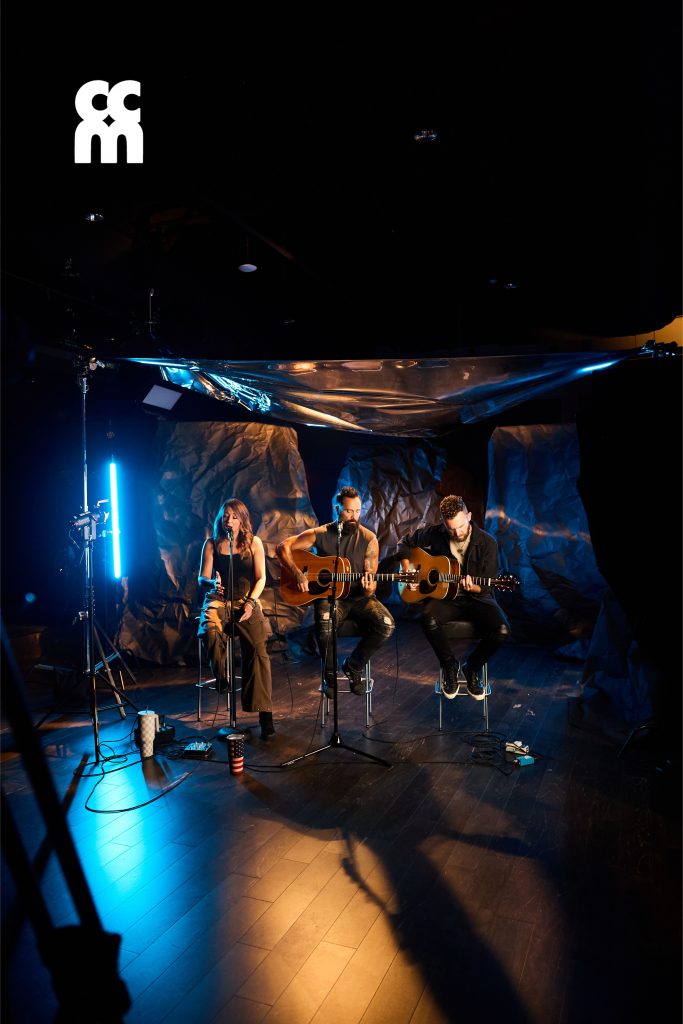
As Skillet embarks on their next chapter, they refuse to offer a superficial narrative where storms never arrive. Instead, After the Storm proves that true endurance is found not in avoiding hardships, but in continuing to walk—and scream, and create—faithfully through them.