
Executive Overview
By standard music industry metrics, a rock band should not survive three decades, let alone chart an ever-ascending trajectory. Yet, thirty years into a storied career that has blurred the lines between the Christian rock underground and the global mainstream, Skillet stands as an anomaly. Their anthems blare across arenas at UFC Freedom 250, serve as signature openers for WWE’s Monday Night Raw, and dominate digital streaming platforms—most notably with their 4-billion-stream juggernaut, "Monster."
Today, the audience filling their venues represents a fascinating generational tapestry: kids who were not yet born when the band released their breakthrough album Comatose now scream lyrics shoulder-to-shoulder with their parents and, occasionally, their grandparents.
Yet, this milestone anniversary arrives carrying a heavy burden. While celebrating three decades of Skillet and two decades of Comatose, the band has weathered profound personal and spiritual trials. Some of these wounds originated from an unexpected source: the church community they spent their lives defending. This crucible of betrayal and disillusionment has birthed After the Storm, arguably the most bruised, vulnerable, and sonically gripping record of their career. This is the story of their survival, their resilience, and a faith tested by fire.

Detailed Chronology: From the Brink of Collapse to Global Dominance
The Early Struggle and the Miracle of Comatose (2006)
To understand Skillet’s current resilience, one must look back at the precarious foundation upon which their definitive classic, Comatose, was built in 2006. At the time, the band was hanging on by a thread. Co-founders John and Korey Cooper were raising very young children while navigating a grueling tour schedule. Because they lacked the financial security to pause touring to record, they maintained a grueling routine: driving through the night to a Chicago recording studio during the week, then loading out to play weekend gigs.
John was still personally packing the merchandise trailer, hauling gear, and eventually learning to drive the tour bus himself. Compounding the stress, their label situation nearly imploded. As Lava Records was dismantled, nearly every signed artist was dropped. Skillet narrowly survived the purge when an incoming A&R representative made keeping Skillet one of his primary mandates. At the time, sales were modest, and John admits they were on the verge of total financial collapse.
"I’ll be a youth minister," John recalled thinking at the time. With nothing left to lose, they poured everything into Comatose. Even with absolute belief in the material, commercial success was far from guaranteed. Yet, tracks like "Rebirthing" captured a distinct lightning-in-a-bottle energy, transforming the band from underground mainstays into mainstream contenders.

Crossing Over Without Compromise
When "Monster" began connecting with mainstream rock radio, John Cooper faced a crossroads familiar to crossover artists of faith: conceal the band’s theological roots to appease secular gatekeepers, or stand firm. Having watched other artists navigate this pressure through various strategies, John chose complete transparency.
During early mainstream press runs, when interviewers inevitably asked if the rumors were true—Are you really Christians?—John answered before the question could become an awkward elephant in the room. "Oh, absolutely, we’re Christians," he responded. "Being a Christian is so much more important to me than being a rock star. I play music to express my love for God."
The interviewers were frequently stunned. John often compares the tactic to "smacking the bully on the first day of school." Guitarist Seth Morrison, who has spent nearly sixteen years alongside John, notes that this radical authenticity commands respect even from secular or atheist listeners. "People sense authenticity," Seth observes. "I think even people that maybe are atheists, they sense the authenticity of who we are, and I think they respect it."
Supporting Context & Metrics: The Architecture of Longevity
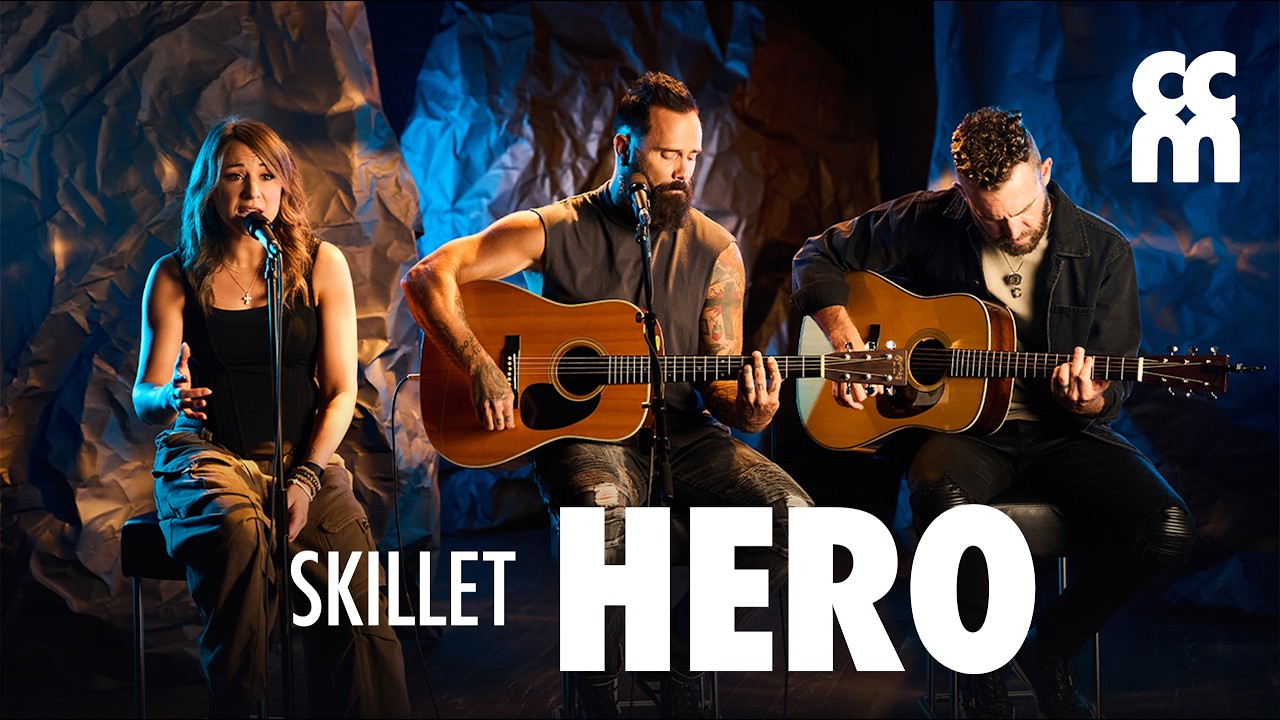
Skillet’s enduring footprint is built on a foundation of remarkable milestones, extraordinary road durability, and a tightly knit band chemistry that serves as their anchor.
- Streaming and Broadcast Dominance: "Monster" has surpassed 4 billion streams worldwide, cementing itself as a generational rock anthem. Tracks like "Legendary" have served as broadcast staples for major sports entertainment enterprises, including WWE and the UFC.
- The Intergenerational Demographic: Concert venues feature a unique multi-generational makeup, where teenagers discover the band via algorithmic streaming platforms and bond over live performances with parents who grew up on Alien Youth and Collide.
- The Collaborative Engine: While front-man John Cooper remains the primary public voice, keyboardist, programmer, and producer Korey Cooper operates as the indispensable rudder of the ship. Over three decades, Korey has continually evolved alongside music technology—transitioning from traditional keyboards to complex programming and full-scale production. On the new EP, After the Storm, Korey produced half of the tracks, including the hard-hitting lead single "Scream."
- The Road-Tested Lineup: Drummer and vocalist Jen Ledger joined the band at age 18, initially battling severe imposter syndrome and stage fright. Witnessing Korey Cooper balance raising young children on a tour bus, homeschooling, producing music, and leading nightly Bible studies left an indelible mark on Ledger and Morrison. Both members emphasize that their greatest blessings extend far beyond the stage; their marriages, parenting styles, and personal characters have been fundamentally shaped by the Coopers’ spiritual grounding.
Official Statements & The Crucible of After the Storm
A New Depth of Pain: Wounds from the Church
Despite celebrating their 30th anniversary, Skillet’s latest musical chapter is defined by fresh scars. While previous records tackled external struggles, After the Storm confronts a darker, more personal betrayal originating from an unexpected place: church leadership.
"This particular EP, because of what we’ve been through the last few years, is leaning towards, let’s just talk about the hard side," John Cooper shares. Without naming individuals, the band members acknowledge that leaders they trusted—people they had known and worked alongside for decades—revealed toxic, abusive dynamics behind closed doors.

"Part of what we have been through are things I never thought I would see," John says. "Church leadership, people that I’ve known for 30 years that I thought we were on the same page, end up treating people extremely abusively." He notes a growing culture among certain leaders who reject accountability, refuse doctrinal questions, and demand absolute conformity.
Empathy for the Deconstructed
Remarkably, rather than hardening John’s posture against those who have walked away from Christianity, this painful firsthand experience has cultivated deeper empathy for the deconstruction movement.
"I think that gives a little bit of credibility to so many people we have seen completely deconstruct and leave the faith and say it’s the church’s fault," John reflects. While making it clear that he wishes people wouldn’t abandon the faith, he refuses to dismiss their suffering: "Their suffering more than likely was real. They probably saw something that was so gross that they never expected to see a pastor do that. And they went, well, this isn’t real, then maybe nothing is real."

Summing up the depth of the betrayal, John adds bluntly, "My pagan friends wouldn’t do this to me."
The Theology of the "Happy Sads" and "Scream"
This raw reality forms the emotional core of After the Storm. Korey Cooper describes Skillet’s artistic formula as the "happy sads"—the coexistence of unyielding spiritual hope and profound human sorrow. This concept mirrors the biblical tension of the "already, not yet"—the reality that God’s kingdom is present, yet suffering remains inescapable.
The EP’s lead single, "Scream," produced by Korey, addresses social media isolation, modern alienation, and the crushing weight of feeling entirely alone in a crowded room. John describes the core of the track as a "silent scream"—the internal agony experienced by individuals who feel they have nothing left to live for.
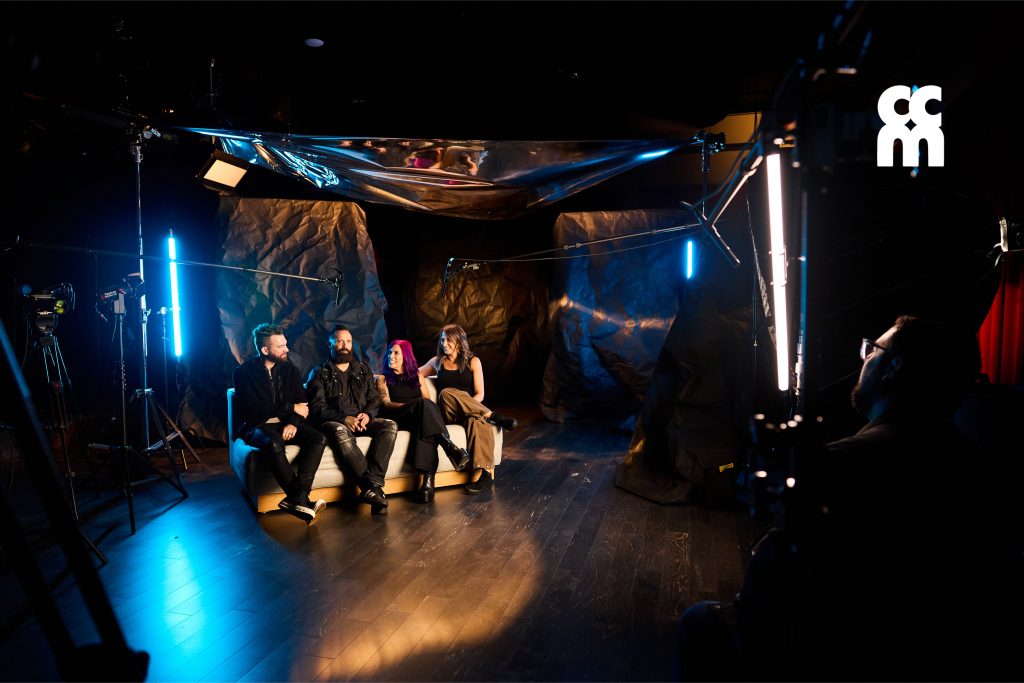
Instead of offering hollow platitudes, the music validates that pain. "I’m not okay. I know I will be okay, and I am reaching out to God saying, I need your help," John states.
Future Outlook: Continuing the Journey After the Storm
As Skillet looks toward the horizon, they remain remarkably grounded. Far from treating their 30th anniversary as a retrospective farewell or a lazy nostalgia tour, the band continues to push forward into uncharted sonic and emotional territory.
The legacy of Skillet has never rested on the premise that life is free of storms. Rather, their enduring power lies in their stubborn refusal to stop moving forward once the tempest clears. With After the Storm, Skillet proves that vulnerability and heavy rock music are natural allies. By giving voice to the bruised, the exhausted, and the disillusioned, they have created a sanctuary for those who feel unseen—ensuring that their music will continue to resonate for generations to come.