
Executive Overview
When grief settles heavily upon the human heart, language frequently fails. In the face of profound loss, deferred dreams, and the aching absence of departed loved ones, words can feel inadequate, clumsy, and hollow. Yet, humanity has long possessed a universal translator for sorrow: music. Across centuries, cultures, and continents, composers have turned to melody and harmony not merely to entertain, but to articulate the unnamable, providing an acoustic sanctuary for those navigating the darkest corridors of heartbreak.
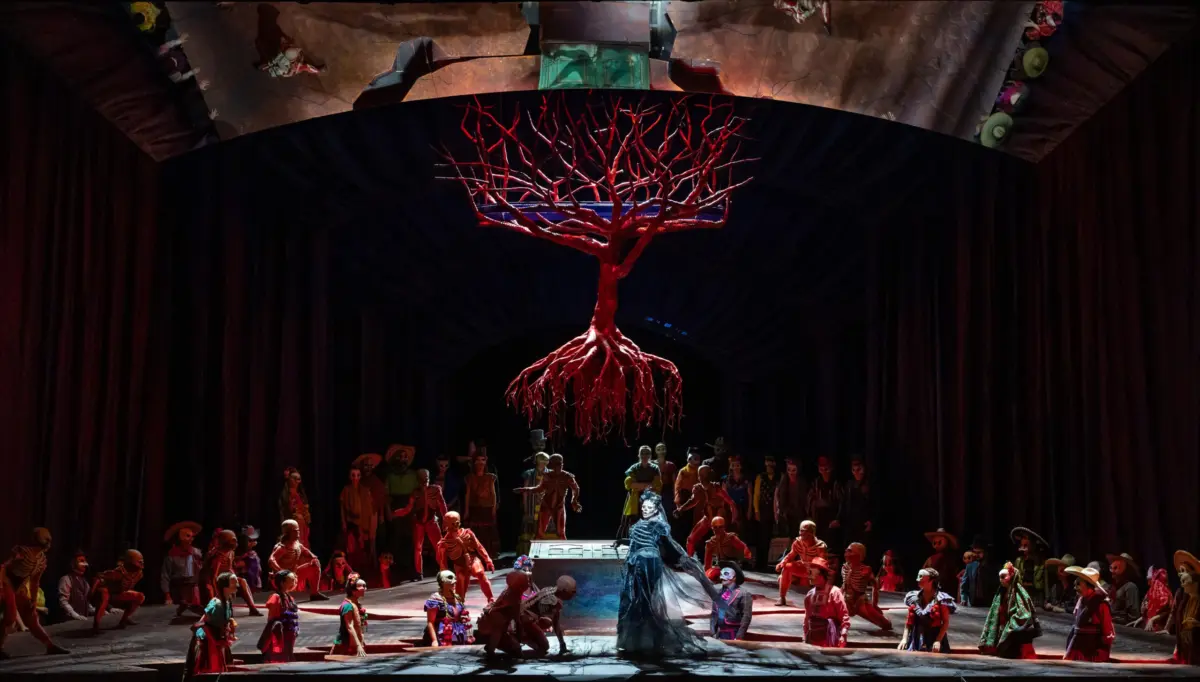
Nowhere is this relationship between sound and sorrow more vibrantly expressed than in the cultural traditions surrounding Día de los Muertos (Day of the Dead) and All Souls’ Day. Spanning from October 31st to November 2nd, these days of remembrance—celebrated extensively across Mexico, the United States, and Latin America, alongside European Catholic traditions—reframing death not as an absolute end, but as a continuation of relationship. Rather than hiding from grief, these traditions invite it in, honoring the dead through vivid color, shared stories, and, above all, music.
From a neurological perspective, this reliance on music during times of mourning is far from accidental. According to neuroscientist Daniel Levitin, listening to music triggers the brain to release prolactin—a comforting hormone typically associated with the nurturing bond between a mother and an infant. Simultaneously, the brain produces endogenous opiates that act as natural analgesics, mitigating emotional pain and elevating mood. Through these complex physiological pathways, music acts as a vital catalyst for emotional release. It allows pain, love, joy, and tears to rise to the surface, enabling grief to physically move through and out of the body rather than remaining trapped within.
To honor this profound intersection of neurology, culture, and art, this investigative report examines a curated collection of classical compositions. These works serve as essential listening for anyone navigating the complex topography of loss, offering a bridge between the agonizing finality of goodbye and the enduring warmth of memory.
Detailed Chronology: The Evolution of Mourning and Memory in Music
The musical processing of grief is an ancient tradition that has evolved across eras, shifting from sacred liturgical laments to secular explorations of psychological trauma, and eventually to vibrant celebrations of cultural heritage.
The Sacred Roots of Lamentation
Historically, Western classical music first engaged with grief through the Requiem—a Mass for the dead designed to intercede on behalf of departed souls. Early sacred music prioritized collective spiritual consolation over individual psychological processing. However, by the late 19th and early 20th centuries, composers began internalizing grief, transforming the church’s standardized Latin liturgy into deeply personal expressions of sorrow.
The Nationalist Awakening and Indigenous Synthesis
Concurrently, Latin American composers began synthesizing indigenous pre-Columbian traditions with European classical forms. This movement, gaining significant momentum in the early 20th century, sought to reclaim cultural identity through sound. Composers like Carlos Chávez and Silvestre Revueltas integrated traditional percussion, wind instruments, and rhythmic idioms associated with sacred rituals, elevating indigenous understandings of death—which viewed mortality as a natural, cyclical phase of the cosmos—into the global classical canon.
The Modern Psychological Soundscape
As the 20th century progressed, operatic and orchestral literature expanded to explore the precise psychological mechanics of heartbreak. Italian verismo opera, championed by Giacomo Puccini and Pietro Mascagni, abandoned idealized romanticism in favor of raw, visceral emotional realism. Characters did not merely mourn; they experienced guilt, sudden realizations of mortality, and the agonizing juxtaposition of cherished memories against devastating loss. Today, contemporary composers like Gabriela Lena Frank and Diana Syrse continue this evolution, blending folk traditions, choral forces, and avant-garde techniques to map out the modern landscape of remembrance.
Supporting Context & Metrics: The Science of Musical Catharsis
To understand why specific orchestral arrangements, choral hymns, and operatic arias resonate so deeply during periods of bereavement, one must examine the intersection of psychoacoustics and human neurobiology.
The Neurochemical Cascade of Sorrow
When an individual experiences a significant loss, the central nervous system enters a state of high stress, characterized by elevated cortisol and adrenaline levels. Listening to structurally complex, emotionally resonant music initiates a neurochemical balancing act:
- Prolactin Release: As noted by Daniel Levitin, the release of prolactin provides a deep, somatic sense of being cared for, counteracting the profound loneliness that often accompanies grief.
- Dopamine Modulation: Melodic anticipation and resolution stimulate the brain’s reward pathways, offering micro-doses of pleasure even within a minor-key composition that expresses profound despair.
- Vagal Nerve Stimulation: Slow-tempo compositions with rich string arrangements can lower heart rates and synchronize respiratory patterns, physically calming a body traumatized by shock or grief.
Cultural Frameworks of Mourning
Music also functions as a crucial cultural technology for processing mortality. While Western European traditions have historically viewed death through a lens of solemn separation and divine judgment, many Latin American and indigenous cultures practice what can be described as "nostalgic happiness." This dual emotional state—where tears and laughter coexist—is precisely what choral and instrumental works inspired by Día de los Muertos seek to capture.
Curated Classical Compositions for Remembrance
The following masterworks offer diverse pathways through grief, structured across indigenous traditions, modern folk requiems, European art song, and verismo opera.
Indigenous Roots and Latin American Heritage
- “Xochipilli” by Carlos Chávez: Subtitled "An Imagined Aztec," this piece derives its name from the Nahuatl word for "little flower" and references the Aztec deity of art, games, flowers, and dance. Utilizing four wind instruments and six percussionists, Chávez reconstructs the sonic world of sacred Aztec rituals, employing indigenous-inspired percussion to honor ancestors and lost loved ones.
- “Altar de Muertos” by Gabriela Ortiz: This four-part string quartet is a masterclass in structural grief. Ortiz explains that each movement describes the diverse moods, traditions, and spiritual worlds that shape the Mexican concept of death. The composition navigates the complex dualities of joy and despair, darkness and light, and the cyclic rhythms of life.
- “Noche de encantamiento” from La noche de los Mayas by Silvestre Revueltas: Originally composed as a cinematic score set within the Yucatán jungles, this explosive, rhythmically driving movement captures the raw, elemental tragedy and mystical weight of Mayan folklore.
- “La Muerte Sonriente” by Diana Syrse: This innovative choral piece incorporates indigenous instruments to capture what Syrse terms "nostalgic happiness." By explicitly encouraging choirs to dance and sing during performance, the work dismantles solemn grief, inviting performers and audiences alike to feel joy and sorrow simultaneously.
- “Requiem for a Magical America: El Día de los Muertos” (2006) by Gabriela Lena Frank: Written for a large wind ensemble, this ten-movement folk requiem paints a vivid sonic portrait of a village festival celebrating the dead. Lena Frank leans heavily into the concept of "folk Catholicism," beautifully illustrating the syncretism of post-Conquest and pre-Conquest spiritual beliefs.
European Art Song and Choral Masterpieces
- “Morgen!” (Op. 27, No. 4) by Richard Strauss: With poetry by John Henry Mackay, Strauss originally composed these four lieder as a wedding gift to his wife, Pauline. Yet, the song’s transcendent instrumentation and text speak powerfully to survival after loss. The poetry’s central promise—that "tomorrow the sun will shine again"—offers quiet assurance to those learning to love anew after enduring hardship or the devastating night of grief.
- “Non ti scordar di me” by Ernesto De Curtis: Translating to "Don’t forget me," this soaring Italian art song relies on deeply intimate lyrics ("my life is tied to you," "there’s always a nest in my heart for you") to articulate the stubborn persistence of memory.
- Pie Jesu (from Duruflé’s Requiem and Fauré’s Requiem): These sacred hymns are staples of memorial services for a reason. The gentle, pleading phrase "Merciful Jesus" offers a tranquil, prayerful petition for eternal rest, wrapping the listener in a blanket of vocal purity and orchestral restraint.
- “Por ti mi Corazón” by Manuel Ponce: As the second movement of Tres Canciones Populares, this tender miniature blends profound devotion with the acute, lingering ache of lost romance.
- “Cuando Vuelva a Tu Lado” by María Grever: This yearning ballad—famously adapted into the English-language standard "What a Diff’re3nce a Day Makes"—articulates the agonizing passage of time when separated from someone cherished.
Operatic Arias of Heartbreak, Memory, and Release
- “Donde lieta usci” from La bohème by Giacomo Puccini: In Act III of Puccini’s masterpiece, the consumptive Mimi sings her poignant farewell to Rodolfo. To say goodbye “senza rancor” (without rancor) despite being devastated by loss is a therapeutic anthem for anyone learning that true love sometimes requires the grace of letting go.
- Intermezzo from Cavalleria Rusticana by Pietro Mascagni: Placed immediately following scenes of violent betrayal and emotional devastation, this lush, soaring intermezzo is traditionally played to an empty stage. It provides a vital pause, giving audiences the space to process the agony and beauty of the dramatic narrative—and of their own lives.
- “Che faranno i vecchi miei” chorus from La Fanciulla del West by Giacomo Puccini: This homesick anthem captures miners far from home, emotionally reflecting on their distant families and lost origins, embodying the ache of geographical and temporal separation.
- “E lucevan le stelle” from Tosca by Giacomo Puccini: Just an hour before his execution, the painter Cavaradossi is overwhelmed by the memory of a passionate night with Tosca. In his final moments, he laments, "L’ora è fuggita e muoio disperato! E non ho amato mai tanto la vita!" (The hour has fled, and I die in despair! And I have never loved life so much!). It is a devastating reminder of how sharply the beauty of life comes into focus precisely when it is being lost.
Official Statements & Expert Perspectives
Musicologists and therapists alike emphasize the irreplaceable role that structured art plays in psychological healing.
Dr. Elena Vance, a musicologist specializing in 20th-century Latin American repertoire, notes:
"When we listen to works like Gabriela Ortiz’s ‘Altar de Muertos’ or Diana Syrse’s choral creations, we are witnessing a cultural masterclass in emotional resilience. These pieces do not sanitize death; rather, they wrap it in rhythm, color, and harmonic complexity, teaching us that to remember someone is to keep them actively participating in our living present."
Furthermore, clinical psychologists who incorporate expressive arts into grief counseling frequently point to the non-verbal nature of orchestral and operatic works. Because grief often short-circuits the linguistic centers of the brain, instrumental music bypasses cognitive resistance, allowing individuals to experience catharsis without needing to explain or justify their pain.
Future Outlook
As global society becomes increasingly transient and digital, traditional community structures surrounding mourning have experienced significant fragmentation. Modern individuals frequently find themselves isolated in their grief, navigating personal losses behind closed doors.
Yet, the enduring power of classical music—spanning from indigenous Mexican rituals to European romanticism—offers an accessible, portable sanctuary. As streaming platforms, concert halls, and academic institutions continue to champion diverse repertoires that honor cultural perspectives on death, audiences are being equipped with a richer emotional vocabulary.
Looking forward, the integration of music therapy within palliative care and bereavement support services points toward a future where classical compositions are intentionally prescribed as part of holistic healing regimens. Whether through the comforting brass swells of a folk requiem or the quiet, reassuring chords of Strauss’s "Morgen!", music remains humanity’s most reliable bridge across the chasm of loss—reminding us that while hearts may break, the melodies of our shared memories will always play on.