
Executive Overview
Festival season is simultaneously one of the most rewarding and intensely stressful periods of the academic year for music educators. Crafting the ideal program for a large ensemble contest or festival is a delicate exercise in musical architecture. Directors must weigh the unique technical strengths and dynamic weaknesses of their students, curate a balanced narrative arc that builds seamlessly from the opening downbeat to the final resounding chord, and balance stylistic contrast. Yet, these artistic aspirations are constantly anchored by complex logistical realities: Have we programmed this composer too frequently this term? Is this closing movement too physically demanding for the second clarinet section? Does the proposed repertoire strictly adhere to regional association guidelines?
For decades, navigating these hurdles involved sorting through endless physical catalogs, cross-referencing multi-page state contest lists by hand, and hoping that student practice at home would bridge the gap between rehearsal expectations and reality.
Today, however, the paradigm is shifting. Digital integration is transforming how band, orchestra, and choral directors approach festival season. By leveraging platforms like MakeMusic—and specifically advanced resource hubs like the MakeMusic State Lists Tool and Sight Reading Studio—educators are modernizing their workflow. This transition goes far beyond simple digital catalog browsing. By anchoring festival repertoire choices within an interactive ecosystem, directors can embed practice tools, automated check-ins, and differentiated learning capabilities directly into their students’ daily routines. The result is a fundamental shift in rehearsal culture: moving away from tedious note-and-rhythm remediation and moving toward the high-level artistry of musical phrasing, balance, and stylistic expression.
Detailed Chronology: The Evolution of Ensemble Festival Programming
To understand the transformative impact of modern digital music tools, it is essential to examine the traditional timeline of ensemble festival preparation—a process that has historically consumed the entire academic year.
Phase 1: The Late Summer and Early Fall Scramble (Repertoire Selection)
Traditionally, the festival preparation cycle begins months in advance, often before the school year even starts or during the chaotic opening weeks of the fall semester. Directors sit with coffee-stained state association handbooks, flipping through dense text directories of approved literature.
- The Manual Search: Educators cross-reference difficulty grades (typically ranging from Grade A/Class 1 to Grade D/Class 4) against their current ensemble instrumentation.
- The Guessing Game: A director might remember hearing a phenomenal piece at a state convention the previous spring, but tracking down the publisher, grade level, and exact arrangement requires hours of isolated searching.
- The Risk Factor: A miscalculation during this phase—such as selecting a piece that falls outside regional parameters or presents insurmountable technical bottlenecks for a vital section—can lead to disqualification or a stressful scramble to reprogram mid-year.
Phase 2: Winter In-Depth Rehearsal and the "Note-Learning" Bottleneck
As winter sets in, the heavy lifting of rehearsal begins. Historically, this phase is dominated by repetitive, sectional-heavy instruction.
- The Time Deficit: Directors spend countless podium hours stopping to correct wrong notes, awkward fingerings, and rhythmic miscalculations in specific sections.
- The Assessment Gap: While ensemble rehearsals move forward, tracking individual student mastery outside of class remains challenging. Directors must rely on honor systems or time-consuming individual playing tests, which eat away at precious collective rehearsal time.
Phase 3: Spring Festival Season and Sight-Reading Preparation
As festival dates approach in the early spring, anxiety peaks around two primary elements: the prepared adjudicated performance and the dreaded sight-reading room.
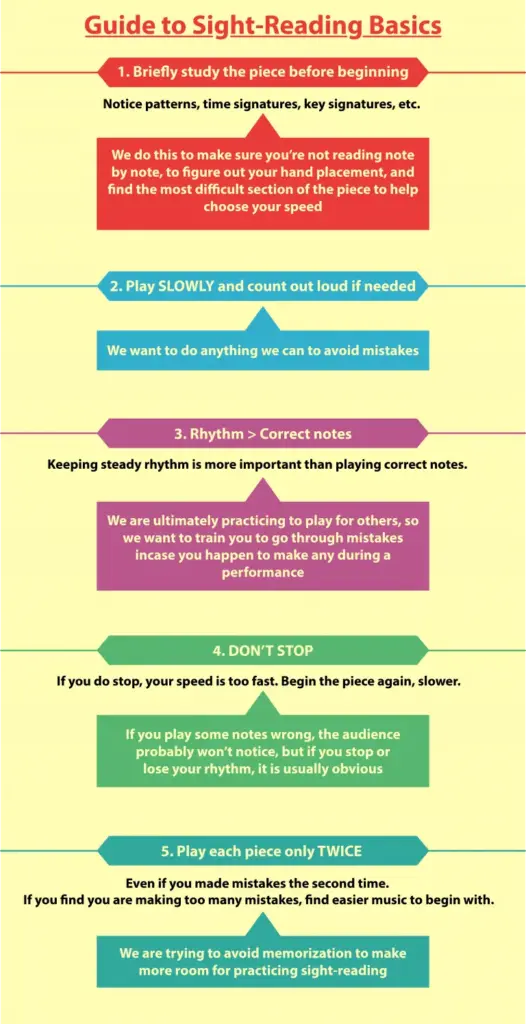
- The Sight-Reading Scramble: Historically, directors would dig through old filing cabinets or frantically compose makeshift sight-reading exercises the night before rehearsal, desperately trying to simulate the blind test students would face before festival judges.
- The Adjudication: Ensembles take the stage, perform their prepared works, and receive feedback—often realizing too late that technical remediation in January robbed them of the time needed to truly refine musicality and emotional expression.
The Modern Digital Interventions
In recent years, platforms like MakeMusic have systematically compressed and optimized this chronology.
- Instantaneous Curation: The integration of searchable state lists allows directors to identify, vet, and preview approved repertoire in minutes rather than days.
- Asynchronous Mastery: By assigning specific repertoire chunks through interactive digital tools, directors push note-and-rhythm acquisition outside the rehearsal room. Students practice independently with immediate feedback, transforming the collective rehearsal space into a laboratory for artistic nuance rather than a basic remedial classroom.
Supporting Context & Metrics: The Anatomy of Modern Music Education Workflows
The operational challenges facing modern music educators are well-documented. According to recent educational arts data, instrumental and vocal directors spend an average of 15 to 20 percent of their total working hours on administrative tasks, repertoire selection, and logistical compliance (such as verifying contest rule alignment).
Furthermore, pedagogical research consistently demonstrates that the most effective ensembles are those where individual accountability is high, allowing collective rehearsal time to focus on ensemble cohesion.
The MakeMusic State Lists Tool: A Case Study in Efficiency
The MakeMusic State Lists Tool acts as an intelligent digital bridge between official regional governance and modern practice technology. Rather than forcing directors to toggle between state association websites and independent music distributors, the tool consolidates data points into a unified interface.
| Traditional Programming Method | Modern Digital Workflow (MakeMusic State Lists) |
|---|---|
| Manual cross-referencing of multi-page PDF/print state lists. | Instant, searchable database filtered by state, grade level, and instrumentation. |
| Isolated score review requiring physical score purchases or library loans. | Instant digital score previews and professional publisher audio recordings embedded in the search window. |
| Disconnected practice at home with no way to verify note accuracy until rehearsal. | Direct integration with practice and assessment software for targeted homework assignments. |
| Manual generation of custom sight-reading exercises. | Access to custom exercises and premade templates correlated directly with state list requirements. |
By streamlining the initial search phase, directors reclaim valuable planning periods. Instead of passive window shopping, educators can filter options down to exact parameters, listen to professional studio recordings of the candidate pieces instantly within their browser, and verify compliance simultaneously.

Official Insights: Reimagining Rehearsal Dynamics
The ultimate value of integrating digital tools into festival preparation is not merely administrative efficiency—it is the fundamental elevation of musical instruction. Industry experts, veteran educators, and pedagogical leaders emphasize that the true magic of ensemble performance occurs only after the mechanical hurdles of the music have been cleared.
Shifting from Remediation to Interpretation
"Imagine not having to correct notes and fingerings and getting right to the music!" notes veteran ensemble literature analysis. This sentiment captures the core philosophy of modern music technology integration.
When an ensemble director is forced to spend valuable podium minutes teaching basic pitches to individual horn or percussion players, the entire ensemble stagnates. Momentum halts, student engagement wanes, and the overarching musical narrative of the piece gets fractured.
By utilizing digital assignments as "pass-off" opportunities, educators can break complex festival repertoire into manageable, bite-sized sections. Students interact with the notation at home, leveraging software feedback to ensure their rhythms and notes are accurate before they ever step foot in the band room or choir loft.
Empowering the Conductor
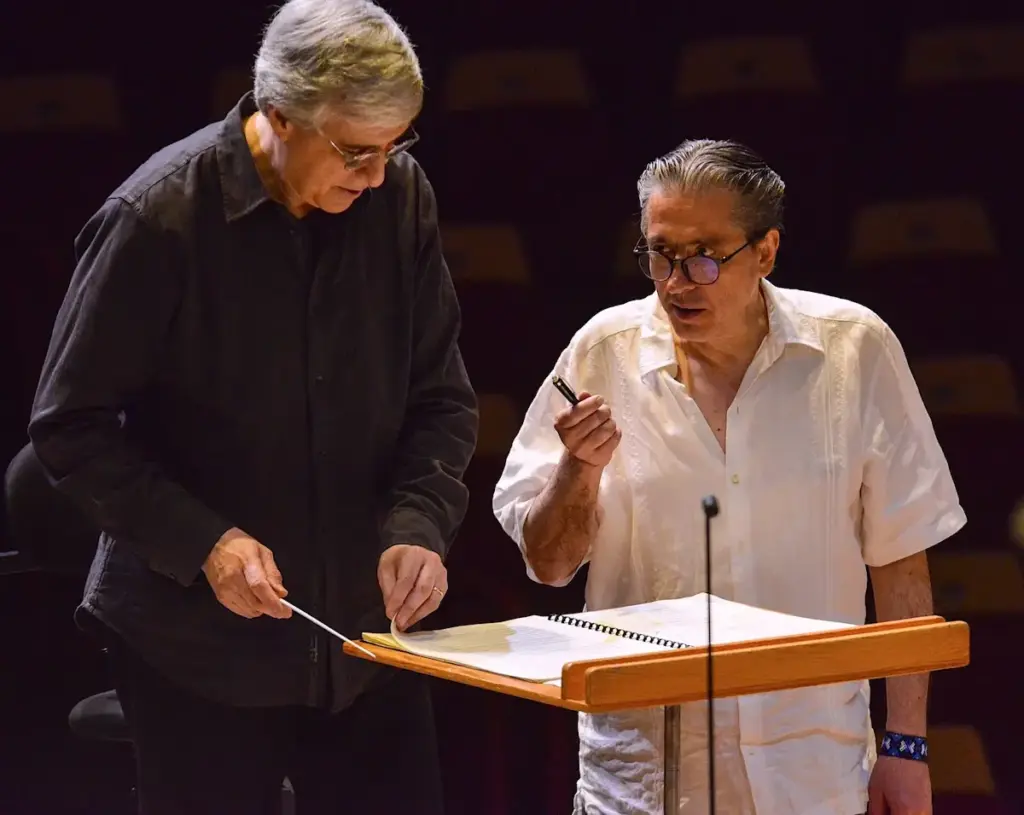
When students arrive at a rehearsal having already mastered the foundational mechanics of their individual parts, the conductor’s role transforms from a stressed-out auditor into a true artistic mentor. Rehearsal time is immediately reallocated toward the elements that truly set superior festival performances apart:
- Nuanced Phrasing: Shaping lines with breath and momentum rather than simply playing the correct sequence of eighth notes.
- Aural Balance and Blend: Teaching students to listen across sections to adjust intonation and dynamic weighting in real-time.
- Stylistic Integrity: Exploring the historical context, articulation nuances, and emotional subtext of the composer’s vision.
This is the work that inspires students, captivates festival judges, and ultimately reminds educators why they entered the profession in the first place.
Future Outlook: The Next Frontier in Ensemble Festival Preparation
As educational technology continues to evolve, the intersection of digital platforms and live performance artistry will only deepen. Several key trends are poised to shape the future of festival season preparation:
1. Advanced Diagnostic Integration
Future iterations of music education platforms are expected to incorporate increasingly sophisticated diagnostic capabilities. Using advanced audio recognition algorithms, software will soon provide granular, automated breakdowns of student intonation tendencies across entire ensemble sections, giving directors predictive insights into how a piece will sound acoustically before the first combined reading.
2. Expanded Collaborative Curation
The community-driven aspect of repertoire selection is also expanding. Features that allow educators to cross-reference peer programming habits—discovering what neighboring or nationally recognized ensembles are performing successfully—will become more intuitive, creating a collaborative national network of shared artistic vision.
3. Holistic Sight-Reading Mastery
Tools like Sight Reading Studio represent the vanguard of how ensembles prepare for the unpredictable nature of festival sight-reading rooms. By bridging the gap between custom teacher-authored exercises and state-correlated template libraries, educators can eliminate the night-before scramble entirely. In the future, adaptive sight-reading modules will dynamically adjust difficulty based on an ensemble’s historical performance data, ensuring targeted, stress-free growth.
Conclusion
Festival season will always demand dedication, long hours, and deep artistic vulnerability from music educators and their students. However, the administrative friction and mechanical bottlenecks that have historically weighed down the preparation process are no longer inevitable.
By embracing modern digital partners like MakeMusic, leveraging the precision of the State Lists Tool, and empowering students with independent practice ecosystems, directors can strip away the administrative noise of contest season. What remains is pure, unadulterated music-making—elevating ensembles to their highest potential and ensuring that the journey from the first downbeat to the final festival chord is a triumph of artistry.