
Executive Overview
For generations of aspiring musicians, the primary hurdle of sight reading has been perceived as a crisis of literacy—an inability to translate the abstract symbols on a page into immediate physical execution. Students sit before a fresh score, eyes darting frantically across the grand staff, desperately trying to decipher note names, accidentals, intervals, and clefs. In their intense focus on identifying what notes to play, they frequently commit the cardinal sin of musicianship: they abandon the steady pulse.
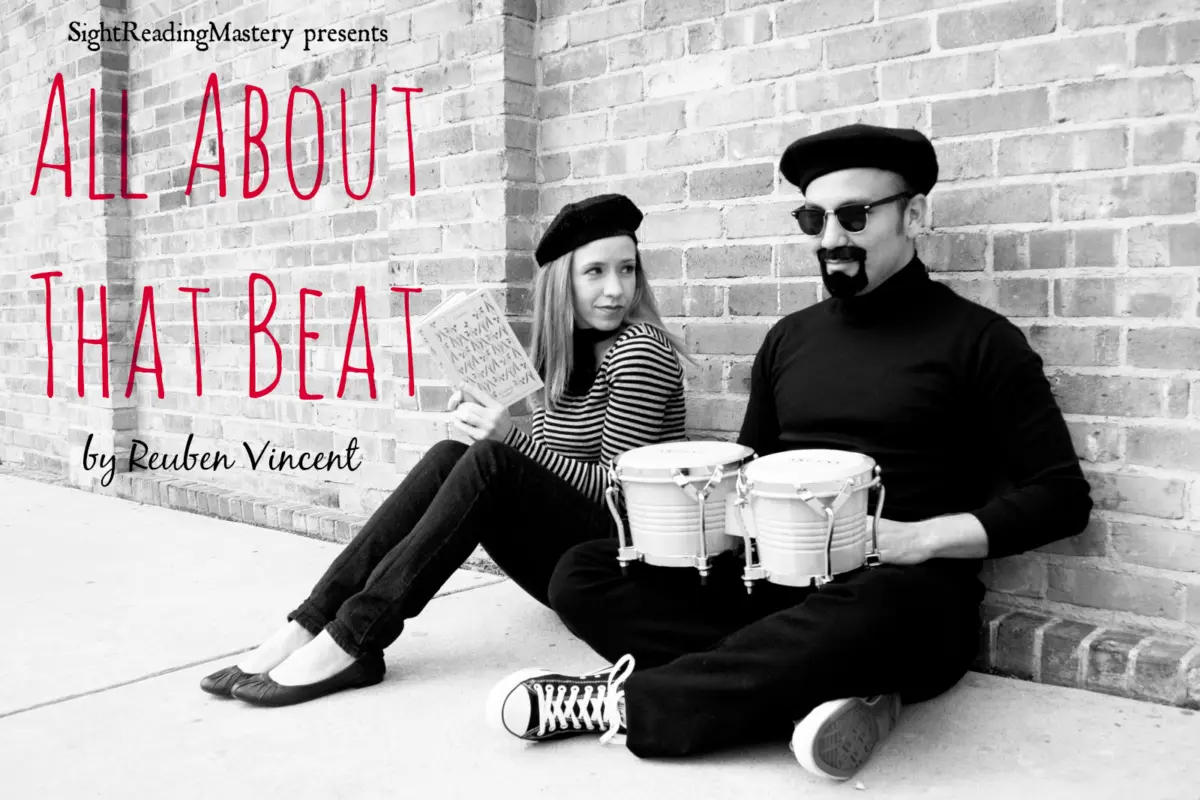
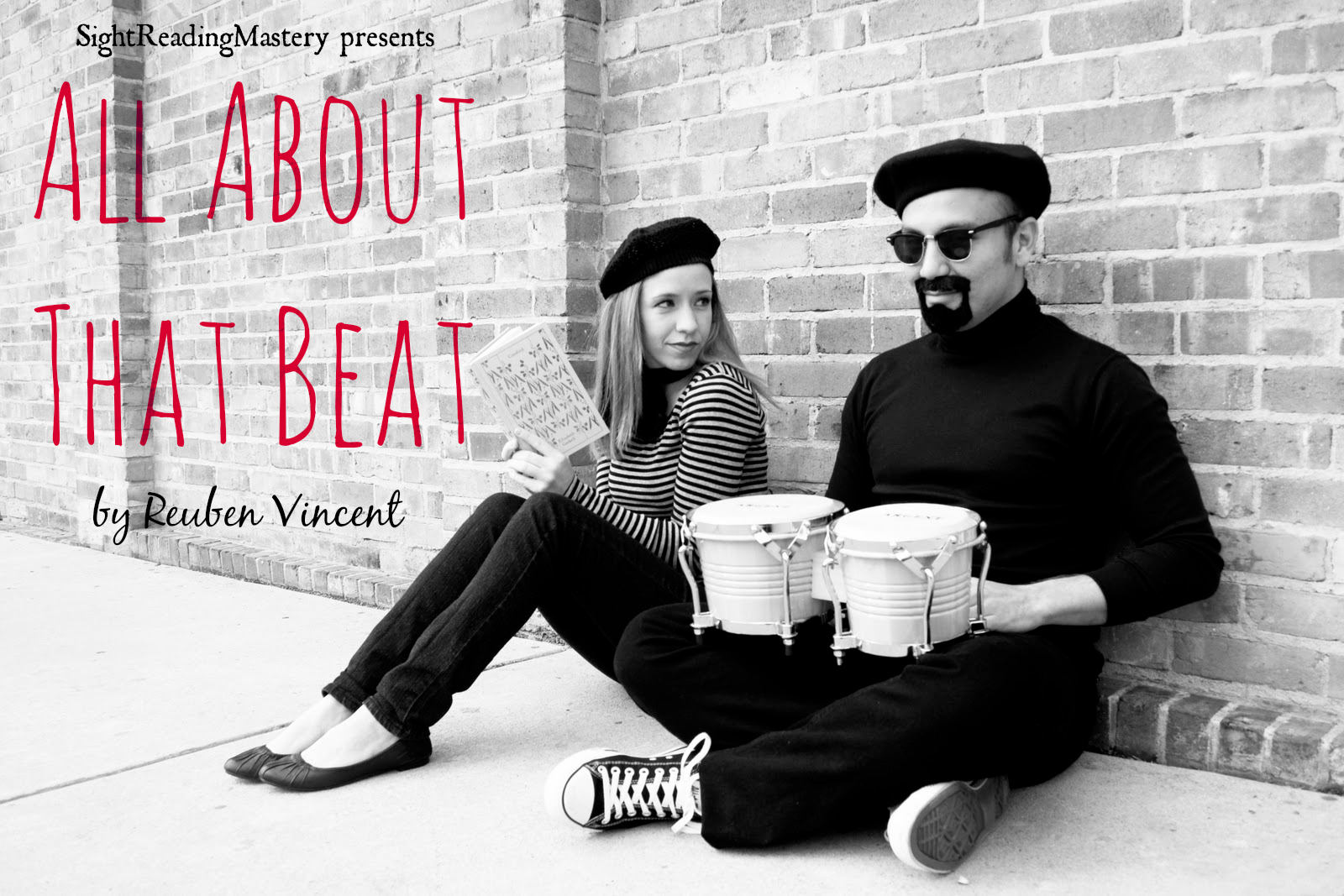
According to music educator and composer Reuben Vincent, this approach fundamentally misunderstands the hierarchical nature of music. "Forget what Meghan Trainor might have you believe: when it comes to sight reading, it’s ‘all about that’—beat!" Vincent argues. Without a steady pulse, music ceases to be a living, breathing art form; it loses its momentum, its coherence, and its emotional resonance.
This comprehensive investigative report explores the mechanics of rhythm in sight reading, unpacking why human instincts naturally rebel against structural timing, and outlining a definitive, three-step methodology developed by master educators to transform students into rhythmic powerhouses. By reframing the relationship between the beat and the notes—positioning the pulse as the unyielding master and the notes as the obedient framework—musicians can unlock unprecedented fluency, confidence, and musicality.
The Neurological and Psychological Trap of Note-Reading
To understand why sight-reading students routinely struggle with rhythm, one must examine the cognitive load imposed by standard musical notation. When a musician encounters an unfamiliar piece of sheet music, their brain is forced to process a staggering amount of visual and spatial data simultaneously. Clefs, key signatures, time signatures, dynamics, articulation markings, and pitch locations compete for limited cognitive bandwidth.
In psychological terms, this creates a bottleneck. Because human working memory has finite capacity, the brain naturally prioritizes the identification of pitches over the maintenance of time. It is far easier for a developing musician to pause, locate a note on the keyboard or fingerboard, execute it, and then search for the next note, than it is to keep the clock ticking forward regardless of whether the correct note has been found.
However, music does not exist in a static space of isolated pitches; it exists exclusively in time. A right note played at the wrong time is, fundamentally, a wrong note. When students sacrifice the beat in favor of pitch accuracy, the underlying architecture of the composition collapses. The result is hesitant, disjointed, and ultimately lifeless execution. As educators frequently warn their pupils: without a pulse, music is dead.
Overcoming this psychological hurdle requires a deliberate rewiring of cognitive priorities. The musician must be trained to view the rhythmic grid not as an optional backdrop, but as the absolute foundation upon which all other musical elements are constructed.
Detailed Chronology of Rhythm-First Pedagogy
The realization that rhythm must precede pitch mastery is not new; it has evolved over centuries of pedagogical practice, shifting from rigid, militaristic metronomic drills to more holistic, somatic approaches to internalizing time.
Phase 1: The Historical Reliance on Mechanical Timekeepers
In the early development of Western classical music education, rhythm was largely taught through external mechanisms. The invention of the metronome by Dietrich Nikolaus Winkel in 1812 (and subsequently patented by Johann Maelzel) provided musicians with a mechanical arbiter of time. While revolutionary, early adopters often fell into the trap of treating the metronome as a crutch rather than a tool for internalizing tempo. Students played alongside a ticking machine rather than developing an internal biological clock.
Phase 2: The Shift Toward Somatic Integration
By the mid-to-late 20th century, music pedagogues—influenced by movement theorists like Émile Jaques-Dalcroze (creator of Dalcroze Eurhythmics)—recognized that true rhythm cannot merely be heard or watched; it must be felt throughout the entire physical body. Sight-reading methodologies began to emphasize physical kinetic engagement, such as foot-tapping, bodily swaying, and vocal counting, long before a finger ever touched an instrument.
Phase 3: Modern Systematic Sight Reading
In contemporary practice, educators like Reuben Vincent have streamlined these somatic principles into actionable, sequential frameworks designed specifically to combat sight-reading anxiety. By breaking the preparation phase down into rigid preparatory protocols—specifically, physicalizing the pulse and enforcing pre-play counting—modern pedagogy bridges the gap between cognitive overload and rhythmic stability.
The Three-Step Framework for Rhythmic Fluency
To transform sight reading from a stressful guessing game into an exercise in controlled momentum, educators advocate for a strict, three-step operational workflow.
Step 1: Tap Into the Ubiquitous Beat
Before a musician can expect to generate a steady beat on demand, they must develop an acute hyper-awareness of the steady pulses that surround them in everyday life. Rhythm is not confined to the concert hall; it is embedded in the fabric of the physical world.
- Environmental Pulses: Ticking clocks, the rhythmic hum of washing machines, idling car engines, and the metronomic stride of footsteps all provide constant, unyielding examples of steady beats.
- Active Engagement: Students are encouraged to actively seek out these pulses in daily life. Whether listening to the radio, watching television, or attending a live concert, the aspiring sight reader should physicalize the underlying meter. Tap a foot, clap hands, or nod the head in synchronicity with the music.
"People around you may raise an eyebrow," notes Vincent, "but that’s okay, you can blame me!"
This playful social defiance is rooted in serious pedagogical science. By turning rhythmic tracking into a subconscious physical habit, the body learns to associate temporal stability with muscle memory.
Step 2: The Sacred Ritual of the Two-Bar Count-In
The transition from perceiving external beats to generating an internal tempo is the most critical juncture in sight reading. Too many students make the fatal error of looking at a piece of music, mentally registering the first note, and instantly diving in without a pre-established tempo. The result is erratic, breathless playing.
Master sight readers employ a strict ritual before playing a single note: the slow, two-bar count-in.
- Analyze the Time Signature: Glance at the score and identify the meter. How many beats are contained within a single bar? (e.g., 4/4 time dictates four beats per measure).
- Establish the Tempo: Determine a speed that is manageable—err on the side of caution. Remember that the tempo chosen for the count-in must be maintained throughout the entire execution of the piece.
- Execute the Vocal and Physical Count: Count aloud with deliberate intent, emphasizing the downbeat. For a 4/4 piece, the mental and verbal execution should sound like:
$$mathbf1, 2, 3, 4, mathbf1, 2, 3, 4$$ - Engage the Body: Simultaneously physicalize this count by tapping a foot or nodding the head.
By dedicating these two bars entirely to establishing the pulse, the brain’s internal metronome locks into gear, making the subsequent entry vastly more secure.
Step 3: The Iron Law—Do Not Stop
If Step 1 and Step 2 lay the groundwork, Step 3 is where true sight-reading mastery is forged. It is the crucible of rhythmic discipline.
Are you paying attention? DON’T STOP!
The single greatest enemy of sight reading is the micro-hesitation—the instinctive reflex to freeze, back up, and correct a missed note or fumbled chord. When a student stops to fix a mistake, they shatter the rhythmic continuity, effectively resetting their brain’s processing cycle and destroying the musical narrative.
- The Master and Slave Metaphor: In the ecosystem of sight reading, the hierarchy must remain absolute. The beat (pulse) is the master, and the notes are the slaves that must aggressively fit into that basic rhythmic framework.
- Continuous Counting: Unless the performer is a singer or a wind player whose oral cavity is occupied by producing the sound, counting aloud while playing is one of the most effective ways to guarantee momentum. Keep the foot tapping. Keep the head nodding at a rigid, unyielding pace. It is entirely the responsibility of the fingers or vocal cords to scramble and keep up with the relentless march of time.
Supporting Context & Metrics: Why Discipline Defies Human Instinct
To appreciate why Vincent’s methodology is so transformative, one must understand how profoundly it contradicts baseline human psychology.
Behavioral studies in music cognition reveal that untrained individuals possess a strong "error-detection reflex." When a person realizes they have made a physical error (such as hitting a wrong piano key), their immediate physiological response is to interrupt the ongoing action to assess and rectify the damage. In everyday tasks—such as typing on a keyboard or writing a sentence—this is a useful survival and correction mechanism.

In music, however, this reflex is toxic.
- The Cost of Hesitation: Empirical observations of student musicians show that a single self-correction pause during a sight-reading exercise leads to a cascading loss of tempo. On average, students who stop to fix a note experience a tempo reduction of 35% to 50% for the remainder of the piece, accompanied by a sharp spike in performance anxiety.
- The Power of Forgiveness: Conversely, musicians trained in "pulse-first" disciplines learn to treat errors as fleeting anomalies. By letting the incorrect note go and immediately locking back onto the next incoming beat, the overall structural integrity of the performance is preserved.
Learning to conquer the urge to self-correct requires profound patience. It goes directly against our natural human instincts, which demand perfection and control. Yet, music educators universally agree: embracing the role of a "slave to the beat" is the single most effective catalyst for accelerated sight-reading development.
Official Expert Perspectives and Industry Insights
The philosophy championing rhythmic primacy over melodic perfection is widely endorsed across the global music education community. Leading conservatories and pedagogical journals consistently emphasize that rhythmic stability is the primary indicator of an advanced sight reader.
- Pedagogical Consensus: Dr. Elena Vance, chair of piano pedagogy at a prominent European academy of music, notes: "Students often ask me how to play faster. I always tell them that speed is a byproduct of rhythmic security. If your pulse is an iron rail, your fingers will eventually learn to sprint along it. If your pulse is made of rubber, you will trip over every single note."
- The Vocal and Instrumental Divide: While wind players and vocalists face unique physical challenges regarding continuous counting—due to the physiological requirement of using the breath to produce sound—experts recommend internalizing the pulse through physical somatic cues, such as subtle knee-bounces or toe-tapping inside the shoe. The external silence of the mouth must be matched by an overwhelming internal clamor of the beat.
- Publishing and Preparation: Behind the scenes, music editors and arrangers—such as Reuben Vincent in his professional capacity across North Wales—spend countless hours ensuring that sheet music layouts facilitate easy rhythmic reading. Clear beam groupings, well-placed bar lines, and intuitive time signatures are all designed to feed the performer’s eye straight into the rhythmic grid.
Future Outlook: The Evolution of Sight-Reading Education in the Digital Age
As we look toward the future of music education, the principles of rhythm-first sight reading are finding powerful new allies in digital technology.
While traditional paper scores and metronomes remain the gold standard of foundational training, modern software developments are revolutionizing how students interact with the beat:
- Interactive Accompaniment Software: Next-generation sight-reading apps utilize audio recognition to track a student’s performance in real time. Unlike traditional metronomes that tick mercilessly regardless of the user, smart applications encourage steady pacing by visually rewarding rhythmic consistency over absolute pitch accuracy during initial readings.
- Gamification of Rhythm: Educational technology platforms are increasingly turning sight reading into game-like challenges where maintaining the pulse acts as the primary health or scoring metric. By turning the "master/slave" dynamic into an engaging digital interface, younger generations of students are internalizing rhythmic discipline faster than ever before.
- Blended Pedagogical Models: Instructors are combining traditional somatic techniques—foot-tapping, vocal counting, and physical score analysis—with digital analytics to provide students with precise data on their micro-timing fluctuations.
Despite these technological leaps, the core human truth articulated by educators like Reuben Vincent remains immutable: no amount of software can replace the internal discipline of the musician. The human brain must still make the conscious, courageous choice to surrender control to the pulse.
Conclusion: Embodying the Beat
Sight reading will likely always retain an aura of intimidation for developing musicians. The blank page filled with foreign symbols represents an unknown landscape, fraught with potential pitfalls and embarrassing missteps.
Yet, the antidote to this anxiety is remarkably simple, even if it requires fierce mental discipline. By shifting the focus away from panicked note-hunting and redirecting it toward an unyielding, unbreakable pulse, the entire musical experience transforms.
Remember the core tenets of sight-reading mastery:
- Awaken your awareness to the steady beats echoing throughout the world around you.
- Respect the ritual of the slow, two-bar count-in, locking your tempo into your physical body before a single note is played.
- Embrace the iron law: DO NOT STOP. Let the beat reign as master, and let your fingers and voice faithfully serve the rhythmic framework.
It is a difficult journey that defies our most deeply ingrained human instincts. It requires patience, humility, and relentless self-control. But for those willing to submit to the rhythm, the rewards are boundless. From this day forward, step up to the music stand, lock into the tempo, and proudly become a slave to the beat!