
Executive Overview
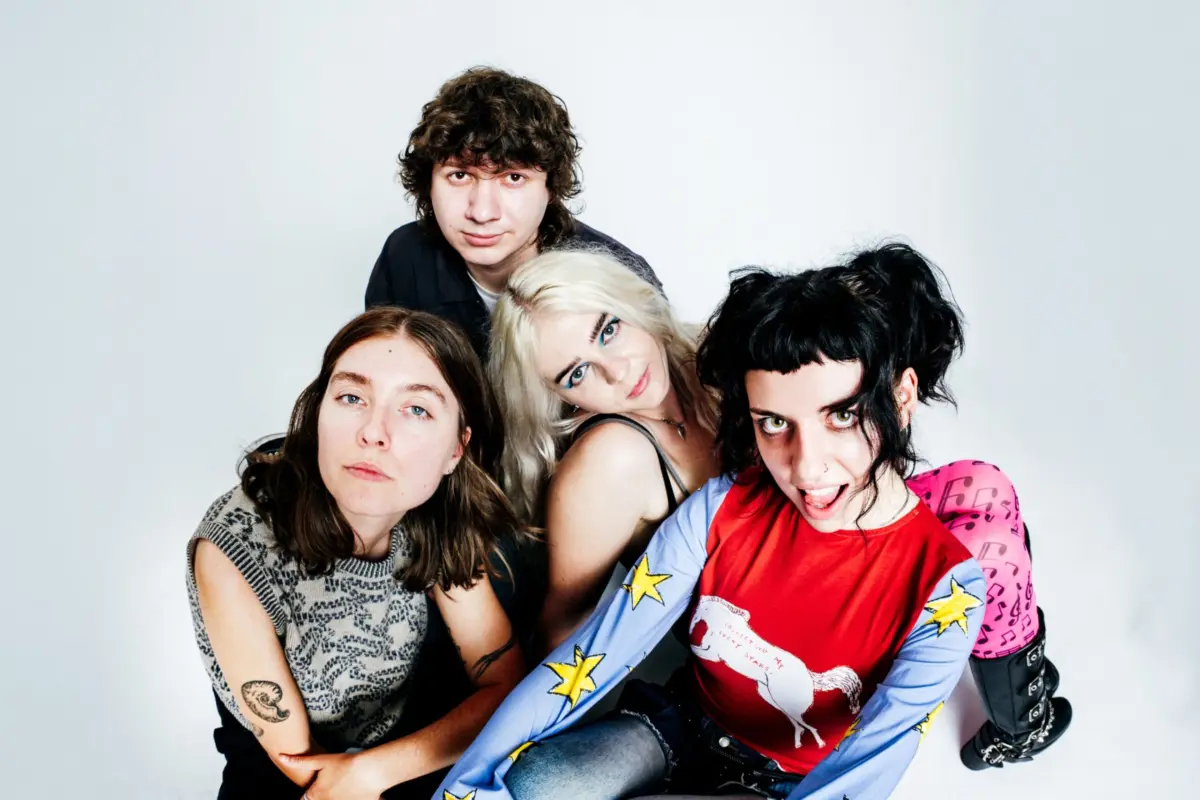
In the fast-paced, high-churn ecosystem of modern independent rock, few bands have cultivated as distinct a trajectory in as short a time as The Dutch Kills. Formed just three years ago in 2023, the rising outfit has rapidly transitioned from underground upstarts to a formidable touring and recording entity. Their journey has taken them from buzzy showcases at SXSW to sharing stages with esteemed indie-rock stalwarts like Teen Jesus & The Jean Teasers, The Frights, Starcleaner Reunion, and Thesaurus Rex.
Now, following the dark, high-gloss production of their 2025 breakthrough EP, The Rot, the band is preparing to pivot sharply with their upcoming five-track collection, Going Dutch.
Led by the arresting vocals of frontwoman Julia Von Dutch, the project’s latest single marks a deliberate sonic departure. Trading the aggressive edges of their past material for a softer, more atmospheric landscape, the track is a dizzy, sweeping ballad that captures the intoxicating rush of youthful invincibility.
Yet, the evolution of The Dutch Kills extends far beyond a mere stylistic pivot in songwriting; it represents a philosophical reclamation of their creative process. While The Rot was forged within the hallowed, high-budget confines of legendary spaces like The Hit Factory and Electric Lady Studios under the stewardship of renowned producers Aleksi Godard and Gordon Raphael, Going Dutch embraces the raw, unpredictable intimacy of a friend’s living room. By pulling their sound in every conceivable direction, The Dutch Kills are proving that true artistic growth often requires tearing down the walls of convention—both literal and figurative.
Detailed Chronology: From 2023 Roots to the Living Room Sessions of 2026
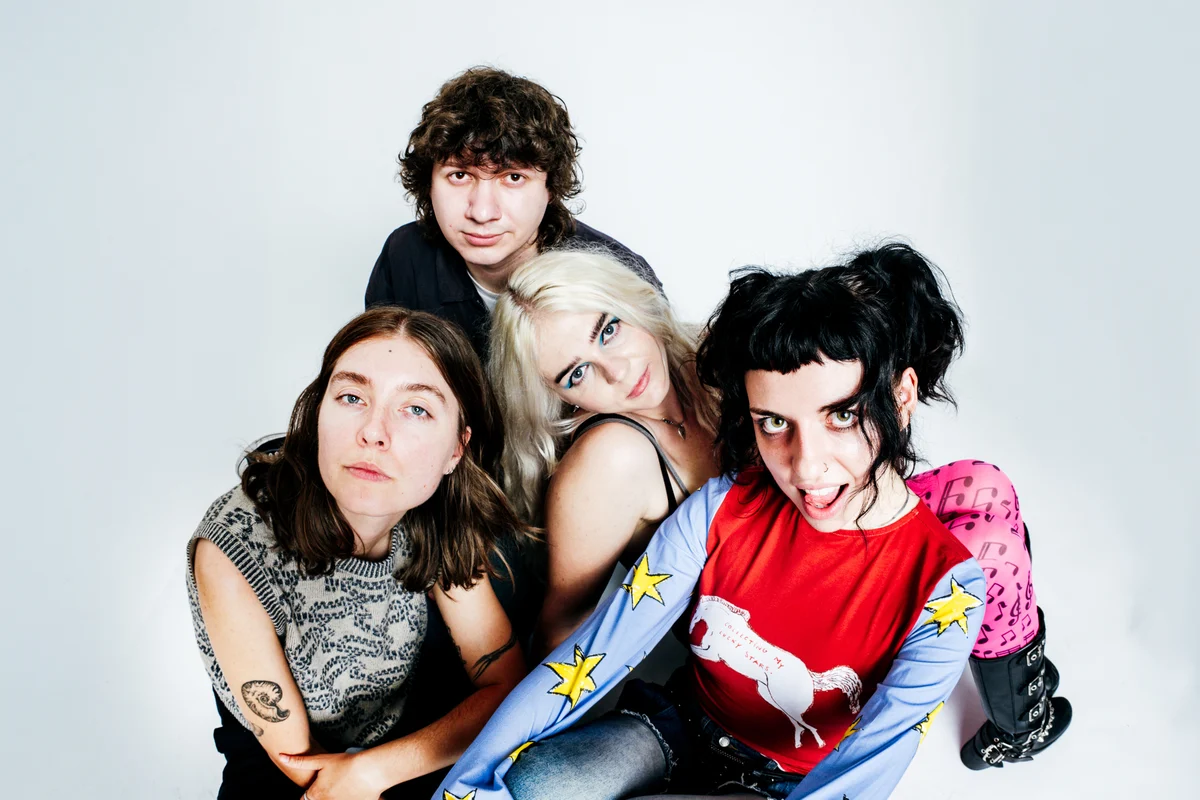
To understand the weight of Going Dutch, one must retrace the meteoric timeline of The Dutch Kills. Emerging in 2023, the band—comprising Julia Von Dutch and Alec Berry on guitars, Maxine McCormick on bass, and Heather Jensen on drums—hit the ground running. Eschewing the traditional, localized growing pains typical of new acts, the quartet immediately established a relentless gigging schedule.
Their early momentum culminated in dual appearances at South by Southwest (SXSW), an invaluable proving ground that exposed them to national tastemakers and international audiences alike. These high-visibility festival runs quickly translated into prestigious support slots. The Dutch Kills found themselves sharing bills with a diverse roster of established and emerging indie acts, including the explosive energy of Teen Jesus & The Jean Teasers and the surf-punk sensibilities of The Frights. These live performances forged a tight-knit musical chemistry among Von Dutch, Berry, McCormick, and Jensen, turning them into a fiercely cohesive unit on stage.
By 2025, the band was ready to capture their raw live power in the studio. They entered New York City’s historic recording meccas—The Hit Factory and Electric Lady Studios—to record their debut EP, The Rot. Enlisting the production talents of Aleksi Godard and Gordon Raphael (best known for his iconic work with The Strokes), the band crafted a record steeped in polish, heavy instrumentation, and an intense, brooding atmosphere. The Rot established The Dutch Kills as a band with serious sonic architecture, capable of standing shoulder-to-shoulder with contemporary indie royalty.
However, creative stagnation is the silent killer of modern rock bands. Rather than resting on the formula that birthed The Rot, the members of The Dutch Kills chose to dismantle their process entirely for their follow-up project. Moving away from the pristine mixing boards and multi-million-dollar mixing rooms of Manhattan, the band relocated their operations to a more domestic, organic environment: a friend’s living room.
This DIY relocation was not merely a budget-conscious pivot, but a deliberate aesthetic choice. Stripped of the clinical perfection that commercial studios often impose, the band found a newfound freedom in recording Going Dutch. The resulting five-track collection—featuring songs like "Molly Screams," "Boulder," "We Both Can’t Be Wrong," "The Bark Song," and "Rearrange Me"—reflects a band boldly experimenting with their parameters, testing the structural integrity of their genre roots, and capturing an unvarnished authenticity that cannot be replicated in a commercial isolation booth.
Supporting Context & Metrics: The Anatomy of a Genre Pivot
In evaluating the artistic stakes of Going Dutch, industry analysts and music critics alike look closely at the mechanical shift between The Rot and this new five-track collection.
When analyzing the instrumentation of The Rot, listeners were met with a dense, walls-of-sound production style characteristic of Raphael and Godard’s collective portfolios. Guitars operated with razor-sharp distortion, rhythm sections served as driving mechanical anchors, and vocal takes were layered to cut through high-decibel arrangements. It was a textbook execution of modern indie-rock revivalism, engineered for maximum sonic impact on festival main stages.
Conversely, the lead single from Going Dutch reveals a dramatic recalibration of the band’s sonic metrics. The instrumentation—anchored by the dual-guitar interplay of Von Dutch and Berry, underpinned by McCormick’s melodic basslines and Jensen’s nuanced, restrained percussion—breathes with a spatial awareness absent from their previous work. The decision to embrace a "dizzy ballad" structure points toward a mature understanding of dynamics. Rather than relying on sustained volume to convey emotion, the band utilizes space, silence, and timbral warmth.
Furthermore, the logistical shift from Electric Lady Studios to a living room setup carries significant weight in the modern landscape of independent music. In an era where bedroom pop and lo-fi aesthetics have democratized production, major indie acts frequently struggle to return to grassroots methods without sounding regressive. The Dutch Kills manage to bypass this trap by applying the technical chops and tightness acquired through years of high-pressure studio sessions and national touring to a radically stripped-down recording environment.
The resulting metrics of the tracklist—spanning five distinct emotional and sonic spaces across "Molly Screams," "Boulder," "We Both Can’t Be Wrong," "The Bark Song," and "Rearrange Me"—demonstrate an unprecedented range for a young band on only their second major release cycle.
Official Statements and Artistic Vision
The creative philosophy driving Going Dutch is best understood through the words of the band members themselves, who have been remarkably transparent about their shifting artistic identities.
Speaking on the emotional core of the EP’s lead single, Julia Von Dutch offered a deeply personal reflection on the inspiration behind the track:
"It felt like an anthem for young love and feeling invincible when you’re with the person you love and no one can tell you different."
This sentiment of emotional invincibility directly informs the song’s sonic softness. Rather than fighting against the sentiment with aggressive guitars, the arrangement mirrors the vulnerability and weightlessness of that specific emotional state.
On a broader organizational and production level, the band reflected on the systemic shift from their 2025 recording sessions to their current DIY ethos. In a joint statement regarding the creation of Going Dutch, the members remarked:
"We’re really pulling our sound in every possible direction on this thing."
This declaration serves as a mission statement for the five-track collection. By transitioning from the legendary rooms of The Hit Factory to the unpretentious walls of a domestic living space, The Dutch Kills have effectively signaled that they refuse to be boxed into a singular stylistic lane. Whether they are exploring the jangly, contemplative atmosphere of "Boulder" or the driving introspection of "Rearrange Me," the band is actively stress-testing their boundaries, ensuring that no two releases sound cut from the same cloth.
Future Outlook: The Road to Baby’s All Right and Beyond
As the release date for Going Dutch approaches, all eyes in the independent music community are fixed on New York City. The band’s trajectory will hit its next major milestone on December 18, when The Dutch Kills take the stage at Baby’s All Right in Brooklyn for an eagerly anticipated EP release show.
Baby’s All Right has long served as a cultural incubator for Brooklyn’s most vital emerging rock acts, making it the ideal venue for a band looking to debut a radically transformed sound. For a group that cut its teeth on major festival stages like SXSW and across national tours with acts like The Frights and Starcleaner Reunion, an intimate headline room offers the perfect crucible to test how these living-room-recorded anthems translate back into a high-energy live environment.
Looking further ahead into 2026 and beyond, Going Dutch poses an intriguing question regarding the band’s long-term viability: Can a young rock band successfully maintain momentum while constantly reinventing their sonic palette?
If the early reception to their latest material is any indicator, the answer is a resounding yes. By refusing to rest on the laurels of The Rot and actively dismantling the expectations built around their early indie-rock identity, The Dutch Kills have positioned themselves not merely as a buzzy flavor of the week, but as a deeply adventurous, enduring musical force.
As fans prepare to unwrap the five tracks of Going Dutch—from the haunting opener "Molly Screams" to the sweeping emotional architecture of the closer "Rearrange Me"—it is clear that The Dutch Kills are writing their own rules, one unexpected chord change at a time.