
Executive Overview
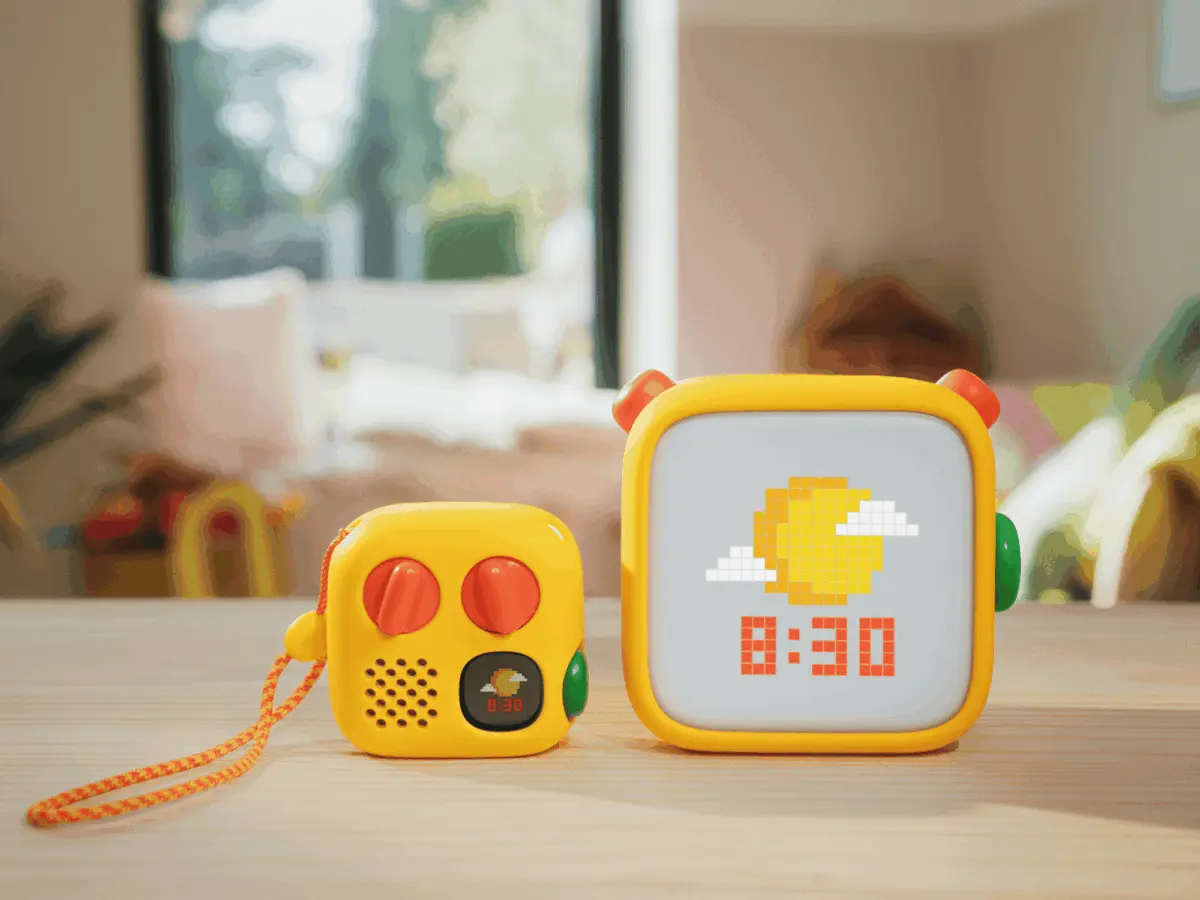
The landscape of children’s consumer electronics has undergone a profound transformation over the past decade, moving away from addictive, screen-based tablets and toward tactile, independent, screen-free audio systems. At the forefront of this movement is Yoto, a British startup that began its journey as a modest crowdfunding campaign. This week, Yoto marks a major milestone in its corporate lifecycle by officially debuting two fourth-generation devices: the flagship Yoto Player (4th Gen) and the ultra-portable Yoto Mini (4th Gen).
While tech manufacturers often bombard the market with meaningless buzzwords and incremental upgrades, Yoto’s latest hardware release introduces a remarkably practical, user-driven innovation: the "Green Button." This simple yet highly anticipated feature addresses one of the primary friction points of the ecosystem by allowing children to instantly access their favorite playlists and stories directly through the device, eliminating the strict requirement to insert a physical smart card.
Alongside hardware refinements, the new generation introduces sophisticated software routines designed to assist parents and carers with daily parenting workflows—from morning toothbrush timers to bedtime lullabies and white noise loops. Priced competitively at £119.99 for the full-sized Yoto Player and £89.99 for the Yoto Mini, these new offerings arrive at a time of exceptional commercial momentum for the company. Fresh off financial reports showing a staggering 86% year-on-year revenue surge to £94.8m in 2024, Yoto is rapidly cementing its status as a dominant force in the global kids’ tech and audio-publishing sector.
Detailed Chronology: From Kickstarter Curiosity to Household Staple
To understand the weight of the fourth-generation hardware launch, it is essential to trace Yoto’s trajectory from its unconventional origins to its current status as an international market leader.
2017–2019: The Kickstarter Genesis
Yoto’s story officially began in late 2017 when the company—founded by former 7digital boss Ben Drury and co-founder Philip Fernbach—launched its debut smart speaker for children on Kickstarter. The core premise was brilliantly simple: give young children total control over their audio consumption through physical "smart cards" that they could insert into a custom-built, blocky orange or white cube. Unlike smartphones or tablets, there were no touchscreens, no pop-up ads, and no algorithms pushing unpredictable content. The campaign struck a chord with millennial parents looking for ways to foster independent play without exposing their toddlers to blue light and digital rabbit holes.
2020–2022: Expanding the Form Factor and Surviving Headwinds
As demand for home entertainment soared during the global shifts of 2020, Yoto expanded its hardware lineup with the introduction of the Yoto Mini. Designed specifically for travel, car rides, and smaller hands, the Mini replicated the core functionality of its larger sibling in a compact, highly portable chassis. Despite supply chain disruptions that affected consumer electronics globally during this period, Yoto successfully scaled its manufacturing, built out a robust licensing library featuring major publishers like Penguin Random House and Disney, and cultivated an intensely loyal community of parents—often referred to in online circles as the "Yoto Fam."
2023–2024: Exponential Commercial Scaling
By 2023, the brand had transcended its status as a niche Kickstarter darling and evolved into a serious commercial contender, going toe-to-toe with established giants like Tonies. Financial filings submitted to the UK Companies House revealed the true scale of this expansion. In its 2024 financial results, Yoto reported breathtaking revenues of £94.8 million—representing a year-on-year growth rate of nearly 86%. This explosive financial growth was fueled by international expansion, particularly into the North American market, alongside a thriving digital marketplace where users could purchase physical cards, blank make-your-own cards, and digital audio content.
September 2026: The Fourth-Generation Era
Marking nearly a decade since its initial crowdfunding pitch, Yoto introduced its fourth-generation hardware line. The release of the 4th Gen Yoto Player and Yoto Mini signals a maturation of the product ecosystem. Rather than reinventing the wheel, the company listened closely to user feedback, resolving long-standing usability pain points while future-proofing the devices for advanced software integration.
Supporting Context & Metrics: Decoding Yoto’s Financial and Market Dominance
To contextualize the launch of the fourth-generation devices, one must examine the broader economic landscape of the children’s audio market and Yoto’s specific financial metrics.
Financial Health and Revenue Trajectory
Yoto’s financial performance places it in an elite tier of hardware startups that successfully transitioned from early-stage venture funding to profitable, scale-up sustainability.
- 2024 Revenue: £94.8 million.
- Year-on-Year Growth: ~86%.
- Market Valuation & Investor Confidence: Backed by notable venture capital firms and strategic investors, Yoto has successfully raised multiple rounds of funding to finance its global logistics, inventory management, and proprietary audio platform.
- Pending 2025 Financials: With market analysts eagerly anticipating the publication of Yoto’s 2025 financial disclosures, expectations are exceptionally high. Industry observers predict that the company will cross crucial profitability milestones as economies of scale take full effect.
The Screen-Free Movement: A Macro Trend
Yoto’s financial surge is not an isolated phenomenon; it rides the crest of a massive cultural wave. Modern parents are increasingly suffering from "screen fatigue" and are acutely aware of the cognitive and behavioral impacts of early childhood smartphone and tablet usage.
Academic studies and child psychology reports consistently warn against the dopamine loops created by endless-scroll video platforms. In response, the market for tactile, analog-style toys with digital hearts has boomed. Competitors like Tonies (famous for its magnetic audio figures) have also experienced massive public adoption. However, Yoto has carved out a distinct competitive advantage through its flat, credit-card-sized media formats—which are cheaper to manufacture, easier for children to store in wallets or binders, and far more portable than molded plastic figurines.
Official Innovations: Inside the 4th Generation Devices
The launch of the fourth-generation hardware line brings several crucial upgrades that directly impact day-to-day usability for both children and parents.
The "Green Button": Bridging Physical and Digital Worlds
For years, the cardinal rule of the Yoto ecosystem was physical: to play a story, music album, or podcast, a child had to physically slot a card into the top of the player. While this tactility is a core pedagogical feature of the device, it occasionally created friction. If a child lost a card, or wanted to quickly jump to a favorite playlist without rummaging through their collection, they were out of luck.
The introduction of the new Green Button on the 4th Gen devices solves this elegantly. Directly tied to the Yoto companion app, the Green Button can be programmed to provide instant, one-touch access to designated favorite audio streams, stories, or playlists. It strikes a delicate balance: it preserves the device’s screen-free independence while offering a seamless shortcut to frequently loved media managed by parents through the app.
Advanced "Routines" and Customization
Modern parenting relies heavily on consistency and structured schedules. Yoto’s software engineering team has leaned into this reality by introducing advanced Routines for the 4th Gen Player.
Parents and carers can now program automated sequences directly through the companion app. For example:
- Morning Routine: At 7:00 AM, the player automatically triggers a kid-friendly daily news podcast accompanied by a fun, built-in toothbrush timer.
- Bedtime Routine: At 7:30 PM, the device gently transitions into soothing lullabies, followed by a continuous loop of white noise to help the child drift off to sleep.
This transforms the Yoto Player from a passive toy into an active, automated assistant in child development and household management.
Pricing and Global Shipping Schedules
Yoto has structured its rollout to capture the crucial back-to-school and upcoming holiday shopping windows:
- Yoto Mini (4th Gen): Priced at £89.99, with shipping slated to begin by the end of September.
- Yoto Player (4th Gen): Priced at £119.99, with units scheduled to land on customer doorsteps by mid-October.
Both devices feature enhanced battery life, improved acoustic performance, and more robust wireless connectivity modules, ensuring they can withstand the rigorous treatment typically handed out by young children.
Future Outlook: What’s Next for the Screen-Free Audio Pioneer?
As Yoto steps into its next chapter with fourth-generation hardware and soaring revenues, the company faces both immense opportunities and strategic challenges.
1. Deepening Content Partnerships
Hardware is merely the delivery vehicle; the true long-term value of the Yoto ecosystem lies in its software and audio library. Moving forward, industry analysts expect Yoto to aggressively expand its licensing agreements with major global media conglomerates, educational publishers, and independent podcast creators. The ability to offer exclusive, high-profile audio adaptations of beloved children’s literature will remain the primary moat against aggressive hardware competitors.
2. Geographical Expansion and Retail Penetration
While Yoto has achieved dominant market penetration in the UK and built a fiercely loyal following in North America, vast territories in continental Europe, Asia-Latin America, and beyond remain ripe for localization. Translating the platform, securing localized publishing rights, and establishing robust physical retail partnerships in these regions will be critical for sustaining its 80%+ growth trajectories.
3. Sustainability and Circular Economy
As a hardware manufacturer producing hundreds of thousands of plastic-based electronic devices and PVC cards annually, Yoto faces rising consumer and regulatory expectations regarding environmental sustainability. Future iterations of the platform will likely need to emphasize recycled plastics, modular repairability, and eco-friendly card manufacturing processes to maintain its brand equity with environmentally conscious millennial and Gen Z parents.
Conclusion
Yoto’s journey from a humble Kickstarter campaign to a £94.8m enterprise is a masterclass in product-market fit and thoughtful consumer tech design. With the debut of the fourth-generation Yoto Player and Yoto Mini—bolstered by the ingenious Green Button and intelligent family routines—the company has proven that it listens deeply to its user base. As the tech world continues to grapple with the fallout of screen-based childhoods, Yoto stands out as a beacon of healthy, independent, and imaginative audio entertainment.