
PHILADELPHIA, PA — For decades, the intersection of vocal science, artistic expression, and medical pedagogy has been championed by a singular, preeminent institution: The Voice Foundation. In a special investigative edition of the foundation’s official publication, The Voice, guest editors and organizational leaders have pulled back the curtain on what drives the visionaries guiding the global community today.
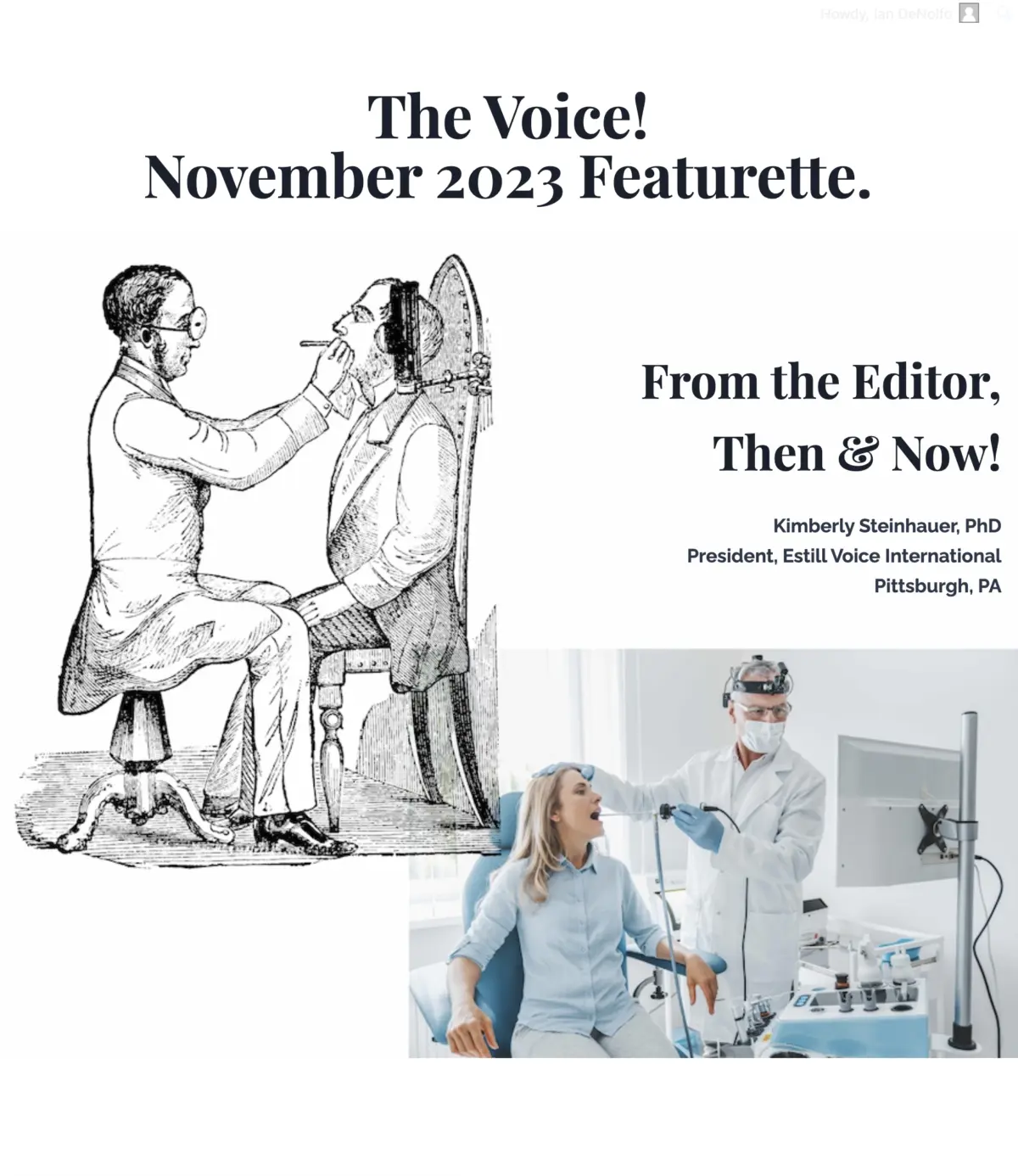
Spearheaded by Dr. Kimberly Steinhauer—President of Estill Voice International and a prominent voice in vocology—the recent "Then & Now" issue explores the foundational motivations, historical trajectories, and institutional ethos of the leaders who steer the organization. Far more than a nostalgic trip down memory lane, this editorial initiative offers a masterclass in organizational continuity, tracing the personal and professional evolution of leaders who have dedicated their lives to the human voice.
Executive Overview: The Architecture of Vocal Leadership
At its core, the latest issue of The Voice asks a deceptively simple question: What motivates the architects of modern vocal science? By leaning into the ubiquitous cultural language of social media "Then/Now" memes, the publication bridges the gap between historical legacy and contemporary relevance. Yet, beneath the playful framing lies a rigorous, investigative deep-dive into the institutional knowledge that sustains The Voice Foundation.
The genesis of this investigative survey can be traced directly to the 2023 Symposium’s G. Paul Moore Lecture. Delivered by the accomplished Margaret Baroody, M.M., the lecture served as a profound meditation on institutional memory, the passing of the torch, and the preservation of vocological heritage. Inspired by Baroody’s insights, Dr. Steinhauer formulated a probing questionnaire titled "Ten Questions for our Leaders."
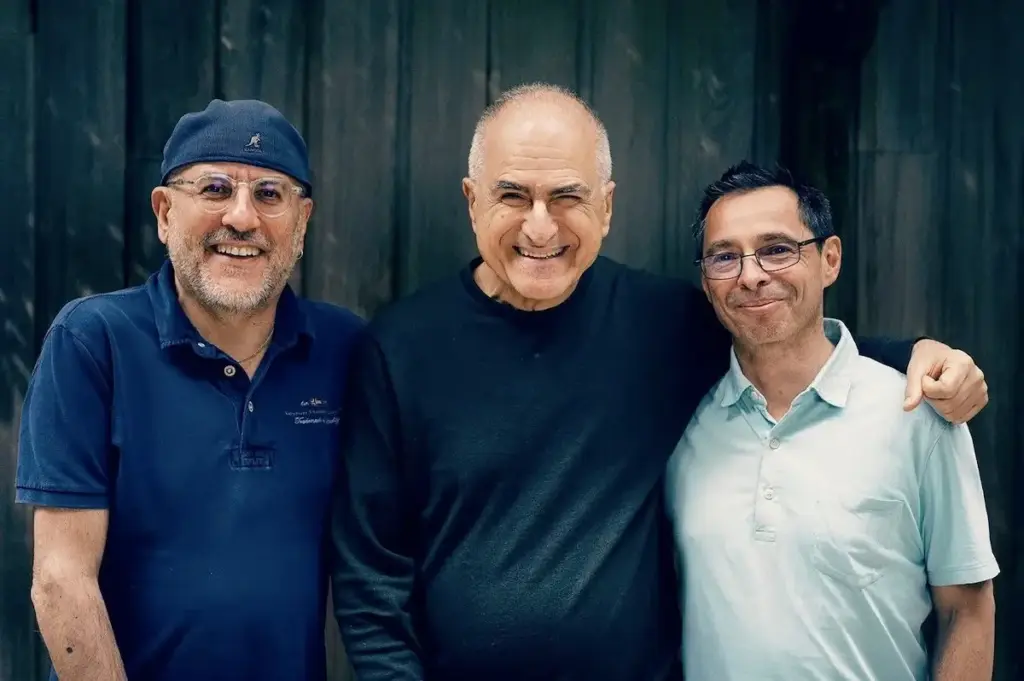
This initiative successfully captured the personal and professional trajectories of key administrative pillars:
- Dr. Kimberly Steinhauer, President of Estill Voice International and Editor of the special issue.
- Ian DeNolfo, Executive Director of The Voice Foundation.
- Dr. Michael Johns III, Chairman of the Advisory Board.
- Dr. Robert T. Sataloff, Chairman of the Board of Directors and a titan in the field of otolaryngology and laryngology.
Through these leaders’ testimonies, readers gain unprecedented access to the driving forces behind an organization that has spent over half a century defining the multidisciplinary study of the voice.
Detailed Chronology: From Academic Curiosity to Institutional Stewardship
To understand where The Voice Foundation is heading, one must examine the developmental timelines of its leadership. The narrative arc shared by these individuals reveals a common denominator: an early convergence of disparate disciplines—specifically music, science, and education.
The Formative Years: The Intersection of Art and Science
For Dr. Kimberly Steinhauer, the journey began as a synthesis of passions. "Back then, I hoped to combine my love of music with my interest in science and my joy of teaching," Steinhauer reflects in her editorial opening.
This tripartite ambition—balancing the artistic subjectivity of singing with the objective, empirical demands of acoustic science and pedagogical methodology—is the hallmark of modern vocology. Steinhauer notes that she deliberately pursued undergraduate and graduate degrees designed to weave these threads together. Today, her "now" mirrors her "then," albeit with refined expertise as a singer, researcher, and educator. Her journey reflects a broader generational shift within the vocal arts, where performers no longer rely solely on intuition, but increasingly embrace biomechanical and acoustic literacy.
The Symposium as a Catalyst
The historical timeline of The Voice Foundation is inextricably linked to its annual symposia—gatherings that have served as international crucibles for otolaryngologists, speech-language pathologists, singing teachers, and performing artists.
The inclusion of the G. Paul Moore Lecture as a foundational pivot point for the "Then & Now" issue highlights the importance of historical consciousness within the organization. G. Paul Moore was a pioneer in speech science and laryngology, and lectures dedicated to his memory invariably force the community to look backward in order to leap forward. Margaret Baroody’s 2023 address did precisely that, reminding attendees that the breakthroughs of today—ranging from advanced laryngeal stroboscopy to sophisticated voice therapy protocols—rest entirely on the shoulders of historical giants who refused to let vocal disorders remain an unmapped frontier.

Supporting Context & Metrics: The Ecosystem of Vocal Research
The modern landscape of voice science is vastly different from the era in which The Voice Foundation was first established. Understanding the significance of the leadership’s reflections requires looking at the broader quantitative and qualitative metrics governing voice research and education in the 21st century.
The Interdisciplinary Imperative
Voice care is no longer siloed. Modern clinical and artistic environments demand a tripartite collaboration known historically as the voice team:
- The Laryngologist/Otolaryngologist: Medical and surgical management of vocal fold pathology.
- The Speech-Language Pathologist (SLP): Rehabilitative therapy for voice disorders.
- The Voice Pedagogue/Coach: Functional training for healthy, elite vocal performance.
The leaders highlighted in The Voice—spanning surgical medicine (Dr. Sataloff), advisory governance (Dr. Johns), executive administration (DeNolfo), and pedagogical science (Dr. Steinhauer)—embody this multidisciplinary necessity.
The Digital Evolution of Communication
The transition of foundational publications like The Voice from physical print newsletters to dynamic, digitally archived web issues (such as the November 2023 digital edition hosted at voicefoundation.org) reflects a wider trend in academic and clinical outreach. Digital distribution allows peer-reviewed insights, historical reflections, and organizational updates to reach a truly global cohort of researchers, students, and practitioners across North America, Europe, Asia, and beyond.
Official Statements and Reflections: The "Ten Questions" Survey
The centerpiece of the special issue is the candid feedback gathered through Dr. Steinhauer’s "Ten Questions for our Leaders." While space precludes a full transcription of every response, the synthesis of insights from Executive Director Ian DeNolfo, Advisory Board Chairman Dr. Michael Johns III, and Board Chairman Dr. Robert T. Sataloff paints a vivid picture of institutional humility and visionary dedication.
A Culture of Collective Effort
A recurring theme in the statements provided by the leadership core is a steadfast refusal to accept unilateral credit for the foundation’s monumental successes. Each leader was quick to deflect individual praise, pointing instead to the vast army of researchers, clinicians, artists, and volunteers working tirelessly behind the scenes.
- Dr. Robert T. Sataloff, whose contributions to laryngology have shaped international standards of care, emphasized the continuous need for rigorous scientific inquiry paired with artistic empathy. His journey from an aspiring medical professional to a global authority mirrors the institutional maturation of The Voice Foundation itself.
- Dr. Michael Johns III, bringing his extensive clinical and advisory acumen to the forefront, underscored the importance of adaptive leadership. The challenges facing the human voice today—ranging from environmental pollutants and post-viral vocal neuropathies to the demands of heavy professional vocal loading in the gig economy—require an advisory board that is both scientifically rigorous and forward-thinking.
- Ian DeNolfo, operating from the executive vantage point, highlighted the logistical and community-building efforts required to keep a multi-faceted international foundation thriving. DeNolfo’s reflections on his tenure reveal an unwavering commitment to operational excellence, ensuring that researchers and clinicians have the institutional resources necessary to pursue groundbreaking vocological studies.
As Dr. Steinhauer playfully noted regarding her own contribution—confessing that her "now" photo is actually a bit of a "then"—the leaders of The Voice Foundation share a timeless dedication that transcends chronological aging. Their commitment to the vocal instrument remains as fresh and vibrant as it was at the inception of their respective careers.
Future Outlook: The Next Horizon for The Voice Foundation
As The Voice Foundation looks toward the future, the insights preserved in the "Then & Now" issue serve as a strategic compass. The challenges and opportunities facing voice science in the coming decades are profound.
Emerging Frontiers in Vocology
- Artificial Intelligence and Machine Learning: The integration of AI in acoustic analysis and laryngeal imaging promises earlier detection of pathologies and more precise tracking of rehabilitation outcomes.
- Regenerative Medicine: Continued advancements in stem cell research and biomaterials offer unprecedented hope for the repair of scarred or damaged vocal fold tissue.
- Global Accessibility: Leveraging digital platforms to democratize access to elite voice science education, ensuring that teachers and clinicians in underserved regions can benefit from the foundational knowledge housed within The Voice Foundation.
Preserving the Human Element
Despite the rapid march of technology, the core message of the leadership survey remains resolutely human. Whether examining the acoustic waveforms of an opera singer or rehabilitating the speaking voice of a frontline educator, the mission of The Voice Foundation remains anchored in the profound human need to communicate, express, and connect.
By honoring its institutional memory—as illuminated by Margaret Baroody’s G. Paul Moore Lecture and captured through the candid lenses of Steinhauer, Sataloff, Johns, and DeNolfo—The Voice Foundation demonstrates that true leadership is an ongoing dialogue between the wisdom of the past and the innovations of the future.
For more information on upcoming symposia, research grants, and to explore the complete November 2023 digital edition of The Voice, visit The Voice Foundation.