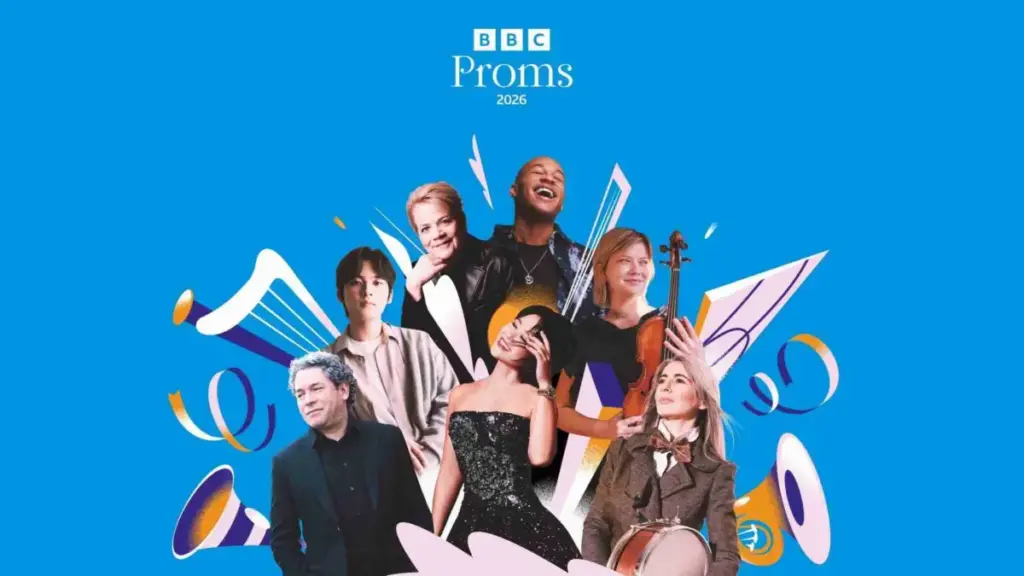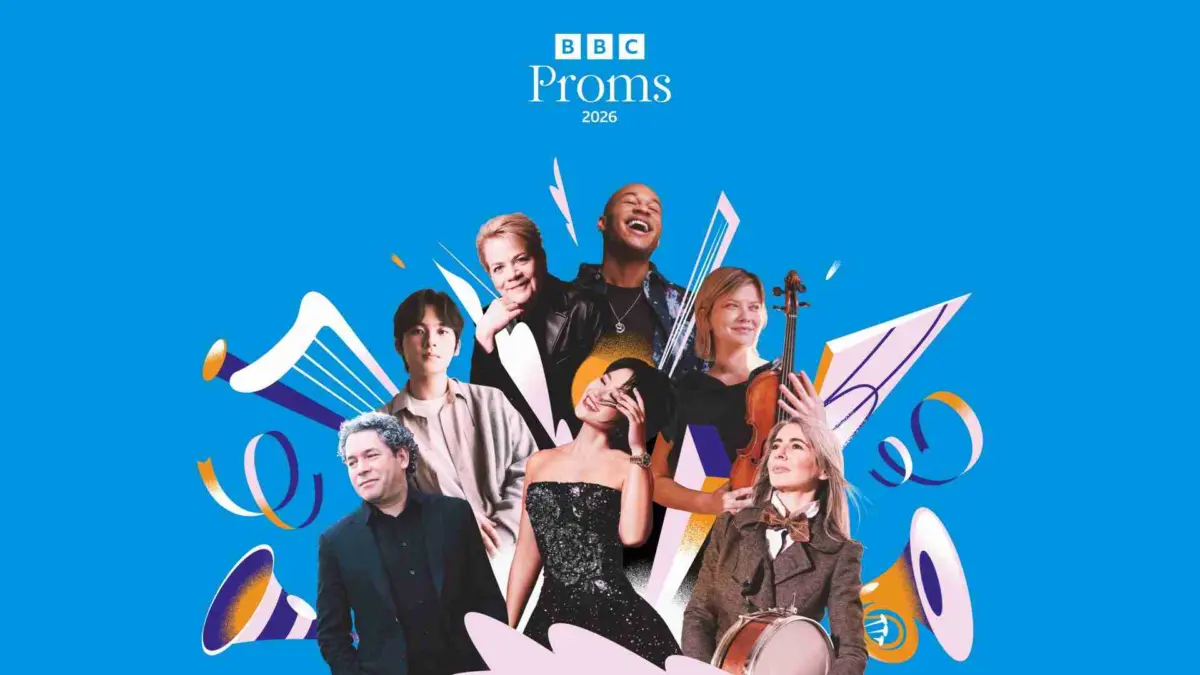

LONDON — The world’s greatest classical music festival is preparing for its most expansive, culturally resonant, and geographically ambitious season in recent memory. Spanning eight weeks from July 17 to September 12, 2026, the BBC Proms will return to the Royal Albert Hall and venues nationwide with a staggering 86 concerts, mobilizing more than 3,000 musicians in an awe-inspiring celebration of orchestral might, contemporary daring, and democratic access.
While the raw metrics of the festival remain staggering, the 2026 season possesses a distinct, cohesive narrative. It is a season that deliberately bridges old-world heritage and new-world innovation, anchored by a powerful transatlantic dialogue. Marking 250 years since the United States Declaration of Independence, the programming leans heavily into American repertoire, iconic institutions, and pioneering artists, all while reinforcing a steadfast commitment to British creativity, regional expansion, and genre-defying accessibility.
Executive Overview: A Festival of Scale and Strategy
The overarching philosophy of the 2026 BBC Proms can be summarized in a single word: balance. In an era where cultural institutions face unprecedented pressures regarding relevance, diversity, and financial sustainability, the Proms has charted a confident, forward-thinking course.
The core mission established more than a century ago—to bring the greatest classical music to the widest possible audience at affordable prices—remains the beating heart of the enterprise. This is evidenced by the allocation of over 70,000 legendary £8 standing tickets for the Arena and Gallery at the Royal Albert Hall, alongside comprehensive, multi-platform broadcasting across BBC Radio 3, television, and digital streaming via BBC iPlayer. Building on record-breaking digital audiences from previous years, the 2026 season ensures that whether a listener is standing shoulder-to-shoulder under the sprawling mushroom canopy of the Royal Albert Hall or tuning in from a smartphone halfway across the globe, the Proms experience remains immediate and unfiltered.
Yet, beyond the democratic ethos lies a fiercely ambitious artistic vision. The 2026 festival is structured to confront major historical milestones, champion living composers, integrate non-classical traditions seamlessly into the orchestral canon, and push the festival’s physical boundaries further across the United Kingdom than ever before.
Detailed Chronology & Curatorial Highlights
The eight-week festival is a carefully calibrated journey, moving from explosive, star-studded openings to deeply reflective anniversaries, and culminating in the beloved pageantry of the Last Night.
The Opening Volley: Setting the Transatlantic Tone
The First Night of the Proms (July 17) sets an immediate, vibrant tone for the summer. Merging the syncopated rhythms of the New World with European sophistication, the programme features foundational works by Aaron Copland, George Gershwin, and Maurice Ravel. Crucially, the evening also offers a platform for contemporary British composition, unveiling a major new BBC commission by Josephine Stephenson that showcases the organization’s continuous investment in living musical voices.
America Takes Centre Stage
The 250th anniversary of the US Declaration of Independence reverberates throughout the summer, inspiring some of the most anticipated international visits in decades. Chief among these is the long-awaited return of the Los Angeles Philharmonic under the charismatic leadership of Gustavo Dudamel. Absent from the Proms for nearly a quarter-century, the LA Phil represents the pinnacle of modern American orchestral dynamism and will undoubtedly command one of the hottest tickets of the entire season.
Equally monumental is the Proms debut of the Metropolitan Opera Orchestra under Music Director Yannick Nézet-Séguin. Bringing the peerless theatricality and lush sonic world of New York’s greatest opera house to Kensington Gore for performances of Strauss and Mahler is a coup for the festival organizers.
The American focus extends deeply into contemporary composition and jazz heritage:
- Wynton Marsalis’s Concerto for Orchestra receives its highly anticipated UK premiere.
- Jessie Montgomery’s new Cello Concerto underscores the vibrant aesthetic currently driving American concert halls.
- Maestro Marin Alsop leads a dedicated "American Classics" showcase.
- A special centenary tribute to Miles Davis signals the Proms’ continued, unyielding willingness to embrace jazz within its expansive remit.
Global Heavyweights, Debuts, and Virtuosic Soloists
While the American narrative is dominant, the Proms remains the global nexus for the world’s elite orchestras. The Berlin Philharmonic, Munich Philharmonic, and Oslo Philharmonic all return to cement their long-standing relationships with British audiences. Meanwhile, the Spanish National Orchestra and the Mahler Academy Orchestra make their historic Proms debuts, injecting fresh interpretive approaches into the schedule.
Soloist rosters read like a pantheon of classical music royalty:
- Pianists: Martha Argerich, Yuja Wang, and Yunchan Lim headline a glittering piano roster capable of filling the Royal Albert Hall ten times over.
- Strings: Violin luminaries Augustin Hadelich and Leonidas Kavakos bring supreme technical polish and emotional depth to the concerto repertoire.
British Voices, Firmly Amplified
For all its international flair, the backbone of the festival remains resolutely British. The BBC’s own performing ensembles—including the BBC Symphony Orchestra, BBC Concert Orchestra, BBC Scottish Symphony Orchestra, and BBC Singers—appear no fewer than 42 times across the season. In total, 41 UK orchestras and choirs contribute to a genuinely national effort.
Among the standout British highlights:
- A new triple concerto composed by Gwilym Simcock specifically tailored for superstar cellist Sheku Kanneh-Mason, accordionist Jess Gillam, and horn player Ben Goldscheider. This performance marks a full decade since these three artists launched their careers via the BBC Young Musician competition.
- A spellbinding Late Night Prom featuring percussion virtuoso Dame Evelyn Glennie.
- The Black Dyke Band, bringing the rich, resonant tradition of British brass banding to the fore of the festival.
- A comprehensive traversal of Benjamin Britten’s oeuvre, marking the 50th anniversary of his death with programmes spanning his early juvenilia to his towering major orchestral and operatic statements.
A Living Laboratory: 20 Premieres
Refusing to serve merely as a museum for canonical hits, the 2026 Proms features 20 premieres, including 17 brand-new BBC commissions. This diverse showcase bridges generations, featuring nonagenarian legends like Thea Musgrave and Betsy Jolas, established contemporary heavyweights like Mark-Anthony Turnage, and the fresh, untethered imaginations of emerging voices in the annual Young Composer showcase. Spanning orchestral, chamber, and cross-genre contexts, these new works ensure the Proms functions as a living, breathing laboratory for contemporary musical thought.
Supporting Context & Metrics: By the Numbers
To understand the sheer logistical and cultural footprint of the BBC Proms 2026, one must examine the scale of its operation:
- Concerts: 86 distinct, high-profile concerts taking place over 56 days.
- Performers: More than 3,000 individual musicians, vocalists, and conductors gracing the stages.
- Access: Over 70,000 £8 arena and gallery standing tickets, preserving the legendary "Prommer" culture.
- BBC Presence: 42 appearances by the BBC’s in-house orchestras and choirs, supported by 41 external UK musical organizations.
- New Music: 20 premieres, driven by 17 exclusive BBC commissions.
- Geographic Spread: Events held in London alongside major residencies in Bristol, the North-East, and a historic first-ever visit to Mold in North Wales.
Crossing Genres and Expanding Audiences
If there is a single defining characteristic of the modern Proms, it is its aggressive dismantling of genre boundaries. Classical music does not exist in a vacuum, and the 2026 season leans joyfully into this reality.
Audiences can experience a celebratory 40th-anniversary tribute to Paul Simon’s landmark album Graceland, a thunderous symphonic Prog Rock night, genre-crossing celebrations of Marvin Gaye, and immersive orchestral tributes to legendary James Bond film scores. For world-music aficionados, Turkish psych-folk outfit Altın Gün brings electrifying crossover energy to the late-night schedule.
Family programming is equally robust, designed to cultivate the next generation of music lovers. Offerings range from the enchanting film compositions of Alan Menken to the witty, educational spectacle of Horrible Science: The Big Bang Proms Experiment.
Crucially, this audience expansion is paired with progressive accessibility initiatives. The festival features relaxed performances designed for neurodivergent patrons, alongside technological innovations such as the pioneering Clarion concerto—an instrument operated entirely via tablet interfaces—proving that inclusivity and artistic cutting-edge can go hand in hand.
Beyond London: A Truly National Festival
For decades, the Proms was frequently mischaracterized as a strictly London-centric phenomenon centered entirely around the Royal Albert Hall. The 2026 season continues the aggressive decentralization of the festival, expanding its UK-wide footprint significantly.
Regional residencies in Bristol and the North-East bring world-class orchestral playing directly to local communities, while a historic, highly anticipated first-ever visit to Mold in North Wales marks a major milestone in the festival’s regional outreach. These are not token regional stopovers; they feature full-scale premieres, major repertoire, and innovative community-focused programming that ensures the spirit of the Proms is felt far beyond the confines of South Kensington.
Future Outlook: The Countdown Begins
As summer approaches, anticipation reaches a fever pitch. The 2026 BBC Proms succeeds because it refuses to compromise: it honors the comforting rituals of the past while boldly interrogating the musical present and future. It is a festival deeply conscious of its heritage, yet entirely unafraid to stretch its boundaries across continents, genres, and demographics.
True to form, Classical Source will be present throughout the summer, providing rigorous, passionate, and comprehensive reviews of as many Proms as humanly possible. Expect deep critical insight, unbridled enthusiasm, and the occasional necessary dissenting voice as the world’s biggest and most audacious classical music festival once again takes over London—and much of the United Kingdom besides.
The countdown to the First Night has officially begun.