
Executive Overview
In the rapidly evolving landscape of generative artificial intelligence and the music industry, few collisions of technology and traditional celebrity endorsement have been as chaotic or revealing as Suno’s aborted marketing campaign featuring R&B icon Mary J. Blige. What began as a startling promotional spot—showing a multi-platinum, Grammy-winning artist seemingly validating an AI music-generation platform—spiraled into an immediate public relations crisis, a swift digital retraction, and a bizarre revelation of third-party misrepresentation.
The incident underscores the high-stakes, fraught relationship between Silicon Valley tech startups and legacy music creators. As platforms like Suno continue to democratize—and legally disrupt—audio production through algorithmic creation, the validation of respected industry veterans is seen as the ultimate PR prize. However, this race to legitimize AI tools has exposed glaring vulnerabilities in talent acquisition protocols, rights management, and the baseline consent required when dealing with a global superstar’s likeness and reputation.
By examining how a promotional video featuring Mary J. Blige materialized on social media, sparked immediate online backlash, and was subsequently scrubbed within hours due to an unverified intermediary, this report explores the broader legal, ethical, and industry-wide ramifications of generative AI’s awkward integration into mainstream music culture.
Detailed Chronology: From Studio Session to Sudden Retraction
The sequence of events that led to one of the most embarrassing missteps in the short history of generative AI platforms reads like a cautionary tale of corporate communication and lax vetting.
The Campaign Launch
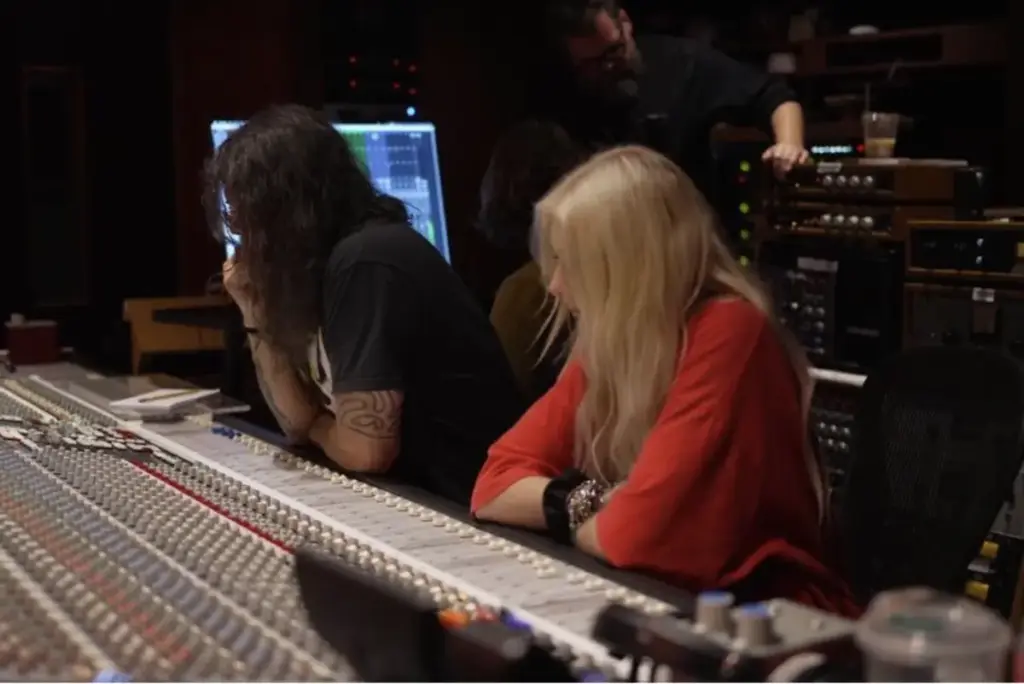
The controversy erupted when a promotional video surfaced on Suno’s official Facebook page. The footage featured Mary J. Blige inside a professional recording studio, watching intently as a producer utilized the Suno platform to generate a musical track. Throughout the clip, Blige could be seen offering creative suggestions, reacting dynamically to the generated output, and explicitly expressing admiration for the speed and quality of the results.
For the general public and the music community alike, the video was a jolt. Given the pervasive tension between artists and generative AI companies—largely centered on unauthorized model training, copyright infringement, and the existential threat to human musicianship—an endorsement from a foundational figure like Blige carried immense weight.
Instant Digital Backlash
As expected, the reaction across digital platforms was swift and polarized. Fans and independent musicians took to social media to express disappointment and disbelief. For many, seeing an artist of Blige’s stature—known for deeply personal, emotionally raw anthems born of human struggle and triumph—championing an algorithmic shortcut felt like a betrayal of the craft.
Social media timelines filled with debates regarding compensation, artistic integrity, and the commercialization of generative tools. Critics argued that even if an artist is genuinely impressed by technology, lending one’s credibility to a platform facing ongoing legal scrutiny from major record labels sets a dangerous precedent.
The Plot Twist and Retraction
Before the online discourse could fully solidify into a permanent reputational scar, the narrative took an astonishing turn. Suno abruptly pulled the advertising campaign across all channels and issued a clarifying statement to media outlets, most notably Variety.
Rather than defending the partnership or claiming a misunderstanding over creative boundaries, Suno dropped a bombshell: Mary J. Blige had never actually approved the campaign, because the company had never officially contracted with her.
Official Statements and Behind-the-Scenes Revelations
The abrupt cancellation of the campaign left industry observers with more questions than answers. To understand how a global superstar could appear in a professionally produced commercial without her explicit, direct consent, analysts turned to the official statements released by the platform.
In its statement to Variety, a Suno spokesperson attempted to walk a fine line between praising the artist and explaining the procedural breakdown:
"Ms. Blige is an icon who we all deeply admire. Ever since she broke onto the scene with ‘What’s the 411,’ ‘No More Drama,’ ‘The Breakthrough,’ ‘Growing Pains,’ etc., she hasn’t stopped innovating. That’s why we wanted to work with her. We entered into a business deal with someone who presented themselves as Ms. Blige’s official representative. As soon as we learned this was not the case, and that Ms. Blige was uncomfortable, we terminated the advertising campaign."
The Core Mystery: The Imposter Intermediary
This disclosure introduces a staggering logistical failure on the part of Suno’s marketing and legal teams. How does a multi-million-dollar technology enterprise execute a filmed studio session, complete with a high-profile celebrity, without verifying through primary channels that the individual negotiating the deal possesses binding legal authority?
Industry insiders point out that while the video itself was authentic—meaning Blige physically sat in a studio, engaged with the software, and was filmed doing so—her participation was apparently secured under false pretenses or a profound miscommunication regarding the final usage rights. Whether the intermediary was a rogue manager, an unauthorized agent, or an opportunistic third party dangling false access, the incident highlights a glaring loophole in celebrity endorsement vetting.
Supporting Context & Industry Metrics: The AI-Music Friction Zone
To fully appreciate the gravity of the Suno-Blige fiasco, one must examine the broader economic and legal climate surrounding generative artificial intelligence in the music industry.
The Major Label Lawsuits
Suno and its primary competitor, Udio, are currently embroiled in high-profile copyright lawsuits filed by the Recording Industry Association of America (RIAA) on behalf of major labels including Universal Music Group, Sony Music Entertainment, and Warner Records. The core allegation is massive, unauthorized copyright infringement, with plaintiffs arguing that these platforms scraped copyrighted recordings en masse to train their models without permission or compensation.
In this hostile litigative environment, securing the endorsement of a respected heritage artist like Mary J. Blige was intended to serve as a massive strategic coup—a signal to the market that legacy creators are willing to embrace, rather than fight, the technology.
The Value and Risk of Celebrity Capital
In the traditional entertainment economy, celebrity endorsements are governed by strict legal frameworks:
- Right of Publicity: Protections ensuring that an individual’s name, image, and likeness (NIL) cannot be exploited for commercial gain without explicit consent.
- Talent Agreements: Comprehensive contracts outlining the exact scope of distribution, media channels, geographic regions, and compensation terms.
- Approval Gates: Mandatory checkpoints where the celebrity or their legal team reviews the final cut of any commercial asset prior to public release.
The fact that Suno bypassed or was circumvented through these traditional safeguards exposes the friction that occurs when fast-moving tech startups accustomed to a "move fast and break things" ethos collide with the meticulously guarded legal ecosystem of mainstream talent management.
Future Outlook: Accountability and the Road Ahead for Generative Tech
The fallout from the Mary J. Blige endorsement debacle will likely reverberate across both the tech and music industries for months to come. Several key implications emerge as the dust settles:
1. Heightened Scrutiny on Tech-Talent Partnerships
Public relations agencies, talent management firms, and digital platforms will undoubtedly tighten their onboarding and verification processes. The embarrassment of pulling a campaign hours after launch due to fraudulent representation serves as a stark warning to other AI startups seeking to buy credibility through celebrity associations.
2. Legal and Contractual Repercussions
While Suno acted swiftly to terminate the campaign and distance itself from the unauthorized usage, legal fallout could still loom. The involvement of an unauthorized intermediary who misrepresented their authority to negotiate on behalf of a major recording artist opens up potential avenues for internal investigations, breach-of-contract disputes, and inquiries into how the studio session was originally booked and filmed.
3. Deepening Skepticism Within the Artist Community
For working musicians, songwriters, and performers, incidents like this do little to build trust with the AI sector. The prevailing sentiment among advocacy groups has been one of protectionism—safeguarding human artistry against algorithmic displacement. When a platform attempting to court the industry stumbles this publicly, it reinforces the narrative that tech companies are operating with reckless disregard for artists’ autonomies and rights.
Conclusion
The brief life of Suno’s Mary J. Blige advertisement stands as a monument to the current friction between Silicon Valley ambition and the realities of music industry governance. It highlights the dangers of inadequate vetting, the fragility of corporate PR strategies in the age of rapid online backlash, and the unyielding importance of clear, unambiguous consent. As generative artificial intelligence continues to push into the creative sphere, this bizarre episode will be remembered as the day a multi-million-dollar AI platform learned the hard way that you cannot shortcut the trust of a music icon.