
Executive Overview
Forty years ago, a quartet of musicians draped in striking yellow-and-black Spandex pulled off a feat that defied every conventional rule of the music industry. They took the thunderous, high-octane sound of 1980s heavy metal—complete with soaring guitar solos, double-bass drum thundering, and arena-rock spectacle—and fused it with an unapologetic, fiercely devoted Christian message. When they released their landmark album, To Hell with the Devil, in October 1986, the landscape of both rock music and contemporary Christian culture shifted permanently.
Stryper did not merely release a successful record; they shattered institutional boundaries, challenged the gatekeepers of secular and sacred music alike, and proved that a faith-based band could stand shoulder-to-shoulder with the biggest heavy-metal acts of the MTV era without compromising its core convictions. Four decades later, the reverberations of that seismic cultural moment are still felt across the global music landscape.
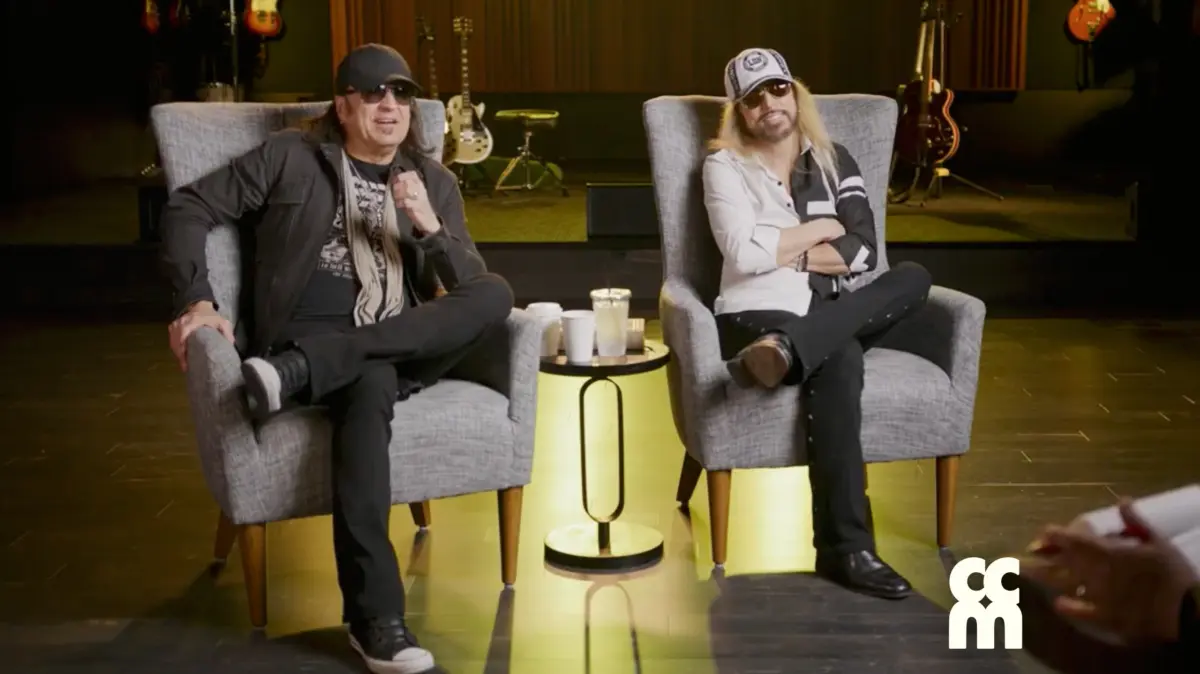
To mark this monumental ruby anniversary, we sat down in an exclusive interview with founding brothers Michael and Robert Sweet to unpack the genesis of the record, the shockwaves of its mainstream crossover, the bizarre religious controversies that dogged their early career, and their enduring legacy. Far from being a mere nostalgia act, Stryper remains an active, touring force—testament to a yellow-and-black attack that refuses to fade into the annals of history.
Detailed Chronology: From Garage Ambitions to Global Phenomenon
The Formative Years and the Spark of Innovation
Before To Hell with the Devil became a multi-platinum milestone, Stryper’s origins were rooted in the hardworking, fiercely competitive Southern California heavy metal scene of the early 1980s. Originally performing under the name Roxx Regime, brothers Michael (lead vocals, rhythm guitar) and Robert Sweet (drums), alongside Oz Fox (lead guitar) and eventually Tim Gaines (bass), realized they were operating on a different frequency than their peers.
While their contemporaries in the Sunset Strip clubs sang of hedonism, nightlife, and rebellion, these four young men felt a spiritual calling to direct their musical talents toward a higher power. They rebranded as Stryper—a reference to the biblical verse Isaiah 53:5 ("By his stripes we are healed")—and adopted a distinctive yellow-and-black visual aesthetic representing caution, warning, and alertness.
Yet, translating spiritual conviction into the aggressive sonic architecture of heavy metal was a tightrope walk. Skeptics within the mainstream industry doubted whether heavy metal fans would embrace a band singing about salvation. Simultaneously, traditional religious communities viewed the long hair, leather, and thunderous distortion with deep suspicion.
The Making of a Masterpiece (1986)
By the time the band entered the studio to record their second full-length studio album, To Hell with the Devil, the chemistry had crystallized. The recording sessions capture a band operating at the absolute peak of their creative powers, blending melodic hard rock sensibilities with undeniable pop-metal hooks.
For the Sweet brothers, the realization that they had captured lightning in a bottle hit them before the record even touched store shelves. Robert Sweet recalls the visceral thrill of driving his IROC-Z Camaro, popping a cassette of "Sing-Along Song" into the deck, and experiencing an immediate epiphany. "I was just like, wow, something’s going to happen here," he remembers.
Michael Sweet experienced a similarly cinematic moment of realization while listening to an early rough mix of the album’s title track, "To Hell with the Devil," in his black Ford Escort. Sitting in the vehicle with a basic cassette player, the brothers listened in stunned silence. As the track faded, they looked at each other, sharing what Michael describes as a "holy moly moment."
"We got something going on here," Michael recalls. "And you could just feel it." Beyond the technical brilliance of the production, Michael is quick to attribute their success to a divine catalyst: "It was definitely a God thing. It was anointed and the power came out of that album. God’s power, unlike anything else."
Supporting Context & Metrics: Breaking MTV and Defying Industry Gravity
To fully grasp the magnitude of Stryper’s achievement in 1986, one must understand the unprecedented cultural dominance of MTV. During this era, Music Television was the undisputed kingmaker of the music industry. It dictated pop culture, turned unknown artists into global superstars overnight, and served as the primary filter for youth culture. Heavy metal bands like Mötley Crüe, Bon Jovi, and Poison reigned supreme on the network.
For a Christian band to break into that ecosystem was considered an absolute impossibility. Yet, Stryper did the unthinkable.
"We had TV," Michael Sweet explains. "When MTV started Dial MTV, that really pushed To Hell with the Devil over the top."
Unlike niche religious programming tucked away in undesirable Sunday morning time slots, Stryper competed directly in the mainstream arena. Their music video for "Free" and subsequently "To Hell with the Devil" catapulted onto the Dial MTV daily top-ten countdown. Day after day, a explicitly Christian metal band went toe-to-toe with the biggest secular acts of the decade—and climbed to the number one spot.
"Here is the difference with us," Michael emphasizes. "We were on a countdown of ten videos, ten songs up in the countdown against Mötley, Bon Jovi, Poison and going to number one. It was unheard of. I even think MTV was floored by that. They didn’t know what to think about that."
Chart Statistics and Commercial Impact
- Billboard 200 Milestone: To Hell with the Devil peaked at No. 38 on the US Billboard 200 chart, making it the first Christian metal album to enter the mainstream top 40.
- Platinum Certification: In January 1987, the album was certified Gold by the Recording Industry Association of America (RIAA), and by February 1992, it achieved Platinum status, having sold over one million copies in the United States alone.
- Grammy Recognition: The album earned Stryper a Grammy Award nomination for Best Gospel or Other Contemporary Christian Music Performance in 1988, bridging the gap between critical industry acclaim and commercial viability.
Sonically, the album fit seamlessly into the booming 1986 glam metal landscape. Lyrically, however, it stood in stark opposition to the prevailing cultural ethos. Yet, the broader listening public demonstrated a willingness to bypass industry categorization. Fans bought the record because the hooks were sharp, the musicianship was elite, and the emotional resonance was undeniable.
Official Statements & Ironies: The War on Two Fronts
The path to mainstream success is rarely straightforward, but Stryper faced a unique paradox: while secular audiences and open-minded heavy metal fans were enthusiastically embracing their music, segments of the traditional Christian community launched aggressive campaigns against them.
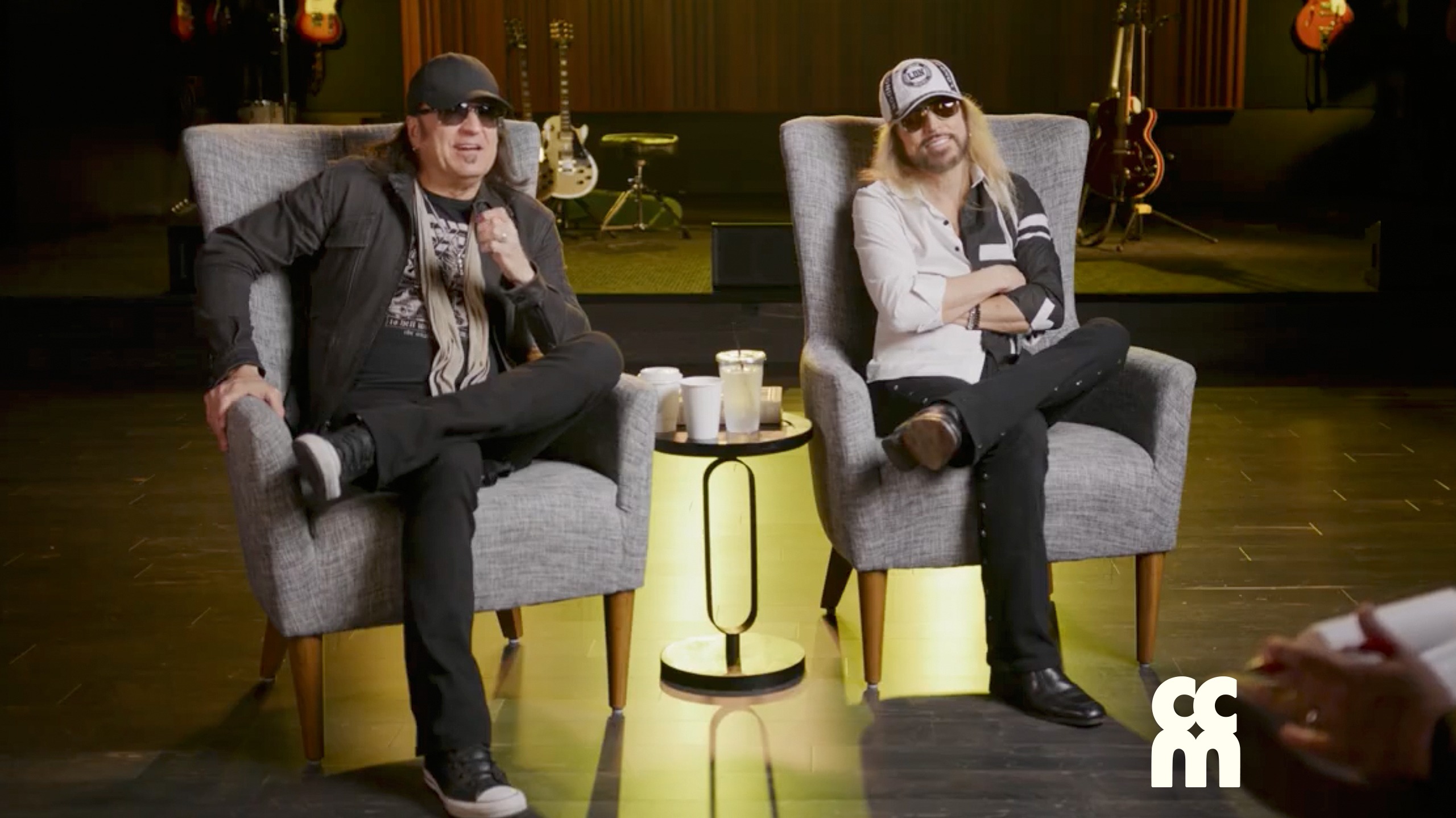
"Back then you had a lot of people going, these guys are the devil, you know, have nothing to do with these guys," Robert Sweet recalls.
Michael adds bluntly: "Preaching against us."
This irony manifested in bizarre, sometimes surreal ways on tour. Robert remembers pulling up to a major arena venue to perform, only to be met by a large, angry crowd of Christian picketers outside the gates. The absurdity of the situation was compounded by the concert lineup itself.
"We were playing in an arena on that tour and pulling up, getting ready to go inside, and we were being picketed by a large crowd of Christians," Robert remembers with a mixture of amusement and lingering frustration. "And AC/DC is playing right next to us, and they’re not picketed."
Reflecting on those years, Robert often ponders the "what ifs" of their career. How much broader could their cultural impact have been if they had not faced fierce resistance from the very demographic they sought to uplift?
"How many people would have been touched if they could have understood what we were saying?" Robert asks. "And we were legitimate. We were sincere. We mean it. And it’s so out front. It’s right there. You can’t deny it."
The insular nature of 1980s religious culture created barriers even among future icons of the genre. During our conversation, Michael Sweet referenced Skillet frontman John Cooper, who has frequently spoken about how he was forbidden from listening to Stryper growing up due to strict religious rules in his household.
The fact that one of modern Christian rock’s biggest stars grew up barred from listening to its foundational pioneers underscores the immense cultural friction of the era. Yet, as Michael notes, "Still, despite all that, we still broke out."
Future Outlook: The Never-Ending Ride
By the early 1990s, the shifting tides of the music industry—spearheaded by the grunge explosion and alternative rock movement—spelled the end for the glossy, guitar-driven spectacles of the 1980s. In 1991, Stryper disbanded, leaving behind a legacy that many assumed was permanently frozen in time.
"I thought it was over in ’91 when we went our separate ways," Michael confesses. "And I really, truly thought that that was one part of my life."
However, the story did not end in the 1990s. A triumphant reunion in 2003 ignited an entirely unexpected second act—one that has far outpaced their initial 1980s run in both output and longevity.
"We got back together in ’03, and we’ve done more now from ’03 to ’26 than ’84 to ’91," Robert notes, emphasizing that their modern era has been triple the size of their original decade of fame. "I don’t think Michael and I sat down and went, wow, we’re going to be doing this when we’re 66 and 63. But God’s given us the ability to do it."
Today, the musical landscape looks vastly different from 1986. Christian artists crossing over into secular spaces, sharing festival bills with mainstream acts, and competing on global streaming charts is no longer an anomaly—it is a regular occurrence. That paradigm shift did not happen by accident. Stryper kicked open the heavy oak doors of the entertainment industry without asking permission. They plugged in, turned their amplifiers up to eleven, and delivered music that demanded to be heard.
As they look toward the future, the band members harbor no plans of slowing down. They continue to write heavy, uncompromising rock music, release critically acclaimed albums, and tour aggressively across the globe to multi-generational audiences.
"This is what we do," Michael summarizes, reflecting on a four-decade journey. "This is what we were born to do. This is what we always dreamed about doing. So let’s enjoy the ride… the ride is still going. It’s not over."
Forty years after To Hell with the Devil, the yellow-and-black attack remains as potent, purposeful, and loud as ever. Not bad for a record that some critics once argued the world was never supposed to hear.