
Executive Overview
For twenty years, Flatspot Records has operated as an uncompromising pillar of the global independent music community. Emerging from the fertile underground of Baltimore, Maryland, the label has evolved from a passionate DIY passion project into an authoritative global institution within hardcore punk. Founded, curated, and sustained by Che Figueroa-Rodriguez and Ricky Singh, Flatspot has consistently captured the raw nerve, relentless energy, and community-driven ethos of modern heavy music.
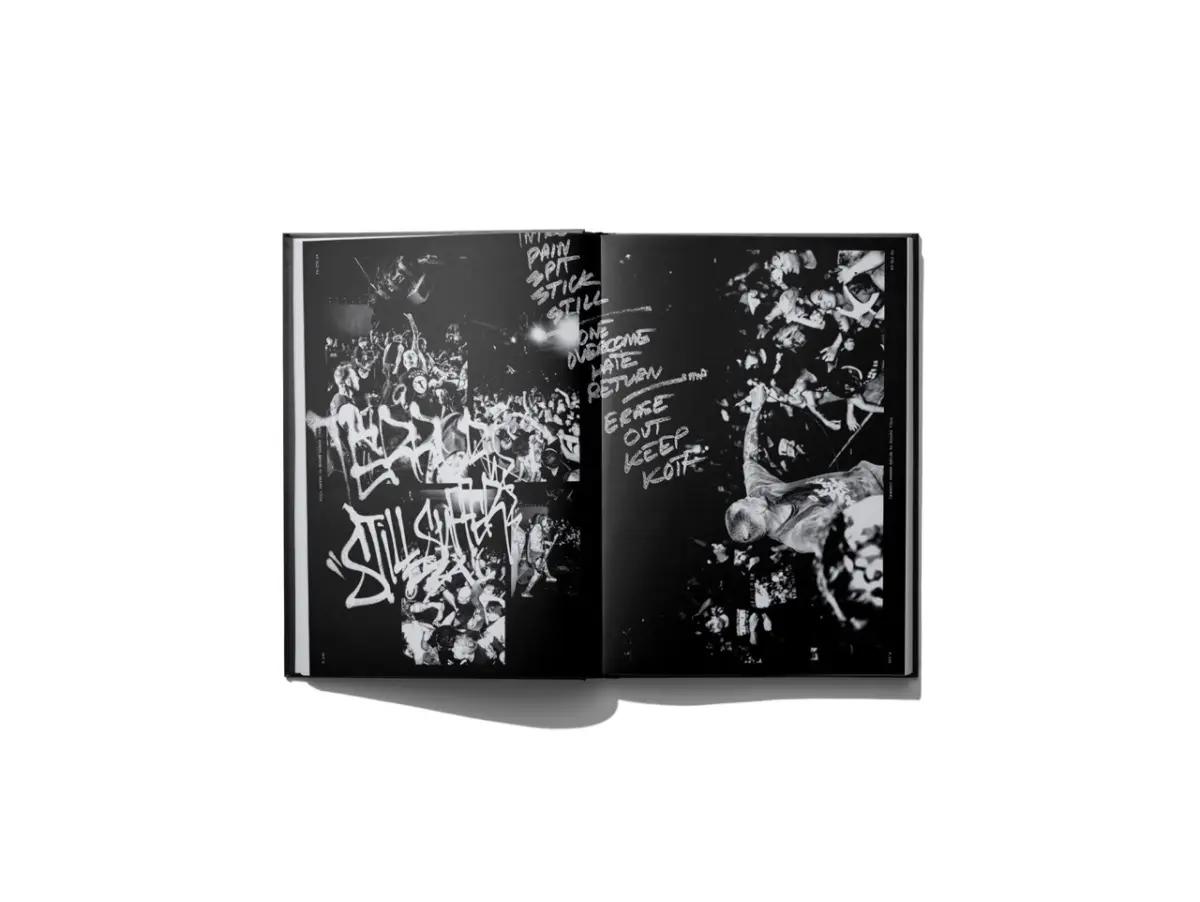
To mark its landmark twentieth anniversary, Flatspot Records is pulling back the curtain on its storied history. The label has officially announced the upcoming release of a comprehensive retrospective book written and edited by noted music journalist and author Fred Pessaro. Serving as a physical and visual time capsule, the volume features rare archival photography, unseen artwork, historical ephemera, and deep-dive interviews with Figueroa-Rodriguez, Singh, and prominent figures from across the hardcore landscape, including members of influential acts like Trapped Under Ice, Backtrack, Terror, Speed, End It, and Scowl.
Complementing the release of the book, Flatspot has announced a massive twentieth-anniversary celebration scheduled for February 6 at the legendary Webster Hall in New York City. Presented in collaboration with Converse and Saint Vitus, the milestone event promises to embody the chaotic, barrier-breaking spirit of traditional hardcore, featuring exclusive no-barricade performances by Trapped Under Ice, Breakdown (utilizing their celebrated Blacklisted line-up), End It, Raw Brigade, Iron Mind, and Frothing Mad. In a nod to the label’s collector-friendly roots, every ticket purchased for the event includes a complimentary copy of the anniversary book.
This milestone moment offers a vital opportunity to examine how Flatspot Records navigated the shifting tides of the music industry over two decades, cementing its status not just as a record label, but as a defining cultural architect for multiple generations of heavy music.
Detailed Chronology: From Baltimore Roots to Global Influence
The Genesis (2006–2010): The DIY Foundation
Long before Flatspot Records became an international tastemaker, it was born out of the hyper-local energy of the Baltimore hardcore and punk scenes. In the mid-2000s, Che Figueroa-Rodriguez and Ricky Singh were immersed in the underground, organizing shows, trading records, and living the ethos of the genre. Recognizing a distinct lack of institutional support for the heavier, metallic-leaning hardcore bands emerging from the Mid-Atlantic region, the duo decided to take matters into their own hands.
In its earliest iterations, Flatspot functioned on a shoestring budget, relying on sheer willpower, photocopy flyers, and grassroots distribution. The early releases were modest physical runs aimed at documenting the local bands that Figueroa-Rodriguez and Singh believed deserved a wider audience. However, their curatorial instincts quickly set them apart. Rather than chasing fleeting trends, they focused on authenticity, weight, and groove—elements that would soon define the "Flatspot sound."
Scaling the Underground (2010–2015): Defining the Modern Era
As the 2010s dawned, hardcore punk underwent a major resurgence, and Flatspot was uniquely positioned to capture the lightning in a bottle. The label expanded its roster beyond regional acts, signing and developing bands that would go on to shape the trajectory of modern heavy music.
A pivotal turning point for the label was its association with the heavy-hitting East Coast hardcore wave, most notably through alliances with powerhouse acts like Trapped Under Ice. By releasing crucial records and split EPs, Flatspot acted as a vital megaphone for a generation of musicians who blurred the lines between traditional hardcore aggression and metallic sludge.
During this period, the label also launched its landmark The Extermination compilation series. Designed to showcase the bleeding edge of the underground, these releases served as vital scouting reports for hardcore enthusiasts worldwide, often providing early exposure to bands that would later dominate festival lineups across the globe.
Global Expansion and Genre-Defying Reach (2015–Present): The New Guard
In its second decade, Flatspot transcended the limitations of regional geography. The label proved its staying power by continuously adapting to new stylistic shifts without ever abandoning its roots.
The modern era of Flatspot is characterized by an eclectic, forward-thinking roster that bridges geographical and stylistic divides. From the blistering, high-octane speed punk of Australia’s Speed to the infectious, groove-laden Baltimore hip-hop and hardcore crossover of End It, and the West Coast metallic ferocity of Scowl, Flatspot has curated a roster that represents the absolute vanguard of contemporary heavy music.
Furthermore, the label’s output has expanded far beyond standard vinyl and digital releases. Flatspot has embraced multimedia storytelling, producing artist documentaries, orchestrating international tours and showcases, and curating pop-up events that cement its status as a lifestyle brand deeply embedded in youth culture.
Supporting Context & Metrics: The Anatomy of an Independent Heavyweight
To truly understand the weight of Flatspot Records’ twenty-year milestone, one must examine the mechanics of how an independent label survives—and thrives—in a rapidly digitizing and often volatile music industry.
The Physical Culture of Hardcore
While major labels pivoted entirely to streaming and digital-first strategies in the 2010s, Flatspot doubled down on physical media. Vinyl variants, cassette tapes, limited-edition screen-printed shirts, and physical zines have remained the lifeblood of the label’s business model. Hardcore has always been a tactile culture; fans do not merely listen to the music—they collect it, wear it, and display it as a badge of identity.
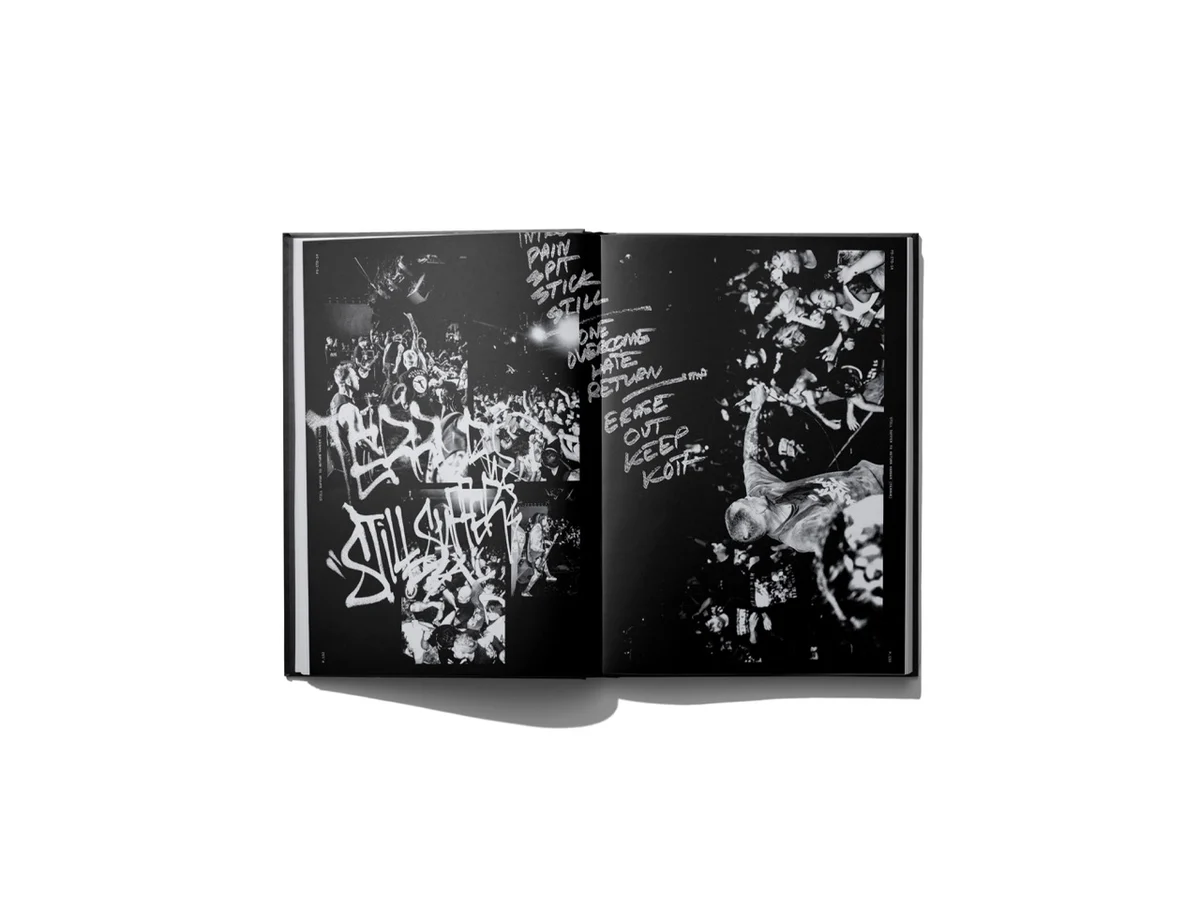
By treating every physical release as an art object, Figueroa-Rodriguez and Singh fostered a fiercely loyal collector base. The upcoming anniversary book, featuring archival photography, artwork, and historical ephemera, is a natural extension of this philosophy. It treats the paper trail of underground music with the same reverence usually reserved for fine art retrospectives.
Curatorial Precision Over Volume
Unlike major conglomerates that rely on high-volume output to see what sticks against the wall, Flatspot has always operated with surgical curatorial precision. The label’s discography is relatively lean compared to corporate indie giants, but its batting average for signing culturally significant bands is extraordinarily high.
This selective approach has protected the label’s brand equity. When a band is announced as the newest signing to Flatspot Records, the global hardcore community pays attention. It serves as an immediate stamp of approval, signaling that the act possesses both the sonic muscle and the ethical integrity required to carry the torch.
Community as Infrastructure
Flatspot’s success cannot be measured purely in sales figures or streaming metrics. Its true value lies in its infrastructure of community. The label has consistently functioned as a connective tissue linking disparate regional scenes—connecting Baltimore to New York, the East Coast to the West Coast, and North America to international hotbeds in Australia and Europe.
The upcoming Webster Hall showcase on February 6 is a physical manifestation of this network. By bringing together legacy acts and contemporary standard-bearers—ranging from Trapped Under Ice and Breakdown to End It, Raw Brigade, Iron Mind, and Frothing Mad—Flatspot is mapping out a living, breathing family tree of heavy music.
Official Statements and Retrospective Insights
The release of Fred Pessaro’s new book offers an unprecedented look behind the scenes of the label, drawing heavily from the direct testimony of the people who built it.
In interviews conducted for the volume, co-founders Che Figueroa-Rodriguez and Ricky Singh reflect on the precarious early days of the label, acknowledging that reaching the twenty-year mark was never guaranteed. "When you start a label out of a basement or a bedroom, you aren’t thinking about legacy or anniversaries; you’re just trying to get the first 500 records pressed and paid for," the co-owners note in the text. "To look back and see how those small decisions snowballed into a global community is surreal."
Fred Pessaro, who spent months sifting through archival materials, interviews, and historical ephemera to compile the book, emphasizes the vital cultural documentation that the project represents. "Hardcore punk is a transient art form by nature," Pessaro explains. "It burns bright, fast, and often leaves behind little more than bruised shins, fading flyer scans, and cracked vinyl. Capturing twenty years of Flatspot was about preserving a vital piece of modern counterculture history before it gets lost to time."
The sentiment is echoed by the artists who have marched under the Flatspot banner. Members of Trapped Under Ice, Backtrack, Terror, Speed, End It, and Scowl who contributed interviews to the book speak candidly about the label’s familial atmosphere. In an industry notoriously predatory toward young, independent artists, Flatspot’s unwavering loyalty to its roster has earned it a reputation as a safe haven for authentic artistic expression.
Future Outlook: The Next Chapter for Flatspot Records
As Flatspot Records crosses the twenty-year threshold, the natural question for any institution of its age is: What comes next?
Rather than resting on its laurels or retreating into pure nostalgia, the label enters its third decade with its foot firmly on the gas. The announcement of the Webster Hall anniversary show—complete with a stacked, multi-generational lineup and the inclusion of a complimentary retrospective book with every ticket—proves that Flatspot is just as focused on creating live communal moments as it is on documenting its past.
Furthermore, the label’s current roster suggests that its curatorial radar is sharper than ever. With bands like Speed and Scowl dominating international festival circuits and pushing the boundaries of what heavy music can achieve in mainstream spaces, Flatspot acts as a crucial bridge between underground integrity and global reach.
The release of Fred Pessaro’s book serves as a monument to what has already been accomplished, but it also functions as a manifesto for the future. It demonstrates to a new generation of musicians, fans, and independent label owners that longevity in the underground is possible without compromising one’s core values.
As the doors of Webster Hall open on February 6, 2025, for a night of unmitigated, no-barricade fury, it will be abundantly clear that Flatspot Records is not merely celebrating its history—it is actively writing its future. For twenty years, Che Figueroa-Rodriguez and Ricky Singh have provided a home for the heavy, the disaffected, and the driven. If the current trajectory of the label is any indication, the next twenty years will be just as loud.