
Executive Overview
Twenty-five years after the sudden and tragic passing of frontman Mark Sandman, the pioneering Boston "low rock" band Morphine is set to release a new archival album titled Cocoon. Assembled from long-dormant multitrack tapes recorded during the sessions that preceded their final studio album, The Night, this upcoming release offers fans a profound glimpse into the final creative chapter of one of alternative rock’s most eccentric and influential acts.
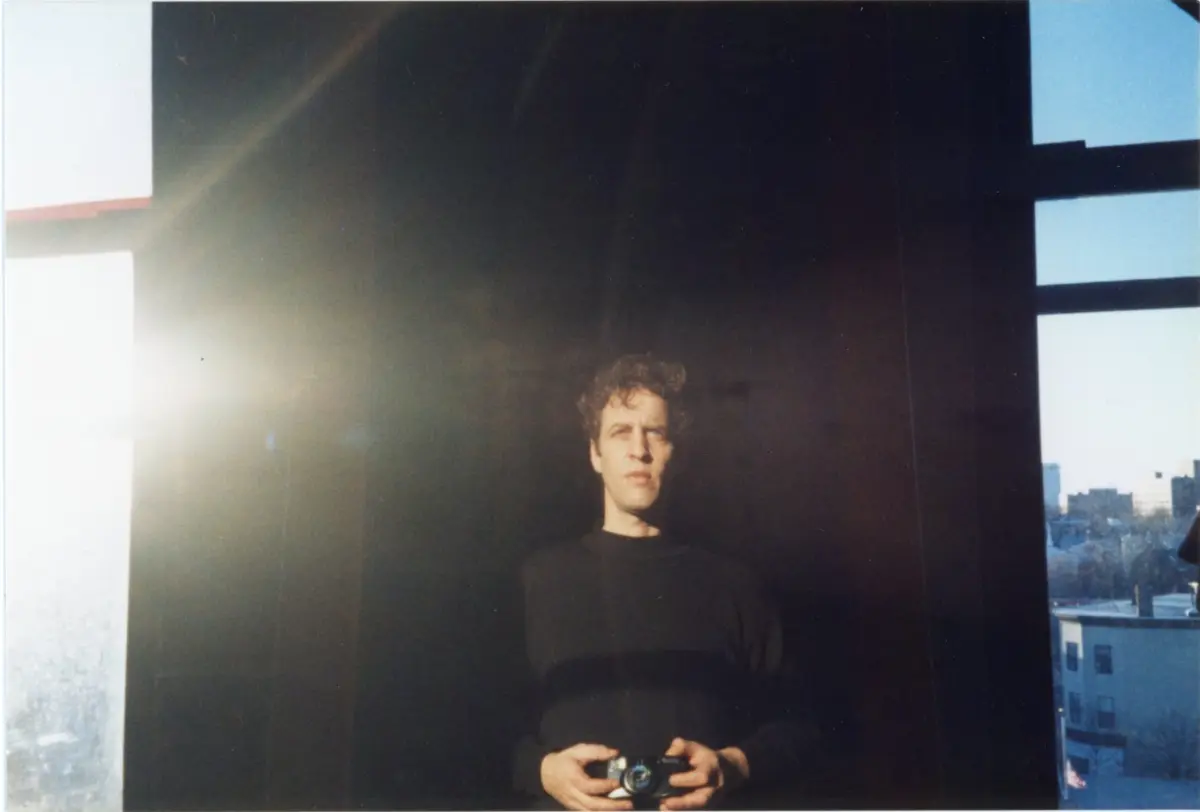
The project was spearheaded by producer Paul Q. Kolderie and Sabine Hrechdakian, Sandman’s partner, who began digitizing the reels in 2023. Featuring newly mixed tracks, previously unreleased material such as "Spaceman Charm," and fresh saxophone contributions from surviving member Dana Colley, Cocoon bridges a quarter-century generational divide. The album is accompanied by personal artwork and photography captured by Sandman himself, alongside liner notes penned by acclaimed American poet and essayist Hanif Abdurraqib.
For followers of the band, Cocoon is far more than a routine posthumous compilation; it is a meticulously curated resurrection of a singular sound that defined an era of underground American music. The title track, a newly mixed version previously unheard by the public, serves as a hauntingly familiar yet fresh introduction to this archival treasure trove.
Detailed Chronology
The Genesis of Boston’s "Low Rock" (1989)
Morphine formed in Boston in 1989, carving out an unorthodox niche in a rock landscape dominated by traditional guitar-driven grunge and alternative bands. The band’s unique sonic architecture was built around Sandman’s signature homemade two-string slide bass, Dana Colley’s resonant baritone saxophone, and the driving, rhythmic foundations laid by drummers Jerome Deupree and later Billy Conway. Sandman affectionately and accurately coined the term "low rock" to describe their smoky, nocturnal blend of jazz, blues, rock, and beat poetry.
Throughout the 1990s, Morphine cultivated an intensely devoted international following. They released a string of critically acclaimed albums, including Good (1992), Cure for Pain (1993), Yes (1995), and Like Swimming (1997). Their minimalist line-up proved that massive, thunderous walls of sound were entirely achievable without the presence of a traditional electric guitar.
The Tragic Interruption (1999)
The trajectory of Morphine came to an abrupt and devastating halt on July 3, 1999. While performing at the Nel Nome del Rock festival in Palestrina, Italy, Mark Sandman suffered a fatal heart attack on stage at the age of 46. The music world went into mourning, losing one of its most idiosyncratic songwriters and charismatic bandleaders.
In the wake of Sandman’s passing, the remaining members worked alongside producers to finish and release the band’s fifth studio album, The Night, in 2000. Widely regarded as a masterpiece, it was long thought to be the final definitive statement from the group—until the digital preservation efforts that birthed Cocoon began decades later.
The Archival Awakening (2023–Present)
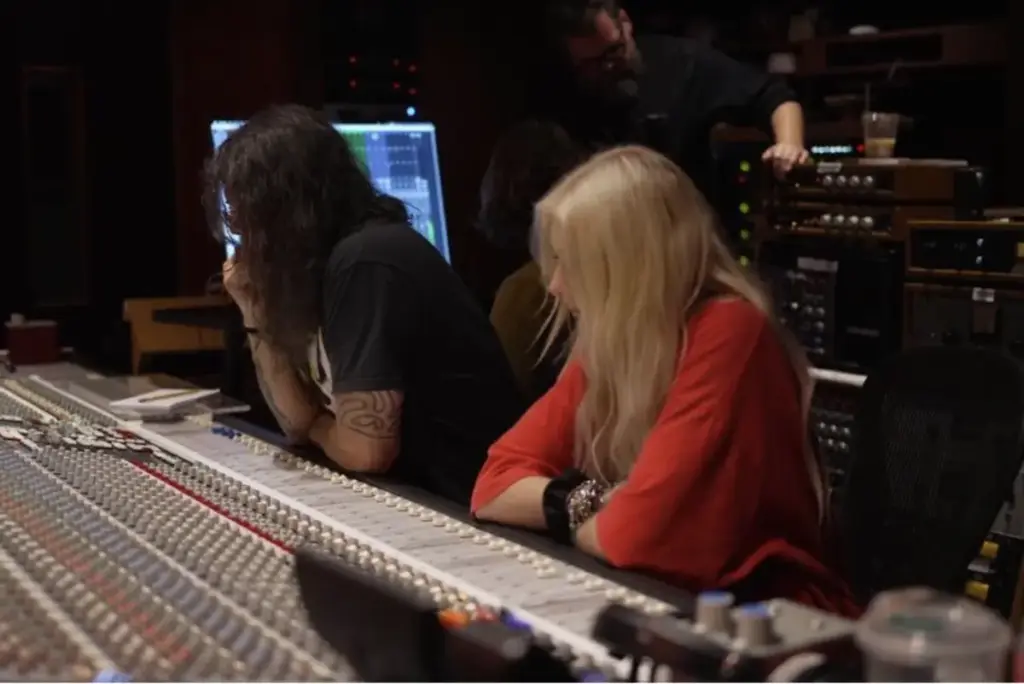
The journey toward Cocoon began in earnest in 2023. The multitrack tapes, recorded by producers Paul Q. Kolderie and Sean Slade—renowned for their work with Dinosaur Jr, the Pixies, and Hole—had sat largely untouched since the late 1990s. Kolderie and Sabine Hrechdakian undertook the delicate task of digitizing the historical recordings.
Kolderie took the helm for mixing the sessions, ensuring the recordings honored the band’s legendary sonic palette. To complete the circle, saxophonist Dana Colley returned to the studio, laying down fresh baritone saxophone tracks on three of the songs to bridge the gap between their creation and present-day release. The album’s title track was released as a lead single, offering a tantalizing preview of the polished yet raw historical material.
Supporting Context & Metrics
The Sonic Architecture of Cocoon
While some tracks on Cocoon may ring a bell for die-hard fans who tracked down rare bootlegs or listened to the 2004 compilation Sandbox, the upcoming release marks the first time these recordings have been unified into a cohesive, studio-quality album experience.

The tracklist explores the band’s stylistic range, incorporating instrumentation that occasionally stretched beyond their classic formula, including piano, acoustic guitar, and guest contributions from longtime collaborators.
Cocoon Official Tracklist:
- "Tomorrow"
- "Wig"
- "Patience"
- "Spaceman Charm" (Previously Unreleased)
- "Justine"
- "Moons of Jupiter"
- "Cocoon" (Title Track, Newly Mixed)
- "Pretty Face"
Visuals and Packaging
The physical and digital releases of Cocoon are designed to be collector’s items. The package features never-before-seen artwork and photography captured by Mark Sandman himself. Most notably, the album cover features a striking photograph taken by Sandman in 1998, capturing Sabine Hrechdakian’s reflection in a train window en route to Antwerp.
Adding to the literary and cultural weight of the release, the liner notes were penned by celebrated American poet and essayist Hanif Abdurraqib, whose work frequently explores the intersections of music, memory, and grief.
Official Statements
The emotional weight of unearthing and completing these recordings has resonated deeply with everyone involved in the project.
Reflecting on the surreal nature of revisiting the sessions decades later, Dana Colley shared:
"Coming back to these recordings years later was a surreal experience. It was like having one foot in the past and one in the present, with my saxophone bridging the gap."
This sentiment of temporal bridge-building runs through the entire production. Paul Q. Kolderie, who originally recorded the sessions alongside Sean Slade and returned to mix the digitized tracks in 2023, faced the challenge of honoring the band’s legacy without compromising the organic integrity of performances captured over twenty years ago. The collaboration between Kolderie, Hrechdakian, and Colley transformed what could have been a standard archival dust-off into an active, breathing continuation of Morphine’s artistic journey.
Future Outlook
The announcement of Cocoon signals a major moment for alternative music historiography. As physical formats and high-fidelity streaming continue to fuel an appetite for deep-catalog retrospectives, the release proves that Morphine’s musical footprint remains as compelling today as it was during the height of the 1990s alternative boom.
Whether Cocoon will spark further archival excavations from the band’s vast vaults remains to be seen, but its arrival guarantees that Mark Sandman’s singular voice and the peerless groove of "low rock" will echo once more across turntables and digital platforms worldwide. For a generation of fans who thought the story of Morphine ended in Italy in 1999, Cocoon provides a deeply welcome, resonant, and timeless second act.