
Executive Overview
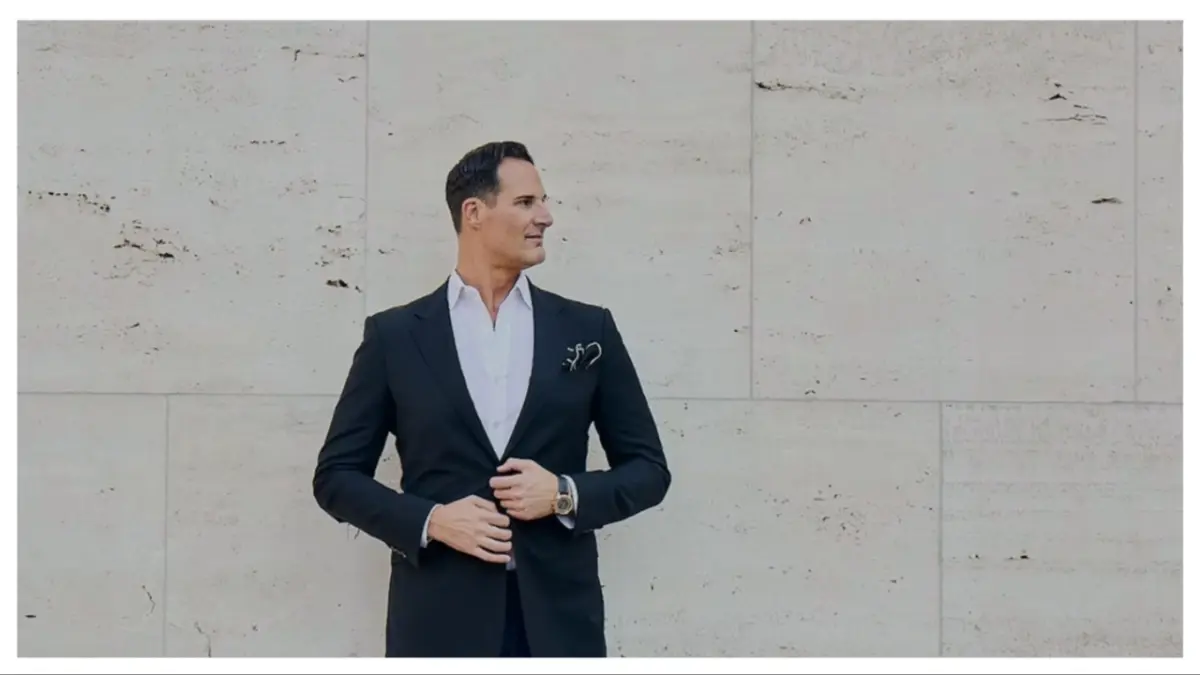
Two and a half decades after the nation was irrevocably altered on a crisp September morning, the collective memory of September 11, 2001, remains as piercingly raw as it was on day one. As the United States approaches the solemn milestone of the 25th-anniversary commemoration, the intersections of civic duty, public remembrance, and high art continue to manifest in deeply moving ways. In one of the most prominent cultural tributes of this milestone year, internationally acclaimed operatic tenor James Valenti is set to headline the pregame remembrance ceremony at Yankee Stadium.
Valenti, a globally celebrated artist whose soaring voice has graced the stages of Milan’s Teatro alla Scala, the Metropolitan Opera, and the Vienna State Opera, will lend his formidable vocal talents to the National Anthem. His performance will set a reverent and emotionally resonant tone just moments before the historic New York Yankees take the field against their crosstown rivals, the New York Mets.
This high-profile event is far more than a routine Major League Baseball game framed by patriotic pageantry; it is a meticulously coordinated national act of reflection, grief, and resilience. The evening’s program is designed to honor the victims, survivors, first responders, and advocacy organizations that emerged from the ashes of the World Trade Center attacks. Alongside Valenti, the evening will feature legendary country music artist Lee Greenwood and vocalist William Arce, creating a diverse musical tapestry dedicated to remembrance. Furthermore, the ceremony will cast a well-deserved spotlight on the foundational pillars of New York City’s emergency services—the NYPD, FDNY, and PAPD—alongside dedicated non-profit organizations such as the Tunnel to Towers Foundation and Tuesday’s Promise (formerly known as Tuesday’s Children).
Scheduled for broadcast both locally and nationally via WPIX11, the pregame ceremony ensures that millions across the country can participate in this shared moment of national mourning and resolve. Valenti’s performance at precisely 6:56 PM EDT will serve as the gateway to an evening dedicated to ensuring that the events of that fateful day, and the immense sacrifices that followed, are never forgotten. This comprehensive report explores the chronology of the evening, the deep historical and cultural context of sports as a medium for national healing, official statements from organizers and artists, and the lasting legacy of these commemorations as America looks toward the future.
Detailed Chronology: The 25th Anniversary Commemoration Timeline
The logistics surrounding a major league sporting event hosting a national anniversary of this magnitude require military-grade precision. The timeline for the evening of September 11, 2006—adapted for the modern era’s 25th-anniversary protocols—has been meticulously structured by Major League Baseball, the New York Yankees organization, and municipal security agencies to balance the solemnity of the occasion with the operational realities of a high-stakes Subway Series matchup.
Afternoon Preparations and Security Lockdown (12:00 PM – 4:00 PM)
Hours before the first pitch, Yankee Stadium transforms from a cathedral of baseball into a heavily secured focal point of national attention. Echelon-level security sweeps, led jointly by the New York City Police Department (NYPD) Counterterrorism Bureau, the Federal Bureau of Investigation (FBI), and private stadium security, begin at noon. Access to the perimeter is strictly regulated, with specialized K-9 units and bomb-detection squads clearing every concourse, suite, and seating bowl.
Concurrently, production crews from WPIX11 and national broadcast partners rehearse camera angles, sound checks, and lighting cues. For James Valenti, the afternoon is spent in rigorous acoustic calibration. Singing in an open-air stadium with a capacity exceeding 46,000 presents unique sonic challenges for a classically trained operatic tenor accustomed to acoustically engineered opera houses. Sound engineers and Valenti work closely to balance the projection of his unamplified or mic-assisted operatic register against the ambient noise of a filling stadium.
The Arrival of Dignitaries and Honored Families (4:30 PM – 5:30 PM)
As gates open to the general public, a specialized VIP reception area within the stadium hosts families of fallen first responders, representatives from the Port Authority Police Department (PAPD), and leadership from Tuesday’s Promise and the Tunnel to Towers Foundation. These organizations, which have spent the last quarter-century providing direct support, educational assistance, and psychological resources to the children and families of 9/11 victims, are given a private moment of recognition before the public ceremonies commence.
The Pregame Program Unfolds (6:00 PM – 6:55 PM)
The public-facing commemorative events kick off sharply at 6:00 PM, pivoting the stadium’s atmosphere from the casual buzz of batting practice to hushed reverence.
- 6:10 PM: A ceremonial color guard comprising active-duty members of the NYPD, FDNY, and PAPD marches onto the outfield grass, carrying flags that flew over the World Trade Center site and temporary triage centers in the harrowing days following the attacks.
- 6:20 PM: Representatives from Tuesday’s Promise and Tunnel to Towers are introduced on the field, greeted by a standing ovation from the early-arriving crowd. Video tributes spanning the 25-year history of recovery, rebuilding, and community resilience begin to play on the stadium’s massive high-definition jumbotrons.
- 6:45 PM: Legendary country artist Lee Greenwood takes the stage to perform a special acoustic rendition of a reflective Americana classic, setting an emotional baseline for the audience.
The Centerpiece: James Valenti’s National Anthem (6:56 PM)
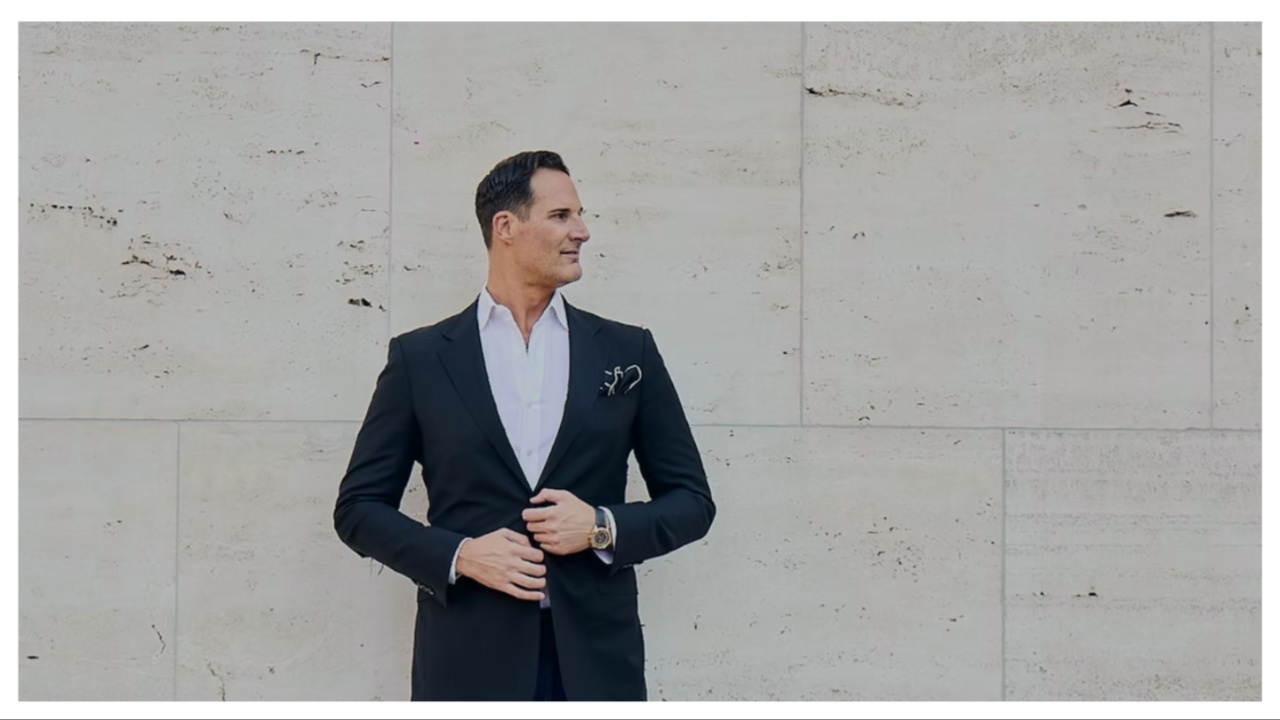
At precisely 6:56 PM EDT—timed down to the second to align with national broadcast windows on WPIX11—James Valenti steps onto the podium behind home plate. Clad in a sharp, dark suit fitting for the solemnity of the occasion, Valenti faces the massive American flag unfurled across the outfield wall.
With a career built on breathing dramatic life into Verdi, Puccini, and Gounod, Valenti brings a rare emotional depth to "The Star-Spangled Banner." Without the safety net of standard pop arrangements, his voice cuts through the evening air with commanding purity, precision, and restrained power. The stadium falls into a profound, breathless silence, broken only by the swell of his final notes before yielding to a flyover by the United States Air Force.
First Pitch and Middle Innings (7:05 PM – 9:00 PM)
Following the ceremonial first pitch—often thrown by a surviving first responder or family member—the game between the Yankees and the Mets begins. However, the observance does not end with the first inning.
During the middle of the seventh inning, standard traditions are augmented when vocalist William Arce takes the field. While "God Bless America" is traditionally sung during this stretch in Major League Baseball stadiums nationwide, the 25th-anniversary rendition carries a heightened gravity, honoring the enduring spirit of New York City and the millions touched by the tragedy. The game proceeds under the watchful eye of heightened security, serving as a testament to the resilience of a city that refused to be cowed by terror.
Supporting Context & Metrics: A Quarter-Century of Remembrance and Resilience
To truly understand the weight of James Valenti’s performance at Yankee Stadium, one must examine the broader socio-cultural context of how New York City—and the United States at large—has processed the trauma of September 11 over the past twenty-five years. Sports, particularly baseball in New York, have repeatedly served as vital civic therapy tables during times of national crisis.
The Historical Parallel: October 2001
The psychological blueprint for this intersection of baseball and national mourning was forged almost immediately after the attacks. In October 2001, just weeks after the collapse of the Twin Towers, Yankee Stadium hosted World Series games that became spiritual lightning rods for a grieving nation. President George W. Bush’s iconic, bulletproof-vest-clad walk to the pitcher’s mound to throw out a strike before Game 3 remains one of the most indelible images in American history.
Now, twenty-five years later, the generation of players on the field and many attendees in the stands were either infants or not yet born when the towers fell. This generational shift makes public rituals like Valenti’s performance critically important. They function as living history lessons, transferring the emotional memory of September 11 from those who lived through it to the youth of today.
Organizational Impact: The Honored Non-Profits
The inclusion of specific advocacy and support groups in the Yankee Stadium ceremony highlights the long-term nature of disaster recovery.
- Tuesday’s Promise (formerly Tuesday’s Children): Originally founded to support the children of September 11 victims, the organization has expanded over the past 25 years to support youth who have lost parents to military service, global terrorism, and mass violence. Metrics from the organization show that over the quarter-century, they have provided mentoring, career counseling, and mental health support to thousands of families, proving that the support network necessitated by 9/11 has blossomed into a permanent institution of care.
- Tunnel to Towers Foundation: Established in memory of Stephen Siller, an off-duty FDNY firefighter who strapped 60 pounds of gear to his back and ran through the Brooklyn-Battery Tunnel to reach the World Trade Center, the foundation has raised hundreds of millions of dollars. They build mortgage-free smart homes for catastrophically injured veterans and first responders, and provide homes to gold star and fallen first responder families with young children.
The Intersection of Classical Art and Mass Media
Inviting an operatic tenor of James Valenti’s caliber to perform a national anthem at a sporting event reflects a growing trend of elevating civic ceremonies through high art. While pop stars and country icons frequently handle anthem duties, the use of an operatic voice brings a timeless, cathedral-like solemnity to the proceedings. Valenti’s background—performing major dramatic roles across the globe—prepares him to handle the intense emotional and psychological weight of an audience of 46,000 live attendees and millions of television viewers.
The live broadcast on WPIX11 ensures that regional viewers deeply connected to the New York metropolitan area’s localized grief can share the moment, while national syndication expands the embrace of the tribute across state lines.
Official Statements and Artistic Perspectives
The announcement of James Valenti’s participation, alongside the broader lineup of performers and organizational partners, drew powerful reflections from those involved in bringing the commemoration to life.
James Valenti on the Weight of the Moment
Speaking on his upcoming performance, tenor James Valenti emphasized the humbling nature of the invitation.
"To stand on the field at Yankee Stadium on the 25th anniversary of 9/11 is one of the most profound responsibilities of my artistic life," Valenti stated. "As artists, we are often asked to interpret stories of tragedy, love, and redemption written centuries ago by masters like Verdi or Puccini. But stepping up to sing our National Anthem on this day, in this city, requires channeling a living, breathing history of pain, courage, and unbroken spirit. My voice belongs to the audience, to the families who sacrificed everything, and to the eternal memory of those we lost. It is a privilege beyond words to offer that song as a prayer for peace and remembrance."
Organization Leadership Reflects on a 25-Year Milestone
Representatives from the partner organizations echoed the sentiment that public visibility remains crucial even a quarter of a century later.
A spokesperson for Tuesday’s Promise released a statement noting: "As we mark twenty-five years, our mission has never been more vital: ensuring that the children and families of those taken from us are never forgotten by history. Having our presence acknowledged on such a grand stage—with artists like James Valenti elevating the atmosphere—reminds our community that New York stands with us, yesterday, today, and always."
Similarly, the New York Yankees front office issued a brief, authoritative release underscoring the stadium’s enduring role as a sanctuary for civic unity: "Yankee Stadium has long stood as more than just a ballpark; it is a gathering place for the heartbeat of New York City. On this 25th anniversary, we are honored to host heroes, families, and world-class artists like James Valenti, Lee Greenwood, and William Arce to pay solemn tribute to the resilience of the human spirit."
Future Outlook: Preserving the Memory for the Next Generation
As the United States crosses the quarter-century threshold since the events of September 11, 2001, the nature of national remembrance is undergoing a fundamental transformation. We are officially entering an era where living memory is giving way to historical legacy. The adults of tomorrow were not alive to watch the towers fall on live television, nor did they smell the smoke that hung over the East Coast for weeks.
In this transitional landscape, events like the 25th-anniversary commemoration at Yankee Stadium serve as crucial cultural anchors. They prevent historical abstraction by grounding remembrance in shared sensory experiences: the silence of tens of thousands of people, the soaring resonance of James Valenti’s tenor voice, the sight of the American flag stretching across the outfield, and the living presence of first responder families.
The Evolution of Memorialization
Looking forward, the ways in which society honors 9/11 will increasingly rely on institutionalized traditions, educational initiatives, and large-scale public art. The integration of high classical arts—such as opera—into public sporting events signals a maturation of American civic ritual. It demonstrates that the nation’s collective trauma can be met not just with pop-culture patriotism, but with the solemn, timeless gravity historically reserved for sacred spaces.
Furthermore, organizations like Tuesday’s Promise and Tunnel to Towers face the future with expanded mandates. As the immediate survivors age and the children of victims become adults with children of their own, these foundations are adapting into generational support systems, ensuring that the philanthropic legacy of 9/11 endures well into the 21st century.
Conclusion
When James Valenti’s voice rings out across Yankee Stadium at 6:56 PM on September 11, it will carry the weight of twenty-five years of grief, rebuilding, and unyielding strength. It will echo off the stadium walls not merely as a musical performance, but as a collective act of national communion. In a world fraught with uncertainty, moments like these remind us of the enduring power of art to heal, unite, and ensure that those who perished twenty-five years ago—and those who ran toward danger when everyone else was running away—are forever enshrined in the hearts of a grateful nation.