
Executive Overview
In an era defined by rapid sociopolitical polarization, digital fatigue, and an omnipresent cultural hunger for authenticity, live theater continues to search for forms that bridge the gap between grand spectacle and radical intimacy. Enter The Hope Theory, a masterclass in theatrical synthesis currently running at New York City Center Stage II through December 6. This 90-minute, intermissionless production represents a rare convergence of Hollywood cinematic pedigree and the esoteric, high-discipline art of world-class sleight-of-hand.
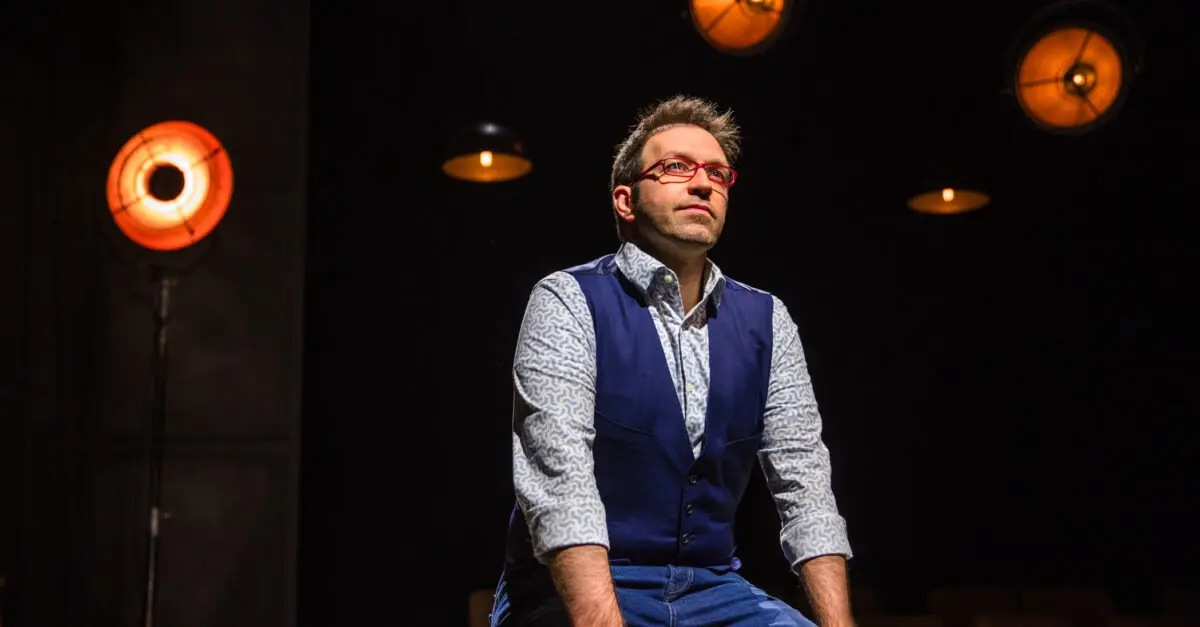
Conceived, written, and performed by Portuguese-born illusionist Helder Guimarães—hailed by The New York Times as a "master of illusion"—and guided by the steady, visionary hand of legendary producer-director Frank Marshall, The Hope Theory is much more than a magic show. It is an autobiographical meditation on displacement, the arduous mechanics of reinvention, and the quiet resilience required to build a life in an unfamiliar world.
Marshall, whose cinematic fingerprints are stamped across monumental box-office juggernauts such as the Indiana Jones franchise, Jurassic Park, and Back to the Future, shifts his encyclopedic understanding of narrative momentum from the silver screen to the theatrical stage. Together, Guimarães and Marshall have crafted an evening that defies traditional categorization. It is simultaneously a personal immigration narrative, a philosophical inquiry into human agency, and an interactive display of elite magical artistry.
As the production commands attention at New York City Center, it invites audiences to examine how stories of the American Dream can be told not through traditional dramatic dialogue alone, but through the disarming, disruptive power of impossibility. This article explores the anatomy of The Hope Theory, tracing its genesis from pandemic-era digital experiments to its triumphant New York debut, analyzing its creative architecture, and evaluating its place within the broader landscape of contemporary theatrical performance.
Detailed Chronology: From Pandemic Innovation to New York Stage
The journey to New York City Center Stage II was neither direct nor conventional; rather, it was forged in the crucible of the global COVID-19 pandemic, a period that forced live performance artists to radically reimagine their relationship with audiences.
The Genesis of a Creative Partnership
The professional synergy between Helder Guimarães and Frank Marshall began long before The Hope Theory, born out of a shared, obsessive appreciation for the history, psychology, and execution of magic. While Marshall spent decades shaping the cinematic landscape alongside directors like Steven Spielberg and Clint Eastwood, his lifelong passion for sleight-of-hand led him into the inner circles of the international magic community. When Marshall and Guimarães first crossed paths, they discovered a mutual interest in pushing magic beyond the traditional confines of casino showrooms and television specials, viewing the discipline instead as a vehicle for character-driven storytelling.
The Pandemic Pivot: The Present
The true proving ground for their theatrical partnership arrived in 2020 with The Present, an innovative digital production commissioned by the Geffen Playhouse in Los Angeles, where Gil Cates, Jr. serves as Executive Director. As theaters worldwide went dark, shuttered by public health mandates, Guimarães and Marshall refused to let their art form go dormant.
The Present was not merely a filmed stage performance; it was a bespoke, interactive virtual magic experience delivered directly into the living rooms of isolated theatergoers via mail-delivered mystery packages and live-streamed video feeds. The production was an unmitigated triumph. It received rave reviews from major cultural critics, became an unexpected viral sensation, and—most crucially—played a vital institutional role in helping the Geffen Playhouse weather the financial devastation of the pandemic. More than that, it proved that Guimarães’ intimate style of sleight-of-hand could transcend physical proximity, retaining its emotional resonance and psychological impact across a digital divide.
Transitioning to the Physical Stage: The Geffen Run
Buoyed by the success of The Present, Guimarães and Marshall turned their attention back to the physical theater, conceptualizing a full-length piece that would explore the deeper biographical currents of Guimarães’ life. This foundational work coalesced into The Hope Theory, which premiered to critical acclaim at the Geffen Playhouse. Critics in Los Angeles took immediate note of the production’s unique structural DNA. Jessica Gelt of the Los Angeles Times observed that the show "proves hope is more than an illusion," establishing the production’s thematic core early in its lifecycle.
The New York City Debut
Following its successful West Coast run, the production underwent further refinement before arriving in Manhattan. Opening at New York City Center Stage II, The Hope Theory found an ideal home in a city historically defined by waves of immigration, reinvention, and improbable futures. Running through December 6, the production represents a major milestone for both creators: Marshall’s high-profile foray into theatrical direction on an Off-Broadway scale, and Guimarães’ most personal, vulnerable theatrical statement to date.
Supporting Context & Metrics: The Anatomy of a Modern Masterpiece
To fully appreciate the impact of The Hope Theory, one must examine the distinct elements that elevate it from a standard theatrical magic show to an essential cultural event of the season.
1. The Cinematic Vision of Frank Marshall
Frank Marshall’s inclusion as producer and director introduces a rare level of pacing, visual grammar, and narrative structure to the production. As the creative force behind Back to the Future, Indiana Jones, and Jurassic Park, Marshall understands the architectural mechanics of suspense, audience engagement, and emotional payoff. In a cinematic context, these elements are achieved through camera angles, editorial rhythm, and CGI or practical effects. On Stage II, Marshall applies these same principles to live performance, ensuring that every sleight-of-hand routine functions not merely as a puzzle for the audience to solve, but as a crucial narrative beat that advances the emotional stakes of the evening.
2. Helder Guimarães and the Craft of Intimate Deception
Portuguese-born Helder Guimarães is widely recognized as a practitioner of a distinct subgenre of magic: one that relies on psychological manipulation, minimalist misdirection, and close-up dexterity rather than massive, box-office illusions involving trapdoors and large livestock. Recognized by The New York Times for his "exquisite technique," Guimarães has built an international reputation across diverse platforms, performing everywhere from traditional Off-Broadway venues and the Kennedy Center to high-profile TED Talks and the Geffen Playhouse. His approach rejects the outdated tropes of the flamboyant, top-hat-wearing magician, opting instead for the demeanor of a thoughtful raconteur sharing a confession across a dimly lit table.
3. The Structural Economy: 90 Minutes, No Intermission
In contemporary theater, runtime management is an increasingly critical factor for audience satisfaction. The Hope Theory delivers a tightly wound, intermissionless 90-minute runtime. This deliberate structural choice eliminates the narrative lag often introduced by traditional set changes and intermissions, maintaining an unbroken line of dramatic tension from the moment Guimarães steps onto the stage until the final illusion concludes. For theatergoers accustomed to bloated productions, the concise, punchy duration of The Hope Theory is celebrated as an ideal format for sustaining high-level theatrical engagement.
4. Critical Reception and Cultural Resonance
The production’s metrics of success extend far beyond box office performance; they are embedded in the profound critical response it has elicited. Publications such as The Theater Times have noted that the production "sincerely encourages its audience to enhance their quality of life," pointing out how Guimarães uses his own vulnerabilities as a framework for the audience to evaluate their personal commitments and reservoirs of resilience. In an era marked by systemic burnout, the show’s thesis—that hope is an active, deliberate practice rather than a passive wish—resonates deeply with contemporary audiences seeking psychological sustenance.
Official Statements and Creative Philosophy
The philosophical underpinnings of The Hope Theory are perhaps best articulated by its creator and star. In statements discussing the genesis and intent of the production, Helder Guimarães has continually emphasized the universal nature of specific, personal storytelling.
"The Hope Theory began with a question: what allows us to keep moving toward a life we cannot yet see?" Guimarães stated ahead of the production’s opening. "In this very personal show, I’ve learned that the more personal and specific a story is, the more room there is for other people to find themselves in it. I am excited to bring it to New York, a city built from arrivals, reinvention, and improbable futures, and to continue this journey with Frank and the extraordinary team who have shaped the piece with me."
At the heart of the narrative is Guimarães’ own immigration to the United States at the age of 29—a pivotal life transition that mirrors the structural theme of navigating the unknown. By employing magic as a literal and metaphorical language, Guimarães illustrates the psychological disorientation of moving to a new world, the invisible barriers faced by immigrants, and the persistent internal friction required to redefine one’s identity away from home.
Frank Marshall’s directorial vision complements this vulnerability by anchoring the magical feats within a grounded, highly disciplined theatrical space. The design team—featuring François-Pierre Couture (Scenic Designer), Martha Carter (Lighting Designer), James Grabowski (Sound Designer), and Jeff Beal (Composer)—creates an atmospheric ecosystem where every shadow, cue, and musical motif serves to amplify Guimarães’ autobiographical confessions. Amy Levinson’s dramaturgy ensures that the narrative spine of the piece remains taut, balancing the demands of spoken-word theater with the unpredictable nature of live magic.
General management by Foresight Theatrical and production management by Juniper Street Productions round out the professional infrastructure that brought the original Geffen Playhouse production—overseen by Executive Director Gil Cates, Jr.—to its current Manhattan residency at New York City Center Stage II.
Future Outlook: The Legacy and Evolution of Theatrical Magic
As The Hope Theory completes its run at New York City Center, its broader implications for the future of commercial and artistic theater warrant serious consideration. For decades, magic on stage was largely relegated to large-scale illusion shows designed for tourist spectacles or corporate entertainment, frequently prioritizing visual bombasticism over narrative substance.
However, works like The Hope Theory, alongside recent theatrical experiments by practitioners like Derren Brown and Teller, signal a significant paradigm shift. They demonstrate that audiences are increasingly hungry for hybrid art forms—productions that break down the fourth wall not through cheap gimmicks, but through authentic emotional vulnerability and intellectual engagement.
By wedding the cinematic sensibilities of a master Hollywood producer like Frank Marshall with the hyper-focused, psychological sleight-of-hand of Helder Guimarães, The Hope Theory establishes a new benchmark for what a solo theatrical performance can achieve. It suggests that the future of magic in the theater does not lie in hiding secrets from the audience, but in sharing them—using the impossible to articulate the deeply human truths we all grapple with in our daily lives.
For those fortunate enough to secure tickets before the December 6 closing date at New York City Center Stage II, The Hope Theory offers an encounter with an endangered art form revitalized for the modern world. It is a reminder that while the future remains unwritten and fundamentally unpredictable, the human capacity to imagine, adapt, and hope is the most powerful illusion—and the most undeniable reality—we possess.