

Executive Overview
The intersection of avant-garde electro-punk, gritty Chicago house, and sociopolitical activism has rarely sounded as cohesive or urgent as it does in the latest chapter of Peaches’ enduring career. The iconic, boundary-pushing Canadian-born musician, producer, and performance artist—whose influence on modern electronic music, queer culture, and feminist art remains immeasurable—is once again subverting expectations.
In a newly unveiled sonic collaboration, Illinois-based electronic trio Pixel Grip has taken "No Lube So Rude," the titular powerhouse track from Peaches’ celebrated comeback album of the same name, and thrust it directly into the sweat-soaked, subterranean depths of Chicago house club culture. This high-octane rework serves as the latest cultural touchpoint for an artist who refuses to slow down, arriving on the heels of a critically acclaimed music video directed by Oscar-shortlisted filmmaker Agniia Galdanova and featuring IDLES frontman Joe Talbot.
Simultaneously, Peaches is dominating stages across North and Latin America on a sprawling headlining tour. True to form, the artist is leveraging her platform not merely for entertainment, but for systemic impact. Through a strategic partnership with the philanthropic organization PLUS1, Peaches is allocating a portion of her ticket sales directly to reproductive rights initiatives, while voter registration efforts led by HeadCount accompany select U.S. dates.
This comprehensive report examines the genesis of the Pixel Grip remix, the creative ecosystem surrounding No Lube So Rude, the cross-genre collaborations defining this era of Peaches’ career, and the intersection of her uncompromising art with grassroots political engagement.
Detailed Chronology: From the Polaris Shortlist to the Chicago Underground
To understand the weight of Pixel Grip’s new remix, one must first trace the trajectory of No Lube So Rude. Released to widespread critical acclaim, the album marked Peaches’ first full-length studio LP in a decade. It proved that her signature blend of raw sexuality, industrial crunch, and razor-sharp wit had not dulled during her hiatus. The record’s cultural resonance was swiftly validated when it earned a coveted spot on the shortlist for the prestigious Polaris Music Prize, cementing its status as a vital contribution to contemporary Canadian and international music.
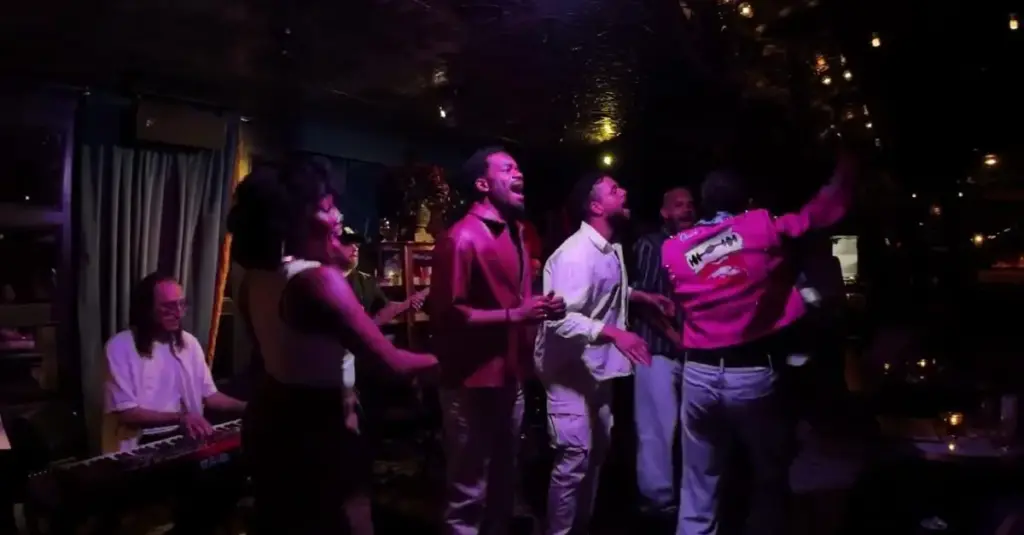
Enter Pixel Grip. Comprising vocalista Rita Lukea alongside producers Tyler Ommen and Jonathon Monroe, the Chicago trio has spent years carving out a distinct niche that bridges the gap between darkwave, EBM (Electronic Body Music), and the city’s legendary house music lineage. When approached to rework the album’s flagship track, the answer from the trio was instantaneous.
"When Peaches calls and asks about a remix, of course you answer and say yes," the Illinois trio remarked in a joint statement.
By applying their signature production ethos to "No Lube So Rude," Pixel Grip has successfully stripped the track down to its visceral components while supercharging it with a four-on-the-floor momentum tailored for late-night warehouse sessions. The remix acts as a bridge between Peaches’ industrial-punk roots and the pulsing, rhythmic sanctuary of Chicago’s underground club scene, demonstrating the track’s remarkable structural versatility.
The Visual Companion: "You’re Alright"
The release of the Pixel Grip remix also capitalizes on the momentum generated by Peaches’ recent visual projects. Last week, via independent culture platform Nowness, the artist shared the official music video for "You’re Alright."
Directed by Oscar-shortlisted filmmaker Agniia Galdanova—acclaimed for her piercing documentary work, including the feature Queendom—the video is a masterclass in transgressive visual art. Co-starring Peaches alongside renowned performance artist Jenna Marvin, the visual counterpart matches the abrasive, hypnotic energy of the music, utilizing stark cinematography and confrontational choreography to explore themes of bodily autonomy and artistic defiance.
Supporting Context & Metrics: Collaborations, Cross-Genre Impacts, and Screen Debuts
Peaches’ recent output is characterized by a spirit of radical collaboration, drawing in heavyweights from entirely disparate sonic universes. A prime example is the original recording of "No Lube So Rude," which features a guest vocal appearance by Joe Talbot, the fierce, baritone frontman of post-punk powerhouse IDLES.
Talbot’s inclusion on the track was not merely a superficial cross-genre feature, but a meeting of kindred spirits. Reflecting on the collaboration, Talbot spoke candidly about his long-standing admiration for Peaches, noting that her uncompromising artistic footprint has guided him for years.
"Her music has always answered my call," Talbot shared. "I hope in some small way this song is answering hers. And the sweat."
This sentiment of physical exhaustion, emotional catharsis, and unyielding stamina defines the current phase of Peaches’ career. Her creative footprint in 2024 has expanded far beyond traditional studio albums and tour venues. In April, Peaches made a triumphant foray into cinematic scoring, releasing her debut film score for the Netflix production Big Mistakes. Composed alongside Grammy-winning contemporary composer Kroll-Rosenbaum, the score proved Peaches’ technical dexterity, translating her signature abrasive electronic textures into atmospheric, narrative-driven soundscapes suited for the screen.
Touring Footprint and International Acclaimed Runs
The current live circuit follows a series of sold-out international tour dates earlier this year, proving that Peaches’ live performances remain unmatched in their theatricality, stamina, and shock value. Her shows are not merely concerts; they are immersive, high-energy rituals that demand physical and emotional participation from the audience. As she sweeps across North and Latin American venues, the demand for her tickets remains exceptionally high, positioning her as a vital, ageless force in live entertainment.
Official Statements and Industry Perspectives
The convergence of underground club culture, cinematic scoring, and sociopolitical activism within Peaches’ current campaign has drawn widespread commentary from music critics, cultural theorists, and collaborators alike.
Industry analysts note that while many legacy artists choose to rest on their laurels, Peaches continues to position herself at the vanguard of cultural production. By inviting acts like Pixel Grip to reinterpret her work, she actively revitalizes her catalog, allowing younger generations of electronic producers to inject fresh perspectives into her storied discography.
Furthermore, the involvement of filmmakers like Agniia Galdanova underscores a growing trend where musicians with distinct aesthetic visions seek out documentary and arthouse directors to translate their music into cinematic statements. Galdanova’s lens brings a gritty, vérité realism to the hyper-stylized performances of Peaches and Jenna Marvin, elevating the music video format into a recognized branch of contemporary performance art.
The collaborative ecosystem surrounding No Lube So Rude can be broken down into key contributors and their respective roles:
- Peaches: Primary artist, visionary, and producer, steering the narrative of her decade-long return.
- Pixel Grip: Remixers and producers, translating industrial punk into Chicago house club architecture.
- Joe Talbot (IDLES): Featured vocalist on the original track, bridging post-punk fury with electronic subversion.
- Agniia Galdanova: Director of the "You’re Alright" video, applying an Oscar-shortlisted documentary eye to performance art.
- Jenna Marvin: Performance artist and co-star in visual campaigns, reinforcing themes of radical bodily presence.
- Nora Kroll-Rosenbaum: Co-composer on the Netflix Big Mistakes score, expanding Peaches’ output into narrative cinematic scoring.
Future Outlook: Art as Activism on the Road
Perhaps the most defining aspect of Peaches’ current North American headlining tour is its explicit commitment to civil liberties and bodily autonomy. In an era where artists frequently grapple with how to engage their audiences politically without sacrificing artistic integrity, Peaches has established a masterclass in direct, impactful activism.
Through a targeted partnership with PLUS1, $1 from every single ticket sold on the North American headlining run is directed straight to NOISE FOR NOW and a network of grassroots organizations. These entities are on the front lines of the battle to provide, protect, and expand reproductive rights across the United States. This financial contribution ensures that concert attendance directly translates into tangible resources for healthcare access and legal advocacy.
Moreover, recognizing the critical importance of the upcoming electoral landscape, Peaches has invited HeadCount—a non-partisan organization that uses the power of music to register voters and promote democracy—to be physically present at select U.S. tour dates. Fans attending these shows are met not only with world-class electronic music and boundary-pushing performance art, but also with direct, frictionless opportunities to register to vote and engage with local advocacy groups.
Conclusion
As Pixel Grip’s house-infused remix of "No Lube So Rude" echoes through underground clubs and festival sound systems alike, it serves as a reminder that Peaches’ creative engine is running hotter than ever. Whether she is collaborating with IDLES, scoring Netflix thrillers under the guidance of Grammy-winning composers, or raising critical funds for reproductive rights on the road, Peaches remains an indispensable cultural architect. Her art has always demanded a physical and emotional response—and today, that response extends far beyond the dancefloor and directly into the fabric of social change.