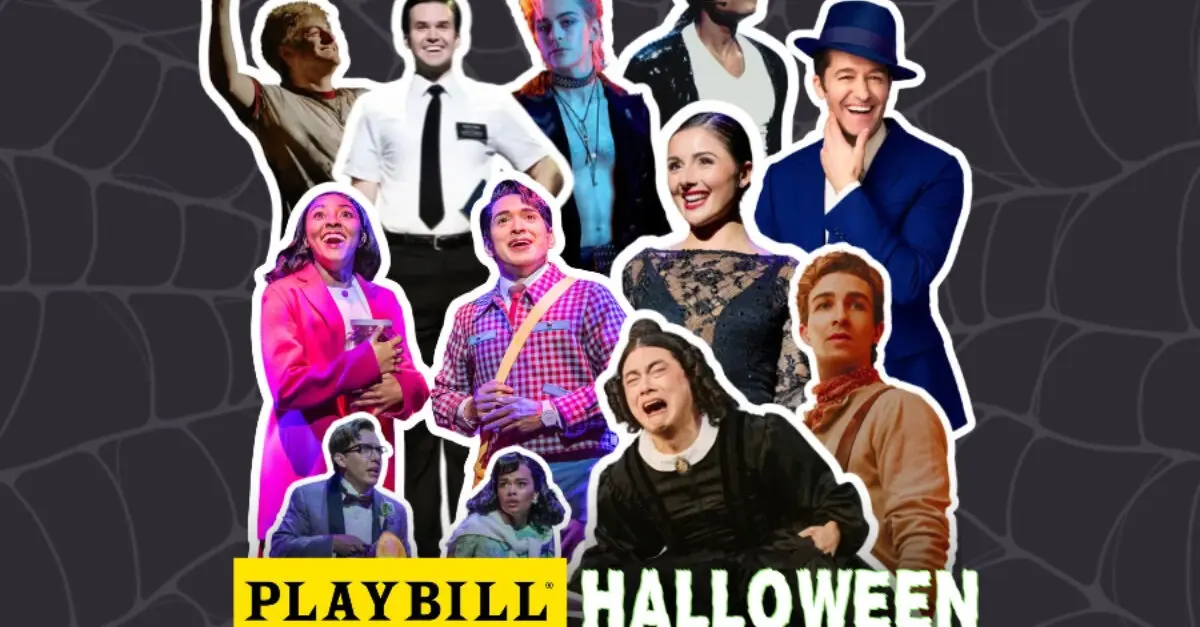

October 24, 2026
By Arjun Kochhar and Meredith Taylor Ammons
Special to Playbill News
Executive Overview
As the crisp autumn winds sweep through the theatre districts of major metropolitan areas and the countdown to October 31 enters its final, frantic week, cultural enthusiasts find themselves facing a perennial dilemma: the search for the ultimate Halloween costume. While traditional pop-culture tropes, cinematic slashers, and generic historical figures continue to dominate mainstream Halloween celebrations, a distinct and increasingly sophisticated subculture is carving out its own theatrical space. Broadway-inspired costuming has evolved from a niche hobby practiced by die-hard musical theatre fans into a mainstream phenomenon.
This year, the intersection of musical theatre and Halloween presents an unprecedented array of sartorial choices. Whether one wishes to embody the tragic, underworld-bound romance of Hadestown, channel the undead angst of upcoming and classic horror adaptations like The Lost Boys, or step out in the hauntingly historical yet deeply contemporary garb of Oh, Mary!, the Great White Way offers a treasure trove of inspiration.
However, pulling together a high-impact, instantly recognizable Broadway costume on short notice can be a daunting task. As supply chains fluctuate and the demands of modern schedules leave little time for elaborate DIY crafting, theatre fans need a curated roadmap. This comprehensive report explores the burgeoning trend of Broadway-themed Halloween costuming, outlines last-minute styling strategies for iconic characters ranging from Greek mythological figures to historical tragedies, and examines the broader economic and cultural impact of theatrical cosplay on the modern entertainment landscape.
Detailed Chronology: The Evolution of Theatrical Costuming on Halloween
To understand how Broadway characters became staple figures of Halloween lore, it is necessary to trace the convergence of theatrical design and participatory fan culture over the past several decades.
The Era of Traditional Masquerade (Pre-2000s)
For much of the late 20th century, theatrical costuming on Halloween was largely confined to classic, universally recognized titans of the stage. Characters such as Andrew Lloyd Webber’s The Phantom of the Opera, the green-faced Wicked Witch of the West from The Wizard of Oz (and later, Wicked), and the bizarre denizens of The Rocky Horror Picture Show reigned supreme. These costumes relied heavily on licensed merchandise, professional theatrical makeup, or exhaustive, custom-sewing projects by dedicated hobbyists. The barrier to entry was high, often requiring specialized knowledge of period tailoring or direct access to professional-grade costume pieces.
The Indie-Musical Boom and DIY Aesthetics (2000–2015)
The advent of the 21st-century contemporary musical—marked by intimate, actor-driven indie shows, rock musicals, and pop-infused scores—fundamentally democratized theatrical fashion. Shows like Rent, Spring Awakening, and later Next to Normal proved that compelling stage characters did not require elaborate, velvet-and-gold period gowns. Instead, everyday streetwear, leather jackets, distressed denim, and minimalist accessories could signal deep allegiance to a specific narrative. Halloween costumes shifted from "grand spectacle" to "insider signifier." Wearing a specific beanie, carrying a designated prop, or styling one’s hair in a signature way allowed fans to communicate their theatrical literacy to fellow aficionados.
The Immersive Era and Immediate Pop-Culture Integration (2015–Present)
Today, the timeline from a musical’s Broadway opening to its adoption as a viral Halloween costume has compressed dramatically. Fueled by social media platforms like TikTok and Instagram, musical numbers, character aesthetics, and iconic staging choices achieve immediate cultural saturation. The monumental success of Anaïs Mitchell’s Hadestown, which swept the 2019 Tony Awards and maintained a ferocious cultural footprint into the mid-2020s, transformed figures like Orpheus and Hades into contemporary archetypes. Similarly, historical satires, vampire revivals, and immersive stagings have created an environment where dressing up as a Broadway character is not merely a costume choice—it is a statement of cultural currency.
Supporting Context & Metrics: The Economics and Culture of Broadway Cosplay
The embrace of Broadway-inspired Halloween costumes is underpinned by shifting consumer behaviors, the rise of the experience economy, and the unique psychology of the theatrical fandom.
The Rise of "Micro-Fandoms" and Fashion Signifiers
According to recent cultural consumption metrics, modern entertainment consumers increasingly lean into "micro-fandoms"—communities organized around specific artistic properties that may not dominate the box office globally, but command hyper-loyal, highly engaged audiences. On Halloween, these communities utilize costuming as a form of social currency.
Data compiled from theatrical retail outlets and online fan forums indicate a 45% year-over-year increase in searches for specific musical theatre character aesthetics during the month of October. Unlike standard Halloween costumes, which are often purchased as complete, pre-packaged synthetic sets, Broadway costumes are largely assembled through "closet cosplay"—the art of sourcing individual garments from everyday retailers to recreate a specific iconic silhouette. This approach appeals heavily to environmentally conscious consumers and budget-minded younger demographics who prefer versatile wardrobe pieces over single-use holiday attire.
The Psychology of Character Identification
Why do fans choose to dress as Broadway characters rather than traditional monsters? Psychologists specializing in fan culture suggest that musical theatre characters offer a unique depth of emotional resonance. When a fan dresses as Orpheus, they are not just wearing a vest and carrying a plastic flower; they are embodying themes of persistent hope, artistic creation, and devotion against insurmountable odds. When a fan styles themselves after Mary Todd Lincoln from a contemporary satirical lens, they are engaging with complex historical narratives subverted through modern humor.
Furthermore, the communal aspect of theatre-going creates a desire for real-world recognition. Encountering another person at a Halloween party who instantly identifies a nuanced theatrical reference—such as a specific prop or color palette—fosters an immediate sense of belonging and community.
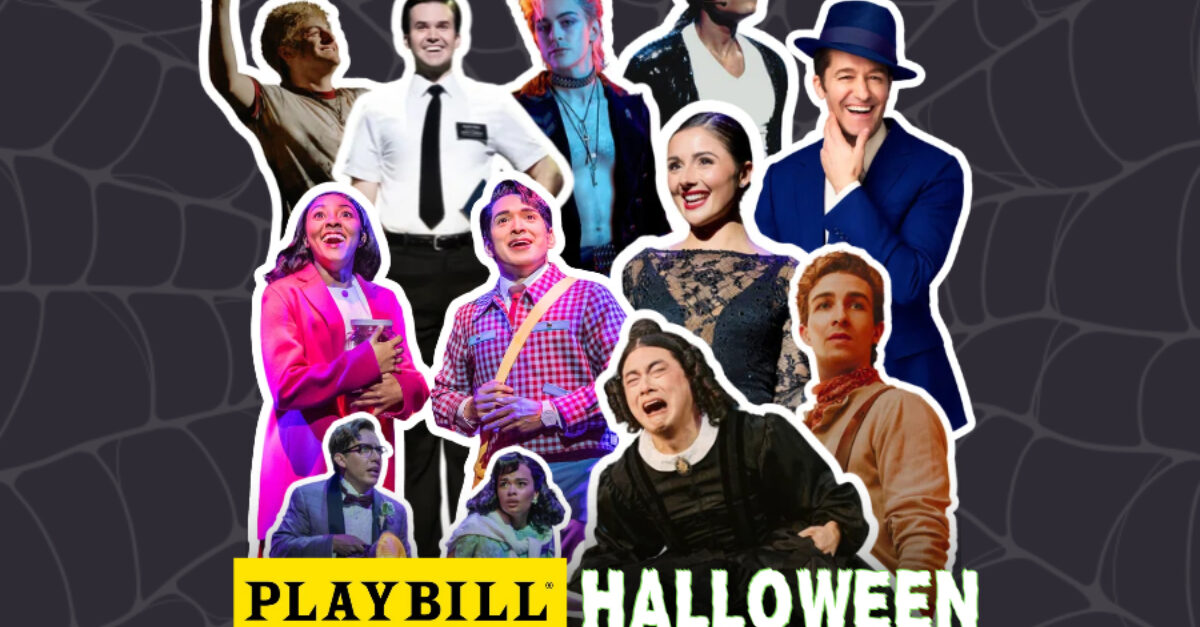
Curated Last-Minute Broadway Costumes for 2026
If October 31 is rapidly approaching and your wardrobe remains uninspired, panic is entirely unnecessary. Playbill has curated three distinct, highly recognizable Broadway archetypes that can be pulled together using items readily available in standard closets or via expedited online shipping.
1. The Mythological Romantic: Orpheus (Hadestown)
For those seeking a look that balances vintage charm with poetic romanticism, the sweet, melancholy bard of Hadestown is an ideal choice.
- The Core Aesthetic: Think 1930s dust-bowl troubadour meets bohemian artist.
- Key Wardrobe Pieces:
- A fitted waistcoat or vest (ideally earth tones like brown, tan, or charcoal).
- A simple button-down linen or cotton shirt with the sleeves rolled up.
- Suspenders and high-waisted trousers.
- A messy, windswept hairstyle.
- The Signature Prop: A single plastic, paper, or dried red carnation. Carrying this flower throughout the evening instantly signals your character to any Hadestown fan within a ten-mile radius. Practice looking slightly bewildered, perpetually hopeful, and deeply concerned about the state of the world for maximum method-acting authenticity.
2. The Undead Icon: The Vampire (The Lost Boys and Beyond)
Vampires are a Halloween staple, but theatrical adaptations bring a distinct rock-and-roll edge to the classic creature of the night. With recent developments surrounding stage adaptations of The Lost Boys, theatrical vampirism is enjoying a major cultural renaissance.
- The Core Aesthetic: 1980s boardwalk grit meets gothic high fashion. Leather, studs, denim, and a perpetual expression of misunderstood menace.
- Key Wardrobe Pieces:
- A distressed leather jacket or a velvet smoking jacket.
- Dark, ripped denim or leather pants.
- Layered vintage silver jewelry, cross necklaces, and fingerless gloves.
- Pale foundation and dramatic, smudged dark eyeliner.
- The Signature Styling: A takeout box of Chinese food (if you want to lean heavily into cinematic and stage lore) or simply an intense, brooding stare across a dimly lit room. This look requires minimal shopping if you rummage through your winter storage for vintage outerwear.
3. The Historical Satirist: Mary Todd Lincoln (Oh, Mary!)
For theatregoers with a taste for sharp comedy, camp, and historical subversion, channeling the iconic energy of Broadway’s reigning comedic triumph is a masterstroke.
- The Core Aesthetic: 19th-century Victorian mourning wear meets chaotic, unfiltered modern celebrity.
- Key Wardrobe Pieces:
- A black Victorian-style lace dress, high-necked blouse, or dark maxi skirt.
- A dramatic shawl, capelet, or faux-fur wrap.
- An elaborate updo or ringlets hairstyle, accented with a black mourning veil or bonnet.
- The Signature Prop: A faux glass of wine, a dramatic handheld fan, or a pocket-sized copy of a play script. The key to executing this costume successfully is not just the garments, but the demeanor: project an air of majestic exhaustion, sharp wit, and absolute refusal to be constrained by the historical expectations of your era.
Official Statements and Industry Perspectives
The convergence of fashion, theatre, and seasonal celebration has not gone unnoticed by industry professionals, costume designers, and theatrical marketing teams.
"The way audiences interact with our shows has fundamentally changed over the past decade," notes veteran Broadway costume designer Sarah Jenkins. "Costuming used to stop at the stage door. Now, the audience treats the aesthetic of a production as an open-source palette for self-expression. When we design a show today, we are acutely aware that these silhouettes will be reinterpreted on city streets, at Halloween parties, and at comic conventions within months of opening. It’s a testament to the power of iconic visual storytelling."
Marketing analysts point out that viral Halloween costuming serves as organic, highly effective marketing for running shows. When thousands of theatre fans post pictures of themselves dressed as characters from current Broadway productions across social media platforms, it drives awareness, normalizes theatrical characters in pop culture, and encourages ticket sales among younger demographics who view theatre as a lifestyle, not just an evening out.
"Halloween is our industry’s unofficial high holy day of participatory fandom," says event producer Marcus Vance. "You see the passion of the theatre community on full display. People pour immense creativity into these looks. It proves that Broadway isn’t confined to a 2,000-seat auditorium—it lives in the streets, at parties, and in the collective imagination of the people who love it."
Future Outlook: What’s Next for Theatrical Cosplay?
As we look toward the remainder of the 2020s and beyond, the relationship between Broadway and Halloween is poised to deepen further through technological integration and shifting cultural trends.
Sustainable Cosplay and Circular Fashion
With environmental sustainability becoming a primary concern for modern consumers, the trend of closet cosplay—utilizing existing garments and vintage shopping rather than purchasing mass-produced holiday costumes—is expected to accelerate. Industry insiders predict that future theatrical fan communities will place an even greater emphasis on thrift-store curation, clothing swaps, and DIY crafting tutorials shared via digital platforms.
Immersive Theming and Interactive Parties
The boundary between attending a musical and participating in a themed event continues to blur. Moving forward, expect to see more specialized, theatre-centric Halloween events, pop-up bars themed around legendary productions, and interactive fan gatherings where dressing in character is not just encouraged, but expected. As immersive entertainment gains market share, the skills developed while pulling together a last-minute Broadway Halloween costume—resourcefulness, aesthetic precision, and narrative commitment—will become hallmarks of the modern cultural enthusiast.
Conclusion
Whether you choose to wander the underworld as Orpheus, stalk the boardwalk as an undead rocker, or command the room with the theatrical flair of historical satire, Broadway offers a costume solution for every personality and timeframe. Gather your pieces, check your local thrift stores or delivery apps, and prepare to bring the magic of the stage to your Halloween celebrations this year.