
Executive Overview
The contemporary jazz landscape is undergoing a dynamic evolution, defined by a continuous dialogue between historical reverence and forward-thinking experimentation. Across the globe, artists are reassessing foundational idioms, recontextualizing historical narratives, and establishing self-sustaining infrastructures to bypass traditional industry bottlenecks.
This comprehensive review examines three significant recent contributions to the genre: Czech guitarist Libor Šmoldas’s playful yet rigorous historical subversion Sorry, Miles!; the New England Jazz Collaborative’s expansive, multi-composer orchestral showcase Tributaries; and saxophonist Rob Dixon’s deep dive into the greasy, groove-laden heritage of America America’s heartland with Naptown Soul.
Together, these releases encapsulate the current state of modern jazz: one foot firmly planted in the rich soil of post-bop, soul-jazz, and avant-garde orchestration, and the other stepping boldly into contemporary production methods, artist-run collectives, and transnational stylistic fusions. This report offers an exhaustive breakdown of these pivotal works, exploring their artistic philosophies, personnel dynamics, historical contexts, and implications for the future of recorded improvised music.
Detailed Chronology & Production Insights
The creation of these three distinct projects unfolded across different geographical hubs and recording timelines, reflecting the diverse operational models driving modern jazz production.
Libor Šmoldas Quartet: Sorry, Miles! (Bivak Records 017)
- Recording Dates: November 6 & 7, 2025
- Recording Location: Svarov, Czech Republic
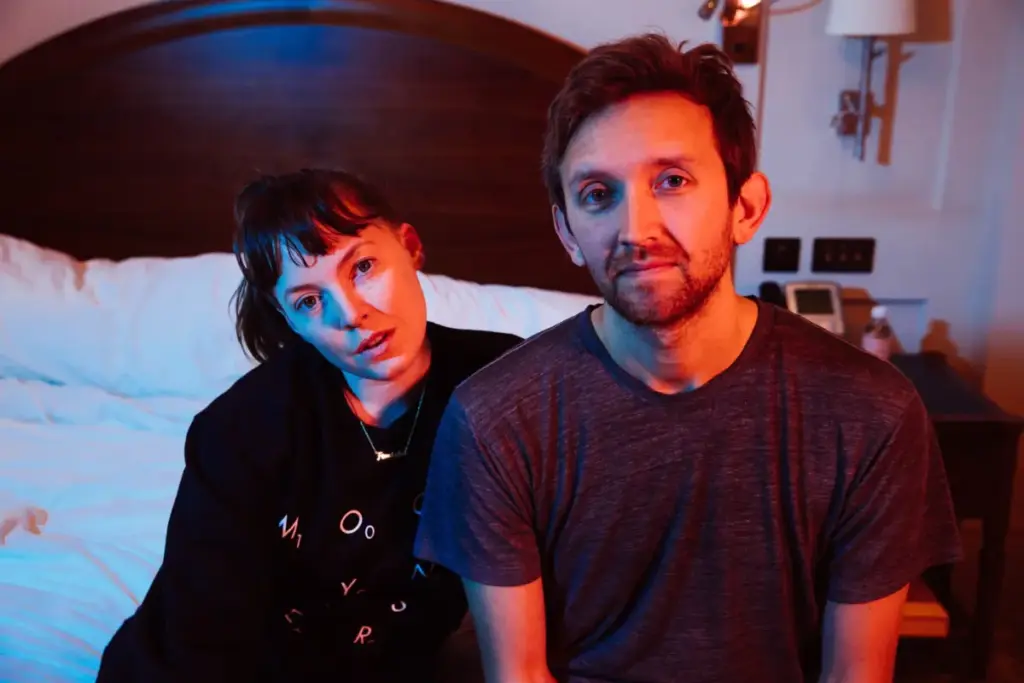
- Personnel: Libor Šmoldas (guitar); Mikuláš Pokorný (piano); Tomáš Baroš (bass); Jesse Simpson (drums).
Recorded over two intensive days in November 2025 at Svarov, Sorry, Miles! represents a meticulous synthesis of archival homage and compositional reclamation. Guitarist Libor Šmoldas built the project around a conceptual premise: shining a light on compositions that Miles Davis famously acquired or claimed under his own name, set alongside Šmoldas’s original compositions written in the unmistakable idiom of Davis’s legendary groups.
The studio sessions prioritized acoustic clarity and spatial interaction, capturing the telepathic interplay between Šmoldas and pianist Mikuláš Pokorný. Rather than merely mimicking the Miles Davis "Second Great Quintet," the quartet—anchored by the steady, responsive rhythm section of bassist Tomáš Baroš and drummer Jesse Simpson—approached venerable standards like Dig and Four, as well as original works like Richard’s Regret, with a brisk, conversational urgency. The resulting album, released via Bivak Records (catalog number 017), balances lighthearted liner-note commentary with rigorous musical execution.
New England Jazz Collaborative: Tributaries (NEJC 001)
- Recording Date: June 6, 2025
- Recording Location: Boston, Massachusetts
- Personnel: Jeremy Cohen, Darryl Harper, Matan Rubinstein, & Sam Spear (compositions/arrangements); Mark Tipton (trumpet); Temidayo Balogun (soprano saxophone); Chris Gagne (trombone); Mitch Selib (guitar); Ellie Prunea (piano); Bob Nieske (bass); Lumanyano Mzi (drums), among others.
Born out of a pressing need to create performance and recording avenues for ambitious large-ensemble writers, the New England Jazz Collaborative (NEJC) entered a Boston studio on June 6, 2025, to commit its inaugural flagship project to tape. Founded by Jeremy Cohen and a cohort of peers, the artist-led non-profit collective was built to commission, present, and document original music by a diverse ecosystem of living composers.
Tributaries (NEJC 001) serves as the temporary climax of these efforts, mapping a stylistic spectrum that stretches from contemporary fusion and West African high-life to Stockhausen-esque modernism and postmodern Third Stream integration. The tracking sessions required immense versatility from the ensemble, which seamlessly shifted gears between Cohen’s breezy fusion grooves, Harper’s odd-metre funk swagger, Rubinstein’s radical avant-garde sonic architecture, and Spear’s sophisticated swing reimaginings.
Rob Dixon: Naptown Soul (Strikezone Records 8829)
- Recording Dates: January 29 & 30, 2026
- Recording Location: Indianapolis, Indiana
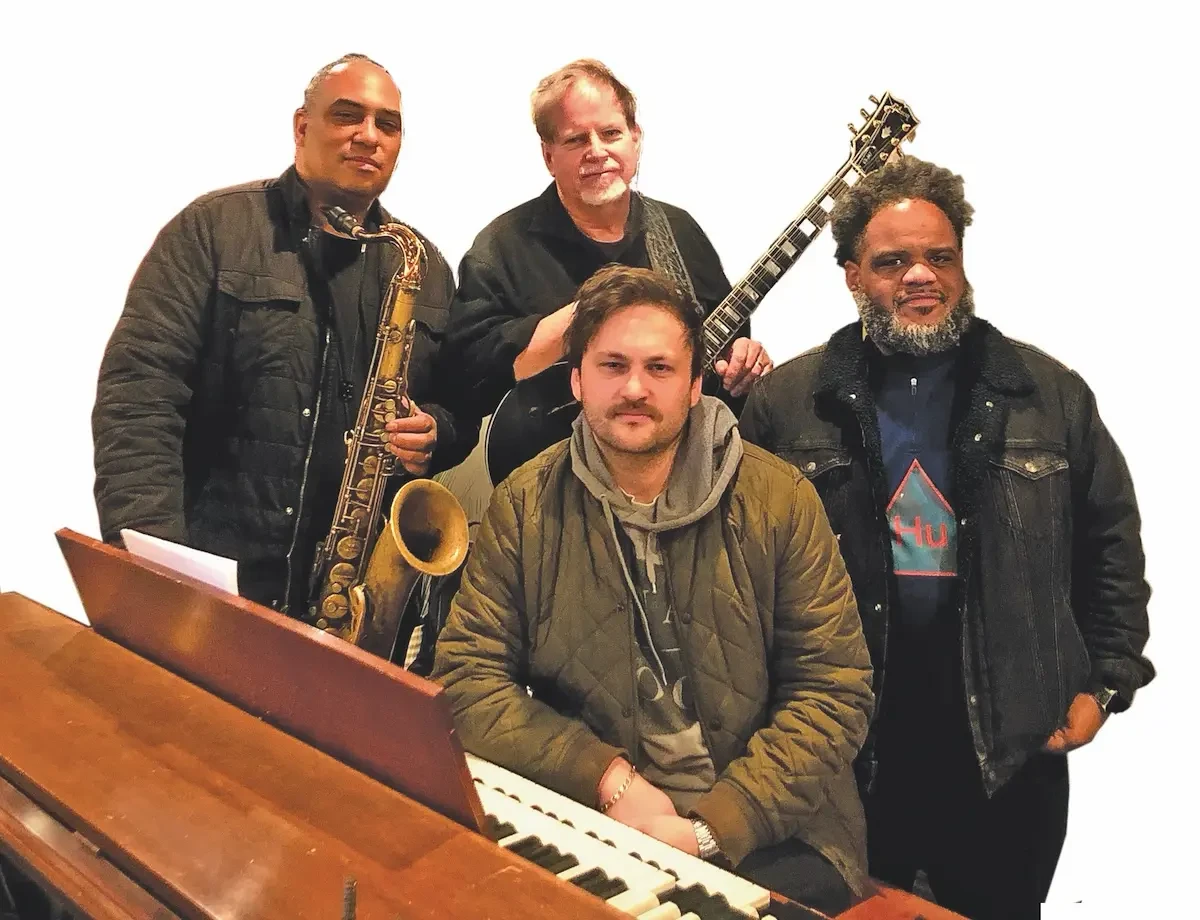
- Personnel: Rob Dixon (tenor and soprano saxophones); Dave Stryker (guitar); Sam Fribush (organ); Richard “Sleepy” Floyd (drums).
Shifting the geographic focus to the American Midwest, saxophonist Rob Dixon entered an Indianapolis studio on January 29 and 30, 2026, to cut Naptown Soul (Strikezone Records 8829). Stepping beyond the monolithic legacy of Wes Montgomery, Dixon sought to capture the greasy, high-energy spirit of Indiana Avenue—historically recognized as one of the crucial crucibles of Black rock & roll and rhythm and blues.
Teaming up with seasoned guitarist Dave Stryker, organist Sam Fribush, and drummer Richard “Sleepy” Floyd, Dixon tracked a blistering program of soul-jazz and groove-heavy originals and covers over two days. The sessions emphasized organic room sound, tactile organ-trio dynamics, and Dixon’s commanding tenor and soprano work, cementing Indianapolis’s ongoing centrality in the vernacular of modern American soul-jazz.
Supporting Context & Metrics
To fully appreciate the weight of these releases, one must examine the broader socio-musical frameworks, economic realities, and historical backstories that informed their creation.
The Economics of Large-Scale Jazz: The NEJC Model
The contemporary jazz economy poses severe challenges for big-band and large-ensemble creators. The sheer logistical cost of rehearsing, booking, and recording an orchestra often prices innovative compositional voices out of the market. The NEJC’s establishment of a non-profit, artist-led commission model addresses this systemic failure directly.
By functioning as a collective rather than a commercial enterprise, NEJC mirrors the developmental ethos of historic Boston conservatories and trailblazing ensembles led by figures like Bob Brookmeyer, Gunther Schuller, George Russell, and Bob Moses. Tributaries arrives at a runtime of 40 minutes and 27 seconds, packing an immense amount of stylistic variation into a concise, highly concentrated listening experience that successfully bridges European institutional models (such as the WDR Jazz Orchestra) with American improvisational grit.
Historical Revisionism and Jazz Lore: Sorry, Miles!
Jazz history is rich with apocryphal tales, disputed publishing credits, and questionable business practices from the "good old days." Libor Šmoldas taps directly into this lore. A prime example highlighted in the album’s conceptual framework is Richard’s Regret, which references Richard Carpenter—a figure associated with the financial transactions surrounding compositions like Walkin’.
While a casual listener can easily enjoy Sorry, Miles! purely on the merits of its post-bop harmonic sophistication and tight group telepathy, knowing the history adds an extra layer of critical engagement. Running through standards like Donna Lee, Tune Up, Smooch, and Sonny (Solar) alongside originals like Square Head and Prima Dancers, the album runs for 44 minutes and 38 seconds. It showcases how European guitarists continue to absorb, deconstruct, and playfully talk back to the American canon without losing an ounce of reverence.
Indianapolis and the Chitlin’ Circuit Legacy
As music historian Preston Lauterbach meticulously documents in The Chitlin’ Circuit: And The Road To Rock ’N’ Roll, Indiana Avenue in Indianapolis was far more than a localized jazz stop; it was an incubator for popular music as a whole. Rob Dixon’s Naptown Soul acts as an aural extension of this historical recovery.
The album’s 45-minute and 7-second runtime is evenly split between asphalt-jungle intensity and green-pasture lyricism. Tracks like The Earth, The Sky display Dixon’s labyrinthine, staccato tenor patterns—evoking the intellectual yet down-home drive of Eddie Harris—while his airy soprano reading of Marvin Gaye’s I Want You demonstrates a deep-seated command of vocal phrasing. Supported by the heavy-grooving organ-trio framework of Stryker and Fribush, the record proves that Naptown’s soul is a living, breathing tradition rather than a museum piece.
Official Statements & Artistic Manifestos
The underlying philosophies of these projects are best understood through the stated missions of their creators and the critical discourse surrounding their execution.
Libor Šmoldas on Irony and Tradition
In discussing the conceptual framework of Sorry, Miles!, Libor Šmoldas has emphasized that the project is not an act of cynicism, but rather one of celebratory critique. The guitarist notes:
"The premise is far from corny, mildly ironic instead, and worked out with panache. Good humour in the liner notes, serious business on compact disc."
This duality allows the quartet to inhabit the sophisticated harmonic language of the Second Great Quintet while injecting a self-aware, contemporary European perspective into classic American source material.
Jeremy Cohen on the Mission of the New England Jazz Collaborative
Articulating the foundational necessity of the NEJC, founder Jeremy Cohen framed the collective as an institutional counterweight to the commercial pressures facing contemporary orchestral jazz writers:
"We are an artist-led non-profit collective dedicated to commissioning, presenting and documenting new music by a diverse group of living composers."
By refusing to let complex, large-ensemble writing languish in obscurity, Cohen and his peers have established a sustainable pipeline for modern American composition that honors its academic roots while fearlessly embracing contemporary fusion and avant-garde idioms.
Rob Dixon on the Perpetual Groove of Indiana Avenue
Reflecting on the cultural weight of his home city during the tracking of Naptown Soul, Rob Dixon underscored the necessity of looking beyond individual legends to acknowledge an entire ecosystem of groove:
"There’s more music to Indianapolis than Wes Montgomery, regardless of the Naptown legend… Naptown spells soul with a capital S."
By balancing hard-driving modal excursions with smooth, vocal-inspired R&B adaptations, Dixon’s artistic statement asserts that soul-jazz remains a vital, evolving vernacular capable of synthesizing blues, funk, and modern improvisation.
Future Outlook
As the global jazz community navigates the mid-2020s, the releases from Šmoldas, the NEJC, and Dixon point toward three distinct trajectories for the genre’s near future:
- Decentralization and Artist-Led Infrastructure: The success of the New England Jazz Collaborative signals a growing shift away from traditional, top-down label models toward self-governed, non-profit collectives. Expect more regional hubs in North America and Europe to adopt similar institutional structures to fund, record, and preserve large-ensemble music.
- Playful Historical Reinterpretation: Libor Šmoldas’s approach demonstrates that contemporary artists are increasingly comfortable stripping away the hagiography traditionally surrounding jazz icons. By engaging critically and humorously with historical narratives, musicians can forge original identities without being crushed under the weight of the past.
- The Persistent Vitality of Regional Grooves: As demonstrated by Rob Dixon in Indianapolis, regional musical heritages continue to serve as rich, inexhaustible wells for contemporary exploration. The cross-pollination of classic organ-trio formats with modern rhythmic sensibilities ensures that soul-jazz will retain both its grassroots audience and its critical edge.
Ultimately, these three releases—Sorry! Miles, Tributaries, and Naptown Soul—demonstrate that the vitality of jazz lies not in rigid preservation, but in constant, fearless reinvention.