
Executive Overview
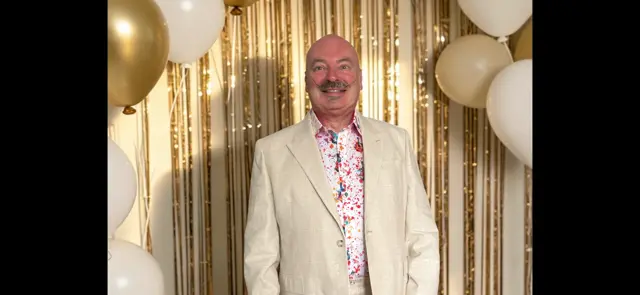
In the fast-paced ecosystem of digital journalism, few platforms manage to sustain a quarter-century of independent, uncompromising cultural commentary. Yet, Classical Source—the trailblazing digital arts publication founded at the cusp of the dot-com boom—has done precisely that. As its co-founder, Managing Director, and technological anchor, Chris Caspell, celebrates his landmark 60th birthday, the classical music and dance communities are pausing to reflect on a remarkable milestone.
Caspell’s journey is one of quiet resilience, entrepreneurial foresight, and an unyielding passion for the arts. Long before digital-first arts platforms like Bachtrack (2008) or The Arts Desk (2009) redefined the British cultural landscape, Caspell and his co-founders recognized the seismic shift occurring in media. They cast aside the crumbling infrastructure of print journalism to build a digital sanctuary for music lovers, critics, and performers alike.
Operating entirely free from institutional backing, heavy arts council funding, or restrictive paywalls, Classical Source became a pillar of British concert life—particularly chronicling the rich tapestry of London’s musical events. As Caspell marks his sixtieth year, tributes from across the globe highlight not only his technical wizardry and steadfast leadership through economic and global crises, but also his multi-faceted life as a violist, conductor, church choir singer, entrepreneur, and an accomplished tango dancer distinguished by an unmissable moustache.
This retrospective examines Caspell’s indelible footprint on classical music criticism, tracing the birth, evolution, near-demise, and subsequent renaissance of Classical Source, contextualized through the voices of the writers, editors, and musicians who lived its history.
Detailed Chronology: From Dot-Com Optimism to Digital Pioneer
To fully appreciate the magnitude of Classical Source, one must cast their mind back to the late 1990s—an era of profound transition for media and technology. In Caspell’s own evocative words, it was 1999: "The height of the dot-com boom, the year Napster appeared, BlackBerrys were everywhere, and the internet felt full of possibility."
During this period, traditional print magazines were entering a painful, protracted decline. Major broadsheets were steadily slashing column inches, forcing reviewers to compress nuanced artistic critique into brief, sub-edited blurbs. The golden age of post-war daily criticism—where a debutant at the Wigmore Hall received the same comprehensive, thoughtful consideration as global titans like Arthur Rubinstein or Herbert von Karajan at the Royal Festival Hall—seemed to be vanishing into history.
It was against this gloomy backdrop that Chris Caspell, alongside two other gentlemen, conceived Classical Source. Launching independently, the platform arrived alongside a small vanguard of digital pioneers, including Len Mullinger’s MusicWeb International (1995) and Basil Ramsey and Keith Bramich’s Music & Vision (1999).
Initially, the digital medium was met with widespread skepticism by the traditional classical establishment. Skeptics questioned whether online publications could ever command genuine authority or replace the tactile weight of broadsheet newspapers. Caspell answered with a resounding and prophetic "Yes."
Rather than enforcing arbitrary word limits or commercial constraints, Classical Source offered its writers—a carefully curated blend of lay enthusiasts and seasoned professionals—absolute editorial freedom. There were no caps on the length of essays, nor restrictions on the sheer volume of concerts and compact discs that could be reviewed. Overnight, the publication recreated the intellectual climate of mid-century music criticism, breathing fresh air into an increasingly suffocating journalistic environment.
Performers, concert promoters, and artist management agencies quickly took notice. Major institutions, including the BBC Proms, major London orchestras, and leading concert halls, lent their enthusiastic support. Over the subsequent decades, the site weathered numerous industry storms, remaining a steadfast voice until structural and economic pressures began to mount in the late 2010s.
Supporting Context & Metrics: The Rise, Fall, and Rebirth of a Titan
At its absolute zenith, Classical Source was an industrious powerhouse of cultural reportage. During busy seasons, the site regularly hosted up to three distinct reviews daily, amassing a dedicated following that included 18,000 followers on Twitter (now X).
Granular metrics from March 2017 underscored its robust health: the platform pulled in 59,492 page views in a single month, boasting an exceptionally loyal readership where 46.3 percent of visitors were returning users. The site functioned as a staggering historical archive, cataloging decades of London’s vibrant concert life with an attention to detail matched by few institutional libraries.
However, the realities of maintaining an unfunded, independent digital publication over twenty years eventually took a heavy toll. The passing of Kevin Rogers in 2023—a beloved chemistry teacher at the City of London School for Boys who had joined Classical Source in 2007 as its media-savvy Deputy Editor—sent shockwaves through the editorial team and deeply impacted its day-to-day operations.
Then, in February of last year, news broke that sent shockwaves through the classical music community: the site was preparing to wind down. In a candid editorial statement, Caspell explained the decision:
"We now manage only a handful each month. Readership has inevitably declined, and the site is slowly fading away. That is not a fitting end to something that achieved so much, with so little, for so long."
For an international community of critics, musicians, and devoted readers, the prospect of losing Classical Source was unthinkable. The outpouring of grief from the public and contributors alike demonstrated just how deeply woven the site had become in the fabric of classical music culture. Fortunately, this collective dismay catalyzed a wave of action. By April, renewed preservation efforts and plans for a strategic relaunch breathed new life into the platform, ensuring that its rich legacy would not be consigned to the digital dustbin.
Official Statements & Tributes from Reviewers
As Chris Caspell crosses the threshold into his sixtieth year, his colleagues, co-editors, and longtime contributors have rallied to honor his quiet dedication, technical stewardship, and personal warmth.
Rob Pennock offered warm congratulations, emphasizing the vital foundation Caspell provided:
"Congratulations to Chris on his 60th birthday. His personal and financial support of Classical Source has ensured that it has made a substantial contribution to the world of classical music and dance. I look forward to working with him over the coming years as the site develops and further improves the service it offers to the world’s classical music community."
David Rice praised Caspell’s steadfast perseverance and mentorship:
"Chris, I send my warmest wishes to you on his [sic] sixtieth birthday. Your tireless efforts to maintain and sustain The Classical Source over the years are deeply appreciated, as is the guidance you have provided to me on numerous occasions. Happy Birthday!"
Reflecting on the turbulent times we live in, David Gutman underscored the profound impact of Caspell’s life’s work:
"Wishing you a fabulous significant birthday. We may be living through an age of uncertainty in so many ways but now is not the time to underestimate the achievements, nor the joy and support you have given to others over the years. Take care and all the very best."
Lisa Stone-Ford highlighted Caspell’s infectious enthusiasm for the art form:
"Happy Birthday! Wishing you a truly wonderful day and every happiness in the year ahead. Your passion and commitment to sharing classical music with so many people is inspiring, and I hope this year brings you continued success, good health, and many reasons to celebrate. Have a fantastic birthday!"
Curtis Rogers looked forward with optimism regarding the site’s next chapter:
"Very best wishes on your milestone, and for taking Classical Source through to its next phase."
Recalling the site’s genesis, Nick Breckenfield shared a nostalgic note:
"Happy 60th Chris! I can well remember meeting you with Colin at the launch, and look back in amazement at the coverage Classical Source has amassed. What an archive of particularly London concert life. Thank you for your enthusiasm and your commitment. Long may it continue!"
Veteran editor and critic Colin Anderson, who launched his companion platform Colin’s Column in 2020 with Caspell’s hands-on encouragement, wrote movingly:
"Chris Caspell, 60 not out. Away from taxing matters, music is an important part of his life—as a viola-player, conductor, and entrepreneur. He also sings, mostly in church choirs, and, like Fred Astaire, can dance a little and when his unmissable moustache twirls a Tango with distinction. Thirty-odd years ago Chris and two other gentlemen conceived Classical Source. It continues to this day, enlightening its readers, with Chris serving as Managing Director and techie, batting for the site’s cause. Happy Birthday !!!!! Thank-you Chris for remaining at the wicket, despite some googlies along the way, and a very happy birthday to you."
Rounding out these tributes, distinguished musicologist and critic Ateş Orga reflected on Caspell’s unique position in the British cultural landscape:
"Critics lead many lives. Chris isn’t a music professional, but [rather] a committed influencer in Britain’s musical arena post-9/11, someone with an intense passion for his muse. Concerts and recordings, whatever their shade or genre, are his for the hunting and cherishing. Pragmatic and focussed, may he remain a guiding star. Happy Sixtieth Chris." Orga also poignantly invoked the words of Astor Piazzolla: ‘Once you marry music, she is your forever lasting love.’
Future Outlook: Preserving a Digital Monument
As Classical Source transitions into its next phase, the focus shifts toward institutional archiving, structural modernization, and sustainable readership models. The near-loss of the site earlier this year served as a jarring wake-up call to the fragility of digital-only cultural heritage. Unlike physical libraries, digital publications require active technical maintenance, server financing, and continuous administrative oversight—roles that Chris Caspell has largely absorbed out of sheer devotion.
Moving forward, the collective mission among its contributors and supporters is clear: to safeguard the monumental archive of reviews, interviews, and features accumulated over a quarter of a century, while adapting the platform to serve modern digital consumers.
Chris Caspell may not have started his professional life as a career music critic, but his pragmatic vision, unwavering technical competence, and profound love for the performing arts have made him an indispensable pillar of British musical life. As he celebrates his sixtieth birthday, the classical music community does not merely celebrate a man reaching a personal milestone; it celebrates a quiet guardian who kept the flame of independent music criticism burning bright through decades of industry transformation.
Here’s to sixty years well-played, and to many more overs at the wicket. Happy Birthday, Chris.