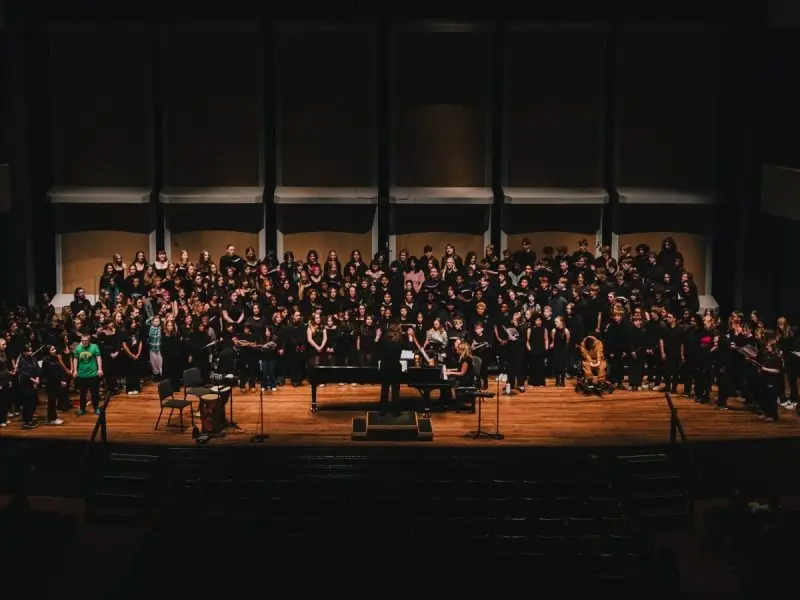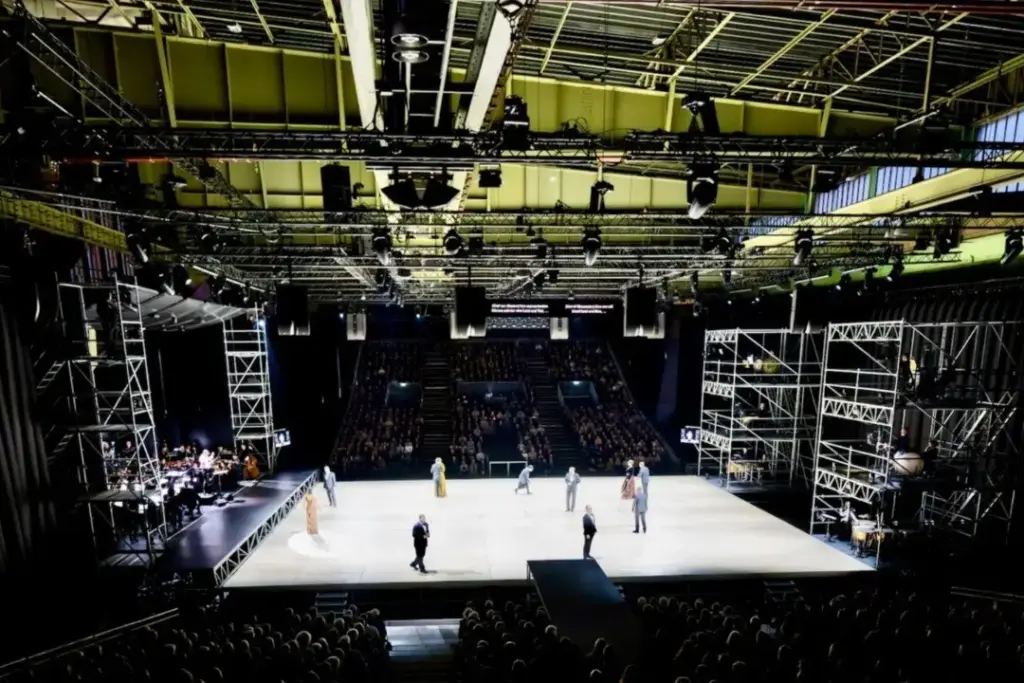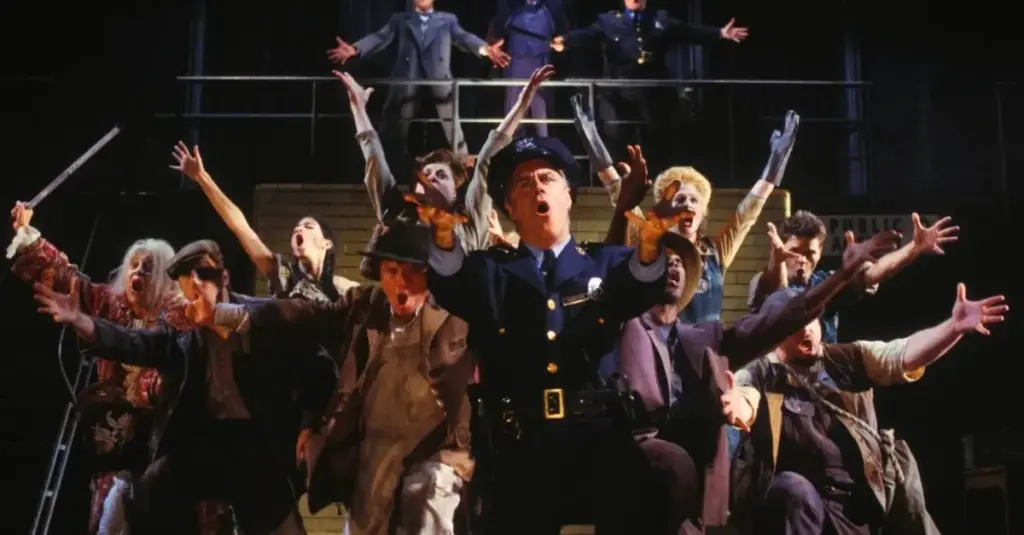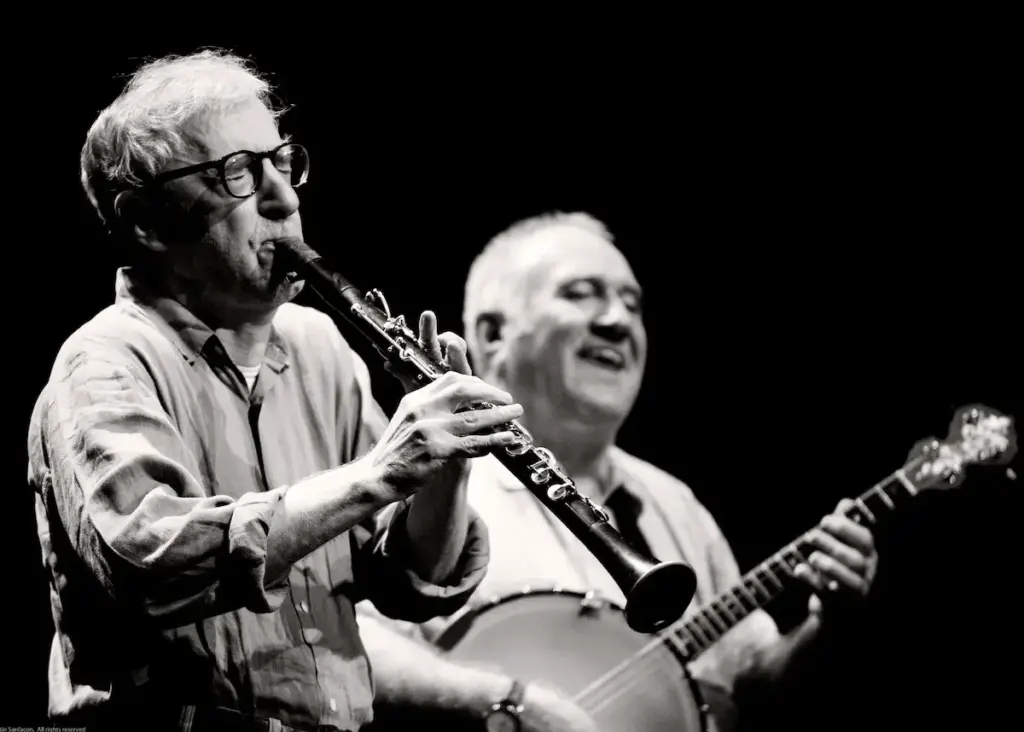
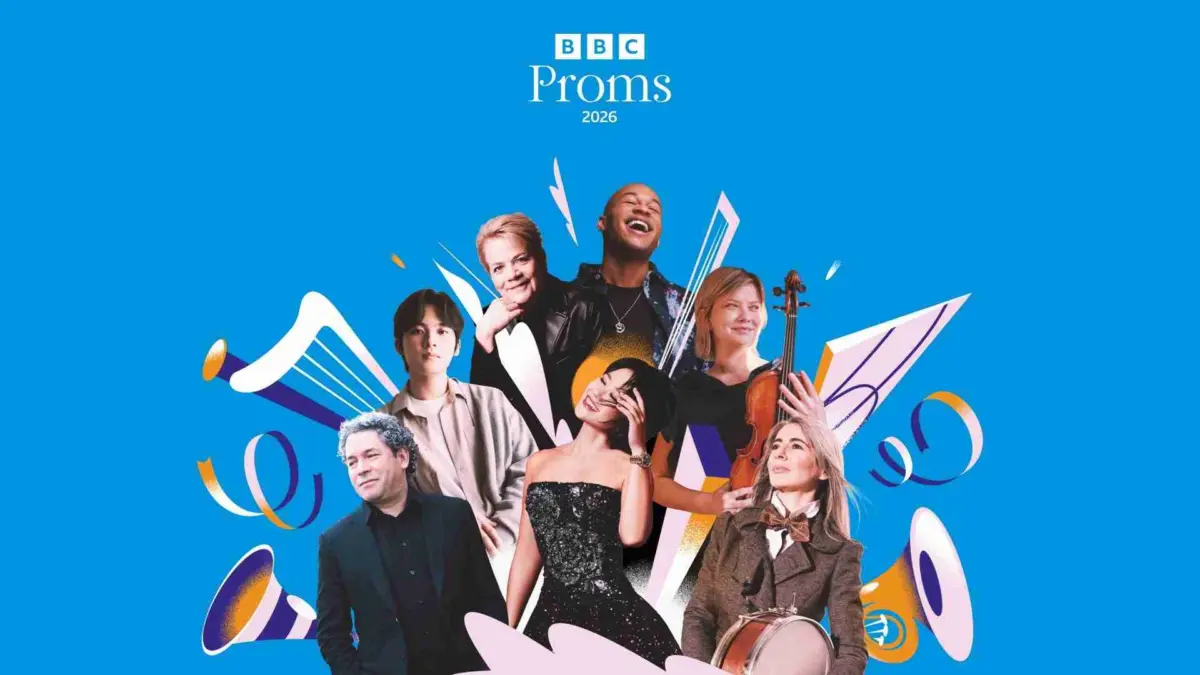

LONDON — The world’s greatest classical music festival is preparing to cast its net wider, farther, and more ambitiously than ever before. Spanning eight weeks from 17 July to 12 September 2026, the BBC Proms has officially unveiled a swaggering, globe-spanning season that feels simultaneously celebratory and strategically vital.
At a time when cultural institutions face mounting pressures regarding relevance, funding, and audience retention, the 2026 Proms program arrives as a masterclass in modern arts administration. It delivers scale without sacrificing intimacy, star-studded internationalism without forgetting its domestic bedrock, and a steadfast dedication to the radical democratization of music that has defined its ethos since 1895.
Executive Overview
The raw metrics of the 2026 season are formidable. Across 56 days, the festival will stage 86 concerts utilizing more than 3,000 musicians from every corner of the globe. Yet, numbers alone do not capture the ideological core of this year’s curation. Under the overarching direction of the BBC, the 2026 season is anchored by a compelling narrative thread: an exploration of transatlantic cultural exchange, timed precisely to mark the 250th anniversary of the United States Declaration of Independence.
At the same time, the festival doubles down on its founding democratic mission. Over 70,000 £8 standing tickets (the legendary "Promming" spaces in the Royal Albert Hall arena and gallery) will be made available, ensuring that financial barriers remain low. Every single note performed across the festival will be broadcast via BBC Radio 3, BBC Sounds, and BBC iPlayer, building directly upon the record-breaking digital audiences achieved in previous years.
Key Highlights at a Glance:
- Total Duration: 17 July – 12 September 2026.
- Scale: 86 concerts, over 3,000 artists, and 20 world and UK premieres.
- Thematic Focus: The 250th anniversary of the US Declaration of Independence, alongside a major 50th-anniversary tribute to Benjamin Britten’s legacy and cultural milestones in jazz, folk, and rock.
- Geographic Reach: Residencies in Bristol and the North-East, alongside a historic first-ever Proms visit to Mold in North Wales.
Detailed Chronology: From Opening Fanfare to the Last Night Spectacle
The architecture of the Proms season is designed as a grand narrative arc, carrying audiences from explosive international debuts to deeply reflective British masterworks, before culminating in the glorious, flag-waving delirium of the Last Night.
The Opening Week: Setting a Transatlantic Tone
The First Night of the Proms on 17 July sets an immediate, high-octane standard. The program leans into the American thematic framework with bracing interpretations of Aaron Copland, George Gershwin, and Maurice Ravel—whose own historic fascination with American jazz deeply influenced his later works. This American-French dialogue is counterbalanced by a major, brand-new BBC orchestral commission by British composer Josephine Stephenson, signaling right from the outset that the festival’s domestic roots will not be overshadowed by its guest stars.
Mid-Summer Crescendo: International Heavyweights
As the season hits its stride in August, the Royal Albert Hall plays host to an extraordinary procession of international orchestras. Most anticipated is the long-awaited return of the Los Angeles Philharmonic under the baton of Gustavo Dudamel—an absence stretching back nearly a quarter of a century that makes their 2026 residency one of the hottest tickets in classical music history.
Equally monumental is the Proms debut of the Metropolitan Opera Orchestra. Under Music Director Yannick Nézet-Séguin, the legendary New York institution will decamp to Kensington Gore to deliver searing accounts of late-Romantic masterworks by Richard Strauss and Gustav Mahler. They join a roster of returning orchestral titans, including the Berlin Philharmonic, Munich Philharmonic, and Oslo Philharmonic, alongside notable debuts from the Spanish National Orchestra and the Mahler Academy Orchestra.
The Last Night: Tradition Meets Innovation
The season culminates on 12 September with the traditional Last Night of the Proms. True to form, Chief Conductor Sakari Oramo will lead the BBC Symphony Orchestra and Chorus through a program that balances quintessential British pomp with breathtaking virtuosic surprise. In a historic Proms first, superstar pianist Yuja Wang will tackle Samuel Barber’s ferociously difficult Piano Concerto, injecting a distinctly American pulse into the ceremony before the traditional anthems ring out across the globe.
Supporting Context & Metrics: American Repertoire and British Foundations
While the American semiquincentennial gives the 2026 season its headline-grabbing geopolitical narrative, the festival’s internal mechanics reveal a deeply entrenched commitment to British musical life.
The American Focus
The US celebration is far more than a token gesture; it runs deep into the curatorial veins of the festival. Marin Alsop leads a dedicated "American Classics" showcase, while Wynton Marsalis’s Concerto for Orchestra and Jessie Montgomery’s new Cello Concerto receive their highly anticipated UK premieres. Furthermore, a special centenary tribute to jazz icon Miles Davis underscores the Proms’ expanding willingness to embrace America’s greatest indigenous art form within its classical framework.
The British Backbone
Beneath the international gloss, the beating heart of the Proms remains resolutely British. The BBC’s own performing ensembles—its orchestras and choirs—will appear no fewer than 42 times throughout the summer. When combined with contributions from 41 other UK orchestras and professional choirs, the festival emerges as a massive celebration of national artistic infrastructure.
Notable British highlights include:
- A Landmark Triple Concerto: Composer Gwilym Simcock has penned a brand-new triple concerto specifically for cellist Sheku Kanneh-Mason, accordionist Jess Gillam, and horn player Ben Goldscheider. The performance marks a full decade since the trio’s breakthrough victories in the BBC Young Musician competition.
- Brass and Britten: The Black Dyke Band brings the rich, earthy tradition of British brass banding to the Royal Albert Hall, while a major strand dedicated to Benjamin Britten marks the 50th anniversary of his passing with performances stretching from his youthful early works to monumental late orchestral statements.
A Living Laboratory: 20 Premieres
The Proms continues to reject the notion that it is merely a museum for dead white European men. The 2026 season boasts 20 premieres, including 17 BBC commissions. This new music spans an extraordinary demographic range: from nonagenarian luminaries like Thea Musgrave and Betsy Jolas to established contemporary voices such as Mark-Anthony Turnage, and forward-looking newcomers featured in the dedicated Young Composer showcase.
Official Statements and Curatorial Vision
Speaking on the release of the 2026 program, festival organizers emphasized that the season’s ambitious scale is designed to answer a fundamental question: What should a national music festival look like in the mid-2020s?
"The Proms has always been built on a dual promise," noted a senior BBC programming spokesperson during the season launch. "It is a window looking out onto the greatest orchestras, soloists, and ideas from across the entire planet, but it is also a mirror reflecting our own diverse, highly creative domestic culture. In 2026, we are leaning into that tension. By celebrating America’s 250th anniversary, we open a dialogue about democracy, freedom, and artistic migration. Yet by expanding our footprint from the North-East of England to rural Wales, we ensure that this global conversation is happening right on the doorstep of communities nationwide."
The festival’s leadership has also doubled down on genre-fluidity, pushing classical music into conversations with folk, rock, and jazz. This boundary-blurring ethos is reflected in a diverse late-night and weekend lineup that features:
- A 40th-anniversary celebration of Paul Simon’s landmark album Graceland.
- A dedicated symphonic Prog Rock night.
- Tributes to soul legend Marvin Gaye and the historic orchestral scores of the James Bond film franchise.
- Turkish psych-folk courtesy of the genre-bending ensemble Altın Gün.
Future Outlook: Accessibility, Regional Reach, and Beyond
As classical music organizations globally grapple with aging audiences and shifting economic landscapes, the BBC Proms 2026 season offers a masterclass in future-proofing through accessibility and regional decentralization.
Expanding the National Footprint
For decades, the Proms was colloquially viewed as a London-centric festival. The 2026 season accelerates a multi-year strategy to dismantle that perception. Alongside established partnerships, the festival will mount major residencies in Bristol and the North-East of England, culminating in a historic, first-ever Proms visit to Mold in North Wales. These regional events are not scaled-down touring versions; they feature full-scale orchestral premieres and innovative programming designed to engage local schools and community groups.
Innovations in Inclusivity
Accessibility in 2026 goes far beyond the iconic £8 standing tickets. The festival has expanded its provision of relaxed performances designed for neurodivergent audiences, alongside cutting-edge technological inclusion initiatives—such as the pioneering Clarion concerto, which utilizes tablet-based instruments to allow disabled musicians to perform alongside traditional symphony orchestras on an equal footing.
The Verdict
The 2026 BBC Proms is an exercise in high-wire balancing. It successfully mediates between the monumental and the intimate, the canonical and the avant-garde, the British local and the transatlantic global. By refusing to retreat into safe, predictable repertoire, the festival asserts its vitality as a living, breathing laboratory for human expression.
As the summer countdown begins, critics and audiences alike are preparing for an intoxicating two months. True to form, Classical Source will be stationed at the heart of the action throughout the summer—reviewing, assessing, and celebrating as many Proms as humanly possible. Expect rigorous insight, unbridled enthusiasm, and the occasional critical dissenting voice as the world’s biggest classical music festival once again takes over London—and captures the imagination of the entire United Kingdom.