
Executive Overview
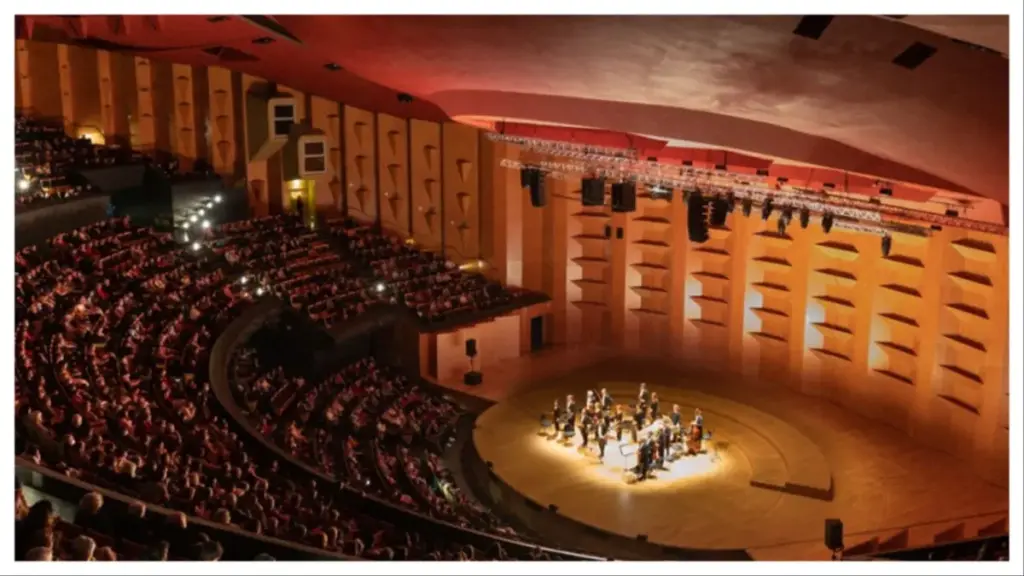
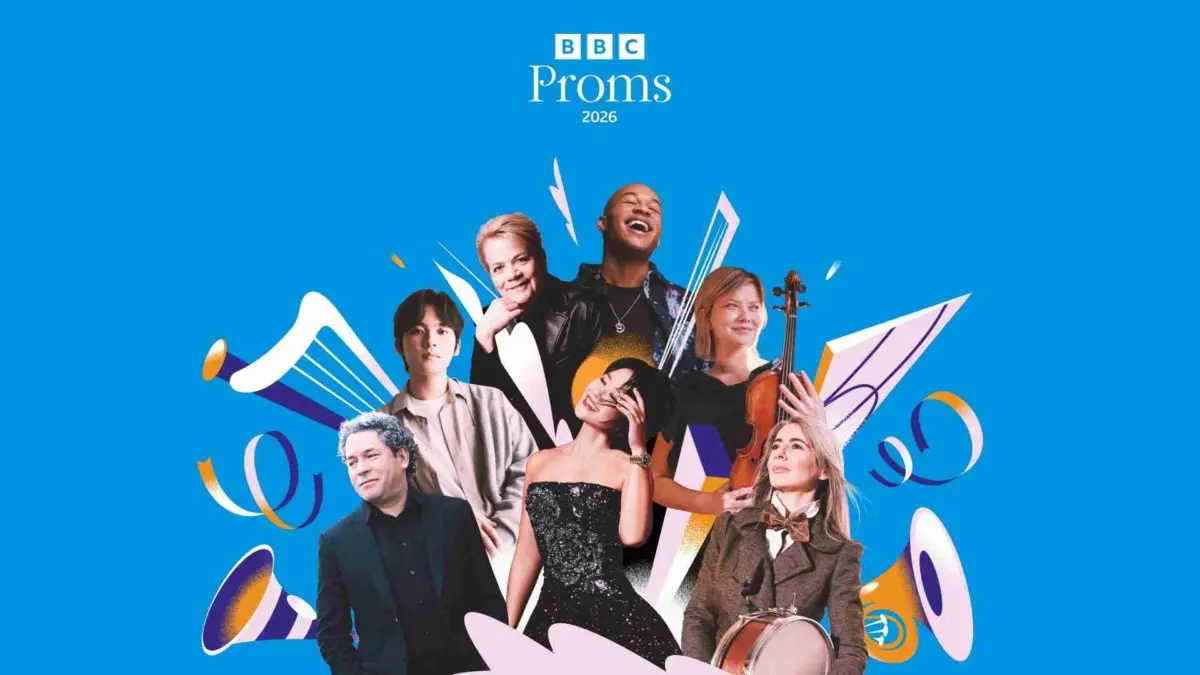
The iconic Royal Albert Hall is set to echo with a unique blend of high classical masterpieces, contemporary world premieres, and a rousing country-pop homage as the 2026 BBC Proms reaches its breathtaking crescendo. On Saturday, 12 September, the world’s largest classical music festival will draw its eight-week summer marathon to a close with the historic Last Night of the Proms.
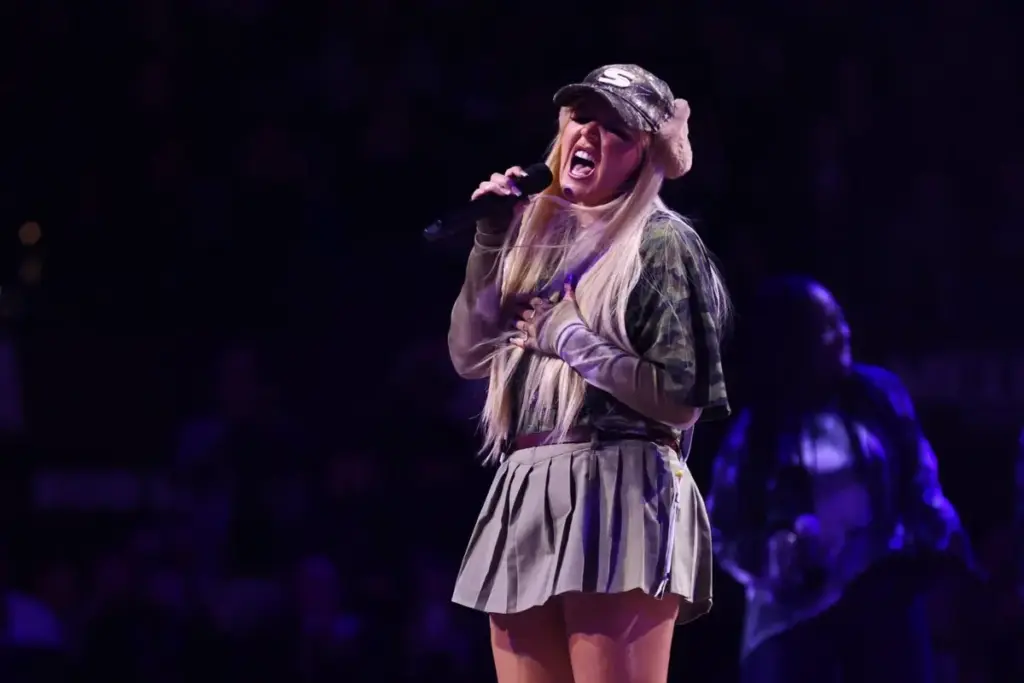
Led by Chief Conductor Sakari Oramo, the grand finale brings together classical music’s elite alongside unexpected mainstream icons. This year’s celebration promises an unforgettable cultural convergence, highlighted by a star-studded tribute to the late Queen of Country, Dolly Parton. The event features performances by West End and television star Sheridan Smith, soul powerhouse Beverley Knight, and acclaimed country-pop duo Ward Thomas delivering a bespoke medley arranged by Fiona Brice.
Beyond the star-studded tribute, the evening boasts towering classical heavyweights, including virtuoso pianist Yuja Wang taking on Samuel Barber’s Pulitzer Prize-winning Piano Concerto, and celebrated Scottish tenor Nicky Spence lending his versatile voice to Dvořák and Frank Loesser. Two major BBC-commissioned world premieres—Iris of Life by Academy Award-winning composer Anne Dudley and Dithyramb by Canadian composer-conductor Samy Moussa—further cement the Proms’ commitment to contemporary composition.
This year’s final concert caps off an extraordinary season. Spanning 86 concerts across 56 days, the 2026 season welcomed approximately 300,000 live attendees across the Royal Albert Hall and partner venues throughout the United Kingdom. Crucially, the festival has achieved record-breaking digital engagement. Interim figures reveal that 1.7 million accounts accessed Proms content on BBC Sounds and iPlayer, generating a staggering 6.8 million plays and 3.4 million viewing and listening hours.
As the broadcasting world turns its eyes to London for the live multi-platform event, this year’s Last Night of the Proms stands as a testament to the enduring power of live orchestral music, bridging the gap between centuries-old traditions and modern digital accessibility.
Detailed Chronology and Programme Breakdown
The meticulously curated programme for the 2026 Last Night of the Proms balances the solemnity of classical tradition with joyous theatricality, contemporary compositions, and unexpected pop-infused crossovers.
Part One: From Overtures to Orchestral Powerhouses
The evening kicks off with high theatrical energy as Sakari Oramo leads the BBC Symphony Orchestra in Leonard Bernstein’s effervescent Candide: Overture. This is swiftly followed by the melancholic beauty of Josef Foulds’ Keltic Suite (specifically the second movement, "Lament"), grounding the room in rich, textured British orchestral writing.
The vocal journey begins with tenor Nicky Spence, who takes the stage alongside the BBC Symphony Chorus and the BBC Singers for a soaring rendition of Act I’s "Vidino divná, přesladká" from Antonín Dvořák’s romantic opera Rusalka. The momentum builds with the sweeping, nationalistic currents of Bedřich Smetana’s Vltava (The Moldau) from Má vlast, painting a vivid auditory portrait of Bohemia’s greatest river.
Before the first major concerto of the night, contemporary classical music takes center stage with the world premiere of Dithyramb by Samy Moussa. Commissioned by the BBC and featuring the full force of the BBC Symphony Chorus and BBC Singers, this new work explores ecstatic, rhythmic dimensions that test the acoustic limits of the Royal Albert Hall.
The Virtuoso Centerpiece: Yuja Wang and Barber
One of the most anticipated highlights of the evening arrives when world-renowned piano virtuoso Yuja Wang steps up to the instrument. Wang gives a historic first-ever Proms performance of Samuel Barber’s Pulitzer Prize-winning Piano Concerto. Known for her breathtaking technique and electrifying stage presence, Wang’s interpretation of Barber’s challenging, jazz-inflected, and fiercely romantic score is expected to be a defining moment of the 2026 classical music calendar.
The Dolly Parton Tribute: "To Dolly, With Love"
Shifting gears in a dazzling display of genre-blending, the second half of the concert turns toward Nashville. Arranger Fiona Brice has crafted To Dolly, With Love, a magnificent orchestral medley celebrating the life and enduring legacy of the late Queen of Country, Dolly Parton.
An all-star cast of British vocal royalty takes the stage to honor Parton’s global songbook:
- Sheridan Smith electrifies the hall with an upbeat, theatrical rendition of the workplace anthem 9 to 5.
- Beverley Knight brings the house down with a soul-stirring, powerhouse performance of the timeless ballad I Will Always Love You.
- Ward Thomas delivers a tight, harmony-laden rendition of the iconic heartbreak classic Jolene.
The Classics and Modern Discoveries
Following the country tribute, the orchestra resumes its classical journey with Gustav Holst’s Jupiter, the Bringer of Jollity from The Planets. Yuja Wang then returns to the stage for a dramatic shift in tone, tackling Alexander Tsfasman’s dynamic Suite for Piano and Orchestra (Jazz Suite), bridging classical precision with swinging syncopation.
Folk traditions meet classical grandeur in Scotch Snap, arranged by Stuart Calvert and performed by Nicky Spence. This is followed by the second BBC-commissioned world premiere of the night: Anne Dudley’s Iris of Life, performed with the BBC Singers. Dudley, an Oscar-winning composer, brings her signature cinematic depth and harmonic sophistication to the sacred-secular vocal writing.
Nicky Spence returns once more to flex his theatrical muscles, teaming up with the BBC Symphony Chorus and Singers for Frank Loesser’s crowd-pleasing showstopper "Sit Down, You’re Rockin’ the Boat" from Guys and Dolls (arranged by Mark Cumberland).
The Traditional Finale
No Last Night of the Proms would be complete without its beloved, flag-waving secular liturgy. The final sequence commences with Sir Henry Wood’s perennial favorite, Fantasia on British Sea Songs, featuring traditional tunes orchestrated to showcase the virtuosity of the BBC Symphony Orchestra.
Dr. Thomas Augustine Arne’s Rule, Britannia! (arranged by Malcolm Sargent) follows, before leading inexorably into Sir Edward Elgar’s majestic Pomp and Circumstance March No. 1 in D major (Land of Hope and Glory). The formal choral proceedings conclude with Sir Hubert Parry’s Jerusalem (orchestrated by Edward Elgar), a moment that invariably unites the Royal Albert Hall in a sea of waving Union Jacks and shared emotion.
The evening officially closes with the British National Anthem (arr. Benjamin Britten) and the global tradition of ringing in the close of the year’s festivities with Robert Burns’ Auld Lang Syne (arranged by Paul Campbell), sending viewers and concertgoers home on a wave of communal solidarity.
Supporting Context and Metrics: A Record-Breaking Season
The success of the Last Night of the Proms is merely the grand finale of an exceptionally robust eight-week season that has redefined the reach of classical music in the digital age.
Live Attendance and Tour Reach
Across the 2026 season, which ran for nearly two months, the BBC Proms produced 86 distinct concerts. While the spiritual and historic home of the festival remains the 5,000-plus-capacity Royal Albert Hall—which hosted 72 of these concerts—the Proms continued its vital mission of decentralization. 14 concerts were held at venues across the United Kingdom, ensuring that communities outside the capital experienced world-class live orchestral music.
In total, approximately 300,000 music lovers attended the 86 Proms live in person this year, demonstrating a robust post-pandemic appetite for physical, shared concert experiences.
Digital Dominance: iPlayer and BBC Sounds
While the physical seats at the Royal Albert Hall were packed, the digital footprint of the BBC Proms expanded exponentially. Interim figures released ahead of the finale reveal record-breaking engagement across BBC iPlayer and BBC Sounds:
- 1.7 million unique accounts accessed Proms content between 13 April and 6 September 2026—representing a remarkable 32% year-on-year increase.
- This digital appetite generated 6.8 million individual plays.
- Combined listening and viewing hours reached 3.4 million hours.
- Furthermore, BBC Radio 3 weekly accounts on BBC Sounds experienced a 10% year-on-year increase during the week commencing 17 August 2026—a high-water mark driven by marquee guest performances from international powerhouses such as The Met Orchestra, the Oslo Philharmonic, and the Berlin Philharmonic.
These metrics highlight a fundamental shift in how modern audiences consume classical music: rather than choosing between the concert hall and the screen, audiences are utilizing digital platforms as an extension of the live experience. Notably, BBC television broadcasts will remain available on BBC iPlayer for a full year, while audio streams on BBC Sounds remain accessible for 30 days post-broadcast, ensuring long-tail discovery.
Official Statements from Leadership
As the curtain falls on 2026, the leadership behind the BBC Proms and Radio 3 reflected on an extraordinary summer of music-making and cultural connection.
Sam Jackson, Controller of Radio 3 and BBC Proms, expressed his enthusiasm for the upcoming finale and the season at large:
"This year’s Last Night of the Proms promises to be a joyous celebration, bringing together world-class performers, much-loved repertoire, and memorable musical moments. Across eight weeks, audiences have embraced the Proms in record numbers on our broadcast platforms, while around 300,000 people have joined us at the Royal Albert Hall and at venues across the UK. We very much look forward to the centenary of the BBC Proms next year, but for now, we can’t wait to celebrate the end of the 2026 season in style!"
Echoing these sentiments, Suzy Klein, Head of Arts and Classical Music TV, emphasized the unifying power of the festival’s multi-platform strategy:
"The BBC Proms has once again connected audiences across the UK and beyond through an extraordinary summer of live music. We’re incredibly proud of the range and quality of concerts across BBC television and BBC iPlayer, and the Last Night will provide the perfect finale to an unforgettable season. And while the season may be drawing to a close, audiences will be able to enjoy the Proms on BBC iPlayer for a whole year afterwards."
Future Outlook: Looking Ahead to the Centenary
As the last notes of Auld Lang Syne fade out at the Royal Albert Hall on 12 September, planners at the BBC will not have long to rest. Sam Jackson’s forward-looking remarks tease a monumental milestone on the horizon: the centenary of the BBC Proms next year (2027).
For nearly a century, the Proms has served as the cultural heartbeat of British summer, democratizing classical music by offering affordable standing tickets ("Promming") and broadcasting world-class performances to millions. The phenomenal success of the 2026 season—marked by a 32% increase in digital accounts and packed houses nationwide—provides an ideal launching pad for the festival’s upcoming hundredth anniversary.
For now, however, the focus remains firmly on Saturday night. With Katie Derham and Nick Mohammed guiding television viewers through the festivities, Tina Daheley reporting live from backstage, and Petroc Trelawny and Georgia Mann anchoring the live audio broadcast on BBC Radio 3 and BBC Sounds, the nation is poised for a cathartic, joyous, and star-studded farewell to an unforgettable summer of music.
Broadcast Information Summary
- Date: Saturday, 12 September 2026
- Location: Royal Albert Hall, London
Television & Streaming (BBC One, BBC Two, BBC iPlayer)
- Part 1: BBC Two and iPlayer, starting at 7:10 PM (Presented by Katie Derham and Nick Mohammed; backstage reports by Tina Daheley).
- The Finale: BBC One and iPlayer, starting at 9:00 PM.
- Catch-Up: Available on BBC iPlayer for up to one year following the broadcast.
Radio & Audio (BBC Radio 3, BBC Sounds)
- Live Broadcast: Starts at 7:10 PM (Presented by Petroc Trelawny and Georgia Mann).
- Catch-Up: Available on BBC Sounds for 30 days post-broadcast.