
By David Salazar
Published in partnership with OperaWire
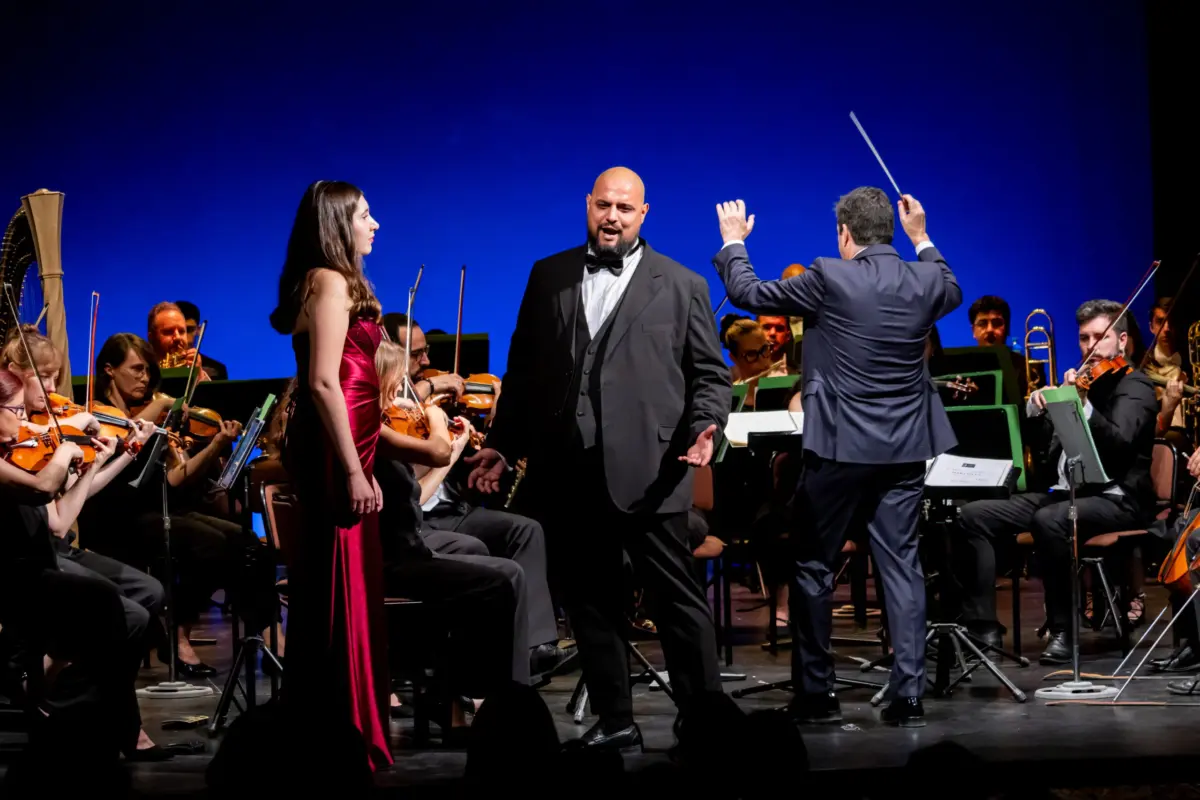
(Photo Credit: Manuel Macias)
Executive Overview
In an era where classical music institutions must constantly balance globalized repertoires with local cultural preservation, the Plácido Domingo Foundation has taken a definitive, long-overdue step to safeguard one of Spain’s most treasured artistic traditions. Between September 21 and 26, the prestigious Escuela Superior de Canto de Madrid served as the crucible for the very first edition of the Zarzuela Residence—an intensive, high-level training program dedicated exclusively to the interpretation, stylistic nuance, and historical context of Spanish lyrical theater.
Bringing together nine elite young vocalists hailing from seven distinct countries, the inaugural program bridged the gap between raw international talent and the deep-rooted idiom of zarzuela. These participants were not randomly selected aspirants; rather, they represented the cream of the crop from recent editions of Operalia, the prestigious international opera competition founded by Plácido Domingo. Over six grueling days of master classes, linguistic coaching, and vocal workshops, these global artists immersed themselves in a repertoire that demands as much theatrical verve as it does vocal agility.
Guided by a stellar roster of mentors—including artistic director Óliver Díaz, legendary mezzo-soprano Nancy Herrera, esteemed baritone Carlos Álvarez, and visionary stage director Emilio Sagi—the residents worked extensively on iconic masterworks of the genre, such as Federico Moreno Torroba’s Luisa Fernanda, Amadeo Vives’s Doña Francisquita, and Pablo Sorozábal’s La tabernera del puerto.
This comprehensive report examines the genesis, execution, and broader cultural significance of the Plácido Domingo Foundation’s inaugural Zarzuela Residence, offering an in-depth look at the curriculum, the participants, the mentorship team, and what this landmark initiative signals for the future of Spanish lyric theater on the global stage.
Detailed Chronology: A Week of Intensive Artistic Immersion
Day One: Arrival, Orientation, and Repertoire Unpacking (September 21)
The historic halls of the Escuela Superior de Canto de Madrid buzzed with anticipation on the morning of September 21. Singers arrived from diverse corners of the globe, carrying with them the rigorous technical training of top-tier international conservatories, yet facing a distinct challenge: mastering the idiosyncratic rhythms, spoken-sung dialogue (recitativo andable), and idiomatic Spanish text native to zarzuela.
Under the guidance of artistic director Óliver Díaz and repetiteurs Borja Mariño and Carlos Sanchis, the morning session focused on orientation and initial musical run-throughs. The nine participants—Davide Battiniello, Ekaterine Buachidze, Aleksandra Domashchuk, Oleh Lebedyev, Jack Lee, Sarah Saturnino, Shine Lee, Yosif Slavov, and Yuliia Zasimova—began dissecting the scores. The focus of the opening day was to establish a unified linguistic baseline, ensuring that non-native Spanish speakers could navigate the text not merely as phonetic syllables, but as living, breathing dramatic intent.
Days Two and Three: Vocal Polishing and Character Building (September 22–23)
As the week progressed, the pedagogical framework intensified. Days two and three were dedicated to breaking down the structural components of iconic zarzuela numbers. Mentors Nancy Herrera and Carlos Álvarez stepped into the rehearsal rooms to work one-on-one with the participants on vocal production, phrasing, and emotional delivery.
For works like Vives’s Doña Francisquita, the challenge lay in capturing the sparkling, effervescent charm of Madrid’s 19th-century Barrio de Lavapiés, a milieu requiring both bel canto finesse and earthy vernacular charm. Meanwhile, preparations for Moreno Torroba’s Luisa Fernanda required a dramatic shift toward the dramatic weight and political undertones of 19th-century mid-century Spain. The repetiteurs, Mariño and Sanchis, worked tirelessly at the piano, ensuring that every rubato, cadence, and stylistic flourish honored the traditions handed down by generations of Spanish zarzuela legends.
Days Four and Five: Staging, Integration, and Master Classes (September 24–25)
Mid-week brought a shift from pure vocalism to theatrical integration. Renowned stage director Emilio Sagi joined the faculty, bringing decades of operatic and zarzuela staging experience to the workshop floor. Sagi focused on physical presence, spatial awareness, and the seamless transition between spoken dialogue and musical numbers—a notoriously tricky element for artists unaccustomed to Spanish theatrical pacing.
Simultaneously, the residence opened its doors to the broader student body of the Escuela Superior de Canto de Madrid for a series of high-profile master classes. Notably, baritone Carlos Álvarez led an inspiring session alongside Alonso Cano, a promising young baritone and current student at the institution. This intergenerational knowledge transfer ensured that the benefits of the residence extended far beyond the nine selected fellows, enriching the entire local academic community.
Day Six: Culmination and Reflection (September 26)
The residency concluded on September 26 with final run-throughs, closing evaluations, and a reflective symposium among faculty and participants. While the week did not culminate in a public gala performance—serving instead as an intensive workshop and incubator—the artistic growth displayed by the singers over the course of six days was palpable. The participants left Madrid not only with a deeper appreciation for zarzuela, but with fully realized interpretations of some of the genre’s most demanding arias and duets, ready to introduce these masterpieces to opera houses across the international circuit.
Supporting Context & Metrics: The Anatomy of the Zarzuela Residence
To fully understand the weight of this initiative, one must analyze the institutional context and the demographic profile of the participants who breathed life into the program.
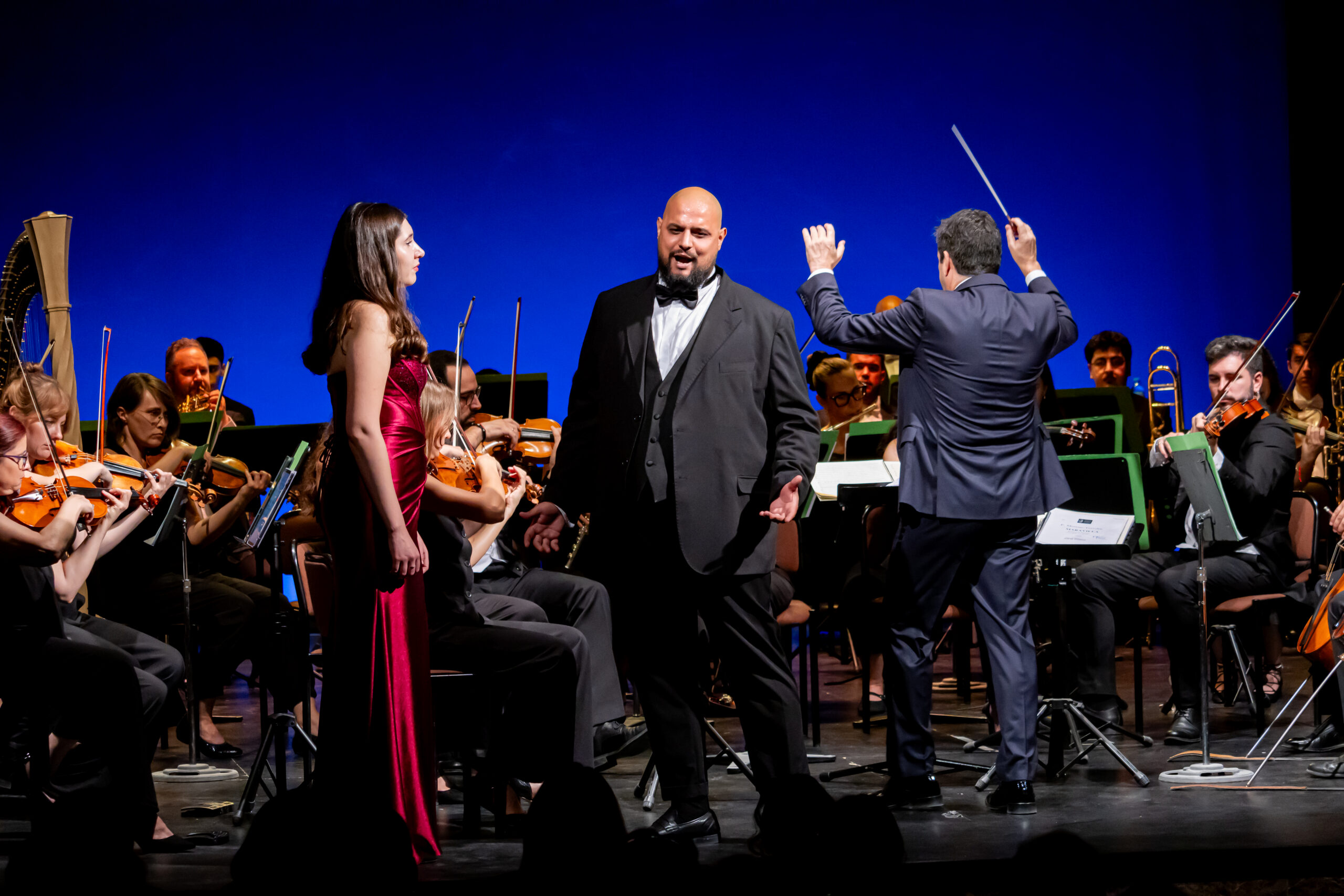
The Participants: Global Talent Meets Local Heritage
The nine singers chosen for the inaugural Zarzuela Residence were selected based on their standout performances in the zarzuela categories of recent Operalia competitions. This direct pipeline from the world’s premier global opera competition ensures that only world-class vocal talent is admitted to the program.
- Davide Battiniello
- Ekaterine Buachidze (2025 Triple Laureate: First Prize, Audience Prize, and Zarzuela Prize)
- Aleksandra Domashchuk
- Oleh Lebedyev
- Jack Lee (2024 Audience Prize Winner)
- Sarah Saturnino
- Shine Lee
- Yosif Slavov
- Yuliia Zasimova
Representing seven different countries, this cohort reflects the universal appeal of lyric theater. That artists from Eastern Europe, Asia, and the Americas are dedicating intensive study to a uniquely Spanish art form underscores the globalization of classical music and the growing appetite for niche, high-quality operatic repertoires.
The Repertoire: Pillars of the Genre
The curriculum was anchored by three undisputed masterpieces of the 20th-century zarzuela canon:
- Luisa Fernanda (Federico Moreno Torroba, 1932): A comedia lírica in three acts set against the backdrop of the 1868 revolution in Spain. Known for its lush orchestration, sweeping melodies (such as Vidal Hernando’s stirring "En mi anhelo"), and complex romantic triangles.
- Doña Francisquita (Amadeo Vives, 1923): Often considered the masterpiece of the género chico (though expansive in three acts), this sparkling comedy captures the vibrancy of Madrid during Carnival, featuring brilliant soprano showcase moments like Francisquita’s zarzuela aria "Canción del ruiseñor."
- La tabernera del puerto (Pablo Sorozábal, 1936): A romantic lyric drama set in a northern Spanish coastal town. Sorozábal’s score seamlessly integrates elements of symphonic writing, jazz-inflected rhythms, and traditional Basque-influenced melodies, highlighted by the soaring tenor romance "No puede ser."
The Mentorship Faculty
The pedagogical backbone of the residence consisted of luminaries whose collective experience spans the greatest stages of the world:
- Óliver Díaz (Artistic Director): A leading figure on the Spanish podium, known for his dynamic interpretations of both symphonic and operatic repertoire.
- Nancy Herrera: One of Spain’s most celebrated international mezzo-sopranos, renowned for her fiery portrayals of Carmen, Dalila, and quintessential zarzuela heroines.
- Carlos Álvarez: A legendary Verdian baritone whose vocal authority and dramatic depth have graced the Vienna State Opera, Teatro Real, and the Metropolitan Opera.
- Emilio Sagi: A master stage director whose visually stunning and theatrically astute productions have redefined zarzuela staging for modern audiences.
- Borja Mariño & Carlos Sanchis: Highly sought-after repetiteurs specializing in Spanish lyric diction and stylistic execution.
Official Statements & Institutional Vision
The launch of the Zarzuela Residence marks a strategic turning point for the Plácido Domingo Foundation. While the foundation has long supported young artists through various grants, sponsorships, and competitions, this represents its very first training project dedicated exclusively to zarzuela.
In statements released surrounding the inauguration, representatives of the foundation emphasized the urgent need to institutionalize the transmission of Spanish lyric art. For decades, zarzuela has suffered from a paradox: while deeply beloved within the Iberian Peninsula, it has struggled to gain a permanent foothold in the international standard operatic repertoire, often marginalized due to its reliance on spoken dialogue and culturally specific tropes.
By utilizing Operalia laureates as ambassadors for the genre, the Plácido Domingo Foundation is executing a two-pronged strategy:
- Elevating the Standards of Performance: Ensuring that international singers approach zarzuela with the same rigorous vocal technique and stylistic authenticity historically reserved for Verdi, Puccini, or Mozart.
- Global Exportation: Equipping elite young artists from around the world with certified zarzuela roles, empowering them to pitch and program these works in opera houses from New York to Tokyo.
Artistic Director Óliver Díaz noted during the opening sessions that the technical demands of zarzuela are frequently underestimated by foreign artists. "Zarzuela is not ‘light opera’ or operetta in the Viennese or French sense," Díaz remarked. "It requires vocal power, stamina, and a subtle command of phrasing that rivals the most demanding verismo scores. Our goal this week was to strip away superficial interpretations and instill a profound respect for the structural and dramatic integrity of the genre."
Future Outlook: The Global Trajectory of Zarzuela
As the curtains closed on the inaugural edition of the Zarzuela Residence in Madrid, organizers, mentors, and participants alike turned their gazes toward the horizon. The success of this pilot program has laid a robust foundation for what the Plácido Domingo Foundation hopes will become an annual fixture on the international classical music calendar.
Expanding the Footprint
Plans are already underway to evaluate the 2025 edition with an eye toward scaling the program for subsequent years. Potential expansions include increasing the participant quota, incorporating orchestral workshops where fellows can rehearse alongside professional Spanish symphonic ensembles, and establishing partnerships with international opera houses to guarantee performance showcases for graduating residents.
Cultural Diplomacy and the Operalia Connection
The integration of Operalia into the residency model is proving to be a stroke of institutional genius. By tapping into the global network of Operalia laureates—artists who have already proven their mettle on international stages—the foundation bypasses the foundational vetting process and immediately engages elite talent. When singers like Ekaterine Buachidze or Jack Lee return to their home countries or take on contracts in major international theaters, they carry with them not only Italian and German repertoire, but authenticated, masterclass-honed interpretations of Vives, Moreno Torroba, and Sorozábal.
Conclusion: A Legacy Secured
The Plácido Domingo Foundation’s Zarzuela Residence is far more than a week-long workshop; it is a vital act of cultural preservation and artistic evolution. By injecting fresh international blood into a uniquely Spanish art form while anchoring it with the wisdom of legendary mentors like Álvarez, Herrera, and Sagi, the foundation has ensured that zarzuela will not merely survive as a historical relic, but thrive as a vibrant, globally appreciated pillar of lyric theater for generations to come.