
Executive Overview
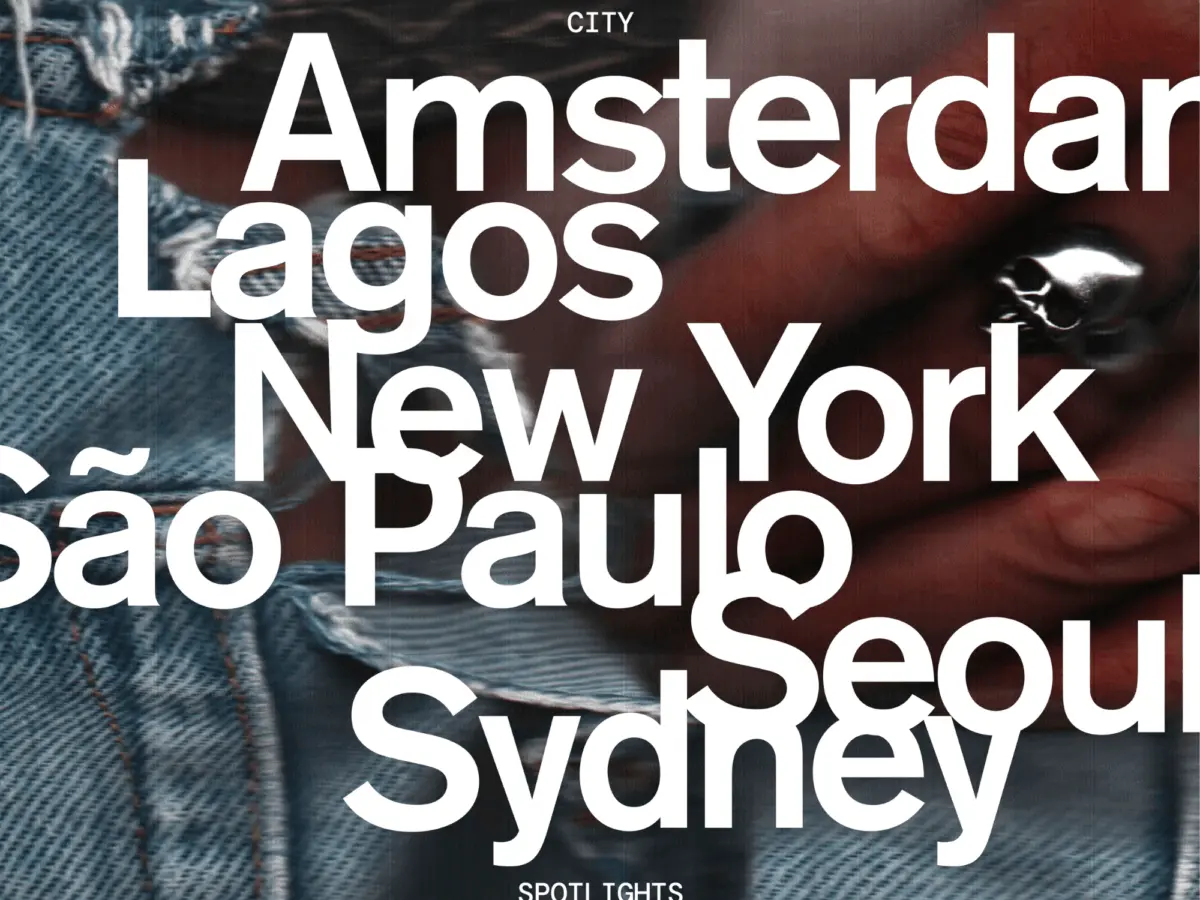
As the strobe lights cut through the autumn haze of the Dutch capital during the height of the Amsterdam Dance Event (ADE), organizers have shifted their gaze from immediate dancefloor euphoria to the long-term systemic health of nocturnal economies worldwide. In a landmark collaboration with urban nightlife consultancy VibeLab, ADE has officially launched the Nighttime Culture Index. This ongoing, comprehensive study evaluates the intricate ecosystems that sustain nightlife across six distinct global metropolises: Amsterdam, Lagos, New York, São Paulo, Seoul, and Sydney.
The Index aims to move beyond traditional economic metrics—such as ticket sales and beverage revenue—to measure the social, creative, and institutional pulse of cities after dark. By examining parameters ranging from creative ecology and ecological sustainability to diversity, representation, community resilience, and civic health, the study offers a pioneering blueprint for how modern cities value, protect, and regulate their nighttime cultures.
Initial findings from the Index reveal a complex reality of progress and persistent inequality. While contemporary lineups are seeing healthier representation of female and gender-diverse artists, structural ownership within the industry remains heavily skewed. Simultaneously, ADE’s footprint is expanding globally: the organization has announced a strategic partnership with event behemoth Insomniac to launch the Map Point Summit in Las Vegas by May 2027. Meanwhile, back in Europe, the Association for Electronic Music (AFEM) has rolled out a comprehensive voluntary framework—the Promoter Good Practice Guide—designed to anchor independent promoters in operational excellence, safety, and transparency.
This report examines these concurrent developments, analyzing the data behind the Nighttime Culture Index, the strategic implications of ADE’s international ventures, and the evolving regulatory standards shaping the future of global electronic music.
Detailed Chronology & Industry Developments
The unveiling of the Nighttime Culture Index and its companion announcements highlights a pivotal period of structural introspection and international growth for the electronic music sector.
The Genesis of the Nighttime Culture Index
Unveiled during the bustling conference and club sessions of ADE, the Nighttime Culture Index is the culmination of months of cross-continental research spearheaded by ADE and VibeLab. Recognizing that urban nightlife is frequently treated as an afterthought by municipal planners—vulnerable to gentrification, noise complaints, licensing restrictions, and economic shocks—the initiative seeks to codify the value of the night.
Researchers selected six highly influential, yet vastly different, urban centers:
- Amsterdam: A mature European nightlife hub known for its pioneering "Night Mayor" model and progressive municipal policies.
- Lagos: The pulsating heartbeat of West African contemporary culture, driven by explosive homegrown musical movements and informal economies.
- New York: A historic global epicenter facing perpetual real estate pressures, shifting zoning laws, and a renewed post-pandemic cultural renaissance.
- São Paulo: South America’s cultural engine, where massive underground movements, street parties (blocos), and diverse club spaces intersect with social challenges.
- Seoul: A hyper-technological Asian powerhouse where nightlife operates at a dizzying pace, heavily integrated with youth pop culture and consumer trends.
- Sydney: A city emerging from years of restrictive regulatory policies (such as the former lockout laws) into a hard-fought cultural recovery.
Expanding Across the Atlantic: The Map Point Summit
While the cultural index captures the sociological state of the scene, ADE’s commercial and intellectual footprint is expanding westward. In a major strategic alignment, ADE has partnered with U.S. festival giant Insomniac to launch a brand-new electronic music and rave-culture conference.
Dubbed the Map Point Summit, its inaugural edition is scheduled for May 2027 in Las Vegas. Strategically positioned between the two high-octane weekends of Insomniac’s flagship Electric Daisy Carnival (EDC)—an event drawing hundreds of thousands of dance music enthusiasts—the summit is designed to bridge the gap between North American commercial scale and European conference-driven industry discourse.
Raising the Bar: AFEM’s Promoter Good Practice Guide
Amidst these grand international initiatives, grassroots operational standards are also undergoing a significant overhaul. In Amsterdam, the Association for Electronic Music (AFEM) officially launched the Promoter Good Practice Guide.
Targeted specifically at independent, early-stage, and boutique promoters, the guide serves as a voluntary framework meant to steer emerging organizers away from amateur pitfalls and toward sustainable, ethical business practices. The initiative tackles critical operational hurdles, including transparent booking and artist contracting, open communication channels, comprehensive public liability insurance, venue accessibility for disabled patrons, and rigorous audience safety protocols.
Supporting Context & Metrics: Inside the Nighttime Culture Index
The initial data released by the Nighttime Culture Index offers a fascinating, data-driven window into the demographics and operational realities of the modern global music scene. By evaluating cities across dimensions like creative ecology, civic health, and representation, the study cuts through industry rhetoric to expose glaring systemic disparities.
The Representation Paradox: Lineups vs. Leadership
One of the most striking revelations of the initial Index dataset centers on gender representation within club and festival lineups versus venue ownership.
- On the Stage: Across the six index cities, women and gender-diverse artists account for between 27% and 32% of total billings at clubs and live music venues. While still falling short of true parity, this figure reflects years of conscious programming efforts by independent promoters, collectives, and festival bookers to elevate marginalized voices.
- In the Boardroom: The narrative shifts dramatically when examining who controls the physical spaces themselves. In five out of the six Index cities (Amsterdam, New York, São Paulo, Seoul, and Sydney), the diversity of individuals who own, operate, and top-manage nightlife venues was rated by researchers as “poor.”
This disconnect highlights a deep-seated structural bottleneck: while talent pipelines are slowly diversifying at the performance level, generational wealth, real estate gatekeeping, and traditional investment models continue to concentrate venue ownership in the hands of homogeneous demographic groups. VibeLab and ADE researchers emphasize that true cultural sustainability cannot be achieved solely through inclusive bookings; it requires systemic changes in property ownership, institutional financing, and commercial real estate access for underrepresented entrepreneurs.
Evaluating the Six Pillars
Beyond representation, the Nighttime Culture Index assesses urban nightlife through several interconnected thematic pillars:
- Creative Ecology: Measuring the vitality of local subcultures, artist rehearsal spaces, underground venues, and the cross-pollination of genres.
- Civic Health & Community: Analyzing the relationship between nightlife operators, local residents, municipal governments, and emergency services.
- Sustainability & Infrastructure: Investigating ecological footprints, waste management at massive events, and public transit connectivity during late-night hours.
- Inclusivity & Safety: Assessing anti-harassment policies, harm-reduction services (such as drug checking and safe spaces), and physical accessibility for diverse communities.
Official Statements & Industry Perspectives
The convergence of these announcements has sparked widespread dialogue among industry leaders, urban planners, and advocacy groups.
Lutz Leichsenring, co-founder of VibeLab, emphasized the necessity of data-driven advocacy for the nocturnal economy:
"For decades, nightlife has been viewed by city halls through a lens of risk management, noise complaints, and law enforcement. The Nighttime Culture Index changes the narrative by providing empirical evidence that nightlife is a vital driver of civic health, creative innovation, and social cohesion. By benchmarking cities like Lagos against Amsterdam or Seoul against São Paulo, we are building a global vocabulary for night-mayors, policymakers, and cultural architects to protect these delicate ecosystems before they are priced out or regulated into extinction."
Reflecting on the international expansion to Las Vegas, ADE organizers noted the shifting geography of electronic music culture:
"The electronic music landscape is increasingly polycentric. While Amsterdam remains our spiritual and logistical home, ideas and innovations are bubbling up from every corner of the globe. Partnering with Insomniac for the Map Point Summit allows us to bring ADE’s core DNA—fostering deep industry dialogue, education, and artistic exchange—to the heart of the North American market at a scale that matches the industry’s explosive global growth."
Meanwhile, commenting on the rollout of the AFEM Promoter Good Practice Guide, industry representatives underscored the importance of professionalization for long-term viability:
"The live music economy has never been more volatile. Rising insurance premiums, strict municipal oversight, and shifting consumer expectations mean that running an independent club night or boutique festival is no longer a casual weekend hobby. Our guide is not about red tape; it is about providing a safety net and a roadmap for the next generation of promoters to build resilient, safe, and professional businesses that can withstand economic headwinds."
Future Outlook: What Lies Ahead for Global Nightlife
As the electronic music industry looks toward 2027 and beyond, the convergence of cultural indexing, international summits, and self-regulatory frameworks points toward a more mature, accountable, and interconnected global sector.
1. The Institutionalization of Night Mayors and Nighttime Policies
The insights generated by the Nighttime Culture Index are expected to empower advocacy groups lobbying municipal governments worldwide. As cities grapple with post-pandemic downtown recovery, housing shortages, and commercial gentrification, data proving the economic and social value of nightlife will become vital ammunition. Expect to see more global cities adopting specialized "Night Mayor" offices, dedicated zoning protections for cultural venues (such as the "Agent of Change" principle), and integrated late-night public transportation networks.
2. Bridging the Ownership Gap
The glaring disparity between diverse artist lineups and homogenous venue ownership identified by VibeLab and ADE will likely become a focal point for industry reform. Future editions of the Index will track whether cities implement targeted grants, cooperative ownership models, or municipal real estate trusts aimed at helping women and gender-diverse entrepreneurs secure permanent brick-and-mortar venues.
3. Transatlantic Synergy and the Map Point Summit
The debut of the Map Point Summit in Las Vegas in May 2027 will test whether the European conference model can successfully merge with the spectacle-driven North American festival market. If successful, it could establish a new permanent fixture on the global industry calendar, creating a vital bridge for professionals navigating the transatlantic music business.
4. Professionalization at the Grassroots
With AFEM pushing voluntary frameworks like the Promoter Good Practice Guide, the barrier to entry for ethical, safe event production is being permanently elevated. As insurance companies, local councils, and festival-goers increasingly demand high standards of safety, accessibility, and transparency, promoters who adopt these best practices will find themselves better positioned for long-term survival and commercial growth.
Ultimately, the initiatives launched during this year’s ADE signal an industry growing up. By simultaneously auditing the sociological health of global cities, expanding its institutional footprint, and tightening its internal operational standards, the electronic music community is actively constructing a framework to ensure that the culture of the night can thrive for generations to come.