
Executive Overview
The landscape of Christian rock and roll is undergoing a seismic, guitar-driven revival. For decades, the genre has oscillated between slick pop-radio formulas and heavy worship anthems, occasionally leaving fans of raw, unfiltered classic rock searching for the grit and swagger of the genre’s formative years. Enter Scout and the Saints, a Georgia-rooted powerhouse collective that is aggressively bridging the gap between sacred lyrics and secular-grade Southern rock infrastructure.
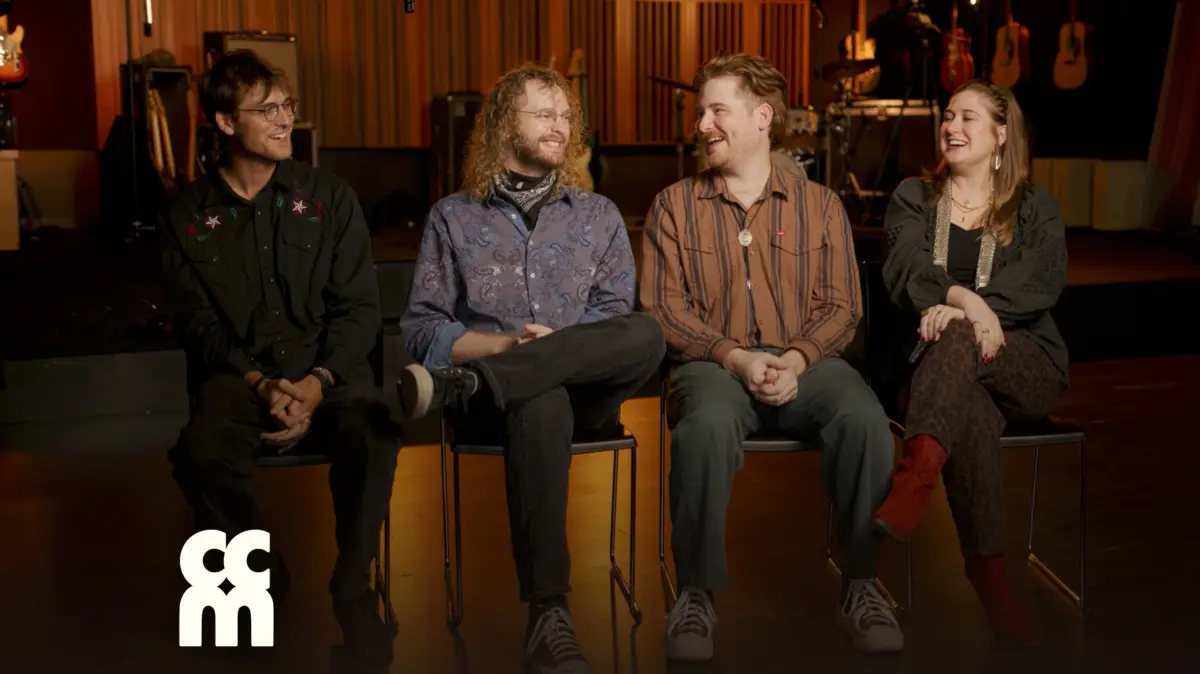
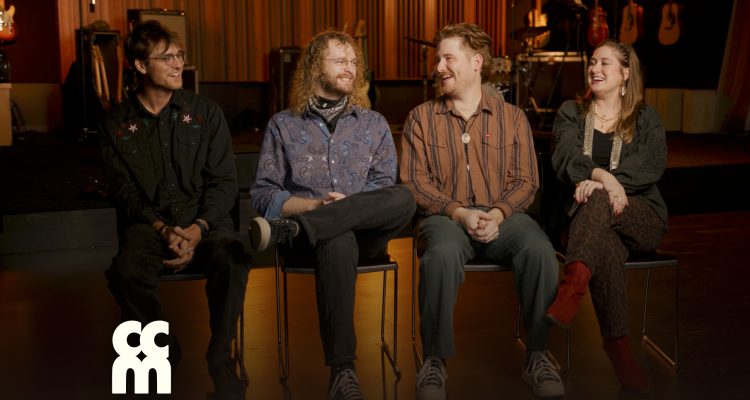
Led by the magnetic front-woman Scout Butler, alongside her husband and high-octane drummer Alec Butler, bassist and guitarist Cash Powell (Scout’s brother), and college-friend-turned-guitar-virtuoso Ryan Huston, the band operates under a deceptively simple manifesto: "Love Jesus. Rock and Roll."
During an exclusive, high-energy CCM Magazine Spotlight session, the independent quartet pulled back the curtain on their deep Southern roots, their heavy classic-rock influences, and the weight of stepping into a legendary musical lineage. Carrying the torch passed down by icons like Mac Powell of Third Day—Scout’s father—the band is carving out an entirely modern, high-voltage lane of their own. With a brand-new EP, Dancing on My Grave, a dedicated grassroots work ethic, and a massive upcoming 2027 arena tour supporting Third Day, Scout and the Saints are proving that the next generation of Christian rock isn’t just surviving; it is strapping on a Gibson, turning the amplifier dials past ten, and demanding to be heard.
Detailed Chronology: From Liberty University Dorms to the Mainstage
The genesis of Scout and the Saints did not happen in a boardroom or through a major-label talent search. Instead, it was forged in the crucible of late-night jam sessions and college creative exploration.
The 2021 Formation at Liberty University
In 2021, while attending Liberty University, Scout Butler found herself at a crossroads. Raised surrounded by the machinery of the contemporary Christian music industry—principally through the massive international footprint of her father, Mac Powell—she possessed an innate understanding of faith-based artistry. However, her personal musical compass pointed firmly toward the dusty, overdrive-soaked sounds of the 1970s classic rock pantheon.
Uniting with her husband, Alec Butler—whose chaotic, precise drumming anchors the band’s rhythmic foundation—alongside her younger brother, Cash Powell, and guitar savant Ryan Huston, Scout crystallized a lineup built on family chemistry and lifelong friendship.
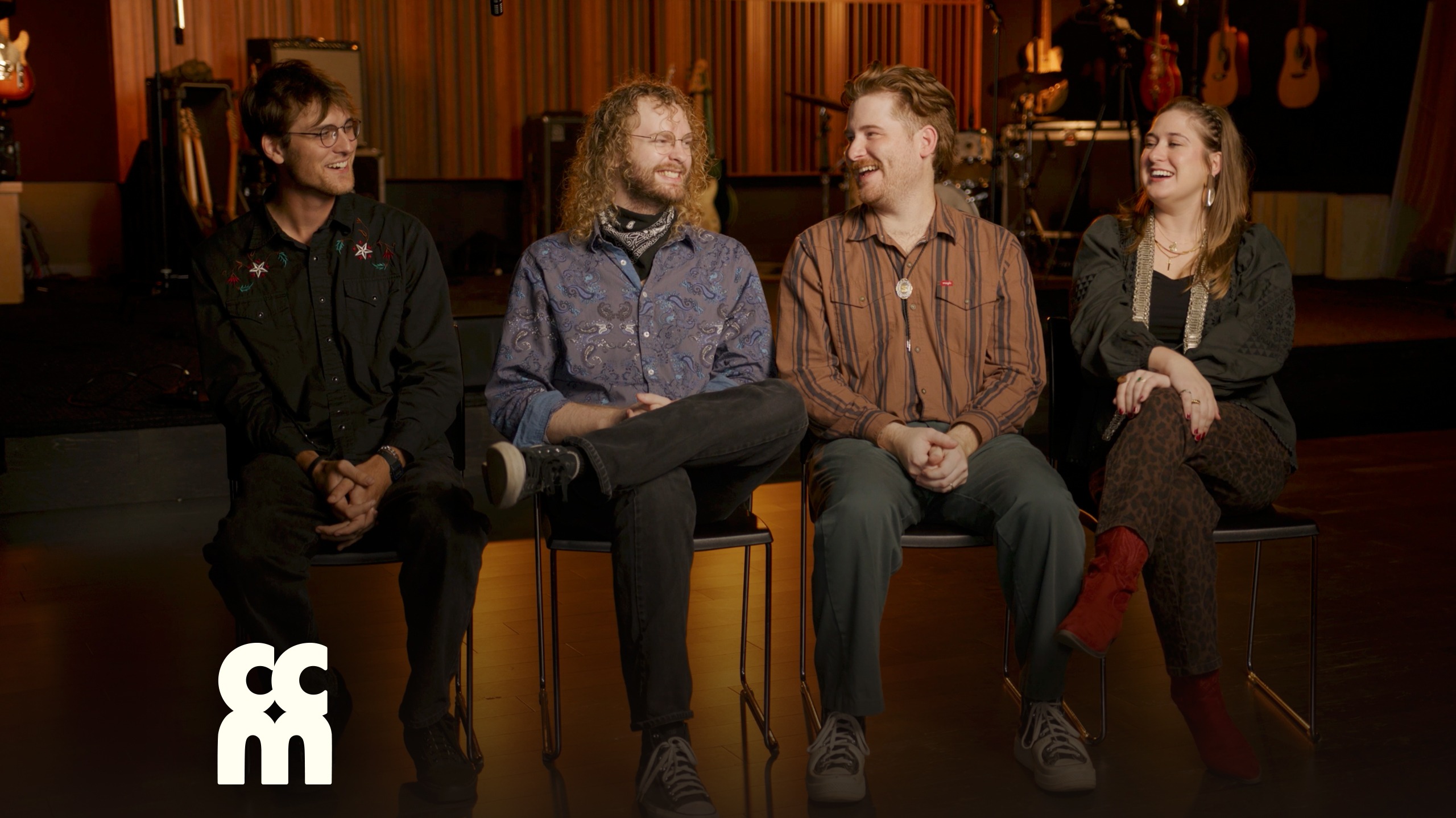
"Choosing rock and roll, I think we just don’t know how to do anything else together as a band," Scout reflected during her studio visit with CCM Magazine. "When we come together, it’s just what flows out of us no matter what."
Finding the Calling
While the group initially jammed on secular rock staples, a distinct spiritual calling shifted their trajectory. Scout recalls a profound moment of divine direction: "I felt like the Holy Spirit was kind of impressing upon me, Hey, let’s try Christian music."
Rather than diluting their aggressive, blues-infused sound to fit contemporary Christian radio molds, the band leaned hard into their identity. They realized that orthodox theological messages could thrive inside complex guitar riffs, blistering solos, and foot-stomping Southern grooves.
The Genesis of "Oh Lord"
One of the band’s earliest and most definitive creative milestones arrived with the composition of "Oh Lord." Drawing deeply from biblical imagery—specifically the prophetic metaphor of God as the potter and humanity as the clay—Scout penned a track that married vulnerability with anthemic muscle.
Seeking guidance, she brought the nascent song to her father, Mac Powell, who provided invaluable mentorship and encouraged her to lean into her distinct lyricism. The resulting track established the band’s signature template: substantive, Scripture-saturated songwriting delivered with the raw vocal power of a seasoned blues-rock front-woman.
Supporting Context & Metrics: Influences, Independent Grind, and the 2027 Tour
To understand the sonic footprint of Scout and the Saints, one must look beyond the traditional boundaries of Christian music and examine the foundational pillars of classic American and British rock.
A Masterclass in Classic Influences
Scout’s vocal delivery and stage presence are the product of an education rooted in timeless rock history. She cites foundational acts such as The Black Crowes, The Black Keys, Led Zeppelin, Tom Petty, and Bruce Springsteen as her primary inspirations.
A pivotal moment occurred when she was just 16 years old. Attending a Bruce Springsteen concert live with her father, Scout experienced an epiphany that permanently altered her life’s ambitions.
"It just blew my mind," Scout recalled. "I was like, this is what I want to do. This, like, rock thing. This is so cool."
That stadium-sized energy is precisely what the band brings to their live performances. During their CCM Magazine sessions, the band debuted "Ain’t Seen Nothing Yet," an electric track born out of a Centricity Music songwriting retreat. Constructed entirely around scriptural accounts of Jesus’ earthly miracles and the eschatological promise of heaven, the song features a face-melting guitar solo courtesy of Ryan Huston.
"We just pulled from the Word and from Scripture of things that Jesus did," Scout noted, before laughing, "It’s fun to be a Christian. It’s fun to rock out and have a guitar solo in a Christian song."
The Independent Blueprint and Dancing on My Grave
Despite carrying a recognizable last name, Scout and the Saints operate largely as an independent enterprise. In an era where streaming economics often penalize emerging acts, the quartet balances multiple side jobs, self-funds and self-produces much of their catalog, and manages their day-to-day operations with bootstrap tenacity.

Their latest EP, Dancing on My Grave, serves as a testament to this tireless work ethic. The record captures the sweat, urgency, and artistic liberation of a band discovering its true identity. It bypasses polished digital perfection in favor of analog warmth, room bleed, and real amplifiers pushed to their absolute limits.
Official Statements & Industry Perspectives
The intersection of legacy and modern innovation has generated significant buzz across the faith-and-roots music communities. The historical weight of following in the footsteps of a genre pioneer like Mac Powell is not lost on the younger generation, yet the band approaches this legacy with healthy perspective rather than intimidation.
Redefining the Ceiling
Addressing the inevitable comparisons to Third Day, Scout points to a perspective-shifting prayer offered by her mother regarding the family’s musical lineage: the prayer that the ceiling of the previous generation would become the floor for the next.
This philosophy is rapidly transitioning from a hopeful aspiration into a concrete reality. After years of sharing stages in various capacities alongside Mac Powell, Scout and the Saints have officially announced that they will serve as direct support for Third Day on their highly anticipated 2027 arena tour.
For an independent band that spent the last several years loading their own gear into clubs and university halls, the leap to major arena stages represents a validation of their tenacity. Industry insiders note that this pairing is a masterstroke—bridging legacy fans of 90s and 2000s Christian rock with a fresh demographic hungry for authentic, guitar-driven worship and storytelling.
Future Outlook: The Road Ahead for Christian Rock
As the dust settles from their explosive CCM Magazine studio appearances, Scout and the Saints are staring down a calendar year that promises relentless momentum.

The success of Dancing on My Grave has proven that listeners are eager for music that does not sanitize its rock influences. The band’s uncompromising commitment to artistic integrity, coupled with their unshakeable theological foundation, positions them at the vanguard of a broader cultural shift within faith-based entertainment.
They are not attempting to resurrect the past; they are expanding the highway. As Scout remarked while reflecting on their mission to glorify God through rock and roll:
"We just want to see Jesus glorified and lifted up and do it through our music."
For fans of heavy guitar riffs, soulful Southern swagger, and unashamed declarations of faith, the message is clear: Scout and the Saints have arrived, and according to their own anthems, we truly ain’t seen nothing yet.