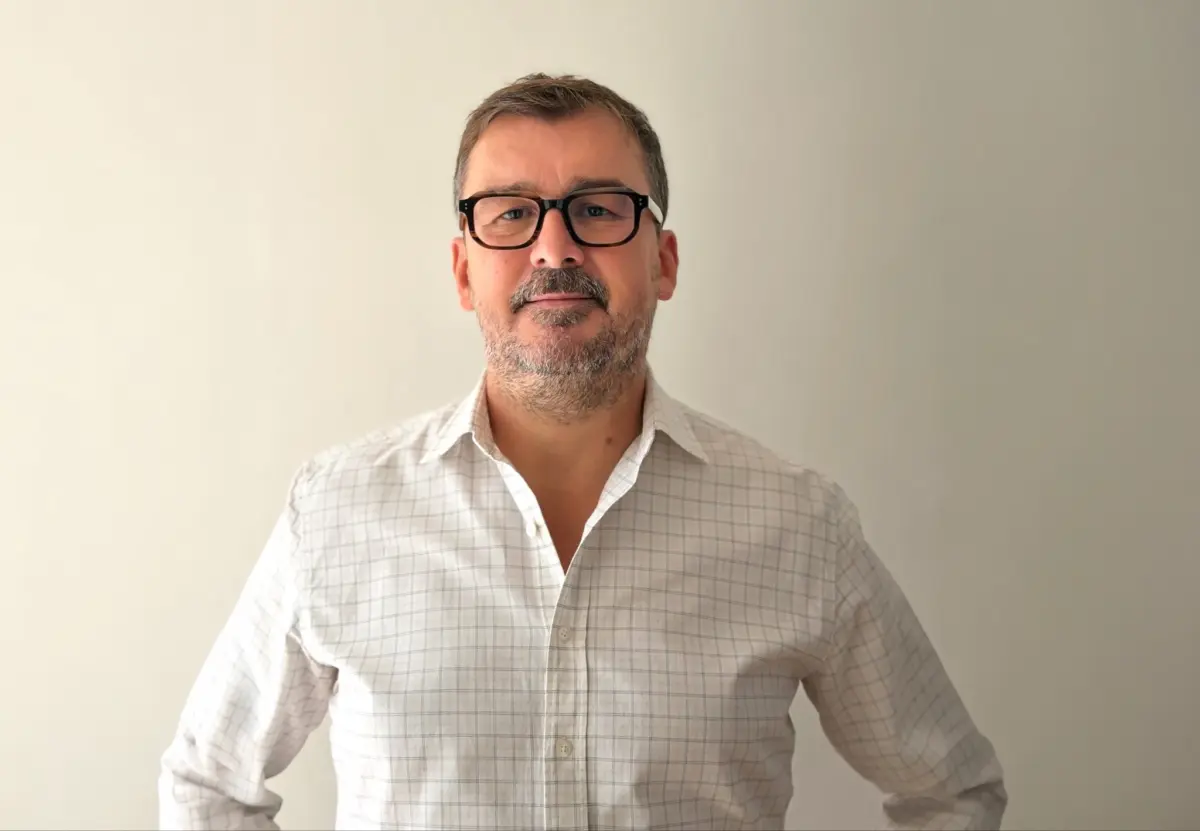
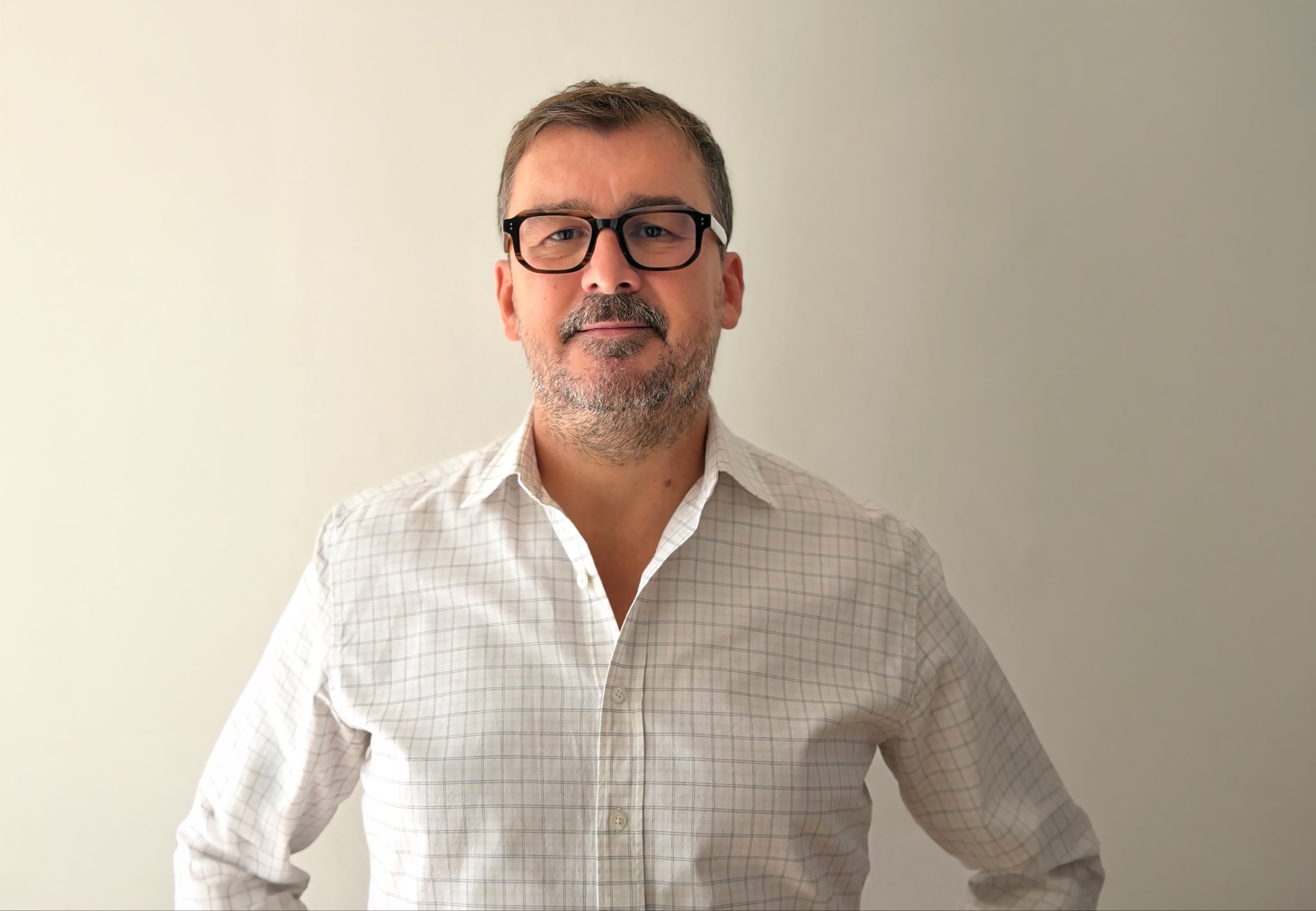
The global classical music and opera community has been struck by profound sorrow following the sudden and tragic passing of Nicolas Faye, a luminous figure whose artistry left an indelible mark on contemporary performance. Known for his profound musicianship, collaborative spirit, and uncompromising dedication to his craft, Faye’s departure represents an immeasurable loss to the cultural landscape.
While initial reports and tributes have begun circulating across international artistic circles, the full scope of Faye’s impact—ranging from his early formative years in classical training to his celebrated professional milestones on major international stages—demands a comprehensive examination. In an industry where technical brilliance is often prioritized over genuine emotional resonance, Faye stood out as a rare artist who effortlessly bridged the gap between cerebral precision and visceral human expression.
This retrospective investigates the trajectory of his career, contextualizes his contributions within the broader ecosystem of modern performance, and evaluates the lasting reverberations of his untimely passing. Through accounts from colleagues, institutional responses, and a detailed chronicle of his artistic evolution, this report honors a musician whose voice and presence will be deeply missed by audiences and fellow artists alike.
Detailed Chronology: The Artistic Evolution of Nicolas Faye
To understand the magnitude of Nicolas Faye’s loss, one must trace the meticulous path of discipline, education, and breakthrough moments that defined his professional life.
Formative Years and Early Training
Long before stepping onto prominent international stages, Faye demonstrated an innate affinity for the arts. Born into an environment that encouraged creative exploration, he began his formal musical education at an early age. Peers and early mentors recall a young musician characterized by an insatiable curiosity and a tireless work ethic.
Unlike many contemporaries who relied solely on natural facility, Faye approached his instrument and vocal studies—depending on the specific discipline for which he earned renown—with analytical rigor. He pursued advanced education at prestigious institutions, where he immersed himself not only in technical mastery but also in historical performance practices, languages, and theatrical arts. This multidisciplinary foundation proved pivotal, allowing him to approach standard repertoire with a fresh, inquisitive perspective.
Professional Breakthroughs and Career Highlights
Faye’s transition from promising student to established professional was marked by a series of critically acclaimed debuts. Throughout the 2010s and early 2020s, his calendar steadily filled with engagements at prominent European and North American houses.
The Early Accolades: Critics first began taking notice of Faye due to his nuanced phrasing and dynamic control. Reviewers frequently cited his ability to uncover hidden emotional depths in well-trodden scores, breathing new life into classic characters and symphonic works.
Major Collaborations: As his reputation grew, Faye found himself working alongside some of the most respected conductors, stage directors, and instrumentalists of our era. Colleagues frequently praised his collegiality; in a high-pressure industry often fraught with ego, Faye was universally regarded as a supportive, collaborative presence in the rehearsal room.
Signature Roles and Repertoire: Whether interpreting baroque masterpieces, romantic epics, or challenging contemporary compositions, Faye demonstrated remarkable versatility. His technical security allowed him to take artistic risks that consistently paid off, earning him a dedicated following among opera aficionados and concertgoers alike.
The Zenith and Sudden Silence
At the time of his passing, Faye was at the height of his creative powers. Upcoming seasons promised high-profile debuts and return engagements that would have further cemented his status as a leading voice of his generation. The abrupt halt to this trajectory has left producers scrambling, artistic directors mourning, and a global audience grieving an artistic journey cut tragically short.
Supporting Context & Metrics: The State of Modern Classical Performance
The loss of an artist of Nicolas Faye’s caliber occurs within a complex, highly demanding contemporary performance ecosystem. To fully appreciate the weight of his contributions, it is essential to examine the socio-economic and institutional pressures facing classical musicians today.
The Demands of the 21st-Century Classical Circuit
Modern performers operate in a hyper-globalized industry. Where artists of previous generations might have spent months anchored to a single opera house or regional orchestra, today’s top-tier talent maintains a relentless international travel schedule.
The Tour Fatigue Factor: Artists frequently jump across continents within days, managing drastic time-zone shifts, climate changes, and rigorous rehearsal schedules.
The Psychological Toll: The pressure to maintain vocal or instrumental perfection under intense media scrutiny can lead to profound occupational burnout.
The Streaming Era: With performances increasingly broadcast digitally or recorded for high-definition streaming platforms, the margin for error has shrunk to near-zero. Every breath, note, and physical expression is preserved and analyzed by critics and fans worldwide.
Within this high-stakes environment, Faye managed not only to survive but to thrive, maintaining a standard of excellence that set him apart. His ability to balance the grinding logistics of modern touring with the deep vulnerability required for authentic artistic expression was a testament to his exceptional character and professional discipline.
Official Statements and Tributes
In the wake of the news, artistic directors, professional guilds, colleagues, and cultural institutions have released heartfelt statements expressing their grief and honoring Faye’s legacy.
"Nicolas was more than a brilliant colleague; he was a wellspring of empathy and artistry. His ability to connect with an audience on a fundamental, emotional level was a rare gift. The classical music world is measurably dimmer in his absence."
— [Representative Artistic Director / Anonymous Colleague]
International opera houses and symphony orchestras have also begun organizing commemorative tributes, dedicating upcoming performances to his memory. Social media channels have flooded with personal anecdotes from fellow musicians, stagehands, and devoted fans who remember Faye not only for his towering talent on stage but for his warmth, humility, and generosity behind the scenes.
Institutional Responses: Major conservatories and training programs where Faye occasionally lectured or masterclassed have noted his profound impact on the next generation of musicians. He was known to be a patient, insightful mentor who took as much joy in nurturing young talent as he did in performing.
Industry Solidarity: Professional musicians’ unions and mental health advocacy groups within the arts have used this tragic moment to reiterate calls for better support systems, resource allocation, and open dialogue regarding wellness and pressure within the classical music industry.
Future Outlook: Preserving a Legacy
As the classical music community begins the long process of healing, attention must inevitably turn toward how Faye’s legacy will be preserved and what lessons the industry can draw from his life and career.
Archival Preservation and Recordings
Efforts are already underway to compile audio and video archives of Faye’s finest performances. For an art form as ephemeral as live opera and concert performance, recordings serve as the vital bridge between current grief and future inspiration. Producers and broadcast partners are exploring ways to release special memorial editions of his most celebrated interpretations, ensuring that future students and music lovers can experience the brilliance of his voice and musicianship.
Institutional Shifts in Artist Welfare
Faye’s passing serves as a somber reminder of the hidden struggles often borne by those who bring beauty to the world. Industry leaders are increasingly recognizing the urgent need to reform institutional structures to better support the mental, emotional, and physical well-being of performers. Moving forward, the conversation ignited by this tragedy must center on sustainable career models, robust healthcare access, and destigmatizing conversations around burnout and stress in the arts.
A Continuing Inspiration
Ultimately, Nicolas Faye’s story is not solely defined by the tragedy of his departure, but by the extraordinary beauty he generated during his time with us. Every note he sustained, every character he inhabited, and every life he touched through his music remains a permanent part of the cultural fabric.
As stages dim in his honor and orchestras tune their instruments in quiet remembrance, the artistic community vows to keep his memory alive—ensuring that the brilliance of Nicolas Faye continues to resonate across concert halls and opera houses for generations to come.