
Executive Overview
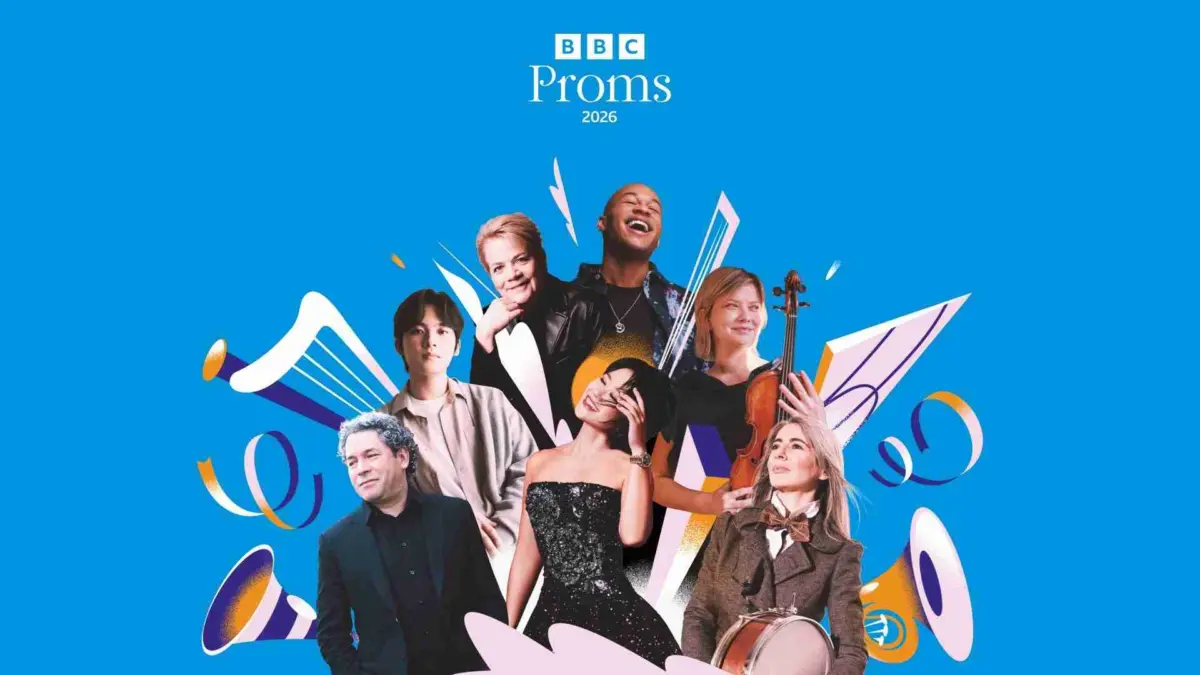
As the London summer draws to a close, the classical music world turns its eyes—and ears—toward the historic Royal Albert Hall for the crown jewel of the classical calendar: the Last Night of the Proms. Taking place on Saturday, 12 September 2026, this year’s grand finale promises an eclectic blend of high art and popular culture, anchored by world-class performances, striking world premieres, and a heartfelt tribute to country music royalty.
Led by Chief Conductor Sakari Oramo, the BBC Symphony Orchestra and Chorus, alongside the BBC Singers, will helm classical music’s biggest and most anticipated party. Yet, the 2026 Last Night is more than just a celebratory evening; it serves as the triumphant crescendo to an eight-week season that has redefined how audiences engage with orchestral music. Spanning 86 concerts—72 at the Royal Albert Hall and 14 at venues across the United Kingdom—the 2026 season has welcomed approximately 300,000 live attendees while shattering digital broadcast records across BBC Sounds and BBC iPlayer.
Behind the festive atmosphere of flag-waving, balloon drops, and traditional patriotic anthems lies a forward-looking institution. This year’s programming has seamlessly bridged centuries-old masterpieces with Pulitzer Prize-winning contemporary works, prestigious BBC commissions, and an all-star tribute to the late Dolly Parton. As broadcasters, artists, and executives look ahead to the centenary of the BBC Proms in 2027, the 2026 season finale stands as a testament to the enduring power of live orchestral performance in a rapidly digitizing media landscape.
Detailed Chronology and Programme Breakdown
The 2026 Last Night of the Proms is meticulously structured to balance solemn reflection, virtuosic display, contemporary innovation, and unbridled communal celebration. Divided across live television broadcasts on BBC Two and BBC One—alongside uninterrupted coverage on BBC Radio 3 and BBC Sounds—the evening’s programme is a masterclass in diverse musical curation.
Part 1: Setting the Stage (BBC Two & iPlayer, from 7:10 PM)
The evening opens with infectious theatrical energy, beginning with Leonard Bernstein’s sparkling Candide: Overture. This is followed by the poignant "Lament" from Joseph Foulds’s Keltic Suite, grounding the early portion of the concert in rich British orchestral heritage.
The mood shifts toward the operatic and the nationalistic with Czech masterworks. Acclaimed Scottish tenor Nicky Spence joins the BBC Symphony Chorus and the BBC Singers for a soaring rendition of "Vidino divná, přesladká" from Act I of Antonín Dvořák’s Rusalka. The orchestral journey then travels down the Bohemian river via Smetana’s iconic Má vlast – Vltava (The Moldau).
Innovation takes center stage with the first of two major world premieres commissioned by the BBC. Canadian composer and conductor Samy Moussa presents Dithyramb, a sweeping, emotionally charged work featuring the full force of the BBC Symphony Chorus and BBC Singers.
The Virtuoso Interlude: Yuja Wang and Samuel Barber
Following the contemporary weight of Moussa’s premiere, the atmosphere shifts toward breathtaking technical brilliance. World-renowned pianist Yuja Wang takes the stage for a rare and highly anticipated performance of Samuel Barber’s Pulitzer Prize-winning Piano Concerto. Wang’s appearance marks a historic moment for the Proms, bringing her legendary precision and expressive power to one of the 20th century’s most demanding concertos.
Part 2: The Finale and Cultural Crossover (BBC One & iPlayer, from 9:00 PM)
As the broadcast transitions to BBC One for the peak viewing hours, the programme pivots into an unexpected and joyous celebration of country music. Under the title To Dolly, With Love—arranged by Fiona Brice—an all-star cast of vocalists pays tribute to the late, great Dolly Parton.
The genre-bending segment features West End and television star Sheridan Smith delivering an energized take on 9 to 5, powerhouse soul singer Beverley Knight soaring through the emotional depths of I Will Always Love You, and acclaimed country-pop duo Ward Thomas bringing tight, harmonious perfection to Jolene.
The energy remains high with Gustav Holst’s The Planets – Jupiter, the Bringer of Jollity, before Yuja Wang returns to the stage for a second time. This time, she tackles Alexander Tsfasman’s jazzy, rhythmically vibrant Suite for Piano and Orchestra, showcasing her effortless versatility across classical and jazz idioms.
Contemporary Voices and British Tradition
The concert continues with a nod to traditional folk textures transformed through modern lenses, featuring Scotch Snap (arranged by Stuart Calvert), sung by Nicky Spence. This leads directly into the evening’s second world commission: Iris of Life by Academy Award-winning British composer Anne Dudley, performed alongside the BBC Singers.
As the night barrels toward its iconic climax, the stage fills with theatricality as Nicky Spence returns alongside the BBC Symphony Chorus and BBC Singers for "Sit Down, You’re Rockin’ the Boat" from Frank Loesser’s Guys and Dolls (arranged by Mark Cumberland).
Finally, the historic Last Night traditions commence. The programme sweeps through Henry Wood’s Fantasia on British Sea Songs, Thomas Arne’s Rule, Britannia!, Edward Elgar’s Pomp and Circumstance March No. 1 (Land of Hope and Glory), and Hubert Parry’s Jerusalem (arranged by Elgar). The official musical proceedings conclude with the traditional National Anthem (arranged by Benjamin Britten) and a poignant, uniting rendition of Auld Lang Syne (arranged by Paul Campbell), cementing the communal bond shared by the thousands inside the Royal Albert Hall and millions watching from home.
Supporting Context and Metrics: A Record-Breaking Season
While the music performed on 12 September will dominate headlines, the broader narrative of the 2026 BBC Proms season is defined by staggering quantitative success and expanding cultural reach.
Over its eight-week duration, the 2026 season comprised 86 distinct concerts. While the spiritual home of the festival remains the Royal Albert Hall—which hosted 72 of these performances—the Proms continued its mission of national accessibility by staging 14 concerts at various venues across the United Kingdom. Live attendance figures hover around an impressive 300,000 people, proving that physical, shared concert experiences remain immensely popular.
However, the most explosive growth during the 2026 season occurred in the digital and broadcast realms. Interim figures released ahead of the finale reveal record-breaking digital reach across BBC Sounds and BBC iPlayer:
- Account Reach: Between 13 April and 6 September 2026, Proms content was accessed by 1.7 million unique accounts, representing a stellar 32% year-on-year increase.
- Engagement Volume: This digital traffic generated 6.8 million individual plays and amassed a remarkable 3.4 million listening and viewing hours.
- Radio 3 Momentum: Weekly accounts on BBC Sounds for Radio 3 surged by 10% year-on-year during the week commencing 17 August 2026—a powerhouse week that featured guest appearances from world-class international ensembles, including The Met Orchestra, the Oslo Philharmonic, and the Berlin Philharmonic.
These metrics highlight a fundamental shift in classical music consumption. Rather than being confined to the physical walls of elite concert halls, world-class orchestral music is being streamed, re-watched, and integrated into the daily digital diets of millions of people worldwide. Recognizing this shift, the BBC has ensured that television broadcasts will remain available on BBC iPlayer for a full year, while audio content on BBC Sounds remains accessible for 30 days post-broadcast.
Official Statements
The convergence of record-breaking digital metrics and elite artistic programming has drawn praise from the BBC’s senior leadership.
Sam Jackson, Controller of Radio 3 and BBC Proms, reflected on the dual success of live attendance and digital expansion:
"This year’s Last Night of the Proms promises to be a joyous celebration, bringing together world-class performers, much-loved repertoire and memorable musical moments. Across eight weeks, audiences have embraced the Proms in record numbers on our broadcast platforms, while around 300,000 people have joined us at the Royal Albert Hall and at venues across the UK. We very much look forward to the centenary of the BBC Proms next year, but for now, we can’t wait to celebrate the end of the 2026 season in style!"
Echoing these sentiments, Suzy Klein, Head of Arts and Classical Music TV, emphasized the unifying power of the festival’s broadcast strategy:
"The BBC Proms has once again connected audiences across the UK and beyond through an extraordinary summer of live music. We’re incredibly proud of the range and quality of concerts across BBC television and BBC iPlayer, and the Last Night will provide the perfect finale to an unforgettable season. And while the season may be drawing to a close, audiences will be able to enjoy the Proms on BBC iPlayer for a whole year afterwards."
Future Outlook: Looking Ahead to the Centenary
As the final notes of Auld Lang Syne fade under a shower of falling paper confetti at the Royal Albert Hall on 12 September, the classical music community will not have long to rest. The conclusion of the 2026 season immediately fires the starting gun on preparations for a monumental milestone: the centenary of the BBC Proms.
Celebrating 100 years of the world’s greatest classical music festival in 2027 will require deep reflection on the institution’s history alongside bold, forward-thinking curation. Founded in 1895 by Robert Newman and Henry Wood to bring classical music to the widest possible audiences ("Promenade" concerts designed to make classical music accessible and affordable), the festival was taken over by the BBC in 1927. Next year’s centenary marks 100 years of public service broadcasting partnering with the pinnacle of orchestral artistry.
The success of the 2026 season—marked by a 32% increase in digital accounts, adventurous commissions from modern masters like Anne Dudley and Samy Moussa, and genre-defying pop-culture crossovers like the Dolly Parton tribute—demonstrates that the Proms is more than just a nostalgic British tradition. It is a dynamic, evolving cultural organism capable of adapting to modern digital consumption while preserving the irreplaceable magic of communal, live music-making.
As the BBC Proms looks toward its second century, the message from the 2026 season is clear: classical music is not merely surviving in the modern media landscape; through innovative broadcasting, fearless programming, and unwavering artistic excellence, it is thriving.