
Executive Overview
In a landmark display of regional solidarity and artistic ambition, four of New York State’s most prestigious opera companies—The Glimmerglass Festival, Opera Saratoga, Finger Lakes Opera, and the Seagle Festival—are officially joining forces. This unprecedented coalition is bringing their celebrated collaborative production of Kurt Weill, Bertolt Brecht, and Elisabeth Hauptmann’s theatrical jazz-singspiel, Happy End, to Manhattan.
Slated for Thursday, November 12, 2026, at 7:30 p.m., the performance will take place at Merkin Hall at the Kaufman Music Center. This engagement marks the official New York City premiere of a fresh, highly anticipated English-language concert adaptation of the work. The metropolitan debut follows a rigorous, critically acclaimed regional tour spanning eight distinct venues across Upstate New York and Western Massachusetts.
By pooling resources, administrative acumen, and top-tier artistic personnel, these four independent institutions have shattered traditional silos. The result is a bold new template for regional arts administration—one that proves smaller and mid-sized companies can achieve monumental creative feats through collective action. Featuring a stellar cast of vocalists, instrumentalists from the Manhattan School of Music’s preeminent jazz program, and a lean, fast-paced execution running without intermission, this production breathes vivid new life into a rarely staged classic of the Weimar Republic.
Detailed Chronology: From Upstate Stages to the Metropolis
The journey of this collaborative Happy End from conception to its upcoming Manhattan showcase represents a logistical and artistic triumph years in the making.
The Genesis of a Regional Alliance
Historically, regional opera companies operate within their own geographic spheres, competing for philanthropic dollars, subscriber bases, and seasonal talent. However, the post-pandemic landscape forced a paradigm shift across the performing arts sector. Recognizing the prohibitive costs and logistical hurdles of mounting large-scale productions independently, the leadership teams of The Glimmerglass Festival, Opera Saratoga, Finger Lakes Opera, and the Seagle Festival began exploring avenues for cross-organizational synergy.
The choice of Happy End was deliberate. First premiered in Berlin in 1929, the musical comedy with a libretto by Hauptmann (under the pseudonym Dorothy Lane), lyrics by Brecht, and music by Weill occupies a fascinating space between commercial entertainment and political satire. Despite containing some of Weill and Brecht’s most enduringly brilliant songs, the work has long lived in the shadow of their more famous collaboration, The Threepenny Opera. Bringing it back to life required a flexible, touring-friendly format—a design tailor-made for a multi-institutional partnership.
The Regional Circuit
Before setting its sights on the cultural capital of New York City, the production underwent a rigorous testing ground. Throughout its preliminary run, the ensemble traversed eight distinct venues across Upstate New York and Western Massachusetts. This extensive touring schedule allowed the creative team to fine-tune the pacing, balance the acoustic interplay between classical vocalists and jazz instrumentalists, and refine the narrative clarity of the newly translated text.
Audiences and critics along the tour route praised the production for its razor-sharp wit, infectious jazz rhythms, and emotional immediacy. By the time the tour concludes its final regional stops and prepares for the load-in at Merkin Hall, the cast and crew will have transformed from a collection of disparate regional hires into a cohesive, finely tuned touring machine.
The Manhattan Premiere: November 12, 2026
The culmination of this regional tour arrives on November 12, 2026, at Merkin Hall. Offering an intimate yet acoustically pristine environment, the venue is ideal for a concert adaptation that relies heavily on lyrical nuance, theatrical timing, and the crisp articulation of Brechtian satire. Running without an intermission, the 7:30 p.m. performance is designed to sweep the audience along in a relentless wave of music, narrative tension, and dark comedy.
Supporting Context & Metrics: Anatomy of a Collaborative Triumph
To fully appreciate the significance of this production, one must examine the mechanics of the collaboration, the pedigree of the artistic team, and the rich history of the piece itself.
Breaking Down the Barriers: The Inter-Organizational Model
The partnership behind this production redefines what is possible for regional performing arts organizations.
- The Glimmerglass Festival: Renowned internationally for its summer home on the shores of Otsego Lake near Cooperstown, Glimmerglass brings its world-class production standards and institutional weight to the project.
- Opera Saratoga: Based in the Capital Region, Opera Saratoga contributes its deep commitment to theatrical innovation and community engagement.
- Finger Lakes Opera: Serving the Western New York region, FLO adds dynamic vocal casting and robust regional support networks.
- Seagle Festival: As America’s oldest summer vocal training program, located in the Adirondacks, Seagle provides a pipeline of exceptional young professional talent and specialized mentorship.
By sharing the financial overhead, marketing reach, and rehearsal infrastructure, these four entities have successfully mounted a production that none could have sustained on its own balance sheet.
The Artistic Team and Musical Forces
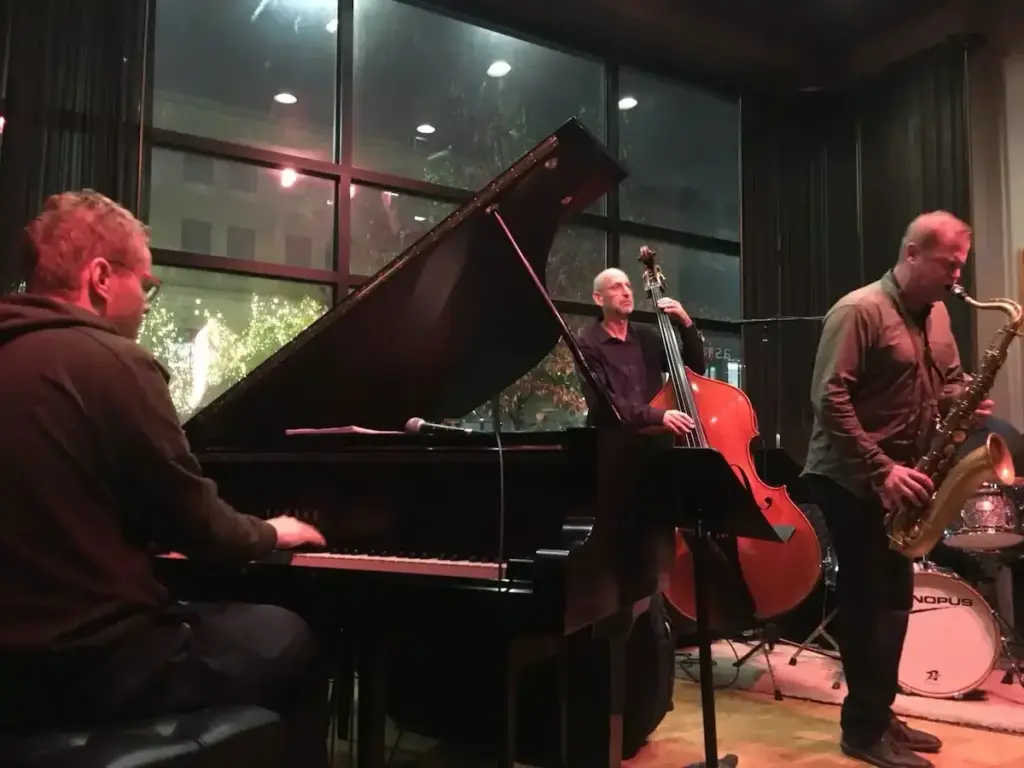
At the helm of the musical execution is Rob Ainsley, Artistic and General Director of The Glimmerglass Festival. In a display of hands-on artistic leadership, Ainsley will not only conduct the performance but will also perform live at the piano.
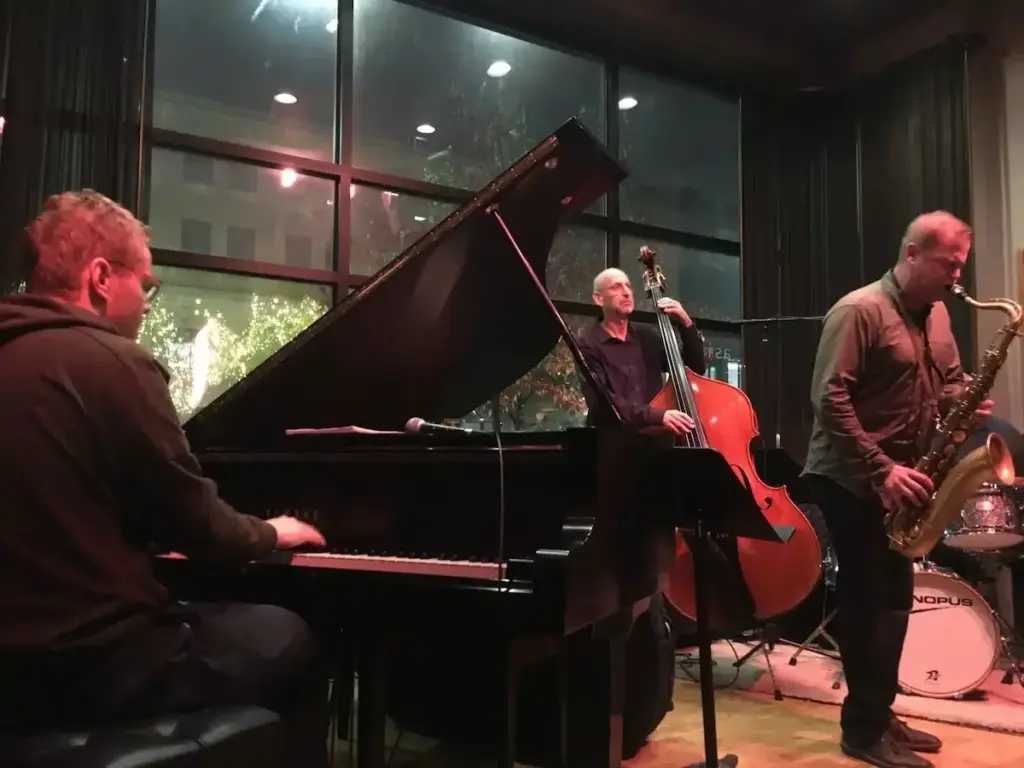
The instrumental foundation of the ensemble bridges the worlds of classical precision and jazz improvisation. Ainsley will be joined on stage by stellar instrumentalists from the Manhattan School of Music’s jazz program. This integration of emerging jazz talent mirrors the gritty, brassy, dance-hall aesthetic that Kurt Weill originally envisioned for Weimar-era Berlin.
On the directorial side, Mary Birnbaum, General and Artistic Director of Opera Saratoga, takes the directorial reins. Known for her visually striking, psychologically astute, and dramatically incisive stagings, Birnbaum is uniquely equipped to navigate the complex socio-political underpinnings of Brecht’s text while maintaining the brisk, entertaining pace of a romantic comedy-crime caper.
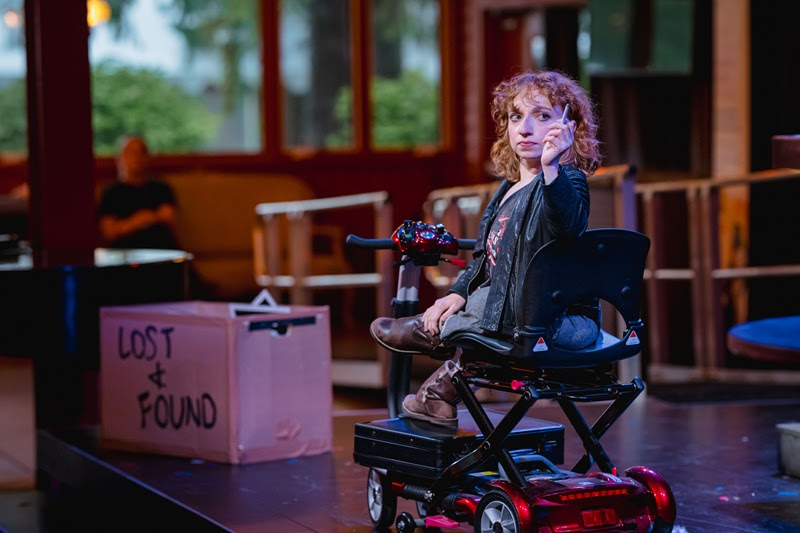
The Adaptation: Text, Translation, and Score
Happy End tells the story of Lieutenant Billia Cracker, a member of the Salvation Army in 1910 Chicago, who falls in love with "The Governor," a suave Chicago gang leader. The plot gleefully subverts traditional moral binaries, using the backdrop of religious redemption and criminal enterprise to critique capitalism and societal hypocrisy.
This specific production utilizes a fresh blueprint designed for modern American audiences:
- The Music: The performance features every single original song from the score, ensuring that purists and newcomers alike experience the complete musical architecture envisioned by Weill. Iconic numbers—including the haunting "Bilbao Song," the atmospheric "Mandalay Song," and the devastatingly brilliant "Surabaya Johnny"—form the emotional core of the evening.
- The Lyrics: The production utilizes the celebrated English lyrics crafted by Michael Feingold in his definitive American adaptation. Feingold’s translations capture the cynical bite, rhythmic drive, and poetic economy of Brecht’s original German verse.
- The Book: To streamline the narrative for a concert format, Glimmerglass dramaturg Kelley Rourke has penned a brand-new English book. Rourke’s text tightens the exposition, highlights the dark humor, and ensures that the transition between spoken dialogue and musical numbers feels seamless.
The Cast
The production boasts an extraordinary roster of vocal talent, balancing seasoned stage veterans with rising stars of the opera world. The cast features:
- Ana Karneža
- Christine Taylor Price
- Gregory Feldmann
- Lisa Marie Rogali
- Jonathan Pierce Rhodes
- Bradley Bickhardt
- Jason Zacher
- William Raskin
- Lauren Torey
Each performer brings a versatile skill set capable of navigating the demanding vocal requirements of Weill’s score, which requires the pristine breath control of classical singing paired with the gritty, expressive delivery of cabaret and jazz vocalists.
Official Statements: Voices from the Leadership
The unprecedented nature of this multi-organizational partnership has generated widespread excitement among industry leaders, artists, and cultural commentators alike.
In an official press release distributed ahead of the tour and subsequent New York City premiere, Rob Ainsley emphasized the philosophical and practical importance of the collaboration:
"This production of Happy End shows what can happen when the Upstate New York opera community comes together to make something that no one organization could have made on its own."
Ainsley’s sentiment cuts to the heart of current challenges facing the classical music industry. As ticket-buying habits shift, inflation impacts production costs, and donor bases evolve, regional arts institutions face mounting pressure to innovate. By pooling their collective genius, Glimmerglass, Opera Saratoga, Finger Lakes Opera, and the Seagle Festival have demonstrated that cooperation is not merely a survival tactic, but a catalyst for superior artistic creation.
Directors and administrative heads across the partnering companies have echoed these thoughts, noting that the shared enthusiasm of the cast and crew has created an electric energy throughout the rehearsal and touring process. The decision to bring the production to Merkin Hall is seen as a vital bridge connecting regional audiences with the cultural epicenter of New York City, proving that world-class opera thrives far beyond the traditional boundaries of Lincoln Center.
Future Outlook: A New Blueprint for Regional Arts
As the performing arts sector looks toward the latter half of the 2020s, the collaborative model pioneered by this Happy End production is expected to serve as a case study for institutions nationwide.
Scalable Collaboration
The success of sharing a production across eight regional venues before a major metropolitan showcase highlights a highly efficient economic model. Rather than mounting a short-run production in a single city—a model that often yields a poor return on investment relative to rehearsal and construction costs—this touring concert version maximizes the lifespan and audience reach of the artistic product.
Industry analysts predict that other regional theater and opera networks will look closely at this framework. By sharing physical sets, musical arrangements, administrative logistics, and marketing campaigns, companies can stretch philanthropic dollars further while offering their artists and musicians more consistent employment contracts.
Expanding the Kurt Weill Canon
Furthermore, this production contributes significantly to the ongoing reevaluation of Kurt Weill’s theatrical output. While The Threepenny Opera and The Rise and Fall of the City of Mahagonny frequently dominate institutional schedules, works like Happy End deserve equal footing in the standard repertoire. By presenting the piece in a fresh, accessible English-language concert adaptation with jazz instrumentation, the collaborative team has demystified German Expressionism and Brechtian theater, making it immediately resonant for contemporary theatergoers.
Looking Ahead to November 12, 2026
Tickets for the New York City premiere at Merkin Hall are anticipated to draw heavy interest from opera aficionados, theater historians, and fans of Weimar-era cabaret. As the final details of the tour lock into place, the anticipation surrounding Ana Karneža, Christine Taylor Price, Gregory Feldmann, and the rest of the ensemble continues to build.
Ultimately, the upcoming performance of Happy End at Kaufman Music Center is much more than a single night of exceptional music-making. It is a bold declaration of resilience, creativity, and unity from the vibrant cultural ecosystem of Upstate New York—a reminder that when creative minds pull together, the final curtain brings not an end, but a triumphant new beginning.