
Executive Overview
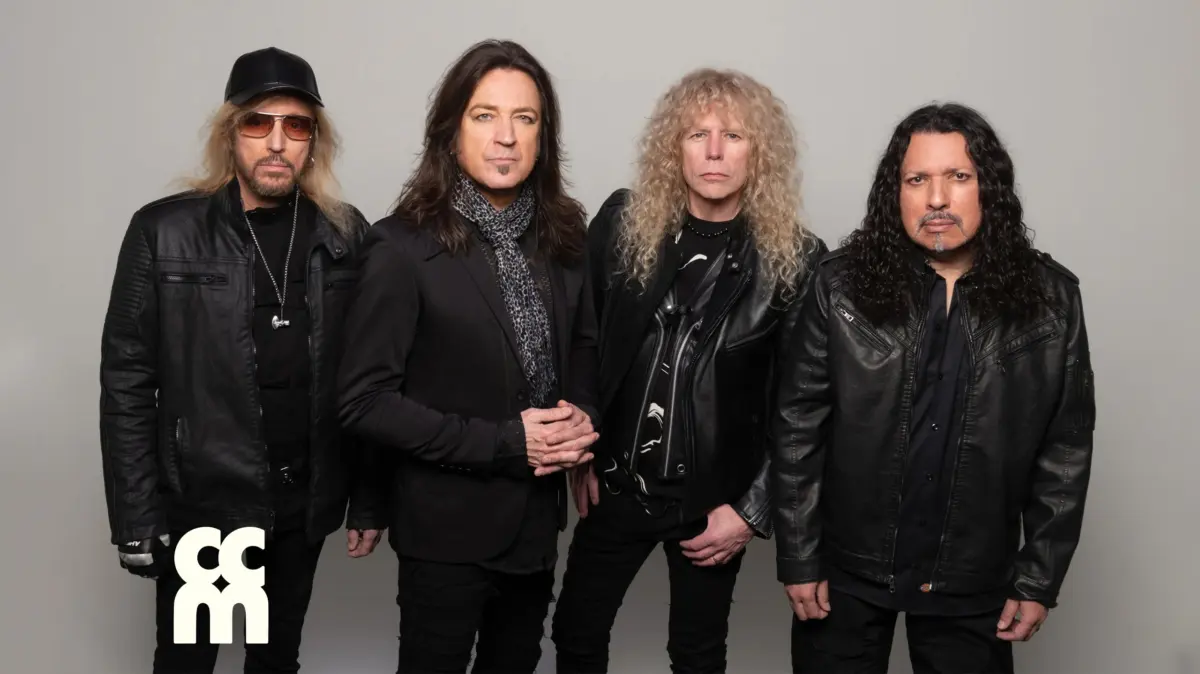
In an era where the modern music industry encourages heritage acts to rely on legacy tours, greatest-hits packages, and high-margin merchandise tables, the foundational heavy metal outfit Stryper is swimming hard against the current. Boasting a storied career spanning more than four decades, the band could easily fill arenas strictly on the strength of 1980s anthems like "To Hell with the Devil" and "Honestly." The economics of the contemporary music business practically incentivize this approach: with physical album sales diminished and streaming revenues favoring mega-aggregators, recording a brand-new studio album is often viewed by veteran artists as a labor of love rather than a lucrative financial venture.
Yet, on September 25, Stryper proudly releases Throne of Thorns, their 18th studio album. Far from a tired nostalgia exercise or a contractual obligation, this record is a high-octane, rip-roaring rock collection. It merges crushing heaviness with soaring vocal melodies, intricate guitar harmonies, and a technical mastery that proves the band is not simply resting on its historical laurels.
In an exclusive, deep-dive interview, founding brothers Michael and Robert Sweet open up about the creative fires that still burn within them. They discuss why they abandoned the trap of chasing modern trends, how they honor their roots on the legendary Sunset Strip, and why the sheer passion for the creative process will always trump the shifting sands of the music business.
Detailed Chronology: From 1980s Pioneers to Modern Metal Stalwarts
To truly understand the weight and significance of Throne of Thorns, one must trace the evolutionary trajectory of a band that defied industry odds from day one. Emerging from Southern California during the explosive hard rock boom of the early 1980s, Stryper carved out a unique and contentious space for themselves. While their contemporaries on the Sunset Strip sang predominantly of hedonism, excess, and nocturnal escapades, Stryper brought unabashed Christian faith, blazing musicianship, and striking visual branding—complete with their iconic yellow-and-black stage attire—to the heavy metal mainstream.
The Sunset Strip Glory Days
The band’s history is inextricably bound to the legendary Los Angeles club scene of the mid-1980s. Venues like the Whisky a Go Go and The Roxy served as the gladiatorial arenas where aspiring musicians fought tooth and nail for major-label attention. Reflecting on that golden era, drummer Robert Sweet paints a vivid picture of the ecosystem that birthed their career:
"If you wanted to get a record deal and become a big band, and you were in California, you went and played on the Strip."
Today, many of those historical institutions have vanished, replaced by modern developments or altered beyond recognition. Yet, rather than viewing these changes with bitterness, the band sees themselves as surviving stewards of a bygone epoch. Tracks on the new record—most notably the standout anthem "Hollywood"—directly address this yearning for a foundational era of rock history. As frontman Michael Sweet explains, the song serves as a reflective look backward:
"The song itself is just about kind of reminiscing about the past, the Hollywood days, the glory days."
Navigating Musical Evolution
Over a 40-year career, many bands fall into the trap of over-correcting. In an attempt to stay relevant to changing generational tastes, veteran acts often shed their signature sounds to chase fleeting radio trends. Michael Sweet candidly admits that Stryper was not entirely immune to this temptation over the decades.
However, looking back at those experimental phases brought a clarifying realization: chasing modern relevance often alienates the core audience while diluting the band’s authentic voice.
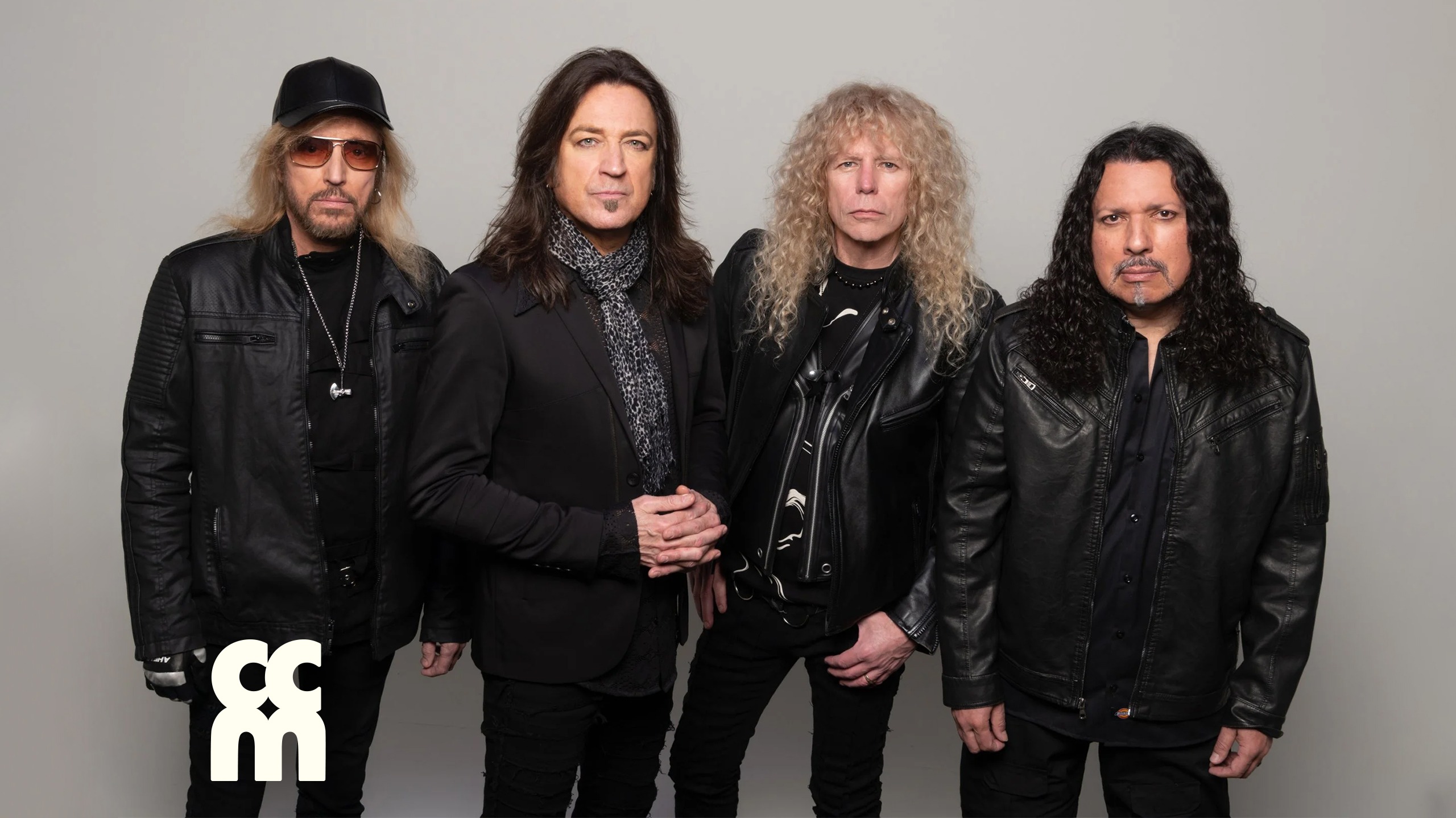
"You try to reinvent the wheel, you try to be this new invention of yourself when you realize at some point, why are we doing that?" Michael reflects. "Some bands try to go somewhere else and get too modern, and they lose sight of what put them on the map."
Robert Sweet echoes this sentiment regarding identity, noting that a band’s core DNA is ultimately inescapable. By embracing their signature twin-guitar harmonies and soaring vocal arrangements rather than running from them, Stryper found the sweet spot that defines Throne of Thorns.
Supporting Context & Metrics: The Economics of Modern Rock Longevity
The decision to record an 18th studio album cannot be properly evaluated without examining the contemporary macro-economic realities of the music industry.
The Shifting Financial Landscape of the Music Industry
- The Decline of Physical Sales: For legacy acts, peak commercial profitability historically relied on multi-platinum compact disc and vinyl sales. In the streaming era, per-stream payouts make pure recorded music sales a secondary revenue stream compared to live touring.
- The "Legacy Tour" Business Model: A standard financial model for bands with a 40-year catalog involves booking a seasonal bus tour, performing a safe, predictable setlist of 1980s hits, selling high-margin tour shirts, and returning home with minimal creative overhead.
- The Setlist Integration Challenge: For most veteran acts, introducing new material live is a high-risk endeavor. Audiences often use new tracks as an opportunity to visit the concessions or restrooms. Stryper, however, has defied this statistic. Michael Sweet notes that their modern live shows feature a remarkable 50/50 split between classic cuts and new material—with fans showing just as much enthusiasm for contemporary tracks as they do for generational anthems like "To Hell with the Devil."
Stylistic Architecture of Throne of Thorns
Musically, the new album balances aggressive heavy metal execution with accessible melodic craftsmanship:
- The Heavy Riffs: Tracks like the explosive opener and the closing "boss battle" track "Shadow Breaker" serve as aggressive structural bookends, tying the record firmly to the band’s thrash-and-traditional-metal roots.
- The Power Ballad Tradition: Mid-album highlights such as "Ashes to Roses" prove that Stryper has never abandoned its classic dynamic range. The track showcases the enduring influence of melodic rock giants like Journey colliding head-on with the metallic force of Iron Maiden.
- The Signature Harmonies: Robert and Michael’s meticulous arrangement of dual-guitar harmonies permeates every track, reaffirming the unique sonic fingerprint that has defined their work since 1983.
Official Statements: Insights from Michael and Robert Sweet
During our extensive sit-down interview, the core creative engine of Stryper provided profound insights into their motivations, artistic philosophy, and spiritual calling.
On the Internal Drive to Create
When asked why they continue to endure the grueling writing, recording, and production process when they have nothing left to prove commercially, Michael Sweet pointed directly to the psychological danger of cynicism:
"While you’re here on Earth and while you’re still able to do things, do things. Don’t shut yourself down with comments like, ‘It’s not worth it anymore’ and ‘Why should we record? Because no one buys albums anymore.’"
He warns that artists who adopt this defeated mindset have fundamentally lost touch with the catalyst that sparked their journeys in the first place:
"It was for the passion of the music, the blessing of the music and the gift of music. Get back to that. Stryper still has that. This is a gift. I can still do it. I want to do as much as I can while I’m still here."
Protecting the Joy of Creation
Robert Sweet chimed in with a cautionary piece of advice for younger and older musicians alike, warning against allowing the business side of the industry to erode artistic fulfillment:
"When you’re a teenager and you start playing it, you’re doing it because you love it. I would just tell bands out there, try not to ever lose that love for it. Money, contracts, and industry pressure can start robbing your joy."
The Spiritual Imperative
Beyond the guitar solos and pounding drums, Stryper’s foundational mission has always remained explicitly spiritual. For Robert, making music is an act of stewardship and faith:
"It’s always been our goal and our hope that the Holy Spirit would speak through the music and speak to the audience and touch hearts. We’ve had the honor of hearing so many beautiful stories of people telling us that."
Echoing this, Robert notes that the ultimate goal is not chasing accolades or checking boxes, but connection:
"I don’t know if there’s really, from my point of view, if there’s anything left to prove. I just always want the music to be the best it can be and reach out and, you know, touch someone."
Future Outlook: Looking Beyond Album No. 18
As Throne of Thorns prepares to hit the global market on September 25, Stryper is proving that longevity does not require creative stagnation. By resisting the temptation to coast on past glories, the band has delivered a masterclass in how legacy artists can remain vital, aggressive, and deeply relevant in the 21st century.
The success of their modern live sets—where crowds eagerly devour new compositions alongside 1980s classics—demonstrates that fans are hungry for authenticity over automated nostalgia. Stryper’s refusal to treat their catalog as a museum exhibit ensures that their ongoing chapter is just as compelling as their opening salvo.
Furthermore, the horizon holds even more milestones. As the band approaches the monumental 40th-anniversary celebration of their landmark 1986 sophomore release, To Hell with the Devil, on October 24, 2026, the metal world will undoubtedly be watching.
Until then, Throne of Thorns stands as a ringing declaration: Stryper is not looking back at the rearview mirror. They are driving full-throttle into the future, fueled by the very same fire that ignited the Sunset Strip four decades ago.