
Executive Overview
The intersection of gastronomy and musical performance rarely achieves the granular, historically informed synthesis witnessed at the renowned Abergavenny Food Festival. In a packed afternoon marquee, jazz broadcaster John Hellings—representing the ad-free, news-free digital sanctuary Serenade Radio—co-hosted a conceptually rigorous and entertaining session alongside his co-presenter. Entitled From Barbecue To Black Coffee, the performance explored the rich lexicon of culinary references embedded within the American songbook and jazz canon.
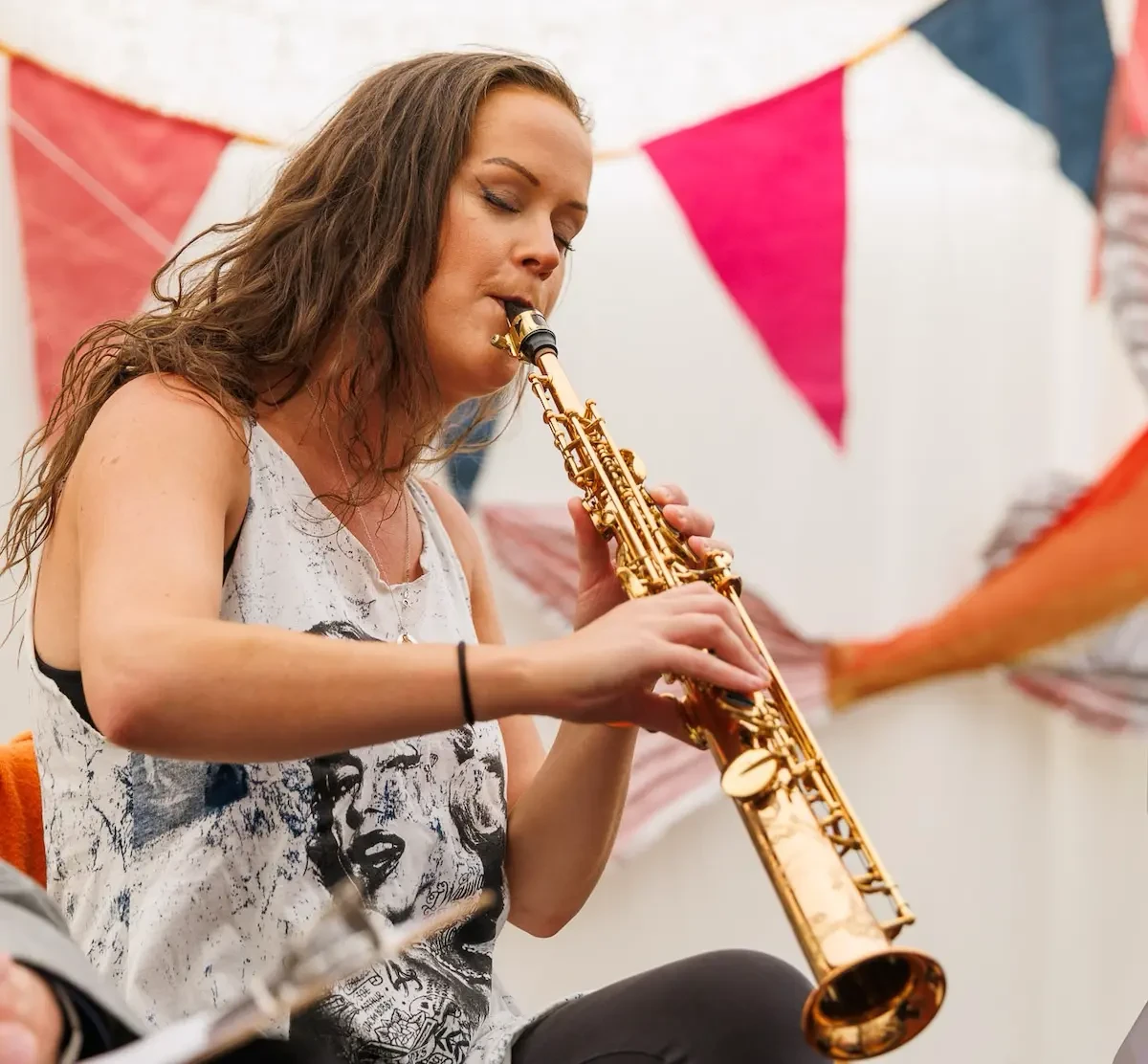
Accompanied by the formidable talents of Martha Skilton on soprano saxophone and Newman Tai on keys, the presentation bridged the historical gap between the sensory allure of food and the improvisational freedom of jazz. Operating directly on the heels of "The Kids’ Restaurant"—an eco-conscious youth-led initiative focused on reimagining the future of sustainable food production—the jazz set successfully negotiated the demands of a diverse festival audience.
By tracing jazz standards through their culinary titles, the showcase examined the shifting cultural landscape of the genre, confronting uncomfortable historical tropes such as the ubiquitous "Fats" monikers of early twentieth-century musicians, the evolution of physical body standards in the industry, and the coded sexual double entendres that historically defined blues and jazz lyricism. Far from a mere novelty act, the event provided a profound meditation on why America’s classical music has maintained such an enduring, visceral fixation on sustenance, appetite, and culinary metaphor.
Detailed Chronology: From Eco-Future to Black Coffee
The Prelude: Sustainable Futures and Salted Caramel
The afternoon’s programming at Abergavenny demonstrated a deliberate thematic progression. Immediately preceding the From Barbecue To Black Coffee session, the festival tent hosted "The Kids’ Restaurant." This interactive project engaged children and festival-goers in reimagining the future of healthy, eco-friendly food production. Rejecting the passive consumption typical of large-scale events, the workshop encouraged active participation, culminating in the creation of handmade tubs of salted caramel ice cream distributed generously to attendees, including the incoming jazz performers.
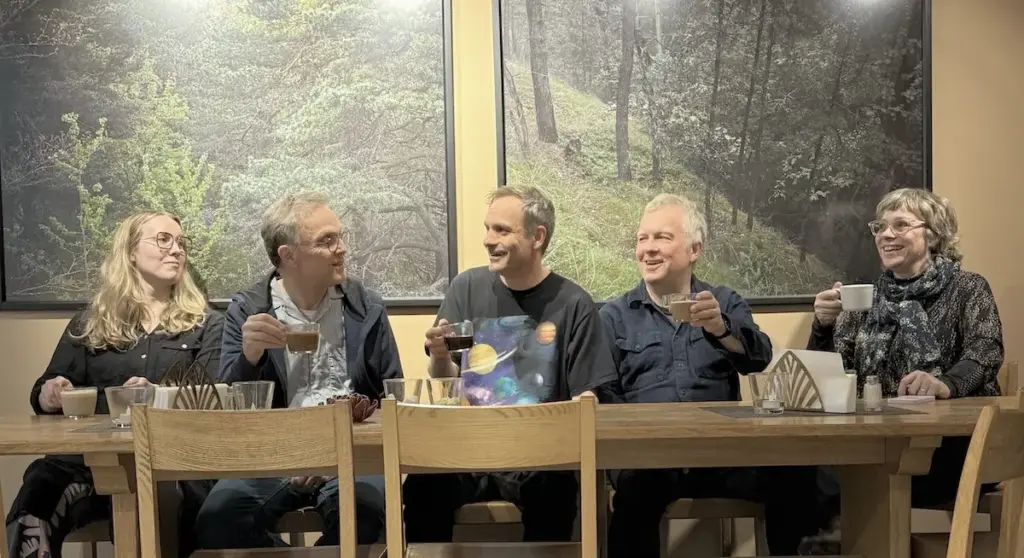
This youthful enthusiasm for environmental sustainability created a lively, if somewhat chaotic, atmospheric handover as the audience transitioned into the jazz set. Curious passers-by, drawn by the tent’s open architecture, swelled the ranks of dedicated jazz enthusiasts. Among them were notable figures from the jazz criticism community, including Ian Mann (of The Jazz Mann blog) and his wife, Pam. Unlike traditional indoor venues where performers play into an obscured, darkened void, the afternoon tent setting offered an unobstructed view of a full house—a sight universally welcomed by working musicians.
Setting the Musical Menu
Faced with a strictly defined thematic mandate—the fusion of food and jazz—the presenters deliberately avoided a high-concept, avant-garde exploration of jazz futures, recognizing that such a pivot would likely prompt an immediate exodus akin to Anita O’Day’s blistering performance of Tea For Two at the 1959 Newport Jazz Festival.
Instead, the duo curated a tightly focused setlist of six primary charts, underpinned by deep historical research facilitated by artificial intelligence database rummaging:
- "Struttin’ With Some Barbecue" – Lil Hardin
- "Tangerine" – Victor Schertzinger (lyrics by Johnny Mercer)
- "Tea For Two" – Vincent Youmans
- "Watermelon Man" – Herbie Hancock
- "Salt Peanuts" – Dizzy Gillespie & Kenny Clarke
- "Black Coffee" – Sonny Burke
Held strictly in reserve as potential encores were Charles Mingus’s poignant "Goodbye, Pork-pie Hat" and the delightfully eccentric "The Frim Fram Sauce" (Evans-Ricardel).
Supporting Context & Metrics: The Evolution of Jazz Culture
The Burden of Nomenclature: The Era of "Fats"
One of the most compelling sociological segments of the presentation involved an examination of musician nicknames, specifically the historical prevalence of the moniker "Fats." Commencing with Fats Waller, the presenters cataloged a roster of heavyweight jazz legends: Navarro, Domino, Eugene Heard, Jimmy Rushing, King Oliver, Oscar Peterson, a youthful Louis Armstrong, Joe Turner, Bessie Smith, Mahalia Jackson, Dave Bowman, Cannonball Adderley, Ella Fitzgerald, Ma Rainey, and a twenty-one-year-old Sidney Bechet.
The discussion confronted how starkly linguistic sensibilities have shifted. In contemporary culture, bestowing the nickname "Fats" upon a musician would carry the pejorative weight of schoolyard cruelty. Yet, in the early-to-mid twentieth century, these artists owned their physical realities—whether genuinely corpulent, portly, or of "ample proportion"—without euphemism or clinical sanitization.
The contrast with modern jazz culture is striking. Today’s musicians are largely trimmer, regularly consuming mineral water during sets rather than indulging in high-calorie festival fare. As the presenters noted, the physical bloat seen in figures like Charlie Parker in his later years was symptomatic of physical and personal decline rather than a celebratory aesthetic. The contemporary jazz sphere favors leaner physiques and wellness-oriented touring riders, rendering the robust, larger-than-life physical presence of the swing and early bop eras as historical as the tunes themselves.
Innuendo, Double Entendres, and the Blues
The historical analysis naturally gravitated toward the explicit and implicit sexual double entendres that saturated classic blues and jazz. While contemporary sensitivities might balk at some of the blunter lyricism of the past, the presenters refused to sanitize the art form. When Bessie Smith proclaimed that she Needed A Little Sugar In My Bowl, her aspirations had precious little to do with breakfast cereals or morning coffee.
Similarly, the linguistic gymnastics of The Frim Fram Sauce reveal a deeply ingrained tradition of coded vernacular. Diana Krall, when previously queried regarding the enigmatic definition of "chafafa" in the song’s lyric ("I want the frim fram sauce with the Ausen fay / With chafafa on the side"), offered a succinct, unvarnished assessment: "It’s all about sex." The historical permanence of erotic subtext in jazz demonstrates that music has long served as a socially sanctioned vehicle for desires that polite society preferred to shroud in culinary metaphor.
The Anatomy of the Catalog
Beyond social history, the performance dug into the unexpected origins and economic realities behind the selected charts:
- "Tangerine": Composed by film director Victor Schertzinger for the 1942 musical The Fleet’s In, the song used the tropical fruit as a metaphor for an alluring South American maiden during a wartime era hungry for escapism. Johnny Mercer’s evocative lyrics lent the film a poetic anchor that outlived its cinematic origins.
- "Black Coffee": Archival research revealed complex compositional lineage, suggesting the tune bore stylistic debts to Mary Lou Williams’s What’s Your Story, Morning Glory? via the arranging hand of Billy Moore.
- "Watermelon Man": Herbie Hancock originally composed the piece as a commercial track to support his debut album as a leader. The subsequent version recorded by Mongo Santamaria (with lyrics by Jon Hendricks) generated sufficient publishing royalties to cover Hancock’s domestic expenses for five consecutive years—a financial windfall that highlights the unpredictable economic alchemy of the jazz publishing world.
Official Perspectives & Industry Commentary
The collaborative ethos of the festival performance highlighted the vital role played by independent digital broadcasting in preserving jazz culture.
John Hellings’s affiliation with Serenade Radio—a UK-based internet broadcasting platform characterized by the complete absence of news bulletins, commercial advertising, and disruptive formatting—was a focal point of discussion. In an era where mainstream public broadcasting networks like the BBC have increasingly marginalized specialist jazz programming, treating the genre as an endangered species to be hunted down rather than a cultural cornerstone to be nurtured, internet platforms offer an essential lifeline.
The festival presentation underscored that independent broadcasters and grassroots jazz blogs (such as Ian Mann’s The Jazz Mann) are currently performing the heavy lifting required to sustain the genre’s audience base. By removing commercial interruptions, Serenade Radio restores an uninterrupted listening environment that mirrors the immersive nature of live performance.
Future Outlook
As cultural festivals continue to seek innovative ways to cross-pollinate artistic disciplines, the success of From Barbecue To Black Coffee at Abergavenny offers a blueprint for future programming. The session proved that audiences do not require academic dryness to engage with music history; rather, anchoring historical analysis to a universal human experience—food—creates an accessible gateway to complex cultural narratives.
Looking ahead, the preservation of jazz history will increasingly rely on agile collaborations between veteran broadcasters, live instrumentalists, and digital platforms unfettered by rigid corporate formats. Whether examining the economic impact of a surprise hit single like Watermelon Man or unpacking the coded social history of blues lyrics, presenters like Hellings and his co-host demonstrate that the conversation surrounding jazz is as rich, varied, and nourishing as the global culinary traditions that inspired its greatest anthems.