
ROME — In an era where contemporary classical music continually seeks to redefine its relevance, artistic boundaries, and cultural echo, the Teatro dell’Opera di Roma is stepping firmly into the spotlight. The prestigious Italian house is poised to host the highly anticipated world premiere of La Vita Nuda, a brand-new operatic creation with a libretto and score born from the creative synergy of composer Matteo D’Amico and librettist Sandro Cappelletto.
Scheduled for a limited run from October 20 through October 25, 2026, at the historic Teatro Nazionale, this production promises to be a watershed moment for modern Italian lyric theater. Bringing together a powerhouse creative team, a celebrated maestro, and an ensemble cast of formidable vocal talents, La Vita Nuda marries the profound literary philosophy of its thematic roots with cutting-edge 21st-century stage direction.
As the global opera community looks toward Rome for this major theatrical event, this comprehensive report explores the multifaceted dimensions of the production, offering a deep dive into its artistic lineage, logistical framework, and the broader cultural implications of premiering a brand-new lyric work in one of Europe’s most storied capitals.
Executive Overview
The announcement of La Vita Nuda has sent ripples of excitement through the European classical music circuit. Set against the backdrop of the Teatro Nazionale—a venue renowned for its intimate acoustic profile and its historic role in incubating innovative theatrical works—the production represents a significant investment in contemporary composition by the Teatro dell’Opera di Roma.
At its core, La Vita Nuda (translated broadly as "Naked Life") draws conceptual inspiration from deep-seated currents of human vulnerability, identity, and existential exposure. While modern opera often struggles to balance accessibility with intellectual rigor, the collaboration between D’Amico and Cappelletto is widely anticipated to bridge this gap. Both creators are veterans of the Italian cultural landscape, bringing decades of critical acclaim, academic rigor, and theatrical intuition to the project.
Directing the undertaking is Cecilia Ligorio, a visionary stage director known for her keen psychological insights and ability to breathe fresh theatrical life into both standard repertoire and contemporary scores. Meanwhile, the musical direction has been entrusted to maestro Alessandro Cadario, who will lead the illustrious Orchestra del lirico capitolino. Cadario’s reputation for precision, dynamic nuance, and a sympathetic ear for contemporary orchestration makes him an ideal choice to helm the complex musical architecture of D’Amico’s score.
The performance schedule is tight and high-stakes, opening on October 20, 2026, and running for a brief, exclusive engagement through October 25. Given the limited number of performances and the stellar cast assembled—featuring vocal luminaries such as Omar Montanari, Andrea Concetti, Annunziata Vestri, Maria Grazia Schiavo, Blagoj Nacoski, Marcello Nardis, Roberto Abbondanza, and Federico Longhi—ticket demand is expected to reach a fever pitch among international critics, connoisseurs, and cultural tourists alike.
Detailed Chronology: From Page to Stage
Bringing a brand-new opera from initial conceptualization to the opening night curtain requires years of meticulous planning, compositional sweat, musical rehearsals, and staging logistics. While the official premiere dates are locked in for October 2026, the genesis of La Vita Nuda stretches back across a prolonged period of artistic incubation.
The Genesis of Collaboration: D’Amico and Cappelletto
The partnership between composer Matteo D’Amico and writer-musicologist Sandro Cappelletto is built on a foundation of mutual respect and shared aesthetic values. Both men have spent their professional lives dissecting, celebrating, and contributing to Italy’s rich musical heritage. However, La Vita Nuda represents a distinct milestone in their collaborative output, demanding a score and libretto that speak directly to the anxieties and complexities of contemporary human existence.
For D’Amico, composing an opera is an exercise in architectural storytelling. The music must not merely accompany the text; it must subvert, elevate, and comment upon it. Cappelletto’s libretto provides the dramatic scaffolding—a text rich with poetic resonance, emotional friction, and structural clarity. Over the drafting phases, the two creators worked in tandem to ensure that every vocal line, rhythmic shift, and instrumental interlude served the overarching dramatic narrative.
The Rehearsal Ecosystem at Teatro Nazionale
As the calendar ticks closer to October 2026, the operational focus shifts from the writing desk to the rehearsal rooms of the Teatro Nazionale. Unlike standard repertoire revivals, where singers often rely on decades of performance tradition, a world premiere demands an entirely original approach.
During the primary rehearsal phase, conductor Alessandro Cadario works systematically with the Orchestra del lirico capitolino to master the intricacies of D’Amico’s score. Contemporary orchestration often introduces non-standard rhythmic meters, unusual instrumental combinations, and demanding dynamic ranges. Cadario’s role is crucial in translating these markings into a cohesive, emotionally resonant acoustic tapestry.
Simultaneously, director Cecilia Ligorio leads the stellar cast—Omar Montanari, Andrea Concetti, Annunziata Vestri, Maria Grazia Schiavo, Blagoj Nacoski, Marcello Nardis, Roberto Abbondanza, and Federico Longhi—through blocking, character development, and dramatic integration. Because La Vita Nuda deals heavily with raw human exposure and emotional vulnerability, Ligorio’s staging requires intense physical and psychological commitment from the ensemble. The singers must not only master difficult vocal writing but also navigate deeply nuanced theatrical interactions under the magnifying glass of a contemporary staging concept.
Supporting Context & Metrics
To fully understand the weight of the La Vita Nuda premiere, one must examine the broader operational and cultural framework of the Teatro dell’Opera di Roma and the contemporary European opera market.
The Venue: Teatro Nazionale
While the Teatro dell’Opera di Roma’s grand main stage (the Teatro Costanzi) often hosts large-scale blockbuster productions like Aida or Turandot, the Teatro Nazionale serves as the institution’s vital laboratory for modern, chamber, and experimental works. With a more intimate seating capacity than its parent house, the Teatro Nazionale creates a direct, unfiltered connection between the stage and the audience. This proximity is particularly advantageous for world premieres, allowing subtle vocal colorations, chamber-scale instrumental textures, and detailed acting performances to register powerfully with spectators.
The Artistic Ensemble
The cast assembled for La Vita Nuda represents a masterclass in casting strategy, balancing seasoned veterans of the Italian and international operatic stages with dynamic vocalists renowned for their agility in contemporary music.
- Omar Montanari and Andrea Concetti bring foundational authority and rich bass-baritone resonance to the production, anchoring the lower registers with dramatic weight.
- Annunziata Vestri and Maria Grazia Schiavo contribute soaring upper-register mastery and expressive dramatic depth, essential for navigating the emotional peaks of D’Amico’s vocal writing.
- Blagoj Nacoski and Marcello Nardis offer lyrical tenor flexibility, capable of shifting seamlessly from delicate, introspective phrases to explosive, dramatic outbursts.
- Roberto Abbondanza and Federico Longhi round out the ensemble, bringing decades of stagecraft and interpretive intelligence that will ground the production’s complex character dynamics.
The Orchestra del lirico capitolino
Under the baton of Alessandro Cadario, the Orchestra del lirico capitolino acts as a living, breathing protagonist within the drama. Modern opera orchestras are rarely deployed simply to provide a lush harmonic cushion; instead, they comment, disrupt, and illuminate the psychological states of the characters on stage. The collaboration between Cadario and the ensemble is expected to yield a performance defined by razor-sharp articulation, transparent textures, and profound emotional depth.
Official Statements and Artistic Vision
While formal press conferences and institutional rollouts continue to unfold in the lead-up to October 2026, initial insights from the creative team underscore a unified mission: to create an opera that refuses to look away from the uncomfortable truths of human existence.
In recent discussions regarding the thematic scope of the production, collaborators have emphasized that La Vita Nuda is not intended to be a comfortable night at the theater. Rather, it is designed to hold up a mirror to a society obsessed with digital curation, public facades, and emotional self-preservation.
"When we strip away the armor, the social constructs, and the defensive posturing, what remains?" asks a source close to the creative team. "That is the fundamental question of La Vita Nuda. Matteo [D’Amico]’s music captures that exposure—sometimes with brutal honesty, other times with startling tenderness—while Sandro [Cappelletto]’s words give language to the unspoken."
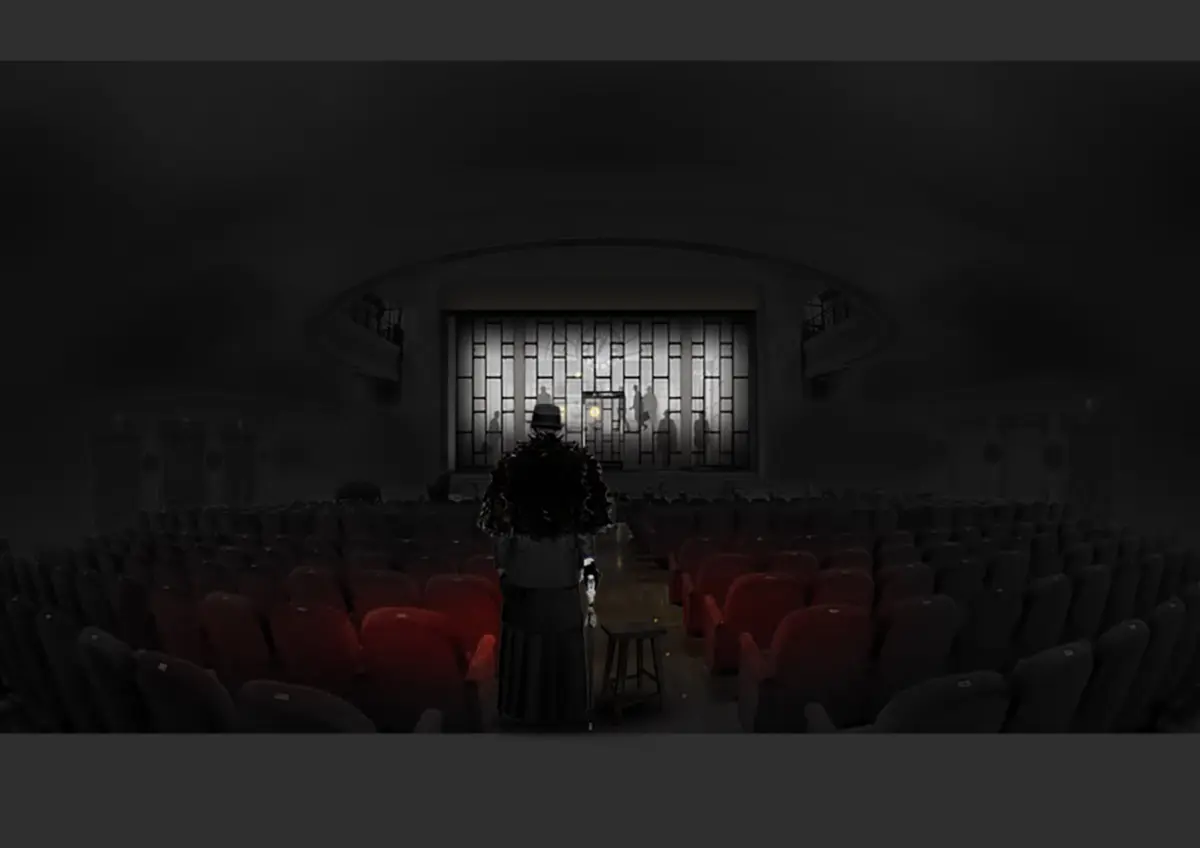
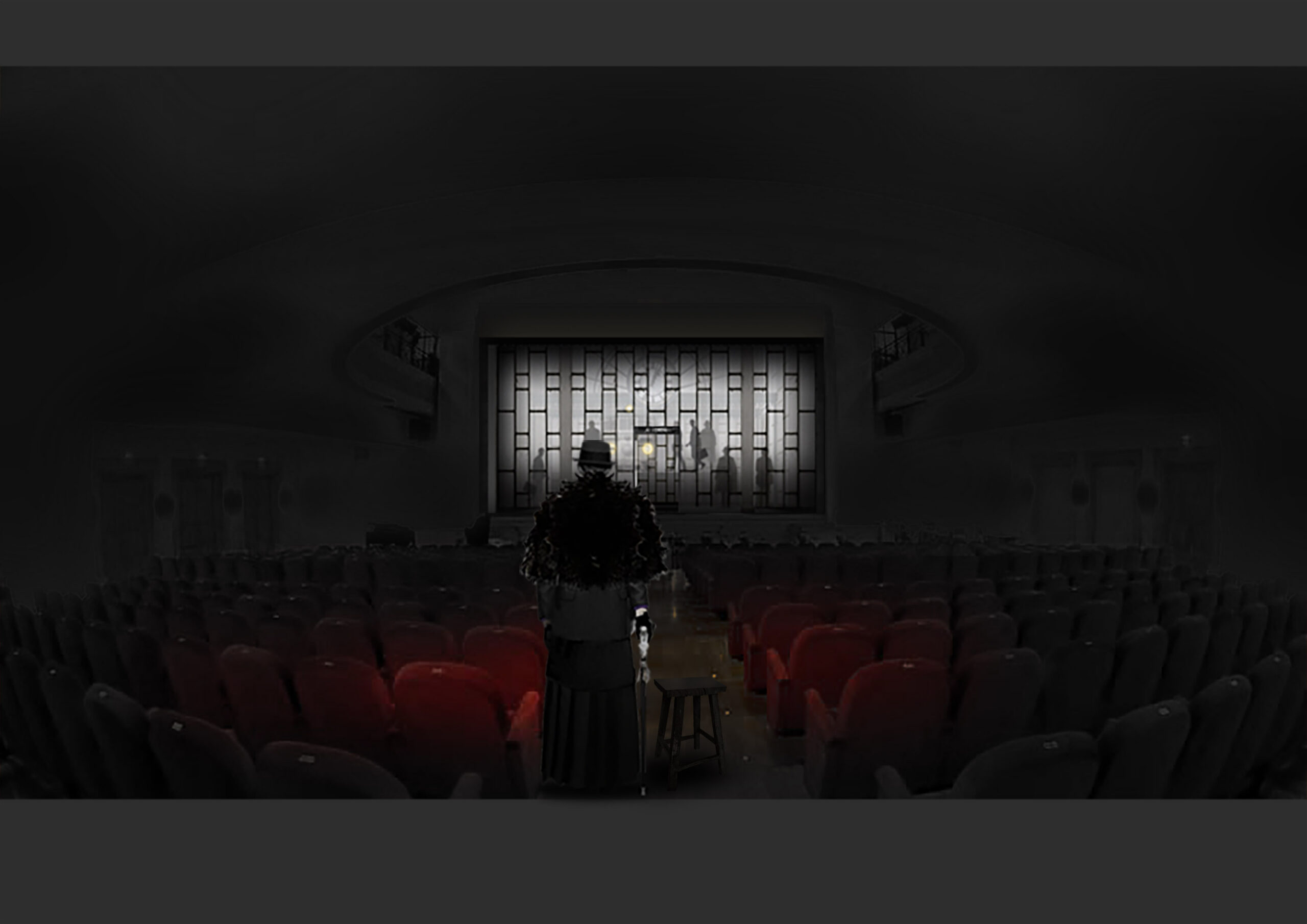
Director Cecilia Ligorio has similarly highlighted the spatial and psychological demands of the staging. By utilizing the unique architecture of the Teatro Nazionale, Ligorio aims to dissolve the traditional boundary between the audience and the performers, creating an immersive theatrical space where the emotional stakes of the narrative reverberate directly through the house.
Maestro Alessandro Cadario has pointed to the structural integrity of D’Amico’s score as a primary driver for his enthusiasm. "Working on a world premiere is the ultimate privilege for a conductor," Cadario notes. "There is no pre-existing recording to emulate, no historical baggage to untangle. There is only the score, the composer’s intent, and the living musicians in the room. D’Amico has written a work of extraordinary intelligence and sonic beauty, and the Orchestra del lirico capitolino is ready to bring it to life with absolute dedication."
Future Outlook: The Significance of Contemporary Premieres in Rome
The mounting of La Vita Nuda at the Teatro Nazionale is more than just a cultural highlight of the 2026 autumn season; it is a vital indicator of the health and ambition of modern Italian opera.
For decades, major opera houses across Europe faced criticism for relying too heavily on a canon of 19th-century masterworks, frequently bypassing contemporary compositions out of financial caution or fear of alienating traditional subscriber bases. However, institutions like the Teatro dell’Opera di Roma are increasingly recognizing that the long-term survival of the art form depends on active curation of new works. By commissioning, rehearsing, and premiering operas like La Vita Nuda, Rome cements its status not merely as a museum of past glories, but as a living, breathing engine of 21st-century culture.
Furthermore, the success of a world premiere often sends shockwaves far beyond its initial run. Successful contemporary operas frequently find second lives in other European houses, expanding the repertoire and offering future generations of singers, directors, and instrumentalists new masterworks to interpret.
As the curtain rises on October 20, 2026, all eyes will be on Rome. Will La Vita Nuda capture the zeitgeist and secure a lasting place in the modern operatic canon? Given the pedigree of D’Amico, Cappelletto, Ligorio, Cadario, and their stellar cast, the ingredients for a historic theatrical triumph are undeniably present. For those fortunate enough to secure a seat at the Teatro Nazionale between October 20 and 25, the experience promises to be nothing short of unforgettable—a rare opportunity to witness the birth of a modern classic in real time.