
Executive Overview
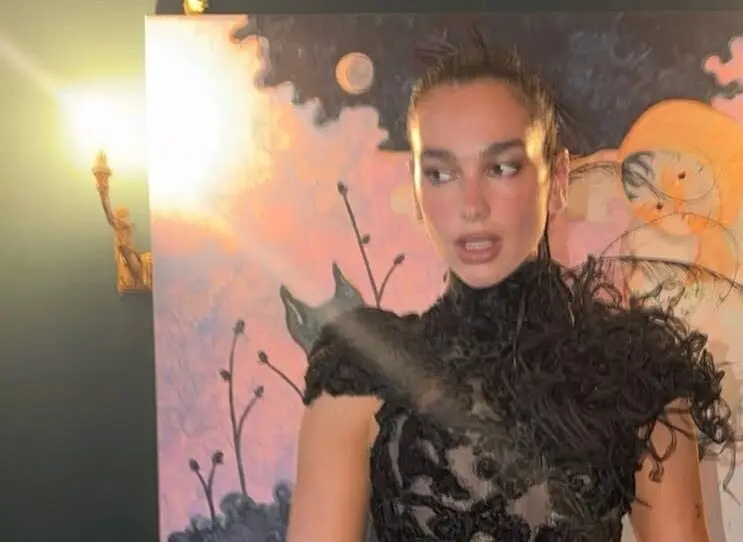
In an era where pop stardom is increasingly defined by cross-disciplinary cultural curation, Grammy Award-winning global phenomenon Dua Lipa is carving out a distinctive niche for herself within the classical performing arts ecosystem. On October 19, the British-Albanian singer-songwriter cemented her burgeoning status as a fixture of the international high-culture scene by attending the world premiere of Lincoln in the Bardo at New York City’s prestigious Metropolitan Opera.
This high-profile appearance is far from a one-off publicity stunt; rather, it marks the pop icon’s second major operatic outing in less than a month. Earlier in September, Lipa made waves across both European and American cultural columns when she traveled to Milan to experience the historic Teatro alla Scala’s breathtaking production of Verdi’s La Traviata. For an artist whose brand has traditionally been anchored in high-energy club anthems, disco revivals, and fashion-forward pop experimentation, this pivot toward the world of opera signals a deeper intellectual and artistic curiosity.
The Metropolitan Opera premiere of Lincoln in the Bardo—an ambitious contemporary work composed by Missy Mazzoli with a libretto by Royce Vavrek, adapted from George Saunders’s Booker Prize-winning novel—drew a constellation of A-list celebrities, including Amy Poehler, Bowen Yang, Callum Turner, and Matt Rogers. However, it was Lipa’s presence that generated the most significant synergy between contemporary pop culture and classical institutional prestige.
This comprehensive report explores the timeline of Lipa’s operatic renaissance, examines the intricate details of the production that drew her to Lincoln Center, analyzes the literary roots connecting the pop star to the source material, and assesses the broader cultural implications of pop royalty embracing the operatic arts in the 21st century.
Detailed Chronology: From Milan to Manhattan
To understand the full scope of Dua Lipa’s pivot toward the opera house, one must trace a timeline that bridges her literary pursuits, her podcast platform, and her recent international travels.
September: The Initiation at La Scala
The foundation for Lipa’s current operatic immersion was laid in September, when the singer made a landmark pilgrimage to Milan’s legendary Teatro alla Scala. Known globally as a temple of lyric theater, La Scala hosted Lipa for a performance of Giuseppe Verdi’s immortal tragedy, La Traviata.
For Lipa, this marked her maiden voyage into the world of traditional Italian opera at one of its most hallowed venues. According to insiders and fashion observers, the singer approached the evening not merely as a glamorous photo opportunity, but as an immersive cultural experience. Dressed with her characteristic effortless sophistication, she blended into the rarefied atmosphere of the Milanese opera house, signaling to her millions of followers that the historic art form was fully compatible with modern cool.
October 19: The Metropolitan Opera World Premiere
Just weeks after her Italian excursion, Lipa brought her newfound passion stateside, arriving at the Metropolitan Opera House at Lincoln Center for the world premiere of Lincoln in the Bardo.
Speculation regarding her attendance had been quietly swirling for weeks. Metropolitan Opera General Manager Peter Gelb had previously dropped hints during media previews, teasing that the pop megastar was actively excited about securing tickets for the opening of Missy Mazzoli and Royce Vavrek’s contemporary masterpiece. When Lipa stepped onto the red carpet on the evening of October 19, flashing a radiant smile and posing for cameras, those rumors were decisively confirmed.
Her red-carpet entrance—subsequently immortalized across official Met Opera social media channels and fan accounts alike—showcased a seamless intersection of high fashion and high art. Videos capturing her arrival at Lincoln Center quickly went viral, generating hundreds of thousands of engagements and introducing a younger, digitally native demographic to the Metropolitan Opera’s opening night programming.
Supporting Context & Metrics: The George Saunders Connection
While casual observers might view Dua Lipa’s presence at Lincoln in the Bardo as a random convergence of celebrity and culture, a deeper dive into the pop star’s intellectual profile reveals a pre-existing, deeply rooted artistic connection to the production.
Service95 and the Literary Blueprint
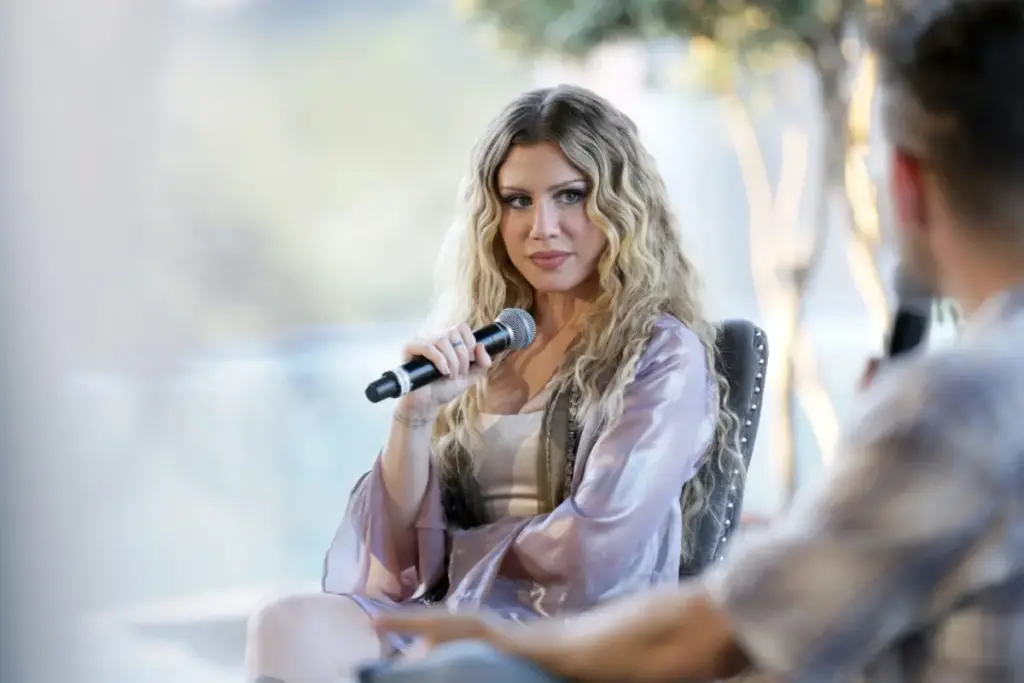
In 2024, long before the operatic adaptation of Lincoln in the Bardo was mounted on the Met stage, Dua Lipa interviewed acclaimed author George Saunders on her literary-focused lifestyle platform and podcast, Service95.
During the in-depth conversation, Lipa did not hide her profound admiration for Saunders’s literary output. She explicitly praised Lincoln in the Bardo, describing it as a transformative reading experience. Furthermore, the singer confessed on air that she is a "huge fan" of Saunders’s entire catalog, going so far as to publicly recommend every single book he has written to her global audience of listeners and readers.
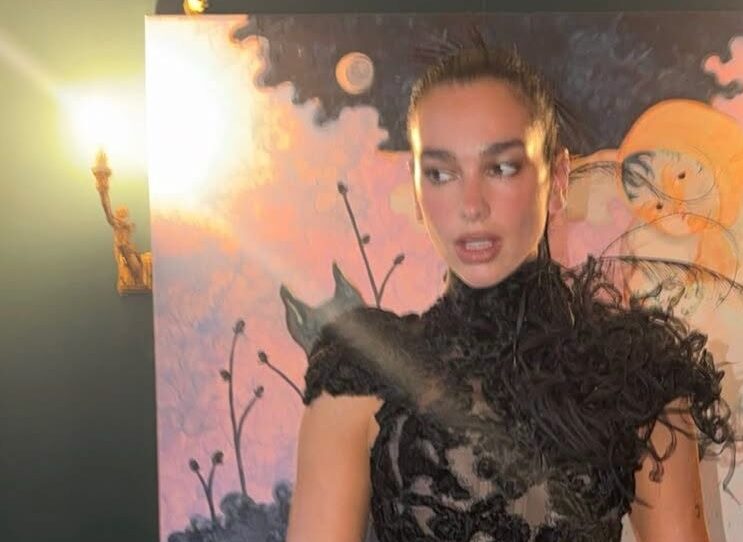
This literary fandom provides crucial context for her attendance at the opera. Lipa was not merely attending a glittering social event; she was witnessing the transposition of a text she deeply cherished and intellectually engaged with into an entirely new medium. The journey from reading Saunders’s structurally radical, ghost-filled novel in private, to discussing it on Service95, to watching its translation into a grand-scale operatic score conducted by Yannick Nézet-Séguin, represents a rare circle of artistic consumption.
Star-Studded Audience and Media Metrics
Lipa was far from the only luminary spotted within the opulent confines of the Metropolitan Opera auditorium that evening. The red carpet and VIP boxes played host to an eclectic mix of comedic talent, dramatic actors, and pop culture icons. Comedian and actress Amy Poehler, Saturday Night Live breakout star Bowen Yang, actor Callum Turner, and comedic personality Matt Rogers were all in attendance, transforming the premiere into a glittering summit where Hollywood, Broadway, and high opera collided.
From a digital metrics perspective, the collaboration between the Metropolitan Opera and high-profile celebrities like Dua Lipa yields unprecedented reach. Traditional opera houses have long grappled with the challenge of aging demographics and declining ticket sales among younger generations. By welcoming an artist with over 88 million Instagram followers and a fiercely loyal Gen-Z and Millennial fanbase, the Metropolitan Opera leverages organic social media amplification that traditional marketing budgets simply cannot buy.
Inside Lincoln in the Bardo: The Production and Its Creators
To fully appreciate the significance of Dua Lipa’s night out, one must examine the monumental artistic undertaking that played out upon the Met stage. Lincoln in the Bardo is not a standard, nineteenth-century repertory staple like La Bohème or Carmen; it is a daring, contemporary American opera built on complex foundations.
The Source Material
George Saunders’s 2017 novel of the same name—which earned him the prestigious Man Booker Prize—tells the ghost-story of Willie Lincoln, the beloved eleven-year-old son of U.S. President Abraham Lincoln, who died in 1862 during the American Civil War. Set in a Washington, D.C., cemetery, the novel takes place in the bardo—a Tibetan Buddhist concept of an intermediate state between life and rebirth. The narrative is constructed as a chorus of historical and fictionalized spirits who linger in grief and confusion, observing the grieving president as he visits his son’s crypt.
The Creative Team
Translating such a formally experimental, polyphonic novel into an operatic canvas required a visionary creative team:
- Music by Missy Mazzoli: Celebrated as one of the most vital and distinctive compositional voices of her generation, Mazzoli brings her signature blend of shimmering orchestral textures, driving rhythms, and haunting vocal lyricism to the score.
- Libretto by Royce Vavrek: A master of contemporary opera adaptation, Vavrek successfully distilled Saunders’s dense, multi-voiced chorus into a coherent, dramatically potent theatrical text.
- Conducting by Yannick Nézet-Séguin: The Met’s dynamic Jeanette and Llewelyn Wagner Music Director led the orchestra and chorus with characteristic passion, ensuring that the complex, modern score resonated with emotional clarity and sonic brilliance.
The Vocal Powerhouses
The production boasts a powerhouse principal cast featuring some of the most celebrated vocalists in the contemporary classical world:
- Peter Mattei as the troubled, grieving Abraham Lincoln (baritone)
- Christine Goerke (soprano)
- Stephanie Blythe (mezzo-soprano)
- Anthony Roth Costanzo (countertenor)
The combination of Mazzoli’s modern harmonic language, Vavrek’s poignant libretto, Nézet-Séguin’s kinetic baton, and world-class vocal performances makes Lincoln in the Bardo one of the most culturally significant world premieres in recent Metropolitan Opera history.
Future Outlook: The Intersection of Pop Royalty and Classical Institutions
Dua Lipa’s active presence at world-class opera houses on both sides of the Atlantic is more than just a fleeting lifestyle trend; it points toward a fascinating future trajectory for both celebrity culture and classical institutions.
The Evolution of the Modern Pop Star
Gone are the days when pop stars were expected to inhabit a hermetically sealed bubble of commercial radio and tabloid culture. Today’s cultural leaders—exemplified by figures like Dua Lipa, through her Service95 book club, her art-world connections, and now her operatic excursions—are positioning themselves as modern renaissance polymaths. By publicly embracing high art forms like opera and literature, Lipa curates an intellectual brand identity that transcends standard pop stardom. She demonstrates that contemporary pop music is not isolated from historical art forms, but rather part of a continuous, living cultural dialogue.
A Lifeline for Opera Houses
Conversely, institutions like the Teatro alla Scala and the Metropolitan Opera are discovering that alignment with modern cultural icons is an essential strategy for cultural survival and relevance. As legacy arts organizations seek to dismantle archaic perceptions of opera as stuffy, elitist, or inaccessible, the visible patronage of artists like Dua Lipa serves as a powerful antidote. When a global superstar enthusiastically endorses a contemporary opera about grief, history, and the supernatural, it signals to millions of young fans that the opera house is a vibrant, relevant, and emotionally resonant destination.
As Dua Lipa continues her globetrotting career—balancing stadium tours with literary discussions and front-row seats at historic cultural capitals—her operatic era appears to be only just beginning. Whether she returns to Milan, explores European festivals, or takes her place once more in the grand auditorium of the Metropolitan Opera, her embrace of the lyric arts has firmly linked contemporary pop royalty with the timeless majesty of classical performance.