
Executive Overview
In the vast and intricate landscape of musical education, few skills are as universally acknowledged as vital yet as frequently neglected as sight-reading. For instrumentalists and vocalists alike, the ability to translate written notation on a musical staff into instantaneous physical action or vocal pitch is the bedrock of musical literacy. Yet, even among advanced musicians, bottlenecks in processing speed—specifically, the cognitive lag associated with immediate note recognition—can hinder fluent performance, ensemble cohesion, and the sheer joy of exploring new repertoire.
Recognizing this pervasive pedagogical challenge, SightReadingMastery—founded by musician, educator, and software engineer Evan R. Murphy—introduced a breakthrough digital solution: a free, accessible online Note Recognition App. Originally launched to target foundational reading competencies, the tool has since evolved through iterative updates to encompass comprehensive clef support and ledger lines, bridging the gap between theoretical knowledge and rapid-fire visual processing.
This report provides a comprehensive examination of the app’s origins, its technological architecture, its pedagogical underpinnings, and its broader implications for music education in the digital age. By analyzing the intersection of cognitive science, software development, and practical musicianship, we explore how targeted micro-practice tools are revolutionizing the way musicians of all skill levels approach the printed page.
Detailed Chronology: From Concept to Comprehensive Tool
The genesis of SightReadingMastery dates back to 2011, when Evan Murphy established the platform in Seattle, Washington. Driven by a personal realization of how profoundly fluent sight-reading unlocks musical opportunities—from professional session work to spontaneous chamber music collaborations—Murphy set out to democratize access to effective sight-reading resources. Over the years, the platform expanded its offerings, but a persistent demand remained among students and teachers alike: a lightweight, frictionless way to drill note identification without the cumbersome setup of traditional flashcards or restrictive desktop software.
Phase 1: The Initial Launch (May 1, 2015)
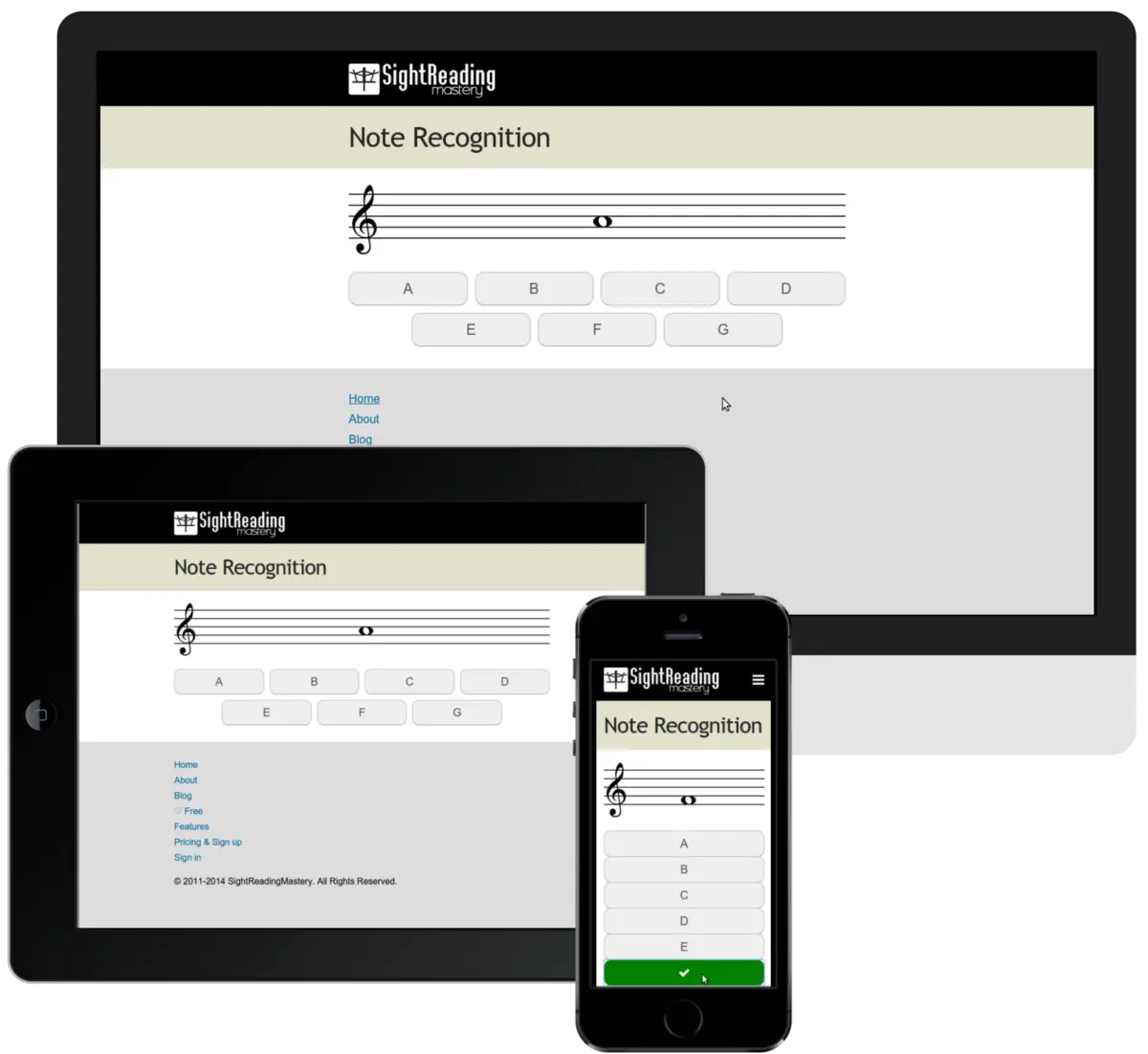
On May 1, 2015, SightReadingMastery officially released the initial iteration of its free online Note Recognition tool. Designed to address the fundamental bottleneck of reading music—the identification of a note appearing on the staff—the app aimed to help users systematically improve both their processing speed and reading accuracy.
At launch, the application prioritized accessibility, functioning seamlessly across desktop computers, tablets, and smartphones. This cross-platform compatibility meant musicians could practice during their commute, backstage before a concert, or during a formal practice session at home. However, like many minimum viable products, the initial release carried specific technical limitations:
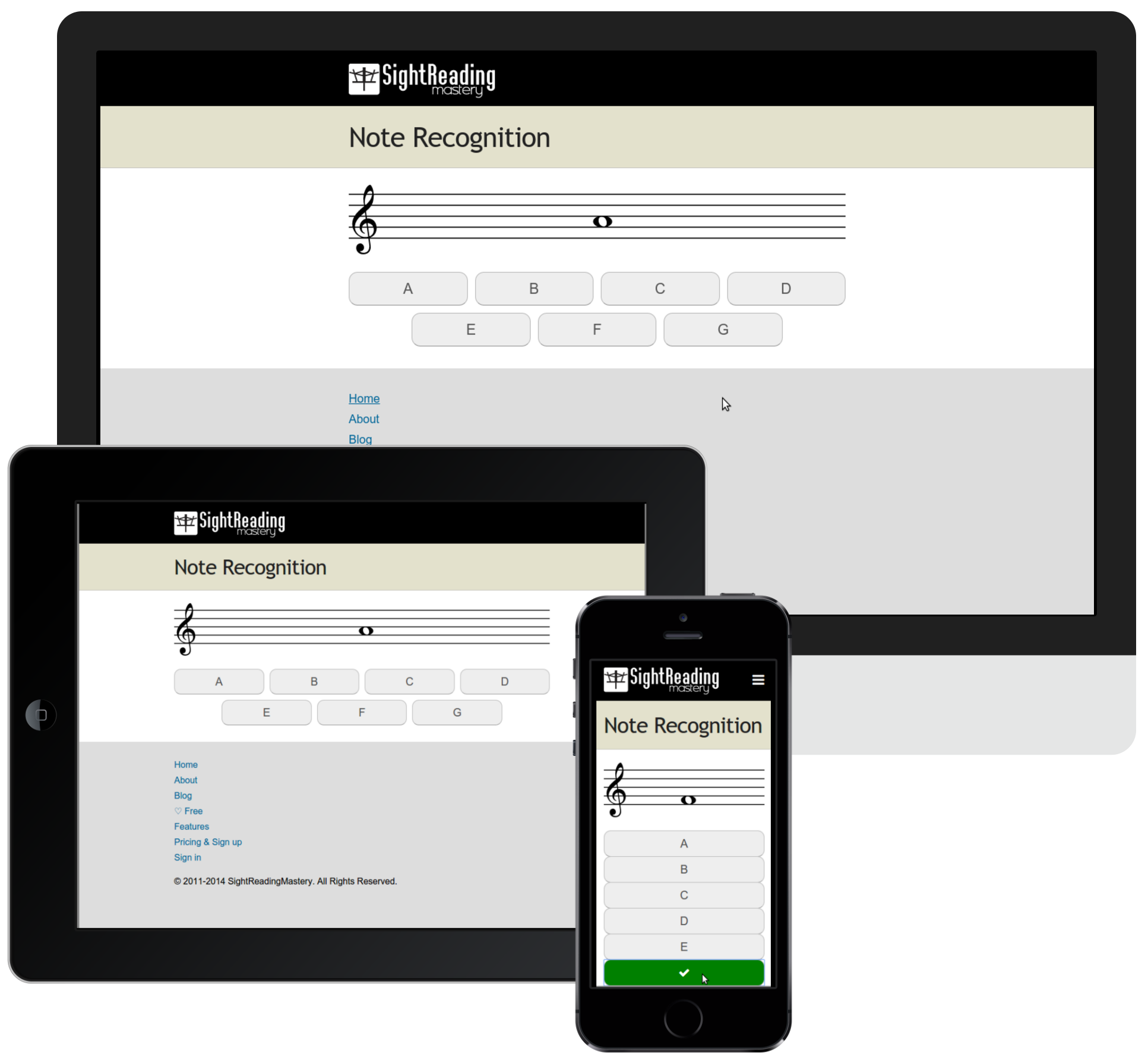
- Clef Restriction: The tool exclusively supported the treble clef, leaving pianists, cellists, bassists, and low-brass players waiting for broader integration.
- Staff Boundaries: The system was restricted to the standard five-line staff, omitting ledger lines and thereby limiting its utility for advanced register navigation.
Phase 2: Iterative Development and Expansion (September 2018)
Understanding that a tool for sight-reading mastery must accommodate the full spectrum of musical instrumentation, Murphy and his development team undertook significant updates in the autumn of 2018.
- September 14, 2018: The platform rolled out foundational updates aimed at expanding the app’s scope beyond the treble register, incorporating crucial requested features.
- September 23, 2018: Following rigorous testing, an official system update declared full support for the treble clef, bass clef, and ledger lines. This critical enhancement transformed the app from a specialized treble-clef trainer into a comprehensive pitch-recognition engine suitable for pianists navigating grand staves, as well as instrumentalists operating in lower registers.
Supporting Context & Metrics: The Cognitive Science of Sight-Reading
To understand the value proposition of the SightReadingMastery Note Recognition App, one must examine the cognitive mechanisms at play when a human brain interprets musical notation.
The Cognitive Bottleneck
Reading music is a complex neurocognitive task that requires the simultaneous processing of visual stimuli (notes on a page), translation into symbolic meaning (pitch names and rhythmic values), motor planning (finger placement on an instrument), and auditory feedback. Psychologists often divide reading proficiency into two distinct phases:
- Decoding (Note Recognition): The visual identification of pitch and rhythm.
- Execution: The physical realization of the decoded symbols.
For many developing musicians, execution is rarely the primary barrier; rather, it is the decoding phase that creates cognitive overload. When a musician has to consciously calculate "Every Good Boy Does Fine" or "FACE" for every single note, fluent reading grinds to a halt. True sight-reading requires automaticity—the ability to recognize pitches instantly, bypassing conscious translation, much like how an adult reader processes words on a page without spelling out individual letters.
Micro-Practice and Neuroplasticity
Educational research consistently demonstrates that spaced repetition and high-frequency, low-duration practice sessions yield superior retention and speed improvements compared to long, infrequent study blocks. By providing a digital, mobile-friendly interface for note recognition, the app capitalizes on these cognitive principles:
- Frictionless Access: Because the app is web-based and responsive across mobile devices, it lowers the barrier to entry, encouraging micro-sessions (e.g., five minutes while waiting for an appointment).
- Targeted Repetition: Isolating note recognition from rhythm, phrasing, and instrumental technique allows the brain to forge stronger neural pathways dedicated solely to staff-to-pitch mapping.
Official Statements and Pedagogical Philosophy
Evan R. Murphy’s vision for SightReadingMastery has always been rooted in practical, real-world musicianship. Balancing a multifaceted career as a musician, music teacher, and software engineer, Murphy brings a unique dual perspective to music education technology.

"Realizing how important sight reading is to unlocking opportunities in music, I started SightReadingMastery in 2011 to help musicians develop this valuable skill." — Evan R. Murphy, Founder
In discussions surrounding the development of the Note Recognition App, Murphy and his team emphasized that digital tools should not replace traditional instrument practice, but rather serve as force multipliers. By removing the administrative friction of traditional flashcard drills and introducing instant, automated feedback, the app allows students to build the foundational reflexes necessary to tackle complex scores with confidence.
Furthermore, the platform’s commitment to maintaining a free online tool underscores an egalitarian philosophy: that foundational musical literacy resources should be universally accessible to students, educators, and self-taught musicians regardless of geographic or economic constraints.
Future Outlook: The Digital Evolution of Music Education
As music education continues to intersect with modern software engineering, tools like SightReadingMastery’s Note Recognition App point toward a broader transformation in how foundational skills are acquired.
Trends in Music Tech Integration
- Gamification and Engagement: Future iterations of note-recognition software increasingly lean into streak tracking, timed challenges, and adaptive difficulty algorithms. By turning repetitive drills into engaging exercises, platforms maintain high user retention and motivation.
- Cross-Platform Synchronization: The shift toward cloud-based, mobile-friendly web applications ensures that students can seamlessly transition between desktop practice spaces and mobile devices, keeping their progress synchronized.
- Comprehensive Register Support: The successful integration of treble clef, bass clef, and ledger lines sets a new baseline expectation for pedagogical apps. Future developments in this space are likely to explore C-clefs (alto and tenor) to fully serve violists, cellists, and orchestral conductors.
Conclusion
SightReadingMastery’s Note Recognition App stands as a testament to the power of targeted, user-centric software design in music education. By diagnosing a fundamental bottleneck in the sight-reading process—note identification speed and accuracy—and addressing it with a free, accessible, and continuously updated digital tool, the platform has empowered countless musicians to break through their technical ceilings. As the app continues to evolve alongside advancements in web technology and cognitive science, it remains an indispensable resource for anyone seeking to master the universal language of music notation.