
NEW YORK — In the high-stakes ecosystem of commercial theatre, where the Great White Way functions as a merciless crucible of capital and public taste, reaching a four-figure performance milestone is a rare and monumental achievement. For decades, producers, investors, and creatives have chased the elusive threshold of 1,000 performances—a benchmark that traditionally separates fleeting commercial failures from institutional cultural landmarks.
According to official figures compiled by The Broadway League and The Otis Guernsey/Burns Mantle Theatre Yearbook, updated through November 2026, an elite tier of productions has managed to clear this formidable hurdle. Ranging from mid-century dramatic mainstays to mega-musicals powered by global tourism, these shows offer a masterclass in theatrical endurance. With standard Broadway schedules averaging eight performances a week—translating to roughly 416 shows annually—crossing the 1,000-performance mark requires a minimum of two and a half years of sustained, profitable operation.
Executive Overview: The Economics and Prestige of Endurance
The mathematics of Broadway dictate that a show must not merely entertain; it must maintain a relentless financial equilibrium against crushing weekly operating costs, theatre rental fees, marketing overhead, and union labor scales. Consequently, the list of shows achieving 1,000 or more performances serves as an economic ledger of popular culture.
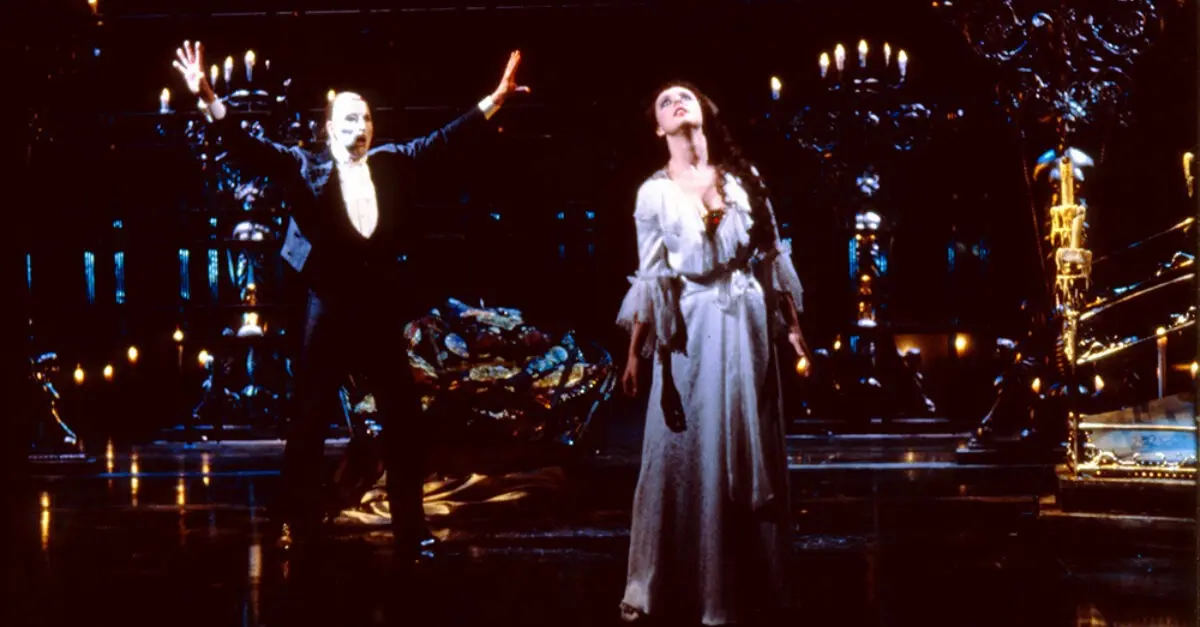
At the absolute pinnacle stands Andrew Lloyd Webber’s The Phantom of the Opera, which redefined the upper limits of theatrical runs by pulling off an astonishing 13,981 performances during its historic original Broadway tenure at the Majestic Theatre. Yet, the landscape is far from static. Active, ongoing productions such as the 1996 revival of Chicago, Disney’s The Lion King, and Wicked continue to rewrite the record books, proving that certain intellectual properties possess a generational staying power capable of weathering economic recessions, cultural shifts, and even unprecedented global disruptions like the COVID-19 pandemic.
This report examines the structural patterns, historical context, and ongoing evolution of Broadway’s longest-running productions, analyzing what it truly takes for a show to secure immortality in the heart of Manhattan.
Detailed Chronology: From Golden Age Stays to Modern Megahits
To understand how Broadway’s marathon runners achieved their status, it is helpful to segment the 1,000-plus performance club chronologically, observing how production strategies, audience demographics, and venue utilization have shifted over the past century.
The Mid-Century Titans (Pre
-1980s)
Long before the era of corporate synergy and global tourist bus lines, Broadway’s longevity was driven by word-of-mouth, star power, and domestic tourism.
- Life with Father (3,224 performances) and Tobacco Road (3,182 performances) stunned contemporaries by proving that non-musical plays could achieve astonishing multi-year runs during and immediately following the Great Depression and World War II.
- As the American Musical Theatre Golden Age blossomed, masterpieces like Fiddler on the Roof (3,242), Hello, Dolly! (2,844), My Fair Lady (2,717), and Oklahoma! (2,212) set new standards for how long a cohesive, book-driven musical could captivate audiences.
The Mega-Musical Revolution (1980s–1990s)
The theatrical landscape underwent a seismic shift in the late 20th century with the arrival of British and European mega-musicals, which relied on sung-through scores, massive scenic spectacles, and aggressive global branding.
- The Phantom of the Opera (13,981) established an almost untouchable gold standard, dominating the Majestic Theatre for over three decades.
- It was joined by Cameron Mackintosh-produced juggernauts like Cats (7,485) and Les Misérables (6,680), alongside imported cultural phenomena such as Miss Saigon (4,092) and homegrown hits like the 1996 revival of Chicago (currently active at 11,816+ performances).
- During this era, family-friendly corporate sponsorships also entered the fray, most notably through Disney Theatrical Group with Beauty and the Beast (5,461) and The Lion King (11,441+).
The Contemporary Era: IP, Innovation, and Endurance (2000s–Present)
The 21st century has seen the 1,000-performance club diversify significantly. While jukebox musicals (Mamma Mia!, Jersey Boys, Beautiful: The Carole King Musical), pop-culture adaptations (Wicked, The Book of Mormon, Harry Potter and the Cursed Child), and rap-infused historical biographies (Hamilton, 4,045) have dominated box offices, newer critical darlings have also muscled their way into the record books.
- Active contemporary entries like Hadestown (2,516+), Six: The Musical (2,105+), MJ The Musical (1,981+), & Juliet (1,651+), The Outsiders (1,066+), and The Great Gatsby (1,052+) prove that modern audiences still crave bold theatricality and fresh sonic landscapes.
Supporting Context & Metrics: Breaking Down the Numbers
A deep dive into the performance data reveals fascinating insights into how shows sustain their momentum.
The Original Run vs. Revival Dynamic
While most entries on the ledger represent original Broadway productions, revivals occasionally crack the code. The 1996 revival of Chicago stands out as a monumental anomaly; by outliving the original production’s run and virtually every show that premiered in the late 90s, it has amassed 11,816 performances and counting, making it the longest-running American musical in Broadway history. Other notable revival heavyweights include Oh! Calcutta! (1976 Revival at 5,959), Cabaret (1998 Revival at 2,377), and 42nd Street (2001 Revival at 1,524).
Weekly Rhythms and the "8-Show Week"
The math behind theatrical longevity is unrelenting. Broadway shows generally operate on an eight-performance-per-week schedule—typically consisting of Tuesday through Saturday evening performances, complemented by Wednesday and Saturday matinees, and a coveted Sunday slot (though schedules vary). This translates to roughly 416 performances a year. To reach 1,000 performances, a production must maintain this schedule smoothly for approximately two and a half years, factoring in scheduled cast changes, technical rehearsals, and minor hiatuses. To reach the upper echelon—such as The Lion King‘s nearly three decades on stage—requires navigating thousands of consecutive performances without losing consumer demand.
Official Statements and Industry Perspectives
Industry leaders and theatrical historians frequently reflect on the pressures and triumphs associated with maintaining a long-running Broadway enterprise.
Thomas Schumacher, President of Disney Theatrical Group, has often emphasized that the secret to longevity lies in rigorous quality control and audience inclusivity. Speaking on the enduring runs of The Lion King and Aladdin, Schumacher noted:
"You cannot simply open a show and walk away. The ecosystem of a long-running Broadway production requires the same creative intensity on performance number 10,000 as it did on opening night. Audiences travel from every corner of the globe to see these titles; for many, it is a once-in-a-lifetime pilgrimage. We owe them the absolute highest caliber of artistry."
Meanwhile, theatrical producers and general managers frequently point to the delicate balance between ticket-pricing strategies, marketing shifts, and cast refreshments. As legacy shows mature, producers must rely on strategic stunt-casting, national tour synergies, and robust digital marketing campaigns to convert casual tourists and local theatergoers into repeat buyers.
Future Outlook: The Next Wave of Contenders
As Broadway looks past 2026, the question on every producer’s mind is: Which current or upcoming shows have the structural integrity and broad-market appeal to join the exclusive 1,000-performance club?
Current active anchors like The Lion King, Wicked, Chicago, and The Book of Mormon continue to pad their leads, while newer entries like The Outsiders and The Great Gatsby have successfully cleared the initial 1,000-performance milestone, securing their places in modern theatrical history. However, rising production costs, inflation, and shifting consumer habits mean that future long-runners will need to be exceptionally nimble.
In an era defined by rapid digital media consumption, Broadway’s 1,000-performance club stands as a powerful testament to the enduring human hunger for collective, live storytelling. Whether through the soaring orchestrations of a grand musical or the gripping tension of a contemporary drama, these milestones remind the world that while theatres may change hands and marquees may dim, the magic of a timeless production echoes long after the final curtain falls.