
Executive Overview
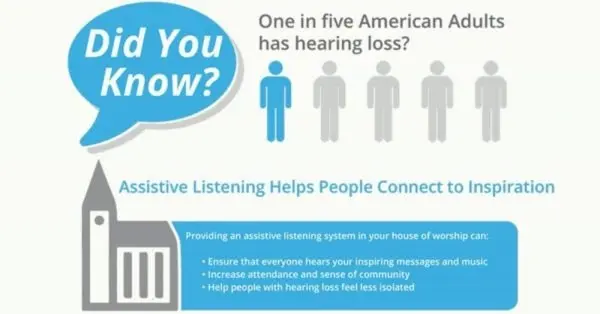
In the modern landscape of faith-based communities, radical hospitality remains a foundational pillar for growth, retention, and spiritual outreach. Yet, a silent barrier often prevents a significant portion of the congregation from fully engaging with worship services: hearing loss. As demographic shifts point toward an aging population, houses of worship face a critical imperative to evaluate and upgrade their infrastructural accessibility. Implementing an advanced Assistive Listening System (ALS) is no longer a peripheral accommodation; it is a core component of inclusive ministry that ensures every attendee can experience the spoken word, music, and emotional resonance of a service without limitation.
Recent industry insights and technical frameworks—such as those provided by audio technology leaders and integration specialists like CCI Solutions and Listen Technologies—demonstrate that successfully deploying an ALS requires more than simply purchasing equipment. It demands a strategic, four-phase approach encompassing congregation assessment, financial planning, comprehensive staff and volunteer training, and active community-wide awareness campaigns.
This article investigates the multifaceted process of integrating assistive listening technologies into worship facilities. By examining the logistical, financial, and cultural dimensions of these upgrades, church leadership teams can bridge the gap between architectural intent and actual audience inclusion, ultimately fulfilling the mission of welcoming all members of the community into active fellowship.
Detailed Chronology: The Four-Phase Implementation Roadmap
Successfully deploying an Assistive Listening System within a worship facility requires a structured methodology. Rushing the procurement process without adequate preparation often leads to underutilized technology, wasted capital, and frustrated congregants. Industry best practices outline a definitive four-step chronology designed to maximize return on investment and congregational impact.
Phase 1: Diagnosing Congregation Needs and Technical Audits
The foundational step in any accessibility initiative is establishing a precise understanding of the demographic and technical needs within the pews. Leadership cannot rely on assumptions regarding hearing loss among attendees; rather, data-driven insights must guide the procurement process.
- Deploying Congregational Surveys: The most effective mechanism for capturing this data is a comprehensive survey distributed physically and digitally to the congregation. These questionnaires must specifically target the subjective experiences of members during services, inquiring about audio clarity, reverberation challenges, and specific trouble spots within the sanctuary.
- Assessing Hearing Aid Compatibility: Crucially, surveys must ascertain whether members utilize hearing aids and whether those devices are equipped with telecoils (t-coils). Understanding the prevalence of t-coil technology dictates whether a facility should invest heavily in hearing aid-compatible neck loops, induction loop systems, or FM/Wi-Fi receivers with standard earphone jacks.
- Acoustic and Environmental Mapping: Alongside demographic surveys, facility managers must evaluate the physical acoustics of the worship space. High ceilings, large stained-glass windows, and hard flooring surfaces often create echo and acoustic muddying that exacerbates hearing impairments. Combining acoustic analysis with survey data ensures that the chosen ALS directly resolves the unique challenges of the room.
Phase 2: Financial Strategy and Evaluating Equipment Options
Once the specific needs of the community are quantified, the focus shifts to equipment selection and budgetary alignment. The market offers a diverse array of assistive listening technologies—ranging from traditional FM radio frequency systems and Infrared (IR) systems to modern Wi-Fi-based streaming solutions and Induction Loop systems. Each technology carries distinct cost profiles, installation requirements, and user experiences.
- Budgetary Projections and Consultations: Estimating the total cost of ownership involves calculating hardware expenses, cabling, signage, and ongoing maintenance. Organizations like CCI Solutions offer specialized assistance in this domain, providing free consultations designed to help church boards navigate equipment expenses and align them with broader capital budgets.
- Creative Fundraising and Capital Allocation: Because facility upgrades often compete with other operational priorities, creative funding mechanisms are frequently required. Dedicated accessibility funds, memorial gifts, targeted micro-donations, and specialized grants for disability inclusion can successfully offset the financial burden of procuring high-tier assistive listening devices.
Phase 3: Operational Readiness and Staff Training
Even the most advanced audio hardware will fail to achieve its purpose if the church staff and volunteer corps are unprepared to manage it. Operational readiness hinges on transforming front-line personnel into knowledgeable advocates for accessibility.
- Appointing "Assisted Listening Ambassadors": Ushers, greeters, and welcome desk volunteers should be designated as Assisted Listening Ambassadors. Their role extends far beyond handing out bulletins; they must be intimately familiar with the location, operation, and sanitation of every receiver in the inventory.
- Instructional Protocols at Checkout: When a device is checked out to a congregant, volunteers must take the time to provide a brief, patient demonstration of its operation, ensuring the user understands volume controls, headphone connections, and switch settings.
- Visual Job Aids and FAQ References: To maintain consistency during high-traffic Sunday mornings, facilities should place a laminated copy of frequently asked questions and troubleshooting steps directly at the distribution counter. This empowers volunteers to resolve minor technical hiccups swiftly without disrupting the flow of pre-service arrivals.
Phase 4: Cultivating Awareness and Community Outreach
Procuring and deploying an ALS yields zero value if the target audience remains unaware of its existence. Creating an environment of total inclusion requires a robust, sustained marketing and communication strategy both inside the walls of the church and out into the wider geographic community.
- Standardized Signage and Wayfinding: Clear, universally recognized international symbols for accessibility must be displayed prominently at building entrances, directing visitors to the exact location where Assisted Listening Devices (ALDs) are distributed.
- Multi-Channel Communication: Reminders regarding the availability of listening systems should be integrated into every weekly bulletin, digital slide presentation, and verbal pre-service announcement.
- Live Demonstrations and Community Advertising: Hosting a dedicated live training session or orientation allows congregants to familiarize themselves with the technology in a low-pressure environment. Furthermore, publicizing these accessibility upgrades to the surrounding community sends a powerful signal to individuals who may have previously stopped attending traditional services due to untreated hearing loss, inviting them to return.
Supporting Context & Metrics: The Scale of Hearing Loss and Inclusion
To fully appreciate the urgency of deploying Assistive Listening Systems, decision-makers must examine the broader socioeconomic and health data surrounding hearing impairments.
Demographic Realities in Faith Communities
According to public health data from organizations such as the World Health Organization (WHO) and the Centers for Disease Control and Prevention (CDC), hearing loss is one of the most prevalent chronic physical conditions affecting adults. Approximately one in three individuals aged 65 and older experiences disabling hearing loss, a demographic that frequently forms the backbone of traditional church congregations. However, hearing loss is not confined to the elderly; millions of middle-aged and younger adults experience varying degrees of auditory compromise due to occupational noise, genetics, or environmental factors.
When houses of worship fail to provide adequate acoustic assistance, the consequences extend far beyond simple inconvenience:

- Social Isolation: Individuals struggling to hear sermons and conversations often begin to withdraw from fellowship, leading to loneliness and a weakened connection to the spiritual community.
- Spiritual Disengagement: The inability to comprehend spoken liturgy or musical messaging alienates attendees from the core worship experience, effectively locking them out of the communal expression of faith.
- Intergenerational Disconnect: Accessibility barriers prevent older family members from fully participating in milestone events, weddings, and holiday services alongside their younger relatives.
The Return on Investment of Empathy
While installing an ALS requires upfront capital expenditure, the institutional return on investment is profound. Facilities that prioritize accessibility consistently report higher retention rates among aging demographics, increased volunteer participation from previously sidelined members, and a reputation within the broader community as a genuinely welcoming, progressive, and compassionate institution. Providing these tools is not merely an operational upgrade; it is a direct reflection of a ministry’s core values.
Official Statements and Industry Insights
Audio technology integration experts and accessibility advocates emphasize that technology must serve human connection. Industry documentation, such as the comprehensive resources compiled within the Listen Technologies Church Assistive Listening Toolkit, provides valuable guidance for facilities embarking on this journey.
"Reaching out to those who feel disconnected from your community due to hearing loss is central to sharing the message of inclusion. Genuinely compassionate service involves being aware of and caring for the needs of everyone, especially those dealing with impairments. Make sure they are able to hear the beauty and emotion of the spoken word in your church by providing them with the equipment they need to stay connected."
— Excerpt from the Listen Technologies Church Assistive Listening Toolkit
Industry leaders note that the evolution of assistive listening has shifted from compliance-driven mandates to ministry-driven excellence. Federal regulations, such as the Americans with Disabilities Act (ADA) in the United States, establish minimum legal baselines for public assembly spaces requiring assistive listening systems. However, progressive houses of worship view these legal frameworks merely as a starting point, striving to exceed baseline compliance through user-centric design, superior audio clarity, and proactive staff engagement.
Furthermore, audio engineering professionals stress the importance of system integration. An ALS must interface seamlessly with the house mixing console, ensuring that the mix sent to assistive listening receivers is tailored for speech intelligibility rather than merely replicating the raw room audio feed, which is often compromised by natural acoustic reverberation.
Future Outlook: The Next Generation of Sanctuary Accessibility
As audio engineering and digital communication technologies continue to evolve, the future of Assistive Listening Systems in houses of worship points toward greater personalization, wireless integration, and the elimination of physical hardware barriers.
The Rise of Bring-Your-Own-Device (BYOD) Systems
One of the most transformative trends in assistive listening is the adoption of Wi-Fi-based audio streaming platforms. Rather than relying exclusively on specialized, dedicated receivers that must be checked out and returned after every service, modern Wi-Fi systems allow congregants to stream pristine, low-latency sanctuary audio directly to their own smartphones or compatible personal listening devices via a downloadable application.
This approach offers several distinct advantages:
- Reduced Administrative Overhead: Church staff spend significantly less time managing, sanitizing, and tracking physical inventory.
- User Comfort and Familiarity: Attendees naturally prefer using their own smartphones, earbuds, or hearing aid streaming apps, eliminating the social stigma sometimes associated with requesting a specialized device from a welcome desk.
- Scalability: Wi-Fi systems can effortlessly accommodate fluctuating attendance numbers without requiring the purchase of dozens of additional physical hardware receivers.
Artificial Intelligence and Adaptive Acoustics
Looking further ahead, the integration of artificial intelligence (AI) into church sound reinforcement and assistive listening promises unprecedented levels of clarity. AI-driven audio processors can dynamically isolate human speech from background noise, organ frequencies, and HVAC hums in real time, delivering a customized, crystal-clear audio stream tailored to the specific auditory profile of individual users.
Conclusion: Embracing the Call to Total Inclusion
The integration of an Assistive Listening System represents a vital intersection of technology, ministry, and compassion. By methodically assessing congregational needs, navigating financial options with expert partners like CCI Solutions, training staff to act as dedicated ambassadors, and aggressively raising awareness throughout the community, houses of worship can dismantle the invisible walls of hearing loss.
Ensuring that every attendee can experience the spoken word, the shared prayer, and the emotional power of worship is essential to fulfilling the ultimate mission of any faith-based community: welcoming all people into an unhindered, fully connected experience of grace and fellowship. Facility leaders are strongly encouraged to download comprehensive implementation guides, such as the Listen Technologies Church Assistive Listening Toolkit, and initiate consultations to evaluate how modern assistive listening solutions can transform their sacred spaces today.