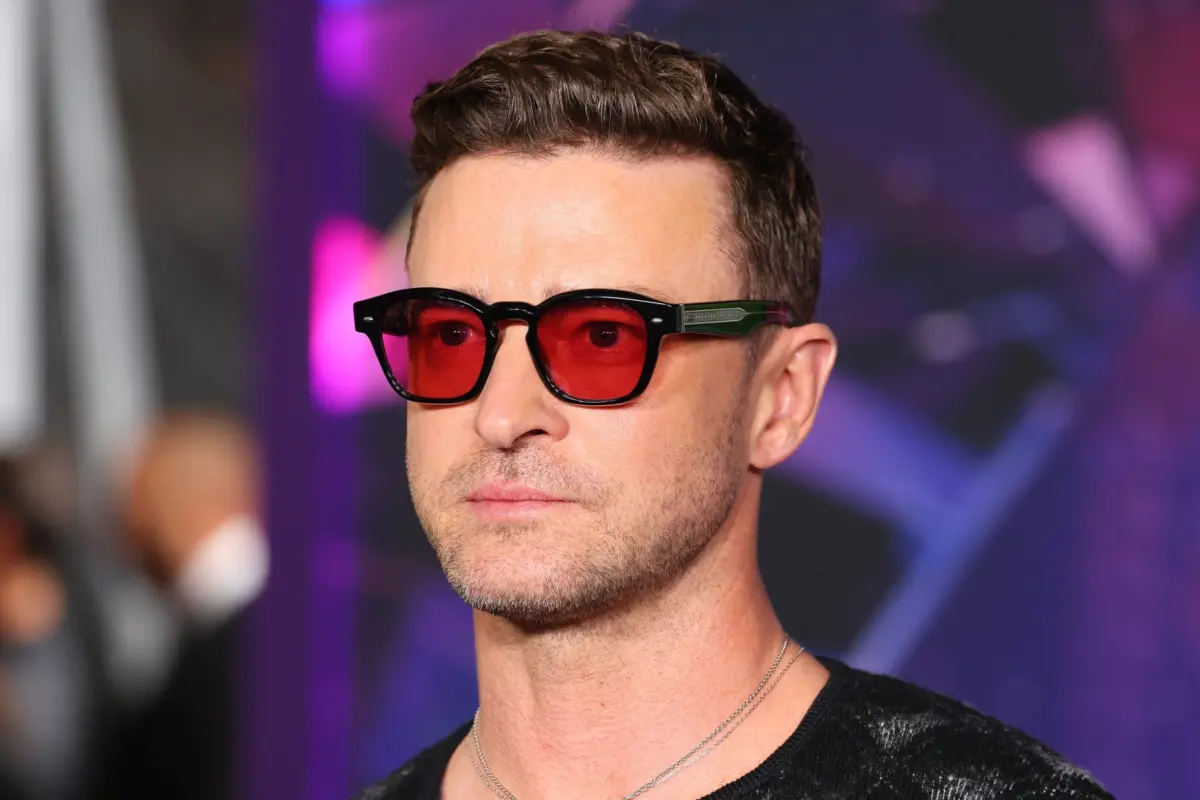

In the sprawling, hyper-documented landscape of 21st-century pop culture, few micro-phenomena have endured quite like the musical quirks of the early-aughts boy band and R&B crossover era. Recently, social media creator Hannah Young thrust one of these peculiar sonic artifacts back into the public consciousness with a viral TikTok video highlighting an unexpected fixture of Justin Timberlake’s early career: his relentless, unapologetic propensity to break into impromptu beatboxing.
Characterized by the hypnotic, percussive vocalization of “boots and cats,” Timberlake’s signature ad-lib became a defining subconscious soundtrack for millions of listeners who grew up during the height of *NSYNC’s global domination and Timberlake’s subsequent transition into a solo powerhouse. Young’s tongue-in-cheek critique—wondering aloud how millions of listeners blindly accepted professional studio tracks punctuated by organic vocal percussion when drum machines were readily available—sparked widespread internet nostalgia.
To the surprise and delight of fans, Timberlake himself waded into the digital fray, offering a self-deprecating, humorous response that instantly endeared him back to the internet collective. This lighthearted social media exchange serves as more than just a fleeting viral moment; it provides a fascinating lens through which to examine the evolution of modern pop production, the organic craftsmanship behind the polished facade of millennial pop, and the unique collaborative alchemy that birthed some of the most influential commercial hits of the modern era. Far from being a mere embarrassment, Timberlake’s “boots and cats” habit represents the tactile, experimental nature of a bygone era in mainstream music.
Detailed Chronology: The Rise of *NSYNC, “Pop,” and the Birth of a Vocal Signature
To fully understand the cultural footprint of Justin Timberlake’s beatboxing, one must journey back to the turn of the millennium—a dynamic transitional epoch in the music industry. The late 1990s and early 2000s were defined by the supreme reign of teen pop, where boy bands and vocal harmony groups dominated the Billboard charts. Yet, as the industry careened toward the new decade, the artistic boundaries between traditional bubblegum pop, hip-hop, and R&B began to blur aggressively.
At the vanguard of this sonic shift was NSYNC. Following the astronomical success of their sophomore studio album, No Strings Attached (2000), the group returned to the studio with an appetite for sonic experimentation. Enter “Pop,” the lead single from their third and final studio album, Celebrity* (2001). Co-written and produced by Wade Robson and Justin Timberlake himself, the track was an aggressive, futuristic fusion of heavy synthesizers, funky guitar riffs, and driving dance beats.
It was within the framework of “Pop” that Timberlake’s beatboxing transitioned from a backstage green-room party trick into a commercial centerpiece. Midway through the track, the instrumentation strips away to reveal Timberlake utilizing his vocal cords as a rhythmic drum machine, laying down crisp snares, kick drums, and hi-hats. At a time when digital production tools were rapidly advancing, the inclusion of organic vocal percussion injected a raw, human element into an otherwise heavily synthesized track.
This stylistic choice was not merely accidental; it was a deliberate nod to the vocal street traditions of hip-hop and beatboxing culture that heavily influenced the group’s evolving musical identity. However, as Young pointed out in her viral commentary, this habit did not stop at the recording studio door. It bled into live televised performances, promotional interviews, and acoustic radio sessions, becoming an omnipresent, albeit occasionally quirky, trademark of Timberlake’s burgeoning persona.
[1999–2000: Peak Teen Pop]
       │
       ▼
[2001: *NSYNC releases "Pop" (Celebrity)] ──► Timberlake weaves live beatboxing into mainstream consciousness.
       │
       ▼
[2002: *Justified Solo Debut] ─────────────► Timbaland & Timberlake use vocal percussion to draft "Cry Me a River."
       │
       ▼
[Present Day: Viral Social Media] ─────────► Hannah Young's TikTok sparks Timberlake's self-deprecating internet response.
Supporting Context & Metrics: From “Cry Me a River” to Global Commercial Dominance
While the internet’s recent fixation on “boots and cats” leans heavily into affectionate mockery, the technical reality of Timberlake’s vocal percussion points to a deeper musical intuition. This organic approach to beat-making was a foundational element in the creation of some of the most critically acclaimed and commercially successful tracks of the 21st century.
The most prominent example of this methodology materialized during the creation of Timberlake’s 2002 debut solo album, Justified. In a memorable appearance on the popular YouTube interview series Hot Ones, Timberlake recounted the serendipitous genesis of his breakthrough single, “Cry Me a River.” Arriving at the recording studio feeling creatively uninspired and visibly fatigued, Timberlake crossed paths with legendary producer Timbaland. Sensing the singer’s subdued mood, Timbaland bypassed traditional keyboards and drum sequencers entirely, opting instead to communicate his rhythmic vision through organic beatboxing.
"The crazy thing about ‘Cry Me a River’ was he beat-boxed it first," Timberlake shared during his Hot Ones appearance. "I came into the studio and I was like less than thrilled, and I think he saw my mood and he just started, like, [beat-boxing]. Four hours later it was, like, written and recorded and then we started working on post-production."
This improvisational, percussion-first drafting method became a hallmark of the Timberlake-Timbaland creative partnership—a dynamic that ultimately reshaped the topography of contemporary R&B and pop radio. The resulting metrics of Timberlake’s storied career speak volumes about the efficacy of this creative risk-taking.
Across his illustrious solo career, Timberlake has amassed an impressive statistical footprint on the Billboard charts:

- Billboard Hot 100 Entries: 39 total entries as a lead or featured artist.
- Top 10 Hits: 19 chart-topping or top-tier placements.
- No. 1 Singles: 5 chart-topping anthems, including signature tracks like "SexyBack," "My Love" (featuring T.I.), and "What Goes Around… Comes Around."
- Milestone Eras: His sophomore blockbuster, FutureSex/LoveSounds, celebrated its monumental 20th-anniversary window in September, cementing its status as a paradigm-shifting record that yielded three consecutive Hot 100 No. 1 singles.
Official Statements and Social Media Reactions
The digital ecosystem thrives on self-awareness, and few celebrities navigate viral culture quite as effectively as those willing to laugh at their own historical archives. When creator Hannah Young posted her lighthearted critique questioning how a generation of listeners calmly accepted uninterrupted streams of beatboxed rhythm without demanding professional studio interventions, she anticipated mild engagement, not a royal decree from the pop star himself.
Young’s video broke down the absurdity with razor-sharp comedic timing:
"We don’t talk about Justin Timberlake beatboxing enough," Young remarked in her viral TikTok clip. "Because there was a moment in time where that man would be in the middle of a song and just boots and cats and boots and cats. Nobody questioned it. Nobody said, ‘Justin, you know? We have drums. This is a professional recording studio. There are instruments available to you.’ And we liked it. That’s what I need us to sit with."
Timberlake’s response, dropped swiftly into the comments section of the post, demonstrated a refreshing willingness to embrace his past eccentricities rather than defensively sidestep them. His reply bridged the generational gap between millennial nostalgia and Gen Z meme culture:
"I often look back on that time as well," Timberlake wrote. "I still haven’t come up with any answers. I don’t know how to apologize enough for whatever those ambitions were. Too many boots. Too many cats. I hope you can forgive me."
Recognizing the comedic potential of his own confession, the Grammy-winning artist appended a cautionary disclaimer that sent waves of amusement through his digital fanbase:
"Also, I can’t promise I won’t do it again. God help us all."
This exchange highlights a broader shift in celebrity public relations. In an era dominated by hyper-curated, sanitized digital footprints, fans increasingly reward authenticity, self-deprecation, and a healthy sense of humor regarding one’s artistic evolution. By leaning into the joke, Timberlake successfully transformed a potentially mocking meme into a celebration of shared cultural memory.
Future Outlook: Legacy, Nostalgia, and the Enduring Appeal of Millennial Pop
As the music industry continues to cycle through retrospective trends—with Y2K and early-2000s aesthetics dominating fashion, media, and sonic production—moments like the viral “boots and cats” discourse offer valuable insights into the staying power of millennial pop culture.
The early 2000s represented a fascinating bridge between the analog recording techniques of the past and the hyper-digital, streaming-dominated landscape of today. Artists like Justin Timberlake, working alongside visionary producers like Timbaland and Pharrell Williams, weren’t afraid to inject organic human quirks—whether it was a vocal hiccup, an unpolished ad-lib, or spontaneous beatboxing—into high-budget commercial productions. These idiosyncratic touches are precisely what prevent that era’s music from feeling sterile or overly mechanized decades later.
Looking ahead, Timberlake’s ability to engage with internet culture on its own terms bodes well for the continued preservation of his legacy. As fans eagerly anticipate future musical ventures and reflect on milestone anniversaries of historic albums like Justified and FutureSex/LoveSounds, the cultural appetite for behind-the-scenes authenticity remains ravenous.
Ultimately, whether listeners are revisiting the pulsating rhythms of *NSYNC’s “Pop,” analyzing the studio genius behind “Cry Me a River,” or chuckling over TikTok commentary about vocal percussion, Justin Timberlake’s musical DNA remains firmly embedded in the modern pop consciousness. And if his parting warning is any indication, the world should officially remain on high alert: those boots and cats might just make an unexpected return when least expected.