
Executive Overview
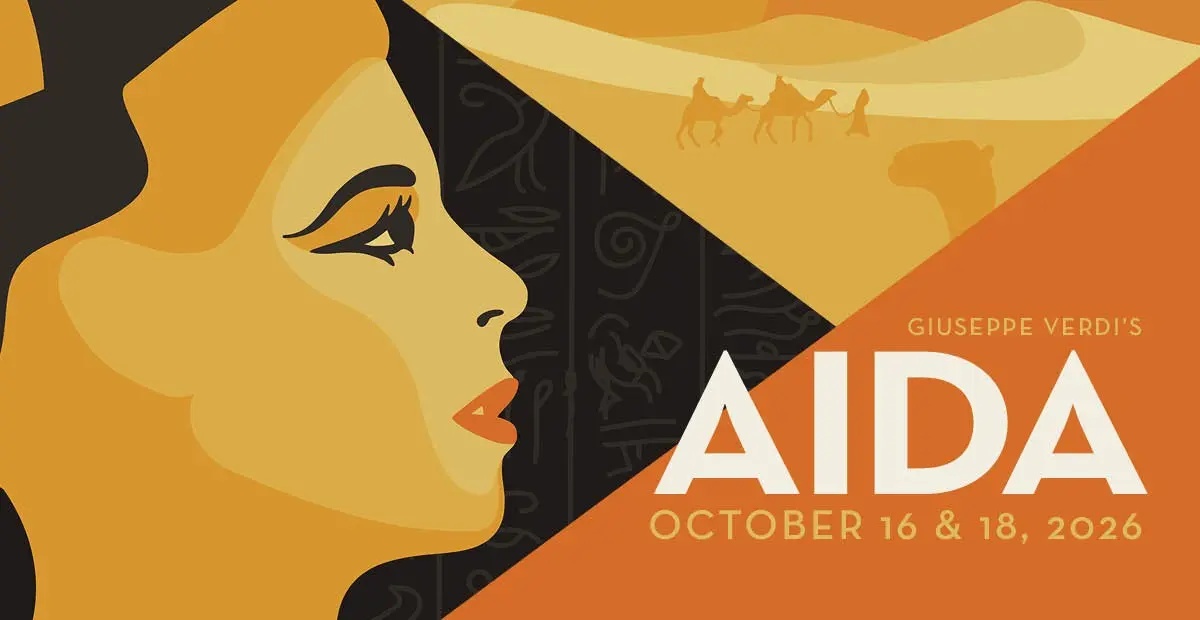
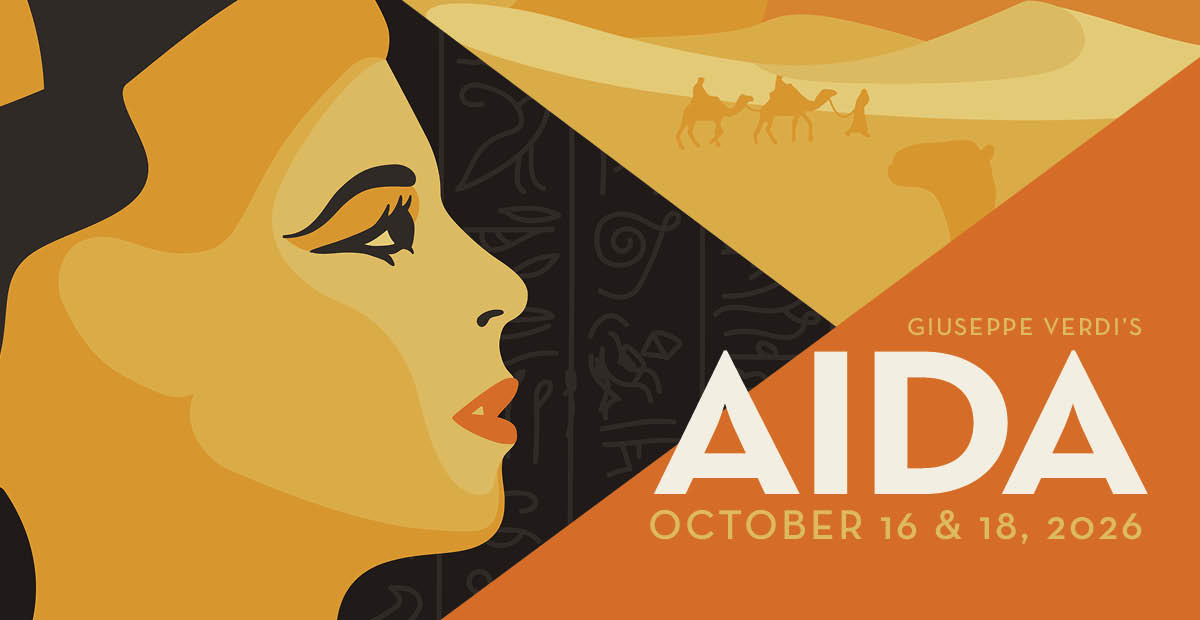
The Toledo Opera is preparing for one of the most ambitious and anticipated cultural events in its recent history: a grand-scale, fully staged production of Giuseppe Verdi’s monumental masterpiece, Aida. Marking the company’s first presentation of the opera in more than ten years, the upcoming performances scheduled for October 16 and 18 at downtown Toledo’s historic Valentine Theatre represent a major milestone for the regional arts scene.
Aida is widely regarded as the ultimate realization of nineteenth-century grand opera—a sprawling epic that marries sweeping, emotionally turbulent vocal lines with gargantuan theatrical spectacle, military pageantry, and exoticized ancient settings. For Toledo Opera, bringing this massive work back to the stage is not merely a routine programming choice; it is a definitive artistic statement. It demonstrates the company’s post-pandemic resilience, its growing financial and logistical capacities, and its ongoing commitment to offering Northwest Ohio audiences world-class operatic productions that rival those found in major international cultural capitals.
Led by conductor Adam Turner and visionary stage director Linda Brovsky, alongside choreographer Matthew Steffens, the production boasts an extraordinary roster of international vocal heavyweights. Soprano Mary Elizabeth Williams leads the ensemble in the punishing and dramatically rich title role of the enslaved Ethiopian princess, supported by tenor Brendan Boyle as the conflicted Egyptian military commander Radamès, mezzo-soprano Lauren Decker as the fiercely jealous Egyptian princess Amneris, and baritone Nmon Ford as Amonasro, Aida’s proud, captive father and King of Ethiopia.
Complementing these seasoned principals are members of the Toledo Opera’s prestigious Resident Artist program—bass-baritone Timothy Krueger, tenor Jeremy Do, and soprano Jenna Grissom—alongside a robust chorus and a troupe of professional dancers. Bolstered by the rich, passionate orchestral playing of the Toledo Symphony, this production promises to remind audiences why Aida remains the undisputed pinnacle of operatic grandeur.
Detailed Chronology and Production Framework
The Road to the Valentine Theatre
The genesis of this production traces back several years within Toledo Opera’s strategic planning committees. Staging Aida requires a staggering mobilization of resources. Unlike chamber operas or intimate lyric tragedies, Aida demands large-scale set construction, elaborate period costuming, extensive choral coordination, and a massive orchestral footprint. For a regional opera company, mounting such a work involves navigating complex financial, technical, and scheduling hurdles.
Planning for the October 16 and 18 performances began in earnest over a year prior, involving meticulous coordination between administrative leadership, artistic teams, and technical crews at the Valentine Theatre. Because the Valentine Theatre is celebrated for its historic nineteenth-century architecture and superb acoustic intimacy—rather than the cavernous backstage wings of twentieth-century mega-theaters—the production team has had to exercise extraordinary ingenuity. Stage director Linda Brovsky and set designers have crafted visual solutions that maximize the theatrical impact of ancient Egypt without overwhelming the historic proscenium arch.
Rehearsal and Integration Phase
As autumn arrives in Northwest Ohio, the production shifts from theoretical design to practical execution. Principal artists converge on Toledo weeks before opening night for intensive staging rehearsals. Under the watchful eye of Linda Brovsky, the psychological dimensions of Verdi’s drama are brought to the fore. While Aida is famous for its bombast—symbolized globally by the iconic "Triumphal March"—its enduring power lies in its intimate tragedy: a tragic love triangle set against a backdrop of geopolitical conflict and religious fanaticism.
Simultaneously, choreographer Matthew Steffens works with a dedicated ensemble of professional dancers—including Nicholas Sipes, Ryan Lindeman, Jasmine Ward, Maurice Ivy, Mike Baerga, and Holly Wilder—to craft the ballet sequences that are integral to the Egyptian court scenes. These physical interpretations bridge the gap between ancient ritual and contemporary theatrical movement, adding a vital kinetic energy to Verdi’s sweeping scores.
In the orchestra pit, conductor Adam Turner shapes the sonic landscape alongside the musicians of the Toledo Symphony. The synthesis of orchestral forces with the vocal soloists requires delicate balancing, ensuring that Verdi’s thunderous brass fanfares do not drown out the aching, pianissimo vocal vulnerabilities of the title character.
Supporting Context & Metrics: The Magnitude of Aida
A Brief History of Aida in Toledo
Toledo audiences have long harbored an intense affection for grand opera, yet logistical and economic realities have made the frequent staging of works like Aida increasingly rare for regional companies. When Toledo Opera last mounted the work over a decade ago, the landscape of regional American opera looked markedly different. In the intervening years, companies nationwide have had to navigate shifting donor demographics, economic fluctuations, and the existential shocks of the COVID-19 pandemic.
The return of Aida thus serves as a barometer of institutional health. The decision to invest in a title with notoriously high production overhead reflects robust community support, strategic fundraising, and a renewed confidence in regional arts consumption.
The Financial and Logistical Footprint
To understand the gravity of producing Aida, one must examine the metrics involved in a modern regional opera production of this scale:
- Personnel: The production unites over a hundred artists, technicians, and administrators, including principal soloists, resident artists, chorus members, professional dancers, instrumentalists, stagehands, and costume technicians.
- Orchestral Scale: The integration of the Toledo Symphony expands the pit capacity to its limits, requiring a lush string section, robust woodwinds, and an expanded brass section—including specialized instrumentation such as Egyptian trumpets for the triumphal scenes.
- Acoustical Architecture: The Valentine Theatre, with its rich Victorian-era plasterwork and horseshoe-style seating, provides an acoustic environment that magnifies vocal projection while demanding absolute precision from the pit.
- Community Economic Impact: Major cultural events of this magnitude act as economic engines for downtown Toledo, driving patronage to local restaurants, hotels, and businesses surrounding the Arts District on performance weekends.
The Artistic Roster: A Masterclass in Casting
The strength of any opera production ultimately rests upon the caliber of its vocalists. Toledo Opera has assembled an elite cast that spans major international stages:
- Mary Elizabeth Williams (Aida): Acclaimed globally for her rich, soaring soprano and commanding stage presence, Williams brings emotional depth and vocal steel to the enslaved Ethiopian princess torn between love and loyalty.
- Brendan Boyle (Radamès): Known for his heroic tenor timbre and clarion top notes, Boyle embodies the conflicted military commander whose love for Aida seals his tragic doom.
- Lauren Decker (Amneris): Possessing a deep, velvety, and commanding mezzo-soprano, Decker portrays the proud, vengeful Egyptian princess whose unrequited love drives the opera’s catastrophic plot.
- Nmon Ford (Amonasro): A celebrated baritone known for his intense dramatic portrayals, Ford commands the stage as Aida’s father, the fierce king determined to liberate his homeland.
- Toledo Opera Resident Artists: Timothy Krueger (King of Egypt), Jeremy Do (Messenger), and Jenna Grissom (High Priestess) highlight the company’s vital commitment to nurturing the next generation of operatic talent, providing professional-tier support alongside international stars.
Official Statements and Leadership Perspectives
The sheer ambition of the production has elicited profound enthusiasm from the company’s leadership. Toledo Opera Artistic Director Kevin Bylsma offered an impassioned assessment of the upcoming engagement, highlighting the exceptional alignment of talent and resources that made the production possible.
"At Toledo Opera, we have been fortunate in past seasons to bring outstanding talent to our city," Bylsma stated. "But, with great pride, I must say that this cast exceeds our wildest dreams! The principal artists assembled for this production of Verdi’s Aida would be the envy of any opera company, great or small."
Bylsma emphasized that the success of the production relies on a holistic synthesis of all theatrical elements, bridging elite international talent with homegrown institutional assets:
"These singers, combined with our talented Resident Artists, our impressive chorus, beautiful sets, expressive choreography, and of course, the vibrant, passionate playing of the Toledo Symphony, will remind everyone why Aida is considered the grandest of all grand operas!"
Stage director Linda Brovsky echoed these sentiments during early rehearsal check-ins, noting that the psychological intimacy of Verdi’s writing provides an essential anchor for the larger-than-life visual spectacle. By focusing on the human cost of empire and war, Brovsky aims to make the ancient Egyptian drama resonate urgently with contemporary audiences.
Future Outlook: Setting a New Benchmark for Regional Opera
As the curtain rises on October 16 and falls on October 18 at the Valentine Theatre, the reverberations of this production will be felt far beyond the final chord of Verdi’s ethereal final scene. For Toledo Opera, successfully mounting Aida after an absence of more than ten years establishes a new operational and artistic baseline.
In an era where regional arts organizations face intense pressure to justify their cultural relevance and financial sustainability, sweeping grand opera remains a unique asset. It offers an immersive, multisensory communal experience that cannot be replicated by digital media. By proving that a mid-sized Midwestern city can successfully support, produce, and sell out a masterwork of this scale, Toledo Opera is positioning itself as a national model for regional artistic excellence.
Looking ahead, the momentum generated by Aida is expected to inform future programming decisions, donor engagement strategies, and community outreach initiatives. As new audiences discover the visceral thrill of unamplified human voices soaring over a full symphony orchestra within the historic confines of the Valentine Theatre, the cultural vitality of Toledo’s Arts District is securely underscored for years to come.
Ticket information, performance timings, and supplementary educational programming surrounding the production can be accessed directly through the official Toledo Opera box office channels.