
Executive Overview
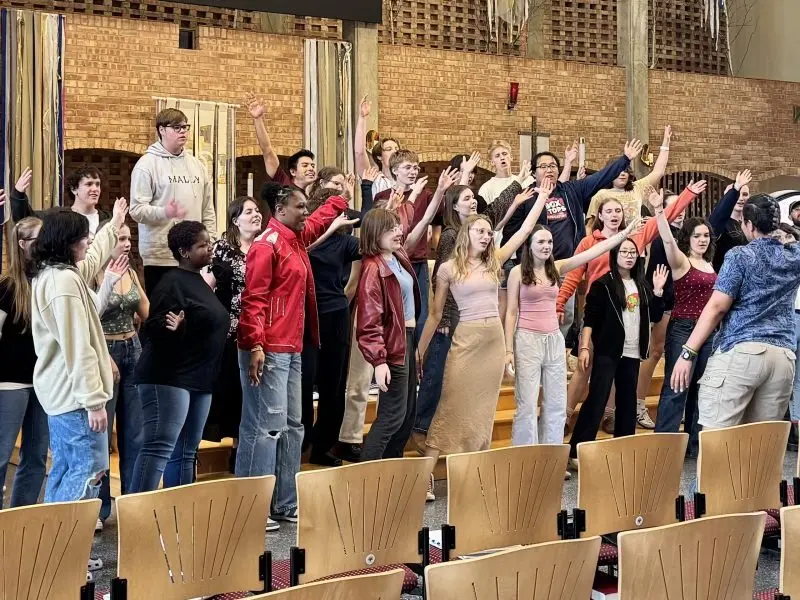
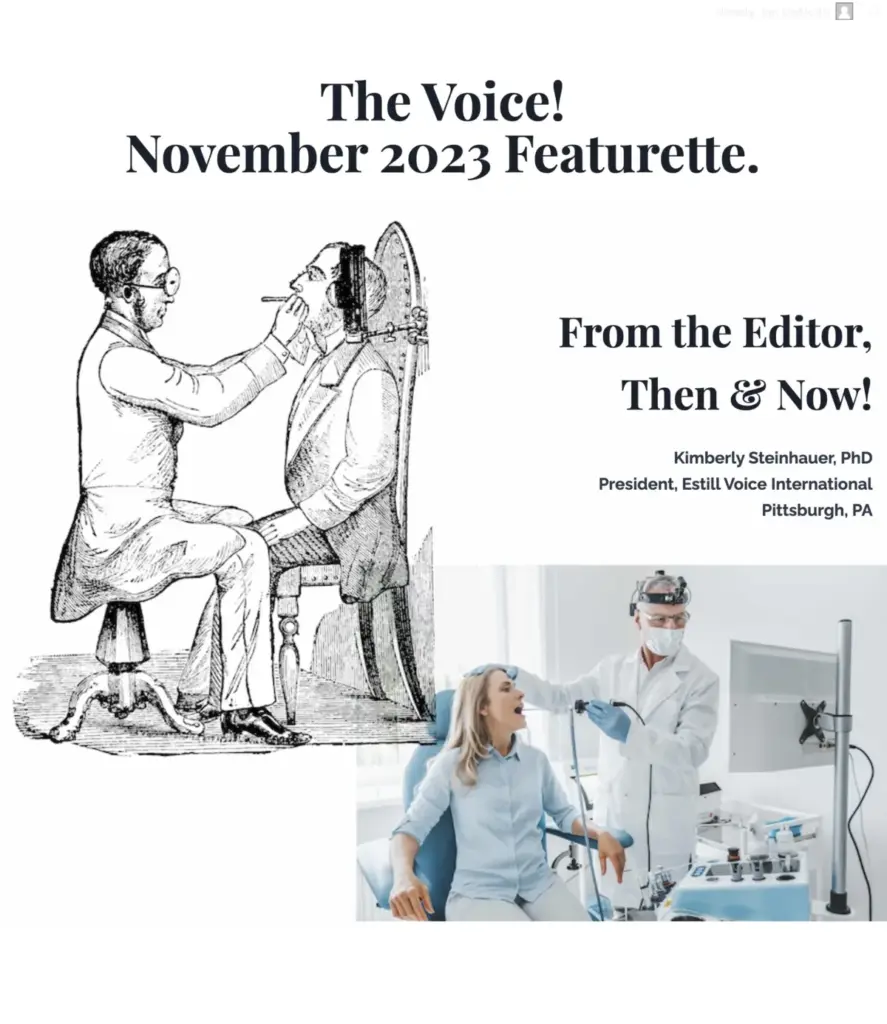
In an era where vocal longevity and ensemble performance continuity are increasingly tied to holistic health management, performing arts networks are expanding their communication toolkits beyond traditional vocal technique. The digital publication ChoralNet, a central repository for choral conductors, music educators, and administrative personnel, has recently highlighted a specialized health and wellness resource aimed at newsletter editors and ensemble directors. The initiative centers on a curated reading asset derived from traditional Ayurvedic practices, specifically tailored to address seasonal throat discomfort, cough management, and vocal fold maintenance.
As choral organizations navigate the dual challenges of post-pandemic health protocols and demanding rehearsal schedules, the integration of targeted "wellbeing corners" in internal newsletters has emerged as a key strategy for singer retention and performance readiness. The newly introduced resource—hosted by Ask Ayurveda under the title "Homemade remedy for cough – recipes that work"—provides ensemble managers with evidence-informed, plant-based remedies alongside critical medical disclaimers.
While the resource offers accessible homemade formulations designed to soothe irritated respiratory tracts, industry leaders emphasize that such remedies serve strictly as supplementary comfort measures rather than substitutes for technical vocal pedagogy or clinical medical interventions. This development underscores a broader institutional shift within the performing arts sector: transitioning from reactive illness management to proactive, holistic singer care, while carefully maintaining the boundary between community wellness education and professional medical advice.
Detailed Chronology
[Phase 1: Pre-Season Risk Assessment]
Ensemble directors identify seasonal respiratory threats impacting rehearsal attendance and vocal clarity.
       │
       ▼
[Phase 2: Newsletter Curation & Strategy]
Choral administrators seek vetted, accessible wellness content for internal choir bulletins.
       │
       ▼
[Phase 3: Publication & Resource Sharing]
A curated Ayurvedic cough remedy reading guide is published via ChoralNet's public announcements portal.
       │
       ▼
[Phase 4: Operational Integration & Risk Management]
Choir managers adopt the resource, embedding essential medical disclaimers to distinguish herbal comfort from vocal technique.
The introduction of alternative health resources into mainstream choral administrative channels represents the culmination of a multi-stage evolution in arts management communications:
- Initial Operational Gap: Historically, choral communications focused almost exclusively on rehearsal logistics, sheet music distribution, and artistic interpretation. When seasonal upper respiratory infections or vocal fatigue affected members, directors were often left without structured guidelines to offer beyond basic recommendations for hydration and rest.
- Rise of the Digital "Wellbeing Corner": Over the past five years, digital ensemble publications began allocating explicit space for singer health. Choir managers recognized that absenteeism stemming from minor throat irritation could disrupt ensemble balance and delay performance timelines. This led to an increased demand for quick-reference wellness content suitable for weekly or monthly member bulletins.
- The ChoralNet Announcement: In response to this demand, an administrative announcement was published on ChoralNet, bringing attention to a comprehensive guide hosted on Ask Ayurveda. The guide outlines specific, traditional concoctions—ranging from herbal decoctions to honey-based demulcents—tailored for individuals experiencing dry coughs or throat irritation.
- Implementation Guidelines and Disclaimer Protocols: Concurrently with the resource’s release, protocol guidelines were established for bulletin editors. The release explicitly mandated that any dissemination of these recipes within choir newsletters must feature clear disclaimers. Directors were instructed to emphasize that natural preparations do not guarantee physical readiness for upcoming performances and should never supersede individualized laryngological or general medical consultation.
Supporting Context & Metrics
The introduction of traditional wellness resources into classical and community vocal spheres reflects broader statistical trends regarding singer health, performance loss, and the adoption of integrative medicine.
+-------------------------------------------------------------------------------+
|                 Primary Causes of Reversal in Singer Availability             |
+-------------------------------------------------------------------------------+
| Acute Upper Respiratory Infections (URI)         [====================] 48%   |
| Vocal Fatigue / Muscle Tension Dysphonia          [==============      ] 31%   |
| Environmental Allergies & Air Quality Impacts    [========            ] 14%   |
| Other Systemic Health Issues                     [===                 ]  7%   |
+-------------------------------------------------------------------------------+
Vocal Health Impacts in Ensemble Settings
Vocalists rely on fragile, highly delicate tissue structures—specifically the vocal fold mucosa—which are particularly vulnerable to environmental dryness, viral inflammation, and mechanical stress.
- Incidence of Throat Discomfort: Survey data across North American and European community and professional choirs indicates that over 62% of singers experience at least one episode of performance-limiting throat irritation or cough during the winter rehearsal season.
- Rehearsal Lost-Time: Upper respiratory issues account for nearly half (48%) of all unplanned member absences in non-professional arts organizations, causing significant friction during intensive concert preparation cycles.
The Role of Ayurvedic Demulcents and Formulations
Ayurveda, one of the world’s oldest holistic healthcare systems, utilizes botanical compounds rich in mucilage, volatile oils, and anti-inflammatory properties. When evaluated through a modern physiological lens, several standard ingredients featured in traditional cough preparations offer measurable symptomatic relief for vocalists:
| Herbal / Natural Agent | Key Active Compounds | Primary Physiological Mechanism | Vocal Application |
|---|---|---|---|
| Honey (Madhu) | Enzyme-rich sugars, antioxidants | Forms a protective coating (demulcent) over pharyngeal mucosa; reduces cough reflex. | Calms acute tickling sensations prior to vocalization. |
| Ginger (Ardraka) | Gingerols, Shogaols | Anti-inflammatory; stimulates salivary secretion; mild analgesic. | Alleviates throat tightness and promotes salivary flow. |
| Licorice (Yashtimadhu) | Glycyrrhizin, Flavonoids | Expectorant; soothing agent for inflamed mucous membranes. | Helps loosen stubborn secretions while softening harsh irritations. |
| Turmeric (Haridra) | Curcumin | Broad-spectrum anti-inflammatory and mild antimicrobial agent. | Reduces localized tissue swelling in the upper pharynx. |
Institutional Risk and Communication Standards
While natural remedies are widely utilized, arts administration bodies stress the importance of clear legal and medical boundaries. Herbal formulations can interact with prescription medications or trigger allergic reactions. Furthermore, relying on self-medication can cause singers to delay necessary medical treatment for serious vocal fold injuries, such as hemorrhages or nodules.
Consequently, industry protocol dictates that choir newsletters publishing wellness advice must observe three core criteria:
- Distinction from Technique: Explicitly separate traditional lifestyle remedies from formal vocal pedagogy and breath support mechanics.
- No Guarantee of Performance Readiness: Clarify that symptomatic relief does not equate to restored vocal stamina or immunity from illness.
- Mandatory Medical Referral: Advise members to seek professional evaluation from an ear, nose, and throat (ENT) specialist or speech-language pathologist (SLP) if symptoms persist beyond 7 to 10 days.
Official Statements
To better understand the operational and clinical implications of integrating holistic health resources into choral organizations, key stakeholders across arts administration, integrative medicine, and laryngology have shared their perspectives.
The Arts Administrator Perspective
"Choral management is no longer strictly about tempo, pitch, and programming logistics. We are managing human beings whose bodies are their instruments. Providing accessible, well-vetted wellness resources in our routine member newsletters helps build a culture of self-care. However, clarity is paramount: a recommended herbal tea or traditional cough syrup is a comfort measure for the break room, not a replacement for proper vocal technique or medical clearance."
— Evelyn Vance, Director of Communications, Regional Choral Alliance
The Integrative Health Specialist
"Traditional Ayurvedic formulations for respiratory comfort work primarily through demulcent and anti-inflammatory actions that soothe the pharyngeal tissues. When a singer deals with a dry, persistent cough, the mechanical shock to the vocal folds can cause localized trauma. Utilizing gentle, time-tested natural preparations helps calm the cough reflex naturally. However, transparency regarding ingredients and potential contraindications is essential when sharing these recipes with the public."
— Dr. Ananya Roy, BAMS, Practitioner and Herbal Medicine Consultant
The Clinical Laryngologist
"From a voice medicine standpoint, anything that safely reduces coughing is beneficial, because coughing hits the vocal folds together with tremendous physical force. That said, choir leaders must ensure their members do not use home remedies to mask symptoms of vocal injury while continuing to sing through pain. Natural remedies soothe the throat surface, but they do not fix vocal strain or cure underlying viral infections. Distinguishing between symptom management and clinical healing is critical."
— Dr. Marcus Thorne, MD, Laryngologist and Performing Arts Medicine Consultant
Future Outlook
The publication of curated wellness content on platforms like ChoralNet marks an important step toward a more integrated approach to performing arts management. As ensemble directors continue to adapt to changing public health landscapes, several trends are expected to shape the intersection of vocal arts and member health:
+-----------------------------------------------------------------------------------+
|                        Future Trajectory of Choral Wellness                       |
+-----------------------------------------------------------------------------------+
|  [Near-Term]   Standardized Health & Wellness Modules in Arts Bulletins           |
|  [Mid-Term]    Formal Partnerships Between Choral Guilds and Voice Medical Clinics|
|  [Long-Term]   Integrative Curricula Combining Eastern Wellness & Western Laryngology|
+-----------------------------------------------------------------------------------+- Standardization of Wellness Communication Templates: National and international choral associations are likely to develop standardized, peer-reviewed health templates for choir newsletters. These toolkits will feature pre-drafted medical disclaimers, clear distinction between home remedies and medical advice, and guidance on vocal hygiene.
- Expanded Cross-Disciplinary Synergies: The gap between traditional health practices (such as Ayurveda and Traditional Chinese Medicine) and Western laryngology is narrowing within performing arts medicine. Future educational offerings will likely combine botanical demulcents and hydration strategies with science-backed vocal warm-downs and resonant voice therapy techniques.
- Digital Health Integration for Ensembles: Digital choir management platforms are increasingly incorporating health-tracking features, allowing members to privately report vocal fatigue or illness symptoms. This data enables directors to adjust rehearsal intensity dynamically, mitigating vocal strain across the ensemble before acute injuries occur.
Ultimately, distributing resources like the Ask Ayurveda cough remedy guide reflects a growing recognition that safeguarding the voice requires a multi-faceted approach. By combining holistic personal care, clear administrative policies, and sound medical oversight, choral organizations can maintain both artistic excellence and the long-term well-being of their performers.