
Executive Overview
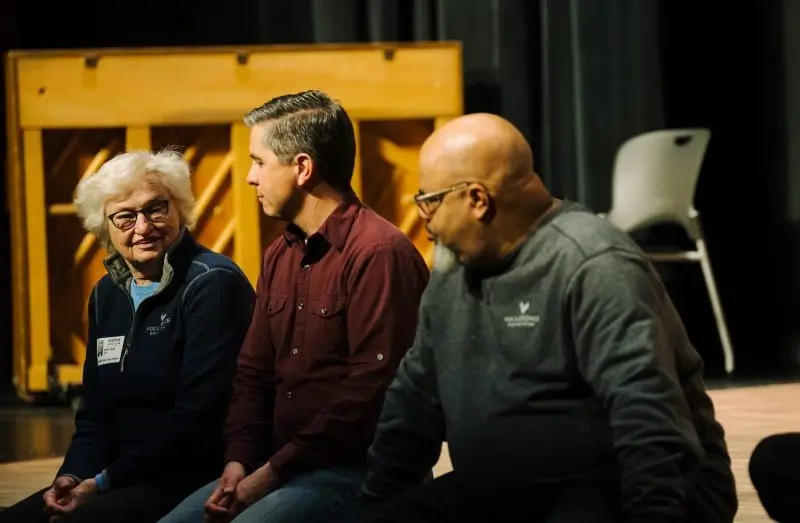
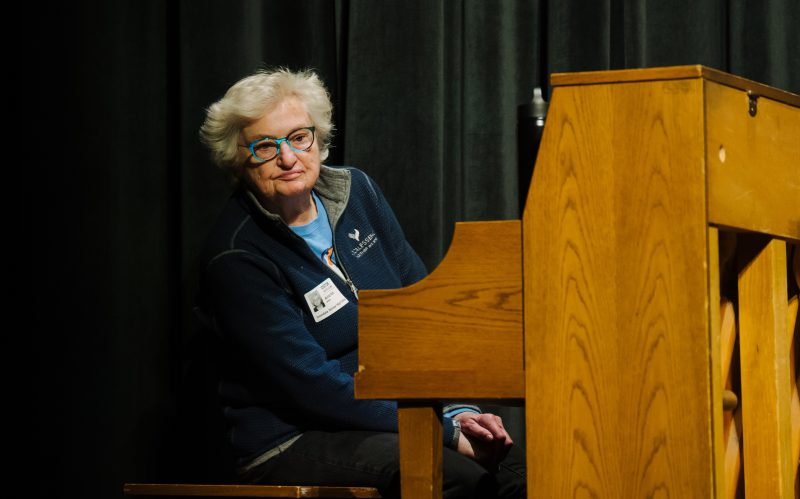
For over two decades, pianist and educator Anita Ruth has served as a cornerstone of the VocalEssence WITNESS School Program, an educational initiative that brings African American history, culture, and musical traditions into Twin Cities classrooms. What began as a chance encounter in a downtown Minneapolis cabaret thirty years ago evolved into a transformative artistic partnership with acclaimed performer and educator T. Mychael Rambo. Together, Ruth and Rambo have navigated hundreds of school residencies, utilizing the power of music to teach the history of enslaved Africans while building inclusive learning environments for vulnerable and disengaged students.
The trajectory of Ruth’s tenure illustrates a broader systemic truth within modern pedagogy: arts-integrated education acts as a critical intervention tool for neurodivergent students and those coping with severe emotional and learning disabilities. By bringing historical spirituals and contemporary choral works into specialized classrooms, Ruth and the VocalEssence Teaching Artist cohort demonstrate how music can bridge communication gaps where traditional instructional methods falter.
As public education continues to address post-pandemic learning gaps and emotional dysregulation among K-12 students, the long-term impact of the VocalEssence WITNESS model offers a blueprint for non-traditional humanities instruction. Ruth’s primary-source reflections highlight the pedagogical necessity of preserving African American spirituals, demonstrating that cultural arts programming remains a key asset in public school outreach.
Detailed Chronology
[c. 1994] ------------------ Initial Meeting: Anita Ruth & T. Mychael Rambo at Ruby's Cabaret
[Late 1990s] --------------- First Collaboration with Plymouth Music Series (now VocalEssence)
[Early 2000s] -------------- Ruth Transitions from Accompanist to Full Teaching Artist
[2000s–Present] ------------ Over 20 Years of WITNESS School Residencies & Workshops
[Undated Residency Milestone] Breakthrough Moment with Non-Verbal 4th-Grade Student
1. The Minneapolis Encounter (Circa 1994)
The foundation of Ruth’s work with VocalEssence was laid approximately thirty years ago at Ruby’s Cabaret, a prominent venue in downtown Minneapolis. Ruth, an established local musician and accompanist, met T. Mychael Rambo during a performance series. Rambo, already a respected vocalist, actor, and educator in the Twin Cities cultural landscape, formed an immediate artistic rapport with Ruth. This casual nightclub engagement established a creative partnership that would eventually pivot from public entertainment to community-based educational advocacy.
2. Transition to the WITNESS Program (Late 1990s)
Shortly after their initial collaboration, Rambo invited Ruth to accompany him during a series of school auditorium performances hosted by the Plymouth Music Series—the organization founded by Philip Brunelle that would later rebrand as VocalEssence. At the time, the organization’s WITNESS program was expanding its reach across Minnesota, aiming to highlight the contributions of African American artists to mainstream American culture.
During an auditorium performance early in their joint tenure, Rambo broke script mid-show, turning to Ruth behind the keyboard to ask: "What are you doing behind that piano?"
This improvised moment marked a turning point in Ruth’s career. Recognized by Rambo for her interactive capabilities and empathetic presence, Ruth was encouraged to step into the role of a co-leading Teaching Artist. With Rambo’s mentorship and advocacy, Ruth formally joined the VocalEssence roster, shifting her focus from passive accompaniment to active classroom instruction and workshop facilitation.
3. Expansion of Classroom Residencies (2000s–Present)
Over the subsequent two decades, Ruth and Rambo designed and delivered interactive curricula across urban, suburban, and rural school districts in Minnesota. Their workshops focused on the history of African American Spirituals, examining how these musical structures served as mechanisms of survival, covert communication, and emotional resilience for enslaved people.
Working alongside educator partners—such as teacher Jason Etten—and fellow VocalEssence Teaching Artists, Ruth helped scale the WITNESS School Program’s reach, bringing live musical instruction to thousands of elementary and secondary students annually.
4. The Special Education Classroom Breakthrough
Throughout her tenure, Ruth frequently worked within high-needs educational environments, including classrooms dedicated to students with severe emotional, behavioral, and learning disabilities. During one specific residency, Ruth and Rambo were warned by school staff about a fourth-grade female student who was entirely non-verbal, isolated from her peers, and habitually refused to participate in any group activities.
During the session, Ruth and Rambo began teaching the class a choral work by singer-songwriter and activist Melanie DeMore. As the lesson progressed, the disengaged student—who had initially positioned herself away from the group, staring out the classroom window—began incrementally moving toward the music.
[Student isolated at window]
       │
       ▼ (Rhythmic engagement begins)
[Edges closer to group over 10-minute period]
       │
       ▼ (Direct invitation extended)
[Approaches piano; accepts invitation to sit on bench]
       │
       ▼ (Active participation achieved)
[Picks up tambourine and joins performance]
Within ten minutes, the student had traversed the room and stood adjacent to the instrument. Ruth paused to invite the girl onto the piano bench beside her. The student verbally responded with a clear "Yes!"—surprising classroom educators—before reaching for a tambourine and actively playing along with the ensemble. This event remains a foundational case study within the VocalEssence Teaching Artist methodology, illustrating how low-stakes, rhythmically grounded environments can unlock communication for traumatized or neurodivergent youth.
Supporting Context & Metrics
The Organizational Architecture of VocalEssence WITNESS
Originally established under the Plymouth Music Series banner, VocalEssence created the WITNESS program to directly address the systemic underrepresentation of African American composers, musicians, and historical narratives in standard K-12 arts curricula. The program operates on a dual-tiered model:
- In-School Residencies: Professional Teaching Artists spend concentrated time in partner classrooms, integrating music history into core humanities subjects.
- Young People’s Concerts: Residencies culminate in large-scale performances where students synthesize their classroom learning by attending live concerts featuring the VocalEssence Ensemble Singers and regional guest artists.
┌───────────────────────────────────────────────────────────┐
│              VocalEssence WITNESS Architecture            │
├──────────────────────────────┬────────────────────────────┤
│ In-School Residencies        │ Young People's Concerts    │
├──────────────────────────────┼────────────────────────────┤
│ • Interactive workshops      │ • Professional staging     │
│ • Historical contextualization│ • Direct student participation│
│ • Direct artist mentorship   │ • Large-scale choral works │
└──────────────────────────────┴────────────────────────────┘
Neurodevelopmental Impact of Music in Special Education
The practical outcomes observed by Ruth and Rambo align closely with contemporary clinical research regarding music therapy and executive function in special education settings. According to studies in music cognition and developmental psychology, structured rhythmic activities stimulate neural pathways that traditional speech and literacy exercises often fail to engage.
| Neurological/Behavioral Domain | Impact of Arts-Integrated Interventions (e.g., WITNESS Residencies) |
|---|---|
| Auditory Processing | Rhythm patterns assist students with processing difficulties in organizing sequential information. |
| Emotional Regulation | Collective singing lowers cortisol levels and reduces defense mechanisms in anxious or traumatized learners. |
| Social Cohesion | Shared musical pulse creates non-verbal solidarity, reducing feelings of isolation among non-verbal students. |
| Historical Retention | Narrative lyrics attached to melodies enhance long-term memory retrieval of complex historical concepts. |
By utilizing songs rooted in call-and-response dynamics—a core characteristic of African American Spirituals—Ruth and Rambo created low-friction entry points for students who experience performance anxiety or speech delays.
Official Statements
Primary Reflections from Anita Ruth
Reflecting on her twenty-plus years as a VocalEssence Teaching Artist, Ruth emphasized the dual responsibility of historical preservation and educational access:
"While doing a show at Ruby’s Cabaret in downtown Minneapolis some thirty years ago, I met a lovely gentleman. T. Mychael Rambo was his name, a man with a sweet voice and a lovely regard for anyone he met. Little did I know that he would change my life and we would become lifelong friends.
"T. Mychael asked me to accompany him during some auditorium shows he was doing for the then Plymouth Music Series WITNESS program. After doing a few of these performances, he turned to me onstage and said, ‘What are you doing behind that piano?’ That was the day my life changed—so much for the better. With T. Mychael’s support and modeling, I became a full-fledged WITNESS artist.
"Together with T. Mychael, we were able to bring the true history of enslaved Africans to the students who needed to know this story. And best of all, we brought the story to hundreds of students through music. T. Mychael is a wonderful interpreter of the songs created by enslaved Africans—the Spirituals. The effect of the enrichment of African American history that VocalEssence Teaching Artists provide is invaluable."
On the therapeutic breakthroughs witnessed in specialized classroom settings, Ruth added:
"In one particular instance, we were told that a young girl, a fourth grader, refused to speak or participate in any activities in the classroom. We were teaching the kids a wonderful Melanie DeMore song, and she was sitting away from the class, looking out the window.
"As we were teaching, I could see she was edging closer to the group. After ten minutes, she had worked her way to the piano. I asked if she wanted to sit with me on the bench, and she said, ‘Yes!’ The teacher was amazed at that, but even more so when she picked up a tambourine and started to play with us. It was truly an example of the power of music."
Future Outlook
Sustaining Arts-Integrated History Education
As school districts across North America face tightening budgets and an increased focus on standardized testing, programs like VocalEssence WITNESS face both operational challenges and heightened demand. Educational policy analysts stress that removing arts programming from vulnerable schools disproportionately impacts students who rely on creative outlets for social-emotional development.
To ensure the long-term sustainability of the Teaching Artist model pioneered by Ruth, Rambo, and their peers, VocalEssence is pursuing several key strategic initiatives:
- Digital Curriculum Expansion: Archiving workshop modules, historical documentation, and vocal demonstrations to ensure rural and under-resourced schools can access the WITNESS curriculum asynchronously.
- Teacher Professional Development: Conducting specialized training sessions for general education and special education teachers, providing them with rhythmic and musical tools to maintain inclusive classroom dynamics after artist residencies conclude.
- Next-Generation Artist Mentorship: Pairing veteran Teaching Artists like Ruth and Rambo with emerging multicultural educators to pass on specialized methodologies for teaching sensitive historical material through performance.
The work of Anita Ruth over the past two decades demonstrates that music education extends far beyond technical proficiency; it functions as an essential medium for historical truth-telling, emotional healing, and educational equity. As VocalEssence expands its regional footprint, the collaborative model established by Ruth and Rambo remains a foundational pillar of the organization’s mission.