
Executive Overview
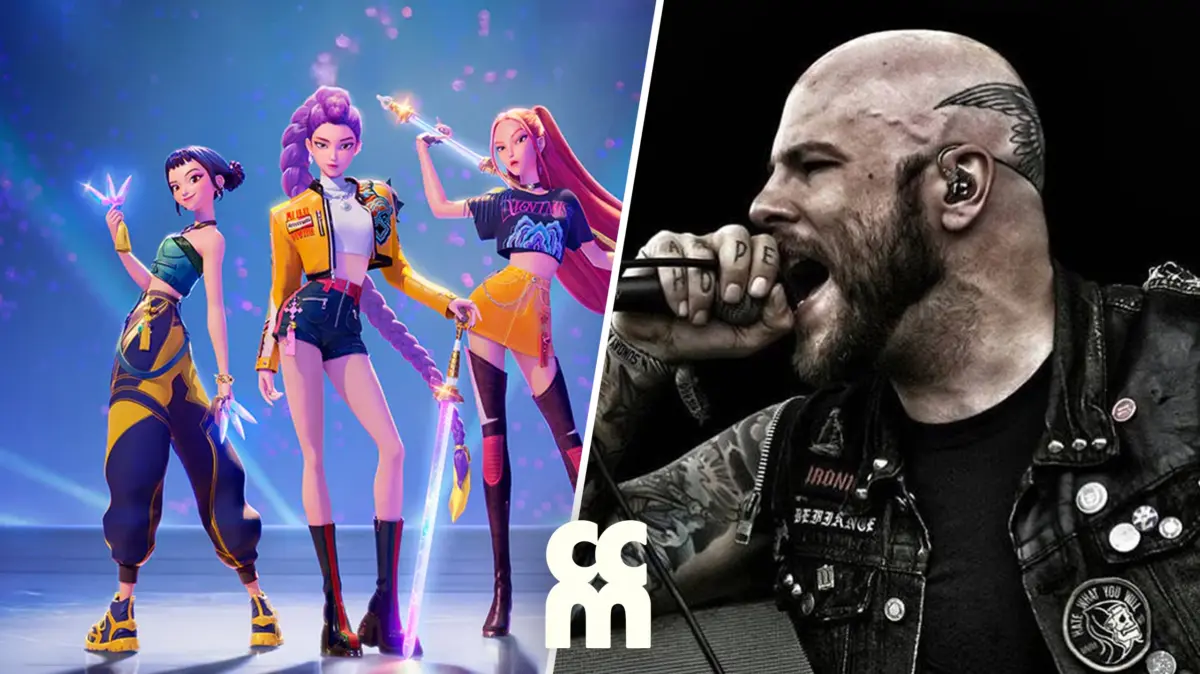
In the sprawling landscape of modern intellectual property litigation, copyright and trademark disputes routinely pit David against Goliath. However, few recent legal battles possess the bizarre cultural friction, comedic irony, and existential business threat of the federal lawsuit recently filed by veteran Christian metal band Demon Hunter against entertainment behemoth Netflix, Netflix Studios, and concert promoter AEG Presents.
At the center of this legal storm is Hyde Lane—the corporate entity representing the Pacific Northwest-based metalcore act—and Netflix’s runaway pop-culture juggernaut, KPop Demon Hunters. Filed in federal court, the lawsuit alleges trademark infringement, unfair competition, and false designation of origin. While the headline initially reads like a surreal internet meme, a deeper dive into the legal filings reveals a legitimate corporate grievance. For nearly a quarter-century, Demon Hunter has meticulously built its brand, releasing critically acclaimed records, touring internationally, and cultivating a fiercely loyal fanbase under a distinct moniker.
Now, the band finds its decades-old identity sharing valuable search engine real estate, merchandise categories, and live-touring spaces with a multi-billion-dollar global entertainment franchise. The consequences are no longer theoretical. Real-world brand confusion has already manifested, highlighted by a widely reported incident wherein a bewildered parent accidentally spent $500 on top-tier tickets for a heavy metal show, believing they were purchasing family-friendly entertainment for their young daughters.
This comprehensive report examines the anatomy of the lawsuit, the timeline of events, the underlying economic realities of modern branding, and the potential implications for both independent legacy acts and massive streaming empires.
Detailed Chronology: From Underground Metalcore to a Streaming Showdown
To understand why a niche heavy metal band is taking on one of the most powerful corporations on the planet, it is necessary to examine the long timelines and trajectories of both entities involved in the dispute.
The Rise of Demon Hunter (2000–2024)
Formed in Seattle, Washington, in 2000 by brothers Ryan and Don Clark, Demon Hunter emerged during a transformative era for heavy music. While rooted in the stylistic aggression of metalcore, thrash, and alternative metal, the band distinctively integrated their Christian faith into their lyrical themes and identity—a position that eventually earned them mainstream recognition, including Dove Award nominations.
Over the course of 24 years, Demon Hunter operated with remarkable consistency. They released a succession of studio albums through prominent independent heavy music labels like Solid State Records, established an extensive global touring footprint, and built a robust e-commerce operation selling branded apparel, vinyl, and collectibles. Throughout this quarter-century grind, the name "Demon Hunter" functioned not merely as a band name, but as a heavily guarded commercial trademark representing a specific suite of goods and services in the global marketplace.
The Arrival of KPop Demon Hunters
Enter Netflix. As the streaming giant aggressively expanded its original content library to capture international and family-oriented demographics, it greenlit and released KPop Demon Hunters. What began as an animated feature film rapidly ballooned into a multi-media phenomenon. The property transcended the screen, bleeding heavily into the music industry through official soundtracks, digital streaming singles, and extensive physical merchandise lines.
The tipping point for the litigation, however, arrived when Netflix partnered with live-entertainment titan AEG Presents. Together, they mapped out an ambitious, global KPop Demon Hunters concert tour slated to hit approximately 150 cities worldwide.
According to the lawsuit, this aggressive expansion into the live music and touring sector crossed a critical boundary. By moving aggressively into merchandise, soundtracks, and live concert production, Netflix and its partners allegedly created an "almost complete overlap" with the commercial territory that Hyde Lane had occupied and defended for decades.
Supporting Context & Metrics: The Mechanics of Trademark Law and Brand Confusion
Trademark law exists primarily to protect consumers from confusion and to safeguard businesses from having their hard-earned goodwill diluted by competitors. To evaluate Demon Hunter’s claims, legal analysts examine several key factors: priority of use, scope of expansion, and actual consumer confusion.
Senior vs. Junior Users
In trademark jurisprudence, the "senior user" is the party that first adopts and uses a mark in commerce. There is little debate regarding this timeline: Demon Hunter has utilized its moniker since the year 2000, long before the conceptualization of Netflix’s animated property. Consequently, the band holds senior user status within the United States trademark registry for relevant classes of goods and services.
The challenge for junior users—in this case, Netflix and AEG Presents—arises when their brand expansion infringes upon the senior user’s established market. While streaming a fictional movie about animated K-pop stars might not inherently cause market friction with a heavy metal band, the leap into music production, global touring, and targeted merchandise creates direct competition in the eyes of federal trademark statutes.
The Anatomy of Brand Confusion
Courts routinely evaluate whether a reasonable consumer is likely to be confused about the source, sponsorship, or affiliation of competing products. In intellectual property litigation, anecdotal evidence of actual confusion is considered gold.
The lawsuit highlights a glaring real-world example that bridges the gap between legal theory and dark comedy: a consumer mistakenly spent roughly $500 on premier tickets for an upcoming Demon Hunter metal concert in Albany, New York, under the mistaken impression that they were purchasing tickets to take their 5- and 6-year-old daughters to see KPop Demon Hunters. Upon realizing their error, the purchaser reached out to the band’s management frantically seeking a refund.
While the mental image of an unsuspecting family walking into a blistering, heavy-distortion metalcore performance—complete with aggressive guttural vocals, flashing strobes, and moshing fans—offers undeniable comedic value, it underscores the core legal argument: the confusion is real, quantifiable, and financially impactful.
Economic and Reputational Damages
Beyond isolated ticketing errors, the lawsuit asserts that the vast promotional footprint of a trillion-dollar company utterly dwarfs an independent legacy metal band’s marketing budget. When millions of dollars are funneled into marketing KPop Demon Hunters globally, the internet search dominance of the keyword phrase "Demon Hunter" shifts dramatically. For a working band that relies on digital discoverability, merchandise sales, and ticket revenue, being drowned out by a massive corporate entertainment entity can result in severe commercial and reputational harm.
Official Legal Demands and Demographics
Hyde Lane’s complaint does not ask for a minor settlement; it seeks comprehensive legal remedies under federal trademark law. The documented demands include:
- Preliminary and Permanent Injunctions: An order preventing Netflix, Netflix Studios, and AEG Presents from utilizing the infringing branding in ways that directly overlap with the band’s established commercial footprint.
- Statutory and Actual Damages: Financial compensation for lost revenue, brand dilution, and market displacement.
- Disgorgement of Profits: A demand for the profits associated with the allegedly infringing branding and merchandise sales.
- Attorneys’ Fees and Costs: Reimbursement for the substantial legal expenses incurred in prosecuting the federal action.
- A Jury Trial: A formal request for a trial by jury to adjudicate the disputed facts regarding consumer confusion and market overlap.
Legal experts note that while securing a massive payout from a corporate conglomerate like Netflix is notoriously difficult, high-profile trademark suits often result in strategic settlement negotiations, corporate rebranding of specific merchandise lines, or financial licensing agreements.
Future Outlook: Precedents and Broader Implications
As the case continues to wind its way through the federal court system, legal scholars and entertainment insiders are watching closely to see how the judiciary handles the intersection of legacy indie branding and modern streaming content empires.
The "Goodwill" Argument
For Demon Hunter, this lawsuit is ultimately about survival and legacy. Over 24 years, the band has survived the near-total collapse of physical record sales, shifts in musical tastes, and the continuous evolution of digital streaming platforms. To watch a massive corporate entity casually deploy a nearly identical trademark into overlapping sectors threatens to eclipse decades of foundational work.
The Entertainment Landscape Moving Forward
As streaming services increasingly morph into multi-faceted product ecosystems—simultaneously producing films, releasing interactive soundtracks, orchestrating global tours, and pushing physical merchandise—the potential for intellectual property collisions with traditional artists will only escalate.
Whether the courts ultimately validate Demon Hunter’s claims or rule in favor of Netflix’s fair-use and distinct-market defenses, the lawsuit has already established a fascinating legal precedent. It serves as a sharp reminder to massive corporations that legacy independent artists retain enforceable rights to their names—even when those names unexpectedly find themselves caught in the crosshairs of a global pop-culture phenomenon.