
Executive Overview
For the musical theatre performer navigating the rigorous landscape of Broadway, the Great White Way is simultaneously a dream realized and a golden cage. Eight shows a week, an ensemble of understudy tracks, and strict vocal preservation schedules mean that actors are rarely afforded the opportunity to stretch beyond the confines of Rodgers and Hammerstein, Sondheim, or contemporary pop-rock musical scores. Enter Broadway Night Off, a weekly performance series hosted at Madame George, an ultra-exclusive, subterranean speakeasy nestled at 45 West 45th Street in Midtown Manhattan.
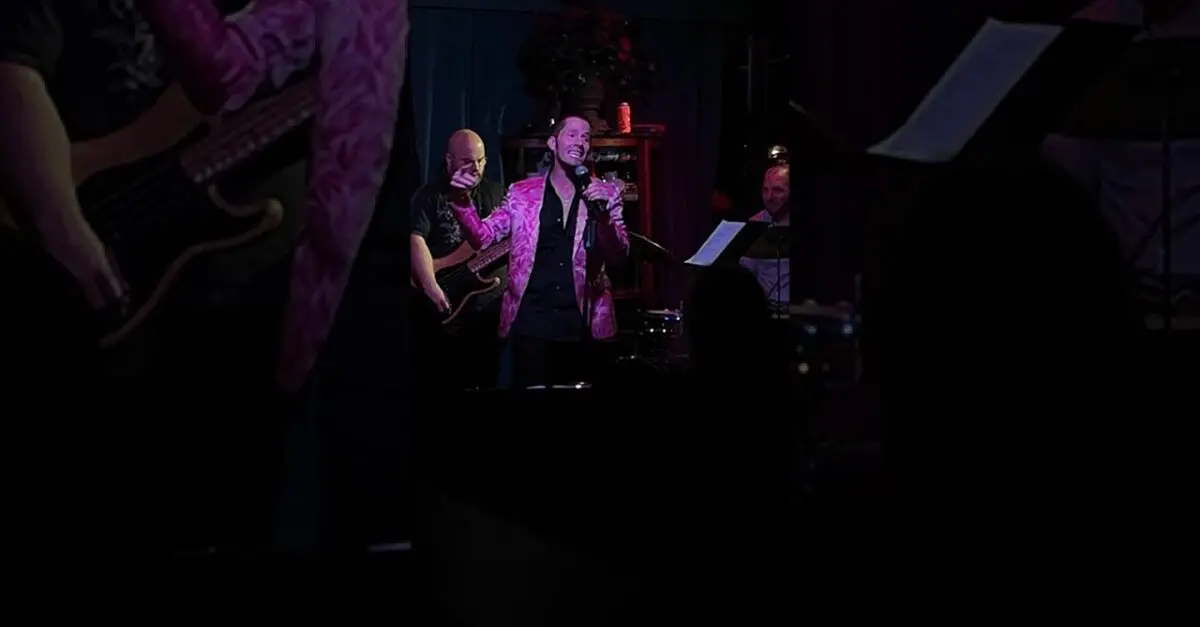
Curated by music manager and talent booker Danny Lipsitz, the Monday-night residency offers a rare, unfiltered counter-programming experiment. The core premise is brilliantly subversive: Broadway actors are invited to the stage under one strict, liberating condition—they must sing anything except Broadway music. The result is a vibrant, deeply personal musical laboratory where stars of shows like Hamilton, Motown the Musical, Caroline, or Change, and Newsies trade the safety nets of established character arcs for the raw, unadorned vulnerability of jazz standards, classic rock anthems, soul power-ballads, and rhythm-and-blues staples.
On August 24, 2026, the series delivered another masterclass in artistic reinvention, anchored by headliners N’Kenge and Thayne Jasperson, special guest appearances by Darnell White and Blaine Krauss, and the sharp, charismatic guidance of host Diva LaMarr. As the series continues to draw rapturous crowds into its hidden, plush-carpeted cavern, Broadway Night Off has quickly solidified its status as New York City’s premier destination for theatrical escapism. Beyond the performances themselves, the residency reflects a broader cultural shift in how performers reclaim their agency, offering an intimate bridge between artists and audiences that simply cannot be replicated beneath the towering proscenium arches of traditional Broadway houses.
Detailed Chronology: A Night of Genre-Defying Revelry at Madame George
The evening of August 24 unspooled across three meticulously curated musical sets, transforming the subterranean lounge into a dynamic sonic tapestry. True to the ethos of Madame George, the ambiance prior to the first downbeat was a masterclass in atmospheric contrast—skirting the frantic pace of Midtown Manhattan streets through a doorway marked only by a projected sidewalk logo and a mandatory, secret knock.
Set One: Establishing the Groove
Before the evening’s marquee vocalists took the spotlight, the house band—featuring Jack Redsecker on keyboard, PJ Roberts on bass, and Alex Raderman on drums—established an effortless, swinging foundation. Dispensing with preamble, the trio launched into an instrumental suite that set an immediate, sophisticated tone for the night.
The setlist served as a historical tour of American popular music, opening with Herbie Hancock’s modal jazz-funk classic "Cantaloupe Island." The band then pivoted smoothly into the timeless warmth of "I Can’t Give You Anything But Love," before leaning into the soulful pocket of Stevie Wonder’s "The Way You Make Me Feel." The instrumental journey culminated with the gritty delta atmosphere of the "St. Louis Blues" and the wistful, romantic nostalgia of "A Nightingale Sang in Berkeley Square." This opening salvo grounded the room, reminding the audience that while the venue is famed for its theatrical clientele, the musical bedrock of the evening is rooted in genuine, improvisational musicianship.
Set Two: Vocal Fireworks and Genre-Splitting Surprises
As the energy in the room shifted, host Diva LaMarr took command of the floor. Known for her razor-sharp wit and seamless audience engagement, LaMarr serves as the narrative glue of the evening, interviewing performers between numbers to unearth the stories behind their song choices. LaMarr kicked off the second set with a rousing, roof-raising rendition of "Let the Good Times Roll," instantly dissolving any lingering stiffness in the room.
Thayne Jasperson—whose extensive Broadway credits include foundational runs in Hamilton, Matilda the Musical, and Newsies—then stepped up to the microphone. Swapping his revolutionary dance boots for the microphone stand, Jasperson delivered a haunting, acoustic-leaning interpretation of Tom Jones’s "Delilah," followed by an emotionally resonant, deeply personal take on Vanessa Carlton’s noughties pop anthem "A Thousand Miles."
The surprises continued as special guest Darnell White took the stage. Channeling the soulful, gospel-infused gravity of Bob Dylan’s songwriting, White delivered a spine-tingling version of "Knocking On Heaven’s Door" that had patrons setting down their cocktails to listen in absolute stillness.
To close out the second set, Broadway powerhouse N’Kenge (Caroline, or Change, Motown the Musical, Sondheim on Sondheim) commanded the room. With a vocal instrument capable of shattering glass and warming a room simultaneously, N’Kenge bridged generations with back-to-back anthems of survival and self-actualization: Gloria Gaynor’s disco touchstone "I Will Survive" and Aretha Franklin’s soul-stirring masterwork "(You Make Me Feel Like) A Natural Woman." The room erupted into cheers, cementing the mid-evening high-water mark.
Set Three: The Grand Crescendo
With the momentum cresting, Diva LaMarr opened the final set of the evening with a sultry, theatrical delivery of Cab Calloway’s "Minnie The Moocher," expertly pulling the audience into a call-and-response refrain that echoed against the lounge’s subterranean walls.
Thayne Jasperson returned for his second spotlight of the night, tackling the formidable vocal demands of rock royalty with Queen’s "Somebody to Love," before shifting gears into the melancholic pop-rock textures of Roxette’s "It Must’ve Been Love."
N’Kenge then reclaimed the stage for a second tour-de-force performance, effortlessly transitioning from the slow-burn jazz elegance of Etta James’s "At Last" to the pulse-pounding, synth-heavy euphoria of Whitney Houston’s "I Wanna Dance With Somebody."
Adding a final layer of artistic synergy, special guest Blaine Krauss—another esteemed alumnus of Hamilton—stepped forward to deliver an earth-shattering cover of Simon & Garfunkel’s "Bridge Over Troubled Water." Krauss’s soaring tenor utilized the intimate acoustics of the room to full effect, leaving scarce a dry eye in the house as the final notes resonated through the subterranean lounge.
Supporting Context & Metrics: Behind the Curtain at Madame George
To fully understand the cultural phenomenon of Broadway Night Off, one must examine the physical and operational mechanics that make the residency possible. Located at 45 West 45th Street, Madame George operates in a architectural sweet spot of New York nightlife: hidden, discreet, and fiercely devoted to comfort.
The Speakeasy Aesthetic
The venue’s physical layout contributes directly to the artistic freedom experienced by the performers. Eschewing traditional neon signs or street-facing marquees, the venue relies solely on a subtle projection cast onto the Midtown sidewalk. Guests must knock upon the heavy wooden door to gain entrance—a theatrical threshold that instantly detaches patrons from the commercial glare of Times Square.
Inside, the subterranean space is designed as an antidote to the sterile, cavernous feel of modern cocktail dens. General Manager Fionnan Gallagher oversees a front-of-house staff known for its attentive, genial hospitality, ensuring that the lounge overflows with tangible warmth. Plush velvet chairs, deep-cushioned couches, and dim, amber lighting create an environment of confidentiality and trust. It is this psychological safety that allows actors who spend their weeks performing under the microscopic scrutiny of thousands of tourists to let their guards completely down.
Curation and Mixology
While the sonic curation is steered by Danny Lipsitz—who carefully balances established Broadway heavyweights with rising underground talents—the beverage program is equally meticulous. Mixologist Marshall Minaya has curated a classic cocktail menu that updates Prohibition-era staples with modern botanical profiles, complemented by a rotating menu of artisanal, shareable bites.
+---------------------------------------------------------------------------------+
|                        MADAME GEORGE: BY THE NUMBERS                            |
+--------------------------+------------------------------------------------------+
| Location                 | 45 West 45th Street, Subterranean Level, NYC         |
| Weekly Frequency         | 6 Nights a Week (Music Programmed)                   |
| Broadway Night Off       | Mondays (3 Dedicated Musical Sets)                   |
| Cover Charge             | $10.00 Standard                                      |
| Key Operational Staff    | Fionnan Gallagher (GM), Danny Lipsitz (Talent Booker)|
| Signature Offerings      | Classic Cocktails by Marshall Minaya, Shareable Bites|
+--------------------------+------------------------------------------------------+
Operationally, the event remains remarkably accessible. While priority seating requires advanced reservations through platforms like OpenTable alongside modest minimum spends, the standard cover charge for Broadway Night Off is held at an approachable $10.00. Additionally, the bar hosts a daily Broadway Happy Hour from 5:00 PM to 7:00 PM, serving as a popular pre-theatre and post-audition watering hole for the local theatrical community.
Official Statements and Artistic Philosophy
The genesis and ongoing success of Broadway Night Off lie in its radical artistic premise. Speaking on the core philosophy of the residency, talent booker and music manager Danny Lipsitz has previously articulated the profound psychological need for the series to Playbill:
"The weekly performances allow Broadway actors the opportunity to sing ‘anything except for Broadway music—what would they never get a chance to sing on the big stage.”
This simple boundary—prohibiting the exact material that pays these performers’ salaries—transforms the stage into a playground of unfulfilled artistic desires. For artists like N’Kenge, who has spent her career inhabiting complex theatrical characters in demanding book musicals like Caroline, or Change, the series offers a rare chance to connect with audiences purely as a vocal stylist, interpreting the great American pop, soul, and rock canons without the narrative baggage of a script.
Similarly, ensemble members and principal swings like Thayne Jasperson find within the walls of Madame George an outlet to explore vocal registers and genres—such as classic stadium rock and contemporary acoustic pop—that do not fit within the rigid sonic parameters of historical hip-hop musicals or Disney theatrical adaptations. Host Diva LaMarr ties this philosophy together through unscripted stage banter, bridging the gap between performer and spectator by framing each song choice as an intimate confession of personal musical influence.
Future Outlook: A Growing Legacy in Midtown Manhattan
As Broadway Night Off looks toward the autumn of 2026, the series shows no signs of slowing its relentless momentum. The upcoming calendar reads like a who’s who of modern theatrical royalty, promising an eclectic mix of vocal powerhouses and rising stars over the coming weeks:
- August 31, 2026: Mia Gentile and Julie Benko
- September 7, 2026: Treston Henderson and Kay Sibal
- September 14, 2026: Kwame Michael Remy
- September 21, 2026: Rebecca Larkin and Krystal Hernandez
- September 28, 2026: Aisha Jackson
- October 5, 2026: Zurin Villanueva and Noah Marlowe
These upcoming bookings demonstrate Lipsitz’s commitment to maintaining a diverse roster that spans generations of Broadway talent—from seasoned veterans of long-running blockbusters to fresh faces defining the future of the American stage.
In an era where New York City nightlife is increasingly dominated by corporate standardization and soaring ticket prices, Madame George’s Broadway Night Off stands as a defiant, soulful exception. By offering a subterranean sanctuary where Broadway’s finest can shed their professional constraints and bare their musical souls, the venue has created something infinitely precious: a space where the magic of live performance is stripped to its barest, most joyful essentials. For theatre lovers willing to knock on the unmarked door at 45 West 45th Street, Monday nights in Midtown will never be the same again.