
Executive Overview
In an era defined by economic instability, shifting cultural paradigms, and the quiet grief of unrealized potential, the contemporary American musical stage is increasingly turning toward intimate, existential reckonings. Enter So Far, So Good, a compelling new musical written, composed, and lyricized by rising talent Tevi Eber. The production captures a zeitgeist that few theatrical works have dared to tackle head-on: the agonizing disillusionment felt by individuals coming of age at the turn of the 21st century.
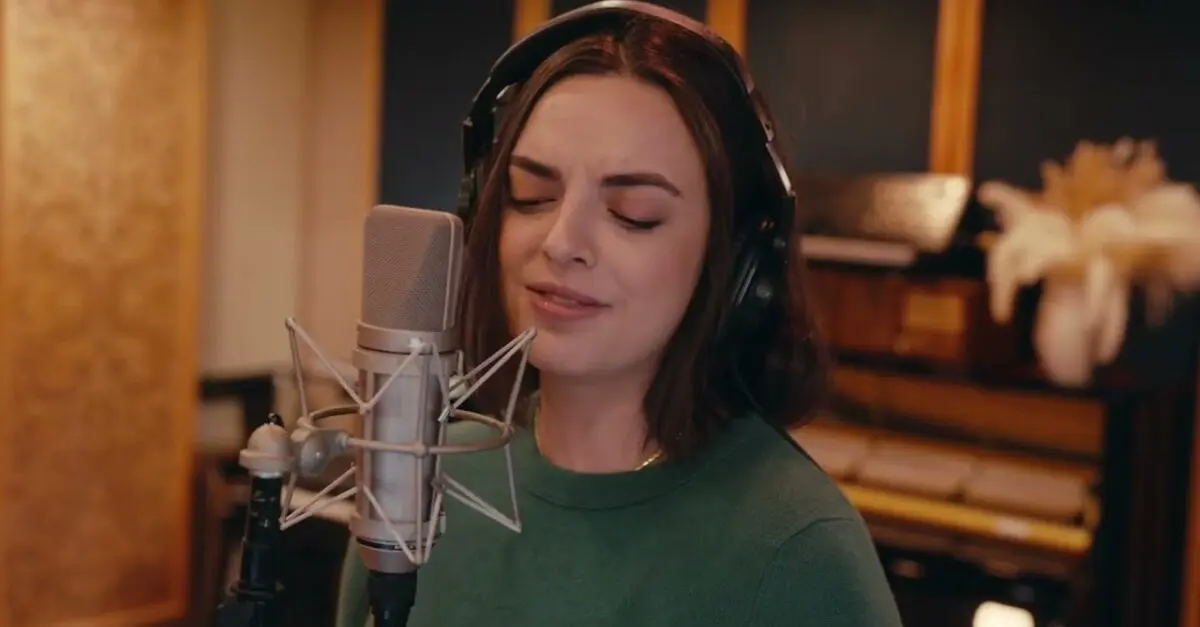
The project has taken a major step forward with the release of a professionally produced music video for the soaring, emotionally charged track "Dear Lorraine." The performance features Broadway powerhouse Talia Suskauer, widely recognized for her stellar turn in Wicked, lending her soaring soprano and dramatic nuance to Eber’s intricate score. This digital release serves as the opening salvo in a planned rollout of media content designed to build anticipation for the musical’s eventual world premiere.
At its core, So Far, So Good is an allegory for a generation that was promised the moon, only to inherit an economy of shrinking margins, failing institutions, and fractured personal lives. The plot centers on Andy and Amy, a married couple navigating the twilight of their youth while serving as arts professors at their own rapidly declining alma mater. When separated weekend getaways force the couple to confront the parallel terminal declines of their marriage and their institution, the narrative poses a haunting question: Do we have to let go of who we were to fully become who we are?
This comprehensive report explores the genesis of So Far, So Good, the artistic vision of Tevi Eber, the implications of digital rollout strategies in modern musical theatre development, and the broader socio-cultural resonances of a work aiming to make modern audiences feel profoundly, sometimes uncomfortably, seen.
Detailed Chronology: From Concept to the "Dear Lorraine" Release
The Genesis of an Obsession
The conceptual framework for So Far, So Good did not arrive overnight; rather, it was born out of years of creative fermentation and a persistent existential itch. Tevi Eber, an acclaimed composer whose prior work spans choral composition and symphonic landscapes, found himself haunted by a singular, nagging question: Do we have to let go of who we were to fully become who we are?
For Eber, who belongs to the demographic cohort straddling the late 20th and early 21st centuries, this was not merely a philosophical musing—it was a lived reality. Raised during a period characterized by relative geopolitical stability and a cultural narrative of limitless upward mobility, this generation entered adulthood just as the foundational pillars of the economy and higher education began to shift beneath their feet.
"It’s the question I couldn’t shake," Eber noted in official press statements accompanying the release. "It’s burrowed in my mind and keeps me up at night. For people born at the end of the 20th century and the beginning of the 21st, we believed we were entering a world of stability and unlimited possibility. It’s not that we were entitled to that, but things simply… didn’t turn out that way."
Drafting the Blueprint
Eber began channeling these anxieties into a theatrical narrative during the early developmental phases of So Far, So Good. Rather than writing a sweeping political drama, he chose a microscopic lens, focusing on the domestic and professional claustrophobia of two individuals: Andy and Amy.
As college arts professors at an alma mater that is actively failing, Andy and Amy represent the institutional decay of the academic structures that once promised secure, lifelong creative fulfillment. Their marriage mirrors this decay—frayed at the edges, burdened by nostalgia, and starved of oxygen. The narrative device of separate weekend escapes acts as a pressure cooker, stripping away the daily distractions of syllabi, campus politics, and domestic routine, leaving them to face the wreckage of their expectations.
The Digital Rollout Strategy: Introducing "Dear Lorraine"
In the modern theatrical landscape, developing a new musical requires more than traditional readings and workshop labs; it demands digital visibility. To introduce So Far, So Good to the public, Eber and his creative team opted for a cinematic music video release of the score’s standout number, "Dear Lorraine."
The track showcases Talia Suskauer, an artist whose vocal prowess and dramatic intensity made her a fan favorite in Wicked. Suskauer’s performance brings a layer of vulnerability and raw power to the song, capturing the complex psychological landscape of Eber’s lyrical universe. The video, now available across major digital platforms, offers audiences a rare, high-fidelity sneak peek into a developing musical before it hits a commercial stage.
The release of "Dear Lorraine" is the first in an intentional, multi-phase rollout. Upcoming digital content will feature performances by fellow Broadway and theatrical luminaries, including Alyssa Fox (also celebrated for her work in Wicked) and Laura Darrell (Kid Victory). This strategic deployment of top-tier talent serves a dual purpose: it validates the musical’s high artistic caliber to industry insiders and builds a grassroots digital following among musical theatre enthusiasts.
Supporting Context & Metrics: The Creator and the Climate
Meet Tevi Eber: A Composer Across Disciplines
To fully understand the weight of So Far, So Good, one must examine the background of its creator. Tevi Eber is not a newcomer stumbling into the musical theatre arena; he is a formally trained composer whose multidisciplinary background informs the rich sonic architecture of his theatrical works.
- Awards and Accolades: Eber is a proud winner of the prestigious Gregg Smith National Choral Composition Competition, an honor that cemented his reputation within the classical and contemporary choral communities for his intricate vocal writing and harmonic sophistication.
- Fellowships and Residencies: His artistic development has been nurtured through notable residencies, including fellowships at the Virginia Center for the Creative Arts (VCCA) and the Atlantic Music Festival. These environments allowed him to hone his craft away from commercial pressures, resulting in a mature, compositionally dense theatrical style.
- Diverse Portfolio: Eber’s creative output extends far beyond So Far, So Good. His developing works include Cause & Effect, a daring musical exploring the aftermath and psychological reverberations of therapy; Still Waters Run Deep, an ambitious symphonic work; and an upcoming solo album that highlights his singer-songwriter sensibilities.
The Macro-Environment: Why So Far, So Good Resonates Now
The relevance of So Far, So Good lies in its acute reflection of contemporary anxieties surrounding higher education, the arts, and middle-age disillusionment.
- The Crisis in Higher Education: Across the United States, regional colleges and arts programs are facing unprecedented financial strain. Enrollment cliffs, shifting student priorities toward vocational training, and administrative bloat have left once-proud liberal arts institutions scrambling for survival. Eber’s setting—a failing alma mater—strikes a deeply topical nerve.
- The Millennial and Gen-Z Mid-Life Crisis: As the generation that came of age during the 2008 financial crisis and subsequent disruptions reaches their thirties and forties, the cultural conversation has shifted from youthful optimism to middle-age reckoning. The promise of the "American Dream" has been revised. So Far, So Good addresses this demographic directly, asking what happens when the dream you sacrificed your twenties for turns out to be structurally unsound.
- The Empathy Gap in Theatre: Eber has been vocal about his desire to create art that transcends passive entertainment. In statements regarding the project’s thematic goals, he challenges the traditional boundaries of musical theatre: "You might see a musical, but how many musicals make you feel seen?" This pursuit of radical emotional resonance positions the work not just as a piece of dramatic fiction, but as an act of communal validation.
Official Statements & Creative Vision
The conceptual backbone of So Far, So Good is best understood through the words of its creator and the artistic choices made by its interpreters.
In press notes detailing the thematic underpinnings of the show, Tevi Eber elaborated on the psychological landscape that birthed the narrative:
"It’s the question I couldn’t shake," Eber reflects, discussing the central dilemma of holding onto past identities versus accepting necessary transformation. "It’s burrowed in my mind and keeps me up at night. For people born at the end of the 20th century and the beginning of the 21st, we believed we were entering a world of stability and unlimited possibility. It’s not that we were entitled to that, but things simply… didn’t turn out that way, and So Far, So Good explores this allegorically. You might see a musical, but how many musicals make you feel seen?"
This philosophy guides the musical choices within the score. Rather than relying on pastiche or standard Broadway trope-songs, Eber’s music is characterized by complex, overlapping vocal lines and harmonic shifts that mirror the emotional instability of the characters.
The casting of Talia Suskauer for the "Dear Lorraine" video was an intentional artistic choice designed to bring gravitas to the material. Suskauer, known for navigating complex emotional arcs on stage, brings a grounded realism to Eber’s lyrics. In promotional discussions surrounding the release, the creative team emphasized that the song functions as an emotional anchor for the audience, providing a window into the unspoken grief that defines Amy and Andy’s marriage.
Future Outlook: What’s Next for So Far, So Good?
As the digital campaign for So Far, So Good gains momentum, theatre industry observers are tracking the project’s trajectory with keen interest. Developing a new musical in the 21st century requires patience, strategic partner acquisition, and disciplined audience building.
Upcoming Milestones
- Extended Song Rollout: Following the premiere of "Dear Lorraine," upcoming video releases featuring Alyssa Fox and Laura Darrell will expand the public’s understanding of the score. Each release will introduce new vocal textures and narrative perspectives from the musical’s world.
- Developmental Workshops: With digital assets generating industry buzz, the creative team is positioning the work for private industry readings and regional theatre developmental labs. These workshops will allow Eber to test the full-length book and score with actors and directors in a live room.
- Album and Concert Explorations: Given Eber’s background in both symphonic composition and contemporary songwriting, industry insiders speculate that a concept album or live concert presentation of the score may be on the horizon, following in the footsteps of other successful contemporary musicals that built dedicated fanbases prior to full Broadway or Off-Broadway stagings.
Conclusion: A Mirror for Our Times
So Far, So Good arrives at a pivotal cultural moment. By fusing sophisticated musical composition with unflinching emotional honesty, Tevi Eber has crafted a work that speaks directly to the modern condition. Whether exploring the decay of an old institution, the quiet erosion of a long-term relationship, or the universal struggle to reconcile our youth with our reality, the musical promises to be a landmark addition to the contemporary theatrical canon.
As audiences watch Talia Suskauer bring "Dear Lorraine" to life on screen, they are witnessing more than just a promotional single—they are catching a glimpse of a vital new voice in musical theatre, one willing to ask the difficult questions that keep us awake at night.
To explore more of Tevi Eber’s developing catalog, including his choral works and upcoming projects, visit TeviEber.com.