
By Francisco Salazar
Published by OperaWire
Executive Overview
In a significant development for the global classical music and opera management sectors, acclaimed Croatian bass Marko Mimica has officially signed with Intermusica. The prestigious agency announced that Mimica has joined its distinguished Vocal & Opera roster for worldwide general management, excluding Spain. Going forward, the singer’s career will be personally overseen by senior artist managers Natasha Worsley and Jonathan Turnbull.
This strategic partnership marks a crucial milestone in Mimica’s rapidly ascending career. Over the past decade, the bass has methodically transitioned from a promising young talent into one of the most reliable, commanding, and sought-after low voices on the international opera stage. Known for his rich tonal resonance, formidable vocal flexibility, and striking theatrical intelligence, Mimica has graced nearly every major European opera house and festival of note.
The alliance with Intermusica—an agency renowned for managing some of the world’s finest instrumentalists, conductors, and vocalists—positions Mimica for an even broader international footprint. As the opera industry continues to navigate a post-pandemic landscape defined by shifting economic realities, artistic innovation, and heightened global competition, elite artist management has never been more vital. This comprehensive overview examines Mimica’s artistic trajectory, his critical reception across major European cultural capitals, the logistical and strategic implications of his signing with Intermusica, and what lies ahead for this extraordinary vocal talent during the current and upcoming seasons.
Detailed Chronology: The Rise of an Operatic Powerhouse
Formative Years and Early Breakthroughs
Marko Mimica’s journey to the upper echelons of the operatic world is a testament to rigorous training, innate vocal gifts, and calculated artistic choices. Born in Croatia, Mimica displayed an early affinity for music. The human voice, particularly the rich and resonant register of the bass, offers a unique architectural foundation to operatic storytelling. Recognizing his potential, the young singer pursued formal musical education, honing his technique to master the demands of both the Italian bel canto repertoire and the dramatic, brooding characters characteristic of French and Russian opera, as well as the robust demands of Verdi and Mozart.
Early in his career, Mimica distinguished himself through success in international competitions and young artist programs, which serve as the primary pipelines for the world’s leading stages. These foundational years allowed him to refine his linguistic precision—crucial for a bass navigating the distinct stylistic requirements of Rossini, Donizetti, Verdi, and Mozart—and develop the stamina required to sustain heavy dramatic roles in expansive houses.
Conquering the Major European Houses
As his reputation grew, Mimica systematically checked off the premier performance venues of the operatic world. His professional calendar quickly filled with engagements at institutions that demand the absolute highest standard of performance.
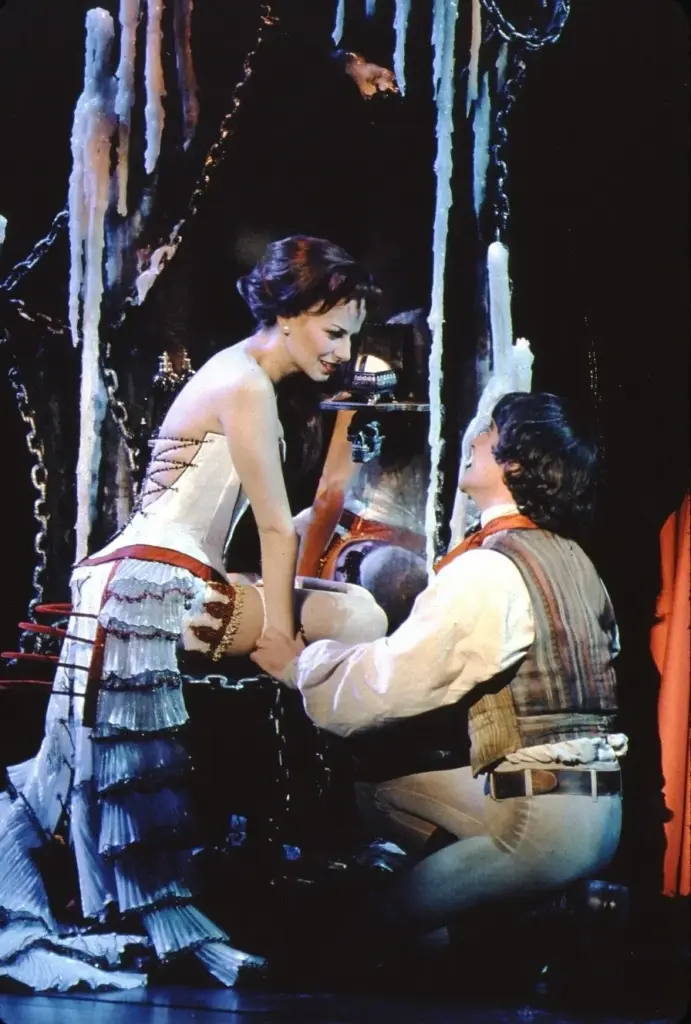
Among these is the Opéra national de Paris, where Mimica’s vocal security and commanding stage presence made an immediate impression on Parisian audiences and critics alike. Similarly, at the Royal Opera House, Covent Garden in London, he demonstrated the nuanced phrasing and theatrical versatility required by one of the world’s most discerning operatic strongholds.
German-speaking lands—historically the heartland of rigorous ensemble opera and demanding repertory systems—quickly embraced the Croatian bass. Mimica established a strong presence at the Wiener Staatsoper, the Staatsoper Berlin, and the Deutsche Oper Berlin. Performing in these major German houses requires immense vocal discipline, as artists must frequently cycle through diverse repertoires while maintaining vocal health across grueling rehearsal and performance schedules. Mimica’s ability to thrive in this environment cemented his reputation as an artist of extraordinary dependability and professional caliber.
Further south, Mimica conquered the great houses of the Iberian Peninsula and Italy. He has commanded audiences at Madrid’s prestigious Teatro Real and Barcelona’s iconic Gran Teatre del Liceu. His facility with Italian repertoire has made him a welcome guest in houses where stylistic authenticity is fiercely scrutinized.
Festival Acclaim and Concert Stages
Beyond the traditional opera house, Mimica has built an equally impressive resume on the international festival circuit. Summer festivals provide artists with the opportunity to explore specialized repertoires, collaborate with visionary stage directors, and perform in unique architectural or historical settings.
Mimica has been a prominent fixture at the Salzburg Festival, a citadel of high art where only the world’s finest practitioners are invited to perform. His appearances at the Edinburgh Festival have similarly drawn critical praise for their dramatic intensity and musical precision.
Given his affinity for the lightning-fast patter, exquisite phrasing, and ornamental brilliance of bel canto music, Mimica’s association with the Rossini Opera Festival in Pesaro is particularly significant. Pesaro is the global capital of Rossinian scholarship and performance; singing successfully on its stage requires a rare combination of vocal agility, breath control, and theatrical wit—qualities that Mimica possesses in abundance.
His festival credits extend to the historic Arena di Verona, where singers must project unamplified voices across vast Roman stones to audiences numbering in the tens of thousands—a trial by fire that separates good voices from truly monumental ones. Furthermore, his talents have taken him to the Tsinandali Festival in Georgia and the legendary BBC Proms in London, showcasing his versatility in both fully staged operatic productions and grand symphonic choral works.

Supporting Context & Metrics: The Business of Opera and Artist Management
The Strategic Value of Intermusica
To fully understand the weight of Mimica’s recent signing, one must examine the role of elite artist management in the modern classical music ecosystem. Agencies like Intermusica act as the vital bridge between artists and presenting organizations (opera houses, symphony orchestras, and festival directors). They handle complex contract negotiations, strategic career planning, marketing, scheduling, and international logistics.
Natasha Worsley and Jonathan Turnbull, the senior artist managers who will directly represent Mimica, are respected figures within the industry known for cultivating long-term, sustainable careers for world-class vocalists. By placing himself under their guidance, Mimica ensures that his career trajectory will be managed with strategic foresight—balancing high-profile house debuts with role debuts that protect and nurture his vocal instrument.
Intermusica’s global network is particularly advantageous for a bass of Mimica’s caliber. While he has already established a dominant presence in core European markets, global management opens avenues for deeper penetration into North American, Asian, and other emerging classical music markets, maximizing his earning potential and artistic reach.
Repertoire Demands and Vocal Health
The bass voice is among the rarest and most physically demanding categories in classical music. While sopranos and tenors often capture the popular imagination through soaring high notes and tragic love stories, the bass provides the harmonic and dramatic anchor of the opera orchestra and ensemble.
Bass roles frequently require a dual mastery:
- The Basso Buffo and Bel Canto Repertoire: Requiring immense agility, rapid-fire articulation, and a playful theatrical sense (found in operas by Rossini and Donizetti).
- The Basso Cantante and Dramatic Repertoire: Requiring a rich, sustained legato line, emotional gravity, and the sonic power to cut through a massive late-Romantic orchestra (found in works by Verdi, Puccini, and Russian masters like Mussorgsky).
Marko Mimica’s ability to bridge these sub-categories is precisely why he is considered one of the leading young basses of his generation. Maintaining such a diverse repertoire without incurring vocal fatigue requires meticulous curation of performance contracts—a task where Intermusica’s expertise will prove invaluable.
Official Statements and Industry Reception
While the formal announcement from Intermusica focused primarily on the structural details of the representation—noting the exclusion of Spain, where local management arrangements remain in place—the industry reaction has been overwhelmingly positive. Colleagues, critics, and casting directors have long recognized Mimica’s unique combination of physical presence, vocal beauty, and intellectual engagement with his roles.
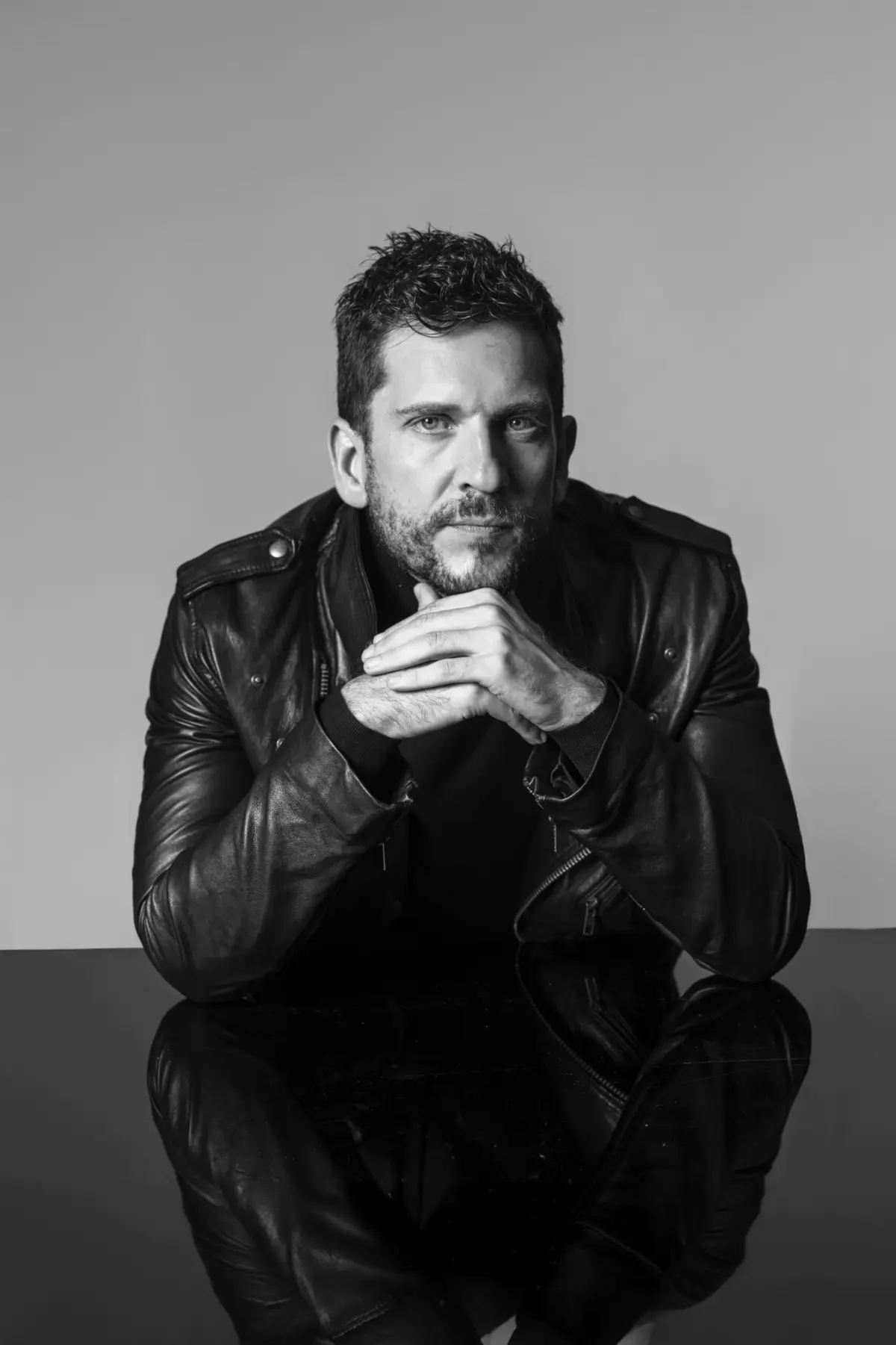
Photographer Charl Marais, whose striking portraits of the bass have frequently accompanied critical notices, captures the intense, cinematic quality that Mimica brings to the stage. Opera critics across Europe have repeatedly singled out his performances for their psychological depth. Unlike performers who rely solely on vocal volume, Mimica is frequently praised for his detailed characterizations—turning stock operatic figures (fathers, villains, monarchs, and comic servants) into flesh-and-blood human beings with complex motivations.
Industry insiders note that securing representation with an agency of Intermusica’s stature signals to international intendants (opera house general directors) that Mimica is entering his prime artistic years with top-tier administrative backing. This provides casting departments with the confidence that logistics will be seamlessly managed, further cementing his status as a preferred collaborator for major new productions and revival seasons alike.
Future Outlook: The Current Season and Beyond
As Marko Mimica embarks on this new chapter with Intermusica, his calendar for the current season reflects an artist operating at the absolute peak of his powers. His engagements span some of the most historic and prestigious stages in Europe, maintaining his rigorous artistic standards while expanding his performance footprint.
Current Season Highlights
- Gran Teatre del Liceu (Barcelona): Mimica returns to this celebrated Catalan house, a venue renowned for its passionate audiences and history of grand operatic spectacles. His familiarity with the Liceu ensures a warm reception from local operatic aficionados.
- Teatro San Carlo (Naples): Performing in the oldest continuously active opera house in the world—a venue steeped in the rich history of Italian vocal tradition—is a badge of honor for any bass, and Mimica’s presence here underscores his authority in Italian repertoire.
- Teatro dell’Opera di Roma: The Eternal City provides a breathtaking backdrop for Mimica’s artistry, allowing Roman audiences to experience his commanding stage presence and vocal resonance.
- Wiener Staatsoper: A foundational house for the bass, his return to Vienna highlights the ongoing, trusted relationship he maintains with the Austrian capital’s premier musical institution.
Long-Term Trajectory
Looking beyond the current season, the partnership with Natasha Worsley and Jonathan Turnbull at Intermusica is expected to facilitate strategic role expansions. As Mimica’s voice continues to mature and darken, conversations around heavier Verdi roles (such as Fiesco in Simon Boccanegra or Philip II in Don Carlo) as well as deeper explorations of Russian and French dramatic repertoire naturally arise.
Furthermore, the classical music industry is increasingly looking toward artists who can engage contemporary audiences through multimedia platforms, high-definition cinema broadcasts, and innovative staging concepts. Mimica’s dynamic stage presence and intellectual approach to character building make him perfectly suited for the demands of 21st-century opera production.
Conclusion
Marko Mimica’s alliance with Intermusica is far more than a routine administrative update; it is a clear indicator of artistic maturity and global ambition. By aligning himself with one of the world’s premier management agencies, the Croatian bass has solidified his structural foundation for the years to come. Backed by his formidable vocal gifts, an impressive resume of international house debuts, and the expert guidance of Natasha Worsley and Jonathan Turnbull, Mimica is exceptionally well-positioned to shape the future of the operatic bass fach on the world’s greatest stages.