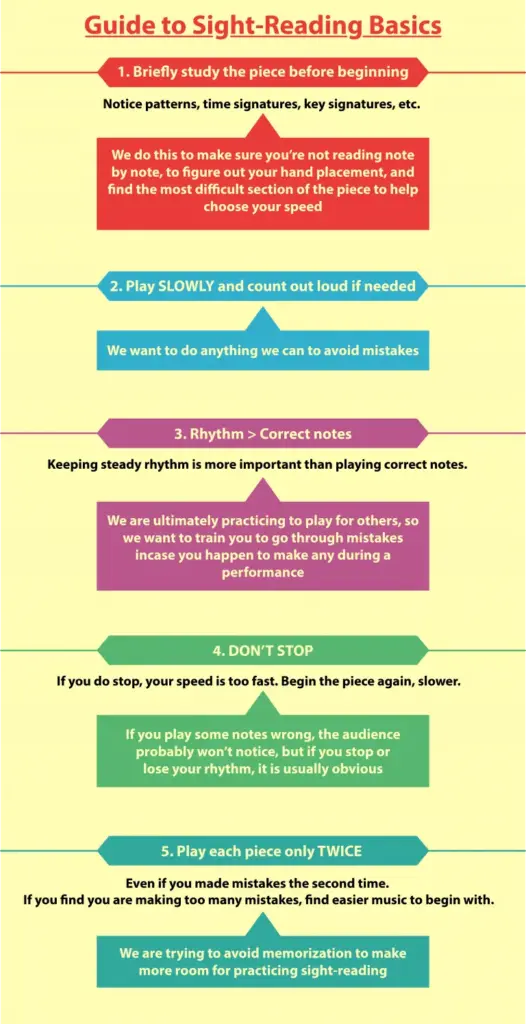

Executive Overview
In the realm of musical pedagogy, few skills hold as much foundational importance—or present as consistent a bottleneck to progress—as sight-reading. At the heart of fluent sight-reading lies note recognition: the cognitive process of instantly translating a visual symbol on a musical staff into a physical action on an instrument. Whether a student is navigating their first elementary method book or a seasoned professional preparing a complex contemporary score, the speed and accuracy of this recognition dictate the fluidity of their musicianship.
For generations, music educators and students relied exclusively on flashcards, paper workbooks, and repetitive drilling to bridge the gap between notation and execution. While these analog methods have produced countless proficient musicians, they are inherently limited. They lack the dynamic feedback loops, randomized testing environments, and data-driven progress tracking that modern software can provide.
Recognizing this pedagogical gap, SightReadingMastery—founded by musician, educator, and software engineer Evan R. Murphy—officially launched a breakthrough digital solution: a free online Note Recognition App. Designed to democratize and accelerate the mastery of music reading, the tool removes the friction traditionally associated with deliberate practice. Initially introduced with a focused feature set, the application has since evolved through iterative updates to encompass comprehensive clef support and advanced ledger line navigation.
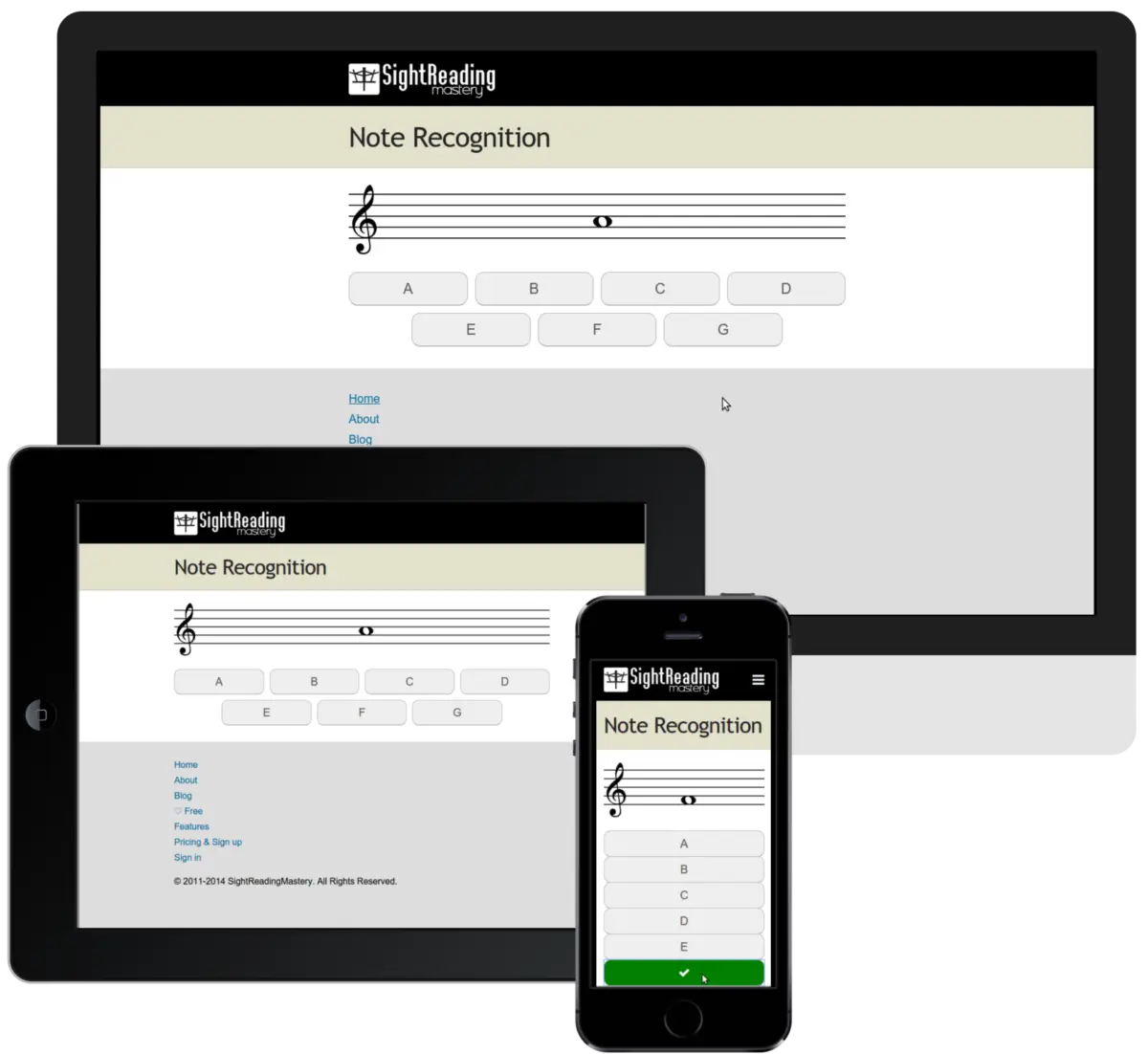
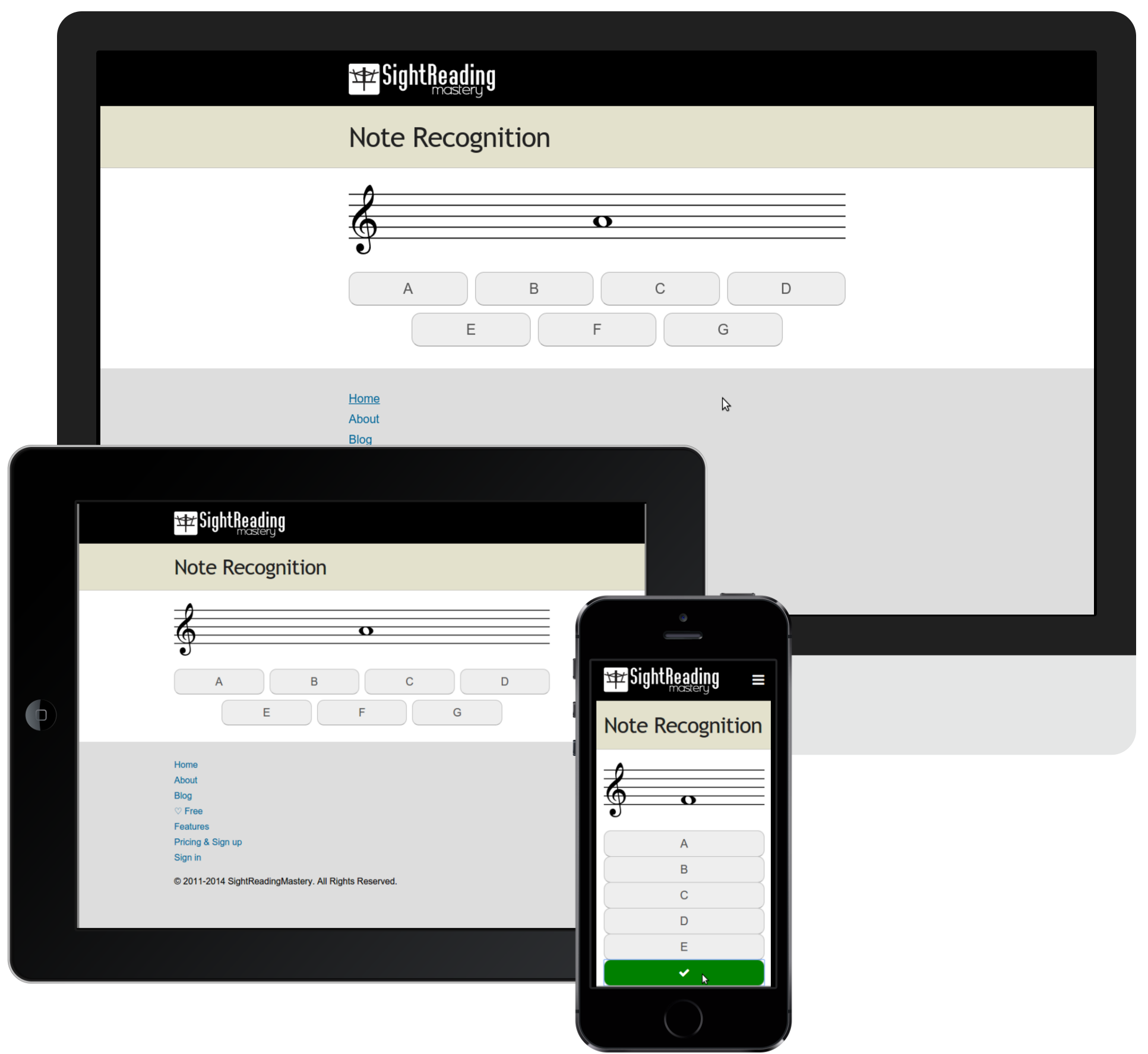
Built to function seamlessly across desktops, tablets, and mobile smartphones, this tool represents a significant step forward in music technology. By allowing musicians to practice anywhere—whether backstage before a performance, on a daily commute, or in a formal studio setting—the app redefines how foundational music literacy is acquired in the 21st century. This report provides an in-depth examination of the tool’s genesis, its technical architecture, the evolutionary milestones of its development, and its broader implications for music education worldwide.
Detailed Chronology: From Concept to Comprehensive Tool
The journey of the SightReadingMastery Note Recognition App is a testament to the power of iterative software development guided by real-world pedagogical needs. Understanding the timeline of its release and subsequent enhancements reveals how user feedback directly shaped a niche web utility into an indispensable practicing companion.
May 1, 2015: The Initial Release
When the tool first debuted on May 1, 2015, it entered a crowded market of digital metronomes and basic tuner applications, yet stood apart by focusing entirely on cognitive music literacy. Conceived by Evan R. Murphy, the application was engineered to address a specific pain point: the agonizingly slow mental translation process that novice and intermediate musicians experience when viewing sheet music.
The initial rollout was intentionally minimalist. It provided a clean, distraction-free web interface optimized for lightning-fast drill sessions. However, to ensure a rapid deployment and test core system stability, the original version operated with strict constraints. Notably, the first iteration was limited exclusively to the treble clef and omitted ledger lines entirely. While this meant bass-clef instrumentalists (such as cellists, bassists, and trombone players) and pianists reading lower voices could not yet fully utilize the app, it established a robust technical foundation for treble-focused musicians, including violinists, flutists, and upper-register vocalists.
September 14, 2018: The First Major Expansion
As adoption rates climbed and community feedback poured in, the limitations of the original release became the primary focus of development. On September 14, 2018, SightReadingMastery issued its first major architectural update. This revision marked a massive leap forward in the app’s utility, signaling that the platform was maturing from a simple proof-of-concept into a comprehensive training suite.
The core of this update centered on expanding the musical scope of the application. Developers successfully integrated support for the bass clef, opening the door for a vast new demographic of musicians. Furthermore, the update tackled one of the most notorious hurdles in music reading: ledger lines. By introducing notes extending above and below the standard five-line staff, the application transitioned from teaching basic note identification to supporting intermediate and advanced sight-reading proficiency.
September 23, 2018: Polishing the Ecosystem
Just over a week after the monumental September 14 update, a secondary round of refinements was published on September 23, 2018. This update focused on user interface (UI) stability, cross-browser compatibility, and optimizing mobile responsiveness. As mobile traffic and tablet usage surged among students practicing away from traditional desktop setups, these backend optimizations ensured that the rendering of the musical staff remained crisp, legible, and lag-free across varying screen resolutions and touch-input devices.
Supporting Context & Metrics: The Anatomy of Sight-Reading Fluency
To fully appreciate the significance of the Note Recognition App, one must examine the cognitive mechanics of sight-reading and the quantitative realities of music education.
The Cognitive Load of Music Reading
In cognitive psychology, reading music is often compared to reading language, but with an added layer of sensory-motor translation. When an individual reads text, the brain instantly recognizes words and derives meaning. When a musician sight-reads, the brain must perform a complex sequence of operations within milliseconds:
- Visual Processing: Scanning the staff to identify note head position relative to line and space markers.
- Symbol Decoding: Factoring in clef indicators, key signatures, and accidental markings.
- Cognitive Retrieval: Recalling the corresponding pitch name and its physical location on the instrument.
- Motor Execution: Engaging the appropriate muscle memory to produce the pitch accurately.
If any single link in this chain is weak—most commonly the note recognition step—the entire process breaks down, resulting in hesitation, stops, and poor musical flow. Traditional flashcards attempt to train this by presenting isolated notes, but they lack the contextual presentation of a real musical staff and fail to track response times accurately.
Digital Accessibility and Cross-Platform Utility
A major barrier to consistent music practice has always been logistics. Hauling physical materials or being tethered to a desktop computer restricts when and where learning can occur. The SightReadingMastery app was engineered from the ground up to eliminate these physical barriers through responsive web design.

+-------------------------------------------------------------+
|               SIGHTREADINGMASTERY ECOSYSTEM                 |
+-------------------------------------------------------------+
                              |
       +----------------------+----------------------+
       |                      |                      |
       v                      v                      v
[ Desktop PCs ]       [ Tablet Devices ]     [ Mobile Phones ]
 - Full HD Views      - Touch Optimized      - Pocket Portability
 - Keyboard Shortcuts - Intuitive Gestures   - On-the-Go Drills
By ensuring the application performs flawlessly across smartphones, tablets, and full-size desktop computers, the platform aligns with modern micro-learning habits. A student can complete a five-minute note recognition drill while waiting for a bus, sitting backstage before a concert, or warming up before a private lesson. This flexibility dramatically increases cumulative practice time over weeks, months, and years.
Official Statements & Pedagogical Philosophy
Behind the architecture of the Note Recognition App is a clear educational philosophy articulated by its creator, Evan R. Murphy. Through his work as a musician, teacher, software engineer, and founder of SightReadingMastery, Murphy has consistently championed the idea that sight-reading is not an innate, mystical talent, but a learnable mechanical skill.
The Vision of Evan R. Murphy
In establishing SightReadingMastery in 2011 from his home in Seattle, Washington, Murphy recognized a systemic flaw in how music students approached their instruments. Too often, students memorized pieces kinetically or aurally, masking a fundamental inability to read new music efficiently. This deficiency inevitably creates a glass ceiling, limiting a musician’s ability to collaborate, explore new repertoires, or participate in professional ensembles.
Murphy’s dual background in software engineering and music performance uniquely positioned him to build digital tools that solve pedagogical problems. Regarding the philosophy behind creating accessible, browser-based training tools, Murphy has frequently emphasized that technology should reduce friction, not introduce it. By making the Note Recognition App entirely web-based and free to use, the platform removes financial and technical barriers, ensuring that any student with an internet connection can access high-level sight-reading training.
Future Outlook: The Next Generation of Music Literacy Tools
As music education continues to embrace digital transformation, tools like the SightReadingMastery Note Recognition App point toward an exciting future. The integration of treble and bass clefs alongside ledger lines established a comprehensive baseline, but the horizon of music technology offers even greater possibilities.
Emerging Trends in Music Pedagogy
- Adaptive Learning Algorithms: Future iterations of note recognition software could leverage machine learning to dynamically adjust drill difficulty based on a user’s historical error rates. If a student consistently struggles with high ledger line notes in the bass clef, the algorithm can intelligently serve those specific intervals more frequently.
- Audio-Input Integration: While visual-to-mental recognition is crucial, future enhancements could incorporate pitch-detection microphones. This would allow musicians to play the correct note on their physical instrument (violin, flute, piano, or voice) to answer the prompt, integrating motor execution directly into the digital feedback loop.
- Gamification and Analytics: Expanding performance dashboards will likely play a major role in student retention. Detailed tracking of response times down to the millisecond, streak counters, and weekly progress reports transform dry technical exercises into engaging, rewarding challenges.
Conclusion
The evolution of the SightReadingMastery Note Recognition App—from a streamlined treble-clef web utility in 2015 to a fully featured, multi-clef training environment—underscores the profound impact that thoughtful software engineering can have on music education. By targeting the fundamental bottleneck of sight-reading, Evan R. Murphy and his team have provided musicians worldwide with an indispensable resource. As digital tools continue to mature, platforms like SightReadingMastery will undoubtedly remain at the forefront, empowering generations of musicians to read, interpret, and perform with absolute confidence.