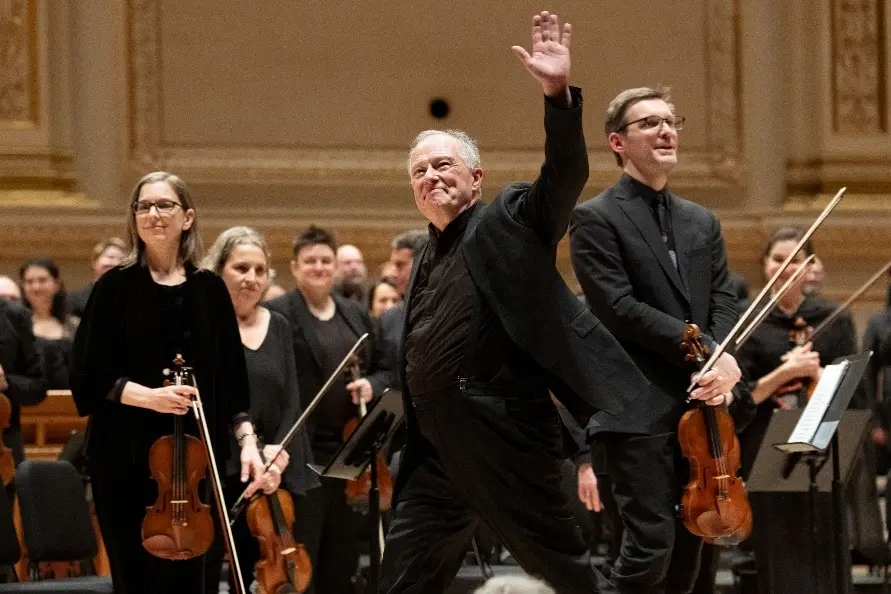

NEW YORK, N.Y. — As the autumn air gives way to the crisp anticipation of the winter holidays, New York City’s preeminent professional choral ensemble, Musica Sacra, has officially announced its crown jewel event for the upcoming festive season. Under the visionary leadership of Music Director Kent Tritle, the legendary chorus will take over the hallowed stage of Carnegie Hall on December 17, 2026, at 7:30 p.m., for a magnificent holiday program titled “Classics for Christmas: A Ceremony of Carols.”
This forthcoming concert promises to be a defining moment in New York’s cultural calendar, seamlessly blending centuries of choral tradition with contemporary masterworks, virtuosic guest soloists, and the unmatched acoustic splendor of Carnegie Hall’s Stern Auditorium / Perelman Stage. For classical music enthusiasts, holiday traditionalists, and patrons of the arts alike, the evening stands as a testament to the enduring power of the human voice in communal celebration.
Executive Overview
The announcement of "Classics for Christmas: A Ceremony of Carols" marks a high-water mark in Musica Sacra’s ongoing artistic trajectory. As New York’s longest continually performing professional chorus, the ensemble has cultivated a reputation for uncompromising artistic excellence since its founding in 1964. Under Kent Tritle’s meticulous direction, the choir has consistently expanded its stylistic footprint, bridging the gap between historical masterworks and cutting-edge contemporary compositions.
The December 17, 2026, program has been curated to offer listeners an emotional and sonic journey across musical eras. At the heart of the performance lies Benjamin Britten’s iconic A Ceremony of Carols, a jewel of twentieth-century choral literature written for upper voices and harp. Yet, the evening’s scope extends far beyond this centerpiece. Tritle has assembled a diverse and captivating repertoire that juxtaposes the exuberant counterpoint of George Frideric Handel with the whimsical charm of Leopold Mozart, the radiant harmonies of Morton Lauridsen, and the compelling contemporary voices of Reena Esmail and Wayne Oquin.
To elevate this already formidable program, Musica Sacra has enlisted a stellar roster of instrumental virtuosos. Mariko Anraku, Associate Principal Harpist of the Metropolitan Opera Orchestra, will anchor the Britten masterpiece. Meanwhile, a glittering Baroque interlude will feature Maximillian Morel, Principal Trumpet of the American Ballet Theatre, and David Pushkoff, Principal Trumpet of the New York City Ballet, collaborating on Francesco Manfredini’s dazzling Concerto for Two Trumpets.
This comprehensive preview delves into the structural components of the upcoming concert, examines the rich history and cultural legacy of Musica Sacra, profiles the esteemed artistic leadership behind the production, and explores the broader significance of choral music within the modern cultural landscape of New York City.
Detailed Chronology of the Program and Repertoire
The carefully curated sequence for "Classics for Christmas" is designed to guide the audience through shifting emotional landscapes—from the joyous and rustic celebration of winter to the ethereal, contemplative mysteries of the holiday season. Below is a detailed breakdown of the featured works and their unique artistic contexts.
1. Benjamin Britten: A Ceremony of Carols, Op. 28
Composed in 1942 while Britten was crossing the Atlantic Ocean aboard the M.S. Axel Johnson en route from England to the United States during World War II, A Ceremony of Carols is one of the most beloved choral works of the twentieth century. Written originally for treble voices and solo harp, the piece utilizes a collection of medieval and early Renaissance texts, many written in Middle English.
The work opens with the processional Hodie Christus natus est, sung to plainchant as the choristers enter the performance space. What follows is a sequence of movements that alternate between rustic, dance-like rhythms and profound, introspective moments of sublime beauty—most notably the hauntingly beautiful central movement, This little Babe, and the shimmering Interlude for solo harp. For the Carnegie Hall performance, Musica Sacra will harness the full expressive capacity of their elite ensemble, supported by the peerless artistry of harpist Mariko Anraku.
2. George Frideric Handel: The King Shall Rejoice (Coronation Anthem No. 2, HWV 260)
No classical holiday season in New York is truly complete without a touch of Handel’s majestic Baroque grandeur. The King Shall Rejoice, composed in 1727 for the coronation of King George II, exemplifies the composer’s unmatched gift for writing large-scale, jubilant choral music infused with regal dignity and soaring counterpoint. Featuring exuberant brass writing, driving rhythmic energy, and triumphant choral declarations, the anthem will provide an electrifying focal point for the evening’s first half, filling the cavernous expanse of Carnegie Hall with triumphant resonance.
3. Leopold Mozart: Sleigh Ride (Schlittenfahrt)
Stepping away from the solemnity of the traditional sacred canon, the program introduces a delightful touch of eighteenth-century secular whimsy with Leopold Mozart’s Sleigh Ride. Best known historically as the father of Wolfgang Amadeus Mozart, Leopold was a formidable composer in his own right. His Sleigh Ride is a masterful orchestral and choral depiction of a crisp winter journey, famously incorporating sleigh bells, cracking whips, and galloping rhythms. This charming work highlights the playful, imaginative side of the holiday season, offering a direct historical link to the domestic musical traditions of the European Enlightenment.
4. Francesco Manfredini: Concerto for Two Trumpets in D Major
Providing a dazzling instrumental showcase between the choral masterworks, Francesco Manfredini’s Baroque masterpiece will feature two of New York’s finest orchestral musicians: Maximillian Morel (American Ballet Theatre) and David Pushkoff (New York City Ballet). Known for its sparkling dialogue between the solo trumpets and the accompanying ensemble, this Baroque confection demands absolute technical precision, brilliant articulation, and a seamless stylistic rapport between the performers.
5. Contemporary Voices: Reena Esmail, Morton Lauridsen, and Wayne Oquin
To ground the holiday narrative in the soundscapes of the twenty-first century, Musica Sacra will perform seasonally themed works by three acclaimed contemporary composers:
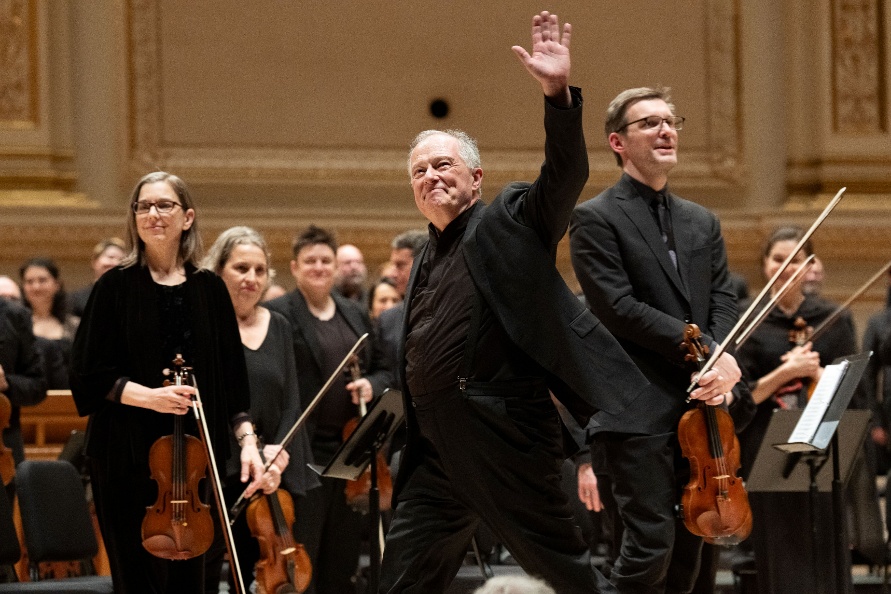
- Morton Lauridsen: Renowned for his luminous, transcendent vocal textures and rich harmonic language, Lauridsen is widely regarded as one of America’s most performed living choral composers. His contributions to the winter canon—often characterized by mystical stillness and deeply comforting warmth—provide an emotional anchor for the program.
- Reena Esmail: Bridging the worlds of Western classical music and Hindustani classical traditions, Esmail’s compositions are celebrated for their vibrant melodic invention, cross-cultural resonance, and profound spiritual depth. Her inclusion in the program reflects Musica Sacra’s commitment to expanding the boundaries of the traditional choral repertoire.
- Wayne Oquin: Known for his powerful, rhythmically dynamic, and texturally rich writing, Oquin’s contemporary choral contributions bring a thrilling sense of momentum and dramatic immediacy to the Carnegie Hall stage.
Supporting Context & Metrics: The Anatomy of Musica Sacra
To fully appreciate the significance of the December 2026 concert, one must examine the institutional pedigree of Musica Sacra. Founded in 1964 by legendary conductor Richard Westenburg, the organization was born out of a desire to establish a permanent professional chorus in New York City capable of delivering definitive interpretations of the choral masterworks. Over six decades, the ensemble has evolved into an indispensable pillar of the city’s musical infrastructure.
Key Institutional Metrics and Highlights:
- Founding Year: 1964, making it New York City’s longest continually performing professional chorus.
- Leadership Lineage: Led by visionary Music Director Kent Tritle, who has helmed the organization since 2007, building upon the foundational legacy of Westenburg.
- Venues Conquered: Regular performances at major cultural institutions, anchored by frequent appearances at Carnegie Hall and Lincoln Center.
- Repertoire Scope: Spanning over 500 years of musical history—from Renaissance polyphony and Baroque masterworks to world premieres of contemporary American compositions.
- Educational and Community Impact: Beyond mainstage performances, Musica Sacra is deeply committed to mentoring the next generation of choral singers, conductors, and composers through educational outreach, masterclasses, and collaborative residencies.
The ensemble’s longevity is a testament to its rigorous audition standards, which draw upon the finest freelance vocal talent in the New York metropolitan area. These singers possess not only extraordinary individual vocal beauty and sight-reading proficiency but also the rare ability to blend seamlessly into a unified, resonant choral instrument.
Artistic Leadership Profiles
The success of Musica Sacra rests squarely upon the shoulders of its distinguished artistic leadership, whose collective vision continues to redefine the possibilities of choral art.
Kent Tritle, Music Director
Serving as Music Director since 2007, Kent Tritle is one of America’s leading choral conductors. In addition to his leadership of Musica Sacra, Tritle is the Director of Cathedral Music at the Cathedral of Saint John the Divine in New York City and Music Director of the Oratorio Society of New York. An organ virtuoso as well as a conductor, he is renowned for his interpretive depth, his encyclopedic knowledge of the sacred and secular choral canons, and his passionate advocacy for contemporary music.
Under Tritle’s baton, Musica Sacra has premiered numerous major works, expanded its recording catalog, and deepened its emotional connection with audiences. His programming philosophy consistently seeks to reveal the hidden threads connecting disparate musical eras, creating concert experiences that are intellectually stimulating and emotionally transformative.
Mariko Anraku (Featured Harpist)
Mariko Anraku, Associate Principal Harpist of the Metropolitan Opera Orchestra, is recognized internationally as a soloist of extraordinary grace and expressive power. A protégé of the legendary harpist Susann McDonald, Anraku has performed with major orchestras across the globe and has won critical acclaim for her solo and chamber music recordings on the EMI Classics label. Her interpretation of Britten’s demanding harp writing in A Ceremony of Carols is anticipated to be a breathtaking highlight of the evening.
Maximillian Morel and David Pushkoff (Featured Trumpeters)
Representing the pinnacle of orchestral brass performance in New York City, Maximillian Morel (Principal Trumpet, American Ballet Theatre) and David Pushkoff (Principal Trumpet, New York City Ballet) bring virtuosic brilliance to the evening’s Baroque selections. Their collaboration on the Manfredini Concerto highlights the high level of inter-institutional artistic cooperation that characterizes the New York classical music scene.
Official Statements and Industry Perspectives
While formal statements regarding the December 2026 engagement emphasize the ensemble’s dedication to artistic innovation, industry observers have been quick to praise the thoughtful curation of the program.
"Musica Sacra has a unique ability to honor the historic weight of the choral tradition while remaining vibrantly alive to the sounds of our own time," notes one prominent New York music critic. "By pairing Britten’s wartime masterpiece with the Baroque jubilation of Handel and Manfredini, alongside vital contemporary voices like Reena Esmail and Morton Lauridsen, Kent Tritle has crafted a holiday program of rare intelligence and emotional resonance."
Patrons and cultural analysts alike have emphasized the psychological and social importance of live choral music in the modern era. In an age marked by digital isolation and rapid technological change, the physical gathering of hundreds—or thousands—of people in the acoustically sublime environment of Carnegie Hall to listen to unamplified human voices creates an irreplaceable sense of community and shared humanity.
Future Outlook: The Road to Carnegie Hall and Beyond
As New York City looks ahead to the winter season of 2026, the anticipation surrounding "Classics for Christmas: A Ceremony of Carols" continues to build. Tickets for the December 17 performance are expected to draw strong demand from both dedicated subscribers and casual concertgoers seeking an elevated, culturally enriching holiday experience.
Looking further ahead, Musica Sacra’s upcoming season signals a robust and dynamic future for the organization. By continuing to champion underrepresented contemporary composers, commissioning new works, and maintaining the highest possible standards of performance in the choral masterworks of the past, the ensemble ensures that choral art remains a vibrant, evolving force in the twenty-first century.
For those eager to witness the magic of human voices uniting in one of the world’s most famous acoustic spaces, December 17, 2026, at Carnegie Hall marks an unmissable appointment with musical history.
Ticket and Event Information:
- Event: Classics for Christmas: A Ceremony of Carols presented by Musica Sacra
- Music Director: Kent Tritle
- Date: December 17, 2026
- Time: 7:30 p.m.
- Venue: Carnegie Hall (Stern Auditorium / Perelman Stage), New York City
- Featured Works: Benjamin Britten (A Ceremony of Carols), George Frideric Handel (The King Shall Rejoice), Leopold Mozart (Sleigh Ride), Francesco Manfredini (Concerto for Two Trumpets), alongside works by Reena Esmail, Morton Lauridsen, and Wayne Oquin.
- Featured Artists: Mariko Anraku (Harp), Maximillian Morel (Trumpet), David Pushkoff (Trumpet).